What Are CJC-1295 and Ipamorelin? How They Work Together
Learn how CJC-1295 and Ipamorelin interact to support natural growth hormone signaling. Discover the science, physiology, and clinician-guided protocols.
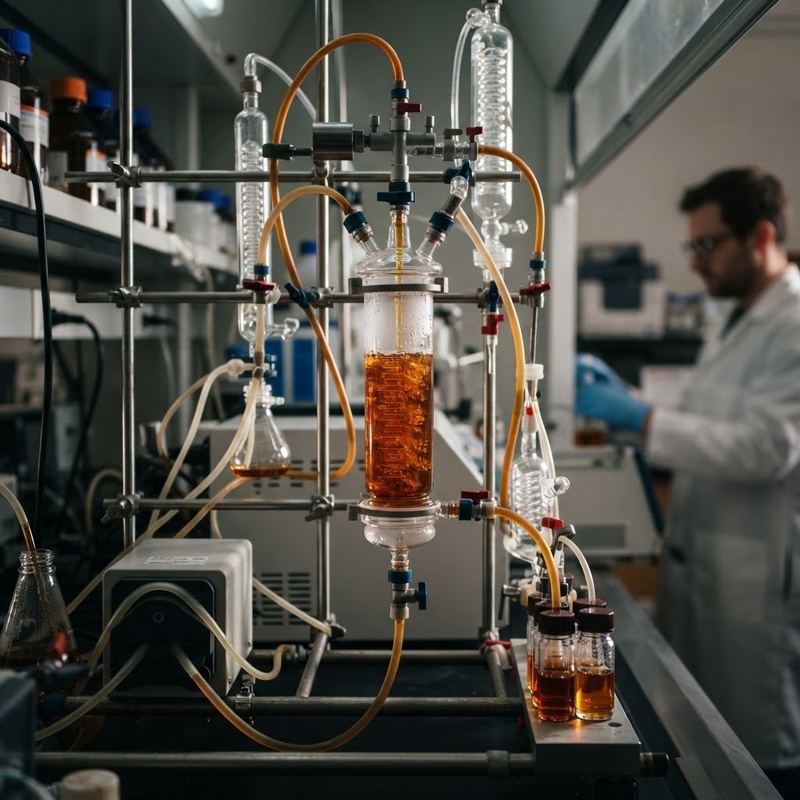
In modern clinical discussions surrounding longevity, tissue maintenance, and physiological recovery, peptide signaling molecules have gained significant prominence. Among these, CJC-1295 and Ipamorelin frequently appear together in endocrinological literature and research. Both compounds fall under the classification of growth hormone secretagogues—substances that prompt the anterior pituitary gland to synthesize and release endogenous growth hormone (GH) through natural signaling cascades.
In modern clinical discussions surrounding longevity, tissue maintenance, and physiological recovery, peptide signaling molecules have gained significant prominence. Among these, CJC-1295 and Ipamorelin frequently appear together in endocrinological literature and research. Both compounds fall under the classification of growth hormone secretagogues—substances that prompt the anterior pituitary gland to synthesize and release endogenous growth hormone (GH) through natural signaling cascades. Rather than introducing synthetic growth hormone directly, secretagogues interact with specific cellular receptors to support the body's native neuroendocrine architecture. At EOS Health, our clinical team believes that empowering patients with clear, evidence-informed knowledge is essential for proactive healthcare management.
Understanding how CJC-1295 and Ipamorelin function individually—and why clinicians often evaluate them in combination—requires a foundational look at human endocrine physiology. Growth hormone serves as a central coordinating factor in protein synthesis, cellular repair, lipid mobilization, and structural tissue integrity throughout life. However, human growth hormone release is naturally pulsatile, regulated by a delicate balance of hypothalamic signals and negative feedback loops. In this guide, we examine the distinct biochemical profiles of CJC-1295 and Ipamorelin, the scientific principles behind their complementary mechanisms, and why personalized clinical oversight remains essential when exploring peptide therapy.
Understanding Growth Hormone Secretagogues and Endocrine Physiology
To appreciate how secretagogue peptides operate, it is helpful to review the hypothalamic-pituitary endocrine axis. The hypothalamus, positioned at the base of the brain, functions as the primary command center for growth hormone regulation. It releases two major counter-regulatory peptides that act directly upon somatotropic cells in the anterior pituitary gland: Growth Hormone-Releasing Hormone (GHRH), which stimulates growth hormone synthesis and secretion, and Somatostatin, which suppresses hormone release. Additionally, ghrelin acts upon Growth Hormone Secretagogue Receptors (GHS-R1a) to amplify pituitary responsiveness.
Direct administration of exogenous recombinant human growth hormone introduces active hormone directly into systemic circulation. While this bypasses pituitary signaling mechanisms, it can disrupt natural neuroendocrine feedback loops and suppress the body's own hormone production over time. In contrast, growth hormone secretagogues work by encouraging the pituitary gland's somatotropes to release stored growth hormone in a physiological, pulsatile rhythm. Because secretagogues function within natural feedback architecture, they preserve the regulatory interplay between the hypothalamus and pituitary gland, allowing somatostatin feedback mechanisms to remain operational.
Scientific interest in growth hormone secretagogues focuses largely on their capacity to target distinct receptor families. Because different secretagogue peptides engage different receptor subtypes on somatotropic cells, combining agents that stimulate complementary intracellular cascades has become a major area of research. However, individual physiological responses vary depending on baseline hormone levels, age, lifestyle habits, and metabolic health.
What Is CJC-1295? Structure, Mechanisms, and Analog Modifications
CJC-1295 is a synthetic peptide analog of Growth Hormone-Releasing Hormone (GHRH). Endogenous GHRH is a 44-amino acid peptide secreted by hypothalamic neurons. Research demonstrated that full biological activity resides primarily within its first 29 amino acids, a truncated sequence known as Growth Hormone-Releasing Factor (GRF 1-29) or sermorelin. While GRF 1-29 effectively binds to GHRH receptors on anterior pituitary somatotropes, native GHRH and unmodified GRF 1-29 possess short plasma half-lives in the human body—typically under 12 minutes—due to enzymatic cleavage by circulating dipeptidyl peptidase-IV (DPP-IV) enzymes.
Development of Modified GRF 1-29 and DAC Formulations
To enhance enzymatic resistance, researchers engineered specific amino acid substitutions at positions 2, 8, 15, and 27 of the peptide chain. This modification created tetrasubstituted GRF 1-29, commonly referred to as Modified GRF 1-29 (or CJC-1295 without DAC). These subtle molecular alterations preserve receptor binding affinity while extending plasma half-life to approximately 30 minutes, allowing for sustained stimulation of pituitary GHRH receptors following administration.
Further pharmaceutical development led to CJC-1295 with DAC (Drug Affinity Complex). This formulation incorporates a reactive group attached to the C-terminus of Modified GRF 1-29 that binds covalently to circulating serum albumin in the bloodstream. Because serum albumin circulates with a long half-life in human plasma, CJC-1295 with DAC exhibits an extended half-life lasting several days. In clinical practice, the decision between Modified GRF 1-29 (non-DAC) and CJC-1295 with DAC depends on therapeutic objectives and individualized dosing protocols evaluated by a licensed healthcare practitioner.
Primary Actions of CJC-1295
When CJC-1295 binds to GHRH receptors on pituitary somatotropes, it activates G-protein signaling, stimulating intracellular cyclic adenosine monophosphate (cAMP) production and protein kinase A (PKA) cascades. This signaling pathway encourages growth hormone gene transcription and release. Research indicates that GHRH receptor signaling primarily increases the amplitude—the magnitude—of growth hormone secretion pulses, reinforcing the pituitary gland's natural secretory capacity.
What Is Ipamorelin? A Selective Ghrelin Receptor Agonist
Ipamorelin is a synthetic pentapeptide developed specifically as a selective growth hormone secretagogue. Unlike CJC-1295, which mimics GHRH, Ipamorelin belongs to the growth hormone releasing peptide (GHRP) class and functions as an agonist at the Growth Hormone Secretagogue Receptor 1a (GHS-R1a)—the receptor targeted by ghrelin.
Receptor Selectivity and Hormonal Profiles
A central feature of Ipamorelin is its remarkable selectivity for growth hormone release. Earlier generation secretagogues in the GHRP family, such as GHRP-2 and GHRP-6, exhibited growth hormone stimulation but frequently triggered off-target endocrine effects, causing significant elevations in adrenocorticotropic hormone (ACTH), cortisol, and prolactin. Elevated cortisol can interfere with tissue maintenance and glucose regulation, while elevated prolactin affects metabolic parameters.
Studies demonstrate that Ipamorelin possesses exceptional receptor selectivity. Even at higher research dosages, Ipamorelin stimulates pituitary growth hormone release without producing significant rises in plasma cortisol, ACTH, or prolactin levels. Furthermore, unlike natural ghrelin, Ipamorelin displays minimal propensity to stimulate appetite, contributing to its favorable physiological profile in secretagogue research models.
Intracellular Mechanism of Action
Binding of Ipamorelin to GHS-R1a receptors on pituitary somatotropes activates phospholipase C (PLC) and inositol trisphosphate (IP3) pathways, triggering a transient mobilization of intracellular calcium ions. This calcium rise drives the immediate release of growth hormone vesicles into circulation. Additionally, ghrelin receptor activation within hypothalamic pathways is thought to suppress somatostatin release temporarily, removing inhibitory tone.
Why CJC-1295 and Ipamorelin Are Discussed Together: Dual Pathway Signaling
In longevity science and recovery discussions, CJC-1295 and Ipamorelin are frequently examined as a paired protocol. The rationale for co-evaluating these two peptides rests upon dual-receptor signaling and complementary intracellular pathways. Under native physiological conditions, the human pituitary gland receives concurrent stimulatory signals from both GHRH and ghrelin pathways prior to discharging a secretory pulse of growth hormone.
Complementary Cellular Activation
When CJC-1295 and Ipamorelin are co-administered, they engage two distinct messenger systems within pituitary somatotropic cells simultaneously:
- GHRH Receptor Activation (CJC-1295): Triggers the cAMP/PKA signaling cascade, primarily enhancing growth hormone gene transcription and pulse amplitude.
- GHS-R1a Receptor Activation (Ipamorelin): Triggers the PLC/IP3/calcium signaling cascade, promoting vesicle exocytosis and blunting somatostatin inhibition.
Endocrinological research suggests that simultaneous engagement of both receptor systems produces a complementary effect. The combined signals generate a more pronounced, natural release pulse of growth hormone than either agent produces when used individually at comparable concentrations. Because this dual mechanism mirrors native hypothalamic signaling patterns, it supports endogenous hormone output while keeping normal negative feedback mechanisms intact.
Preserving Endogenous Pulsatility and Receptor Sensitivity
A major focus in secretagogue research is maintaining natural hormone pulsatility. Growth hormone exerts its effects on peripheral tissues through periodic concentration peaks followed by basal troughs. Continuous exposure to elevated hormone levels can lead to tissue receptor downregulation and altered glucose regulation. By utilizing secretagogue protocols—such as Modified GRF 1-29 combined with Ipamorelin—clinicians aim to encourage natural pulse dynamics while allowing hormone levels to return to baseline between pulses, supporting ongoing tissue responsiveness.
The Physiological Role of Growth Hormone Pulsatility and IGF-1
In healthy adults, endogenous growth hormone release follows a nocturnal rhythm, with the largest physiological pulses occurring during deep non-REM sleep. Smaller pulses occur throughout the day in response to physiological cues such as exercise, fasting, or metabolic temperature regulation. Once released into circulation, growth hormone binds to growth hormone receptors on target tissues, including the liver, skeletal muscle, bone, and adipose tissue.
In the liver and peripheral tissues, growth hormone stimulates the expression and secretion of Insulin-like Growth Factor 1 (IGF-1). IGF-1 acts as a primary downstream mediator, carrying out many of growth hormone's tissue maintenance, protein synthetic, and cellular repair functions. As individuals age, overall growth hormone production gradually declines—a process referred to as somatopause. This age-related decrease is characterized primarily by a reduction in pulse amplitude rather than a total loss of pituitary capacity. Research into GHRH analogs and ghrelin agonists investigates whether supporting these pituitary pathways can help preserve physiological signaling in aging populations.
Nevertheless, endocrine responsiveness varies considerably across individuals. Factors such as body composition, baseline IGF-1 levels, sleep quality, thyroid status, and glucose tolerance influence how an individual's system responds to secretagogue signaling.
Clinical Considerations, Safety Profiles, and Regulatory Overview
Although CJC-1295 and Ipamorelin present well-documented cellular mechanisms, peptide therapy must always be approached with comprehensive clinical oversight. Like all bioactive compounds, growth hormone secretagogues carry potential side effects and precautions that require evaluation by a qualified medical professional prior to initiation.
Safety Profiles and Clinical Monitoring
Reported side effects associated with growth hormone secretagogues are generally mild to moderate but can include transient injection site redness, minor fluid retention, temporary warmth or facial flushing following administration, mild headaches, or slight changes in insulin sensitivity. Because growth hormone signaling directly influences carbohydrate metabolism, patients with pre-existing metabolic conditions require careful laboratory monitoring during evaluation.
Regulatory Context and Compounding Pharmacy Standards
In the United States, compounded peptide formulations—including CJC-1295 and Ipamorelin—are available strictly by prescription from licensed healthcare providers and are prepared by state-licensed compounding pharmacies. Compounded preparations are customized formulations designed to meet individual patient needs; they are not individually approved by the U.S. Food and Drug Administration (FDA) as commercial pharmaceutical products. Patients should never obtain peptides from unverified online research suppliers or unauthorized vendors, as unregulated sources carry serious health risks.
A thorough clinical assessment prior to initiating peptide therapy involves reviewing medical history, conducting physical examinations, obtaining baseline blood panels (including serum IGF-1, comprehensive metabolic panel, lipid panel, fasting glucose, and HbA1c), and defining personal wellness objectives. A licensed clinician determines whether secretagogue therapy is appropriate, establishes customized dosing schedules, and manages ongoing follow-up care to ensure safety.
Partnering with EOS Health for Evidence-Based Recovery Protocols
Navigating modern peptide science requires a balanced, evidence-informed approach that prioritizes long-term health, physiological safety, and individualized care. CJC-1295 and Ipamorelin offer a sophisticated, dual-pathway framework for supporting the body's natural growth hormone release mechanisms. However, decisions regarding secretagogue protocols belong within a professional, collaborative relationship with a dedicated medical provider.
At EOS Health, our clinical team connects individuals with experienced, licensed healthcare providers who specialize in personalized endocrine wellness, longevity medicine, and recovery support. Through detailed clinical evaluations, diagnostic laboratory testing, and ongoing medical oversight, we ensure that every protocol is tailored to your unique biological needs.
Ready to explore whether peptide therapy may support your recovery goals? Complete a short online intake at EOS Health.
Growth Hormone Secretagogue (GHS)
A class of bioactive substances that stimulate the anterior pituitary gland to synthesize and secrete endogenous growth hormone through specific receptor signaling pathways.
GHRH Analog
A synthetic peptide structured to mimic the signaling action of natural Growth Hormone-Releasing Hormone by binding to GHRH receptors on pituitary somatotropes.
Ghrelin Receptor Agonist
A compound that binds to and activates the Growth Hormone Secretagogue Receptor 1a (GHS-R1a), triggering intracellular signaling cascades that facilitate growth hormone release.
Pulsatile Secretion
The natural physiological pattern in which hormones are released into the bloodstream in periodic episodic bursts rather than continuous steady secretion.
Insulin-like Growth Factor 1 (IGF-1)
A primary peptide hormone produced predominantly by the liver in response to growth hormone stimulation, serving as a key mediator of downstream cellular repair and metabolic maintenance.
Sources
faq
Common questions, answered.
What is the difference between CJC-1295 with DAC and Modified GRF 1-29?
Modified GRF 1-29 (often called CJC-1295 without DAC) is a tetrasubstituted peptide analog of GHRH with a short plasma half-life of approximately 30 minutes, designed to mimic natural physiological growth hormone pulses. CJC-1295 with DAC includes a Drug Affinity Complex group that binds to circulating serum albumin, extending its biological half-life to several days and resulting in more continuous GHRH receptor stimulation.
How do growth hormone secretagogues differ from synthetic growth hormone?
Synthetic growth hormone (recombinant hGH) introduces active hormone directly into the bloodstream, bypassing the pituitary gland and potentially suppressing native hormone production. Growth hormone secretagogues, such as CJC-1295 and Ipamorelin, act as signaling molecules that stimulate the anterior pituitary gland to produce and release its own endogenous growth hormone while preserving natural feedback mechanisms.
Why are CJC-1295 and Ipamorelin frequently prescribed together?
CJC-1295 and Ipamorelin target two separate receptor pathways on pituitary somatotropic cells—the GHRH receptor and the Growth Hormone Secretagogue Receptor (GHS-R1a), respectively. Research indicates that activating both pathways simultaneously produces a complementary signaling effect, leading to a more robust release pulse than either peptide achieves individually.
Does Ipamorelin increase cortisol or prolactin levels?
Pharmacological studies demonstrate that Ipamorelin possesses high receptor selectivity. Unlike earlier growth hormone releasing peptides like GHRP-2 or GHRP-6, Ipamorelin selectively stimulates growth hormone release without causing significant elevations in plasma cortisol, adrenocorticotropic hormone (ACTH), or prolactin levels.
Are CJC-1295 and Ipamorelin FDA-Approved?
Compounded peptide preparations of CJC-1295 and Ipamorelin are prepared by state-licensed 503A compounding pharmacies pursuant to a prescription from a licensed healthcare provider. Compounded preparations are customized for individual patient needs and are not individually approved by the FDA as mass-market commercial pharmaceuticals.
What side effects are associated with CJC-1295 and Ipamorelin?
Reported side effects are generally mild and temporary, including injection site irritation, mild fluid retention, transient warmth or flushing, mild headaches, or temporary changes in insulin sensitivity. An attending clinician monitors these parameters during regular clinical evaluations.
How long does it take to notice physiological responses to secretagogue therapy?
Biological responses vary considerably depending on baseline hormone status, body composition, age, and individual metabolic factors. While cellular signaling changes begin promptly, individual clinical observations evolve over several weeks or months under medical supervision.
Do I need baseline blood testing before starting peptide therapy?
Yes. A comprehensive medical evaluation includes baseline blood tests—such as serum IGF-1, comprehensive metabolic panels, glycemic markers (fasting glucose, HbA1c), and lipid profiles—to establish baseline values, verify appropriateness, and guide individualized clinical protocol design.
Invest in the years ahead.™
Start free consultationwhat are you waiting for?
You're one click away from a new you.
Fill out our brief form and a licensed physician will evaluate which treatment plan is best for you.