
Designed for women
Compounded formulations tuned to female patterns of thinning, not a one-size spray.
Physician-prescribed topical and oral options for women's hair loss, delivered to your door.

Hair-loss treatments tuned for the patterns and density of female hair loss, prescribed by a clinician who reviews your specific situation.
Compounded formulations tuned to female patterns of thinning, not a one-size spray.

Most women see visible regrowth within 4–6 months.

One quick-drying step that fits your existing routine.
Every protocol at EOS Health is prescribed by a U.S.-licensed clinician based on your labs, your goals, and your health history. You may be a good candidate if any of these sound like you.
Your EOS clinician will help you choose the option that fits your medical history, your goals, and your budget — and adjust as your body responds.
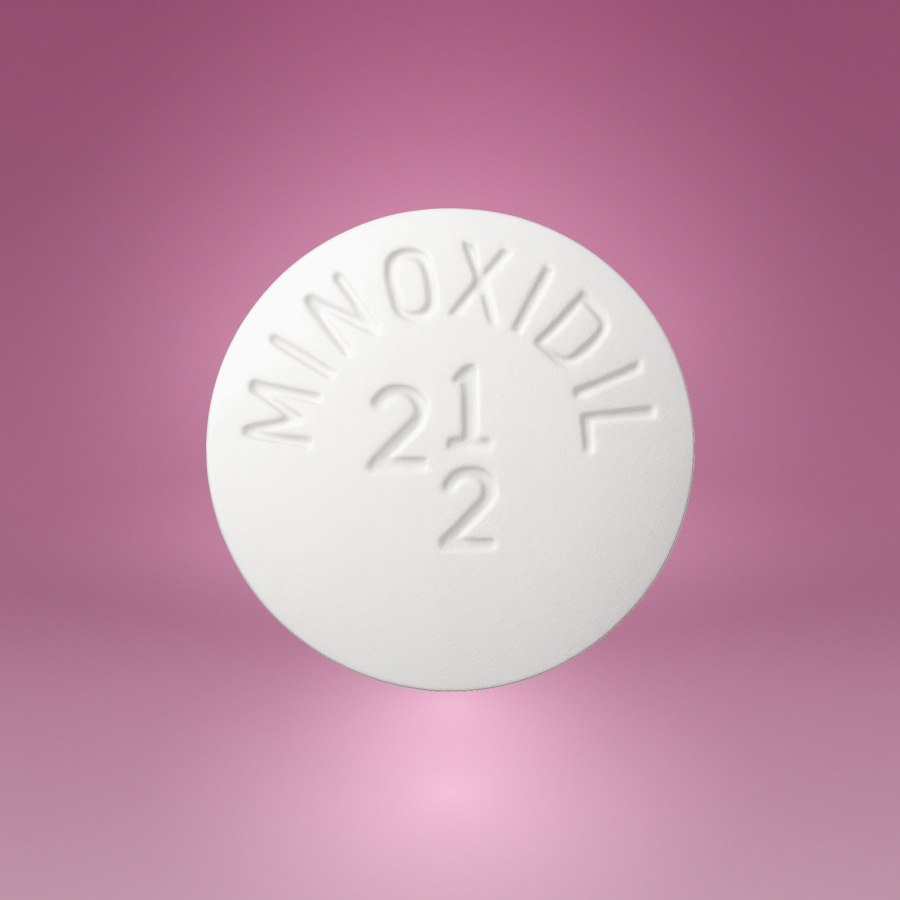
This once-daily pill stimulates hair regrowth by boosting blood flow to hair follicles without altering your hormone balance.
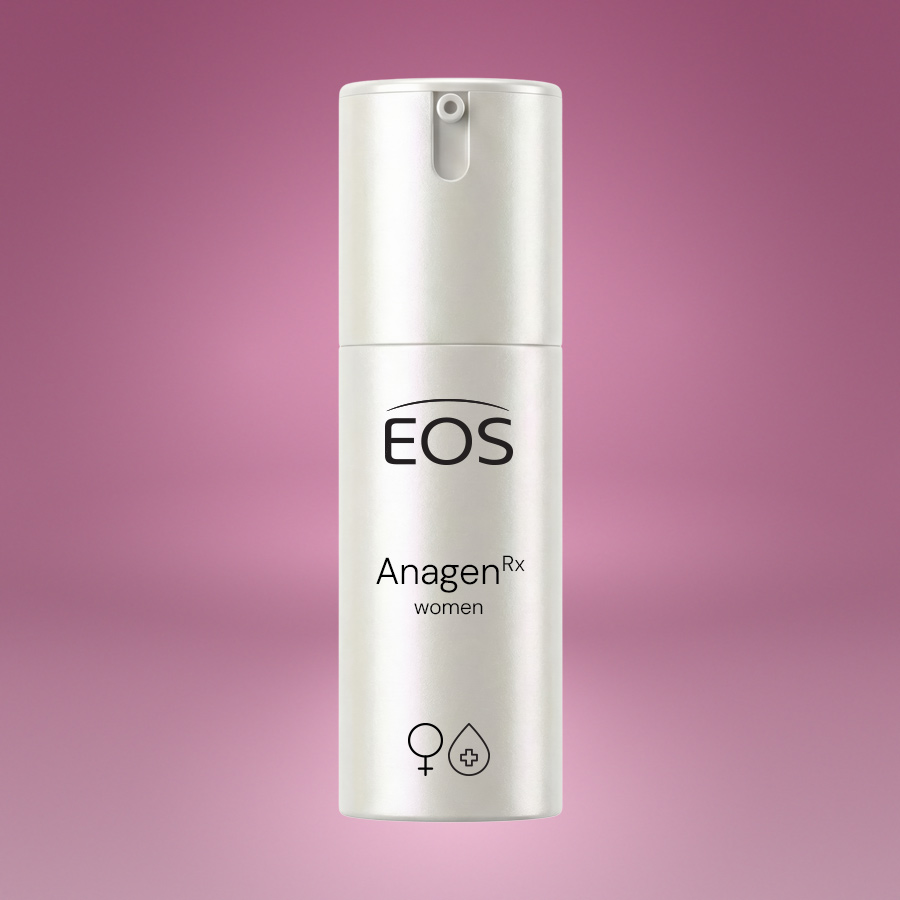
A topical minoxidil-based spray to help slow hair loss and promote regrowth. Results typically visible in 4–6 months.
Answer a few questions about your health history, lifestyle, and goals.
A licensed physician will review your medical history and determine if you are a candidate for treatment.
If prescribed, your medication is shipped discreetly to your door at no extra cost.
Our care team is available to support you and answer questions throughout your treatment.
If your question isn't here, your clinician will cover it during your free consultation.
Low-dose oral minoxidil has a well-documented safety profile in women when prescribed and monitored by a clinician. The most common side effect is increased hair growth on the face or body, and some women experience mild fluid retention. Your clinician will start you at a low dose and monitor your response.
Female pattern hair loss involves androgens acting on the hair follicle, gradually shrinking it so each new hair grows finer and shorter. Spironolactone blocks androgen receptors, which reduces that hormonal pressure. It does not stimulate the follicle directly — that is what minoxidil does — which is why the two are usually prescribed together. Spironolactone is a once-daily tablet, and your clinician decides whether it fits your pattern of loss.
Some increase in fine hair on the face or body (hypertrichosis) is the most common side effect in women, and it's dose-related. It's usually manageable and reverses if the medication is stopped. Your clinician can adjust your dose to balance scalp regrowth against this effect.
In most cases, yes. The two address different halves of the problem: minoxidil stimulates follicles and extends the growth phase, while spironolactone reduces the androgen signal that is shrinking them. Spironolactone is generally prescribed as an add-on to topical or oral minoxidil rather than as a replacement. If minoxidil is not an option for you, your clinician will discuss what makes sense on its own.
Most women see reduced shedding within 2–3 months and visible improvement in density between 3 and 6 months. Results build gradually with consistent daily use, so give it at least 6 months before judging the outcome.
No. Spironolactone tablets are FDA-approved, but for high blood pressure, heart failure, certain kinds of fluid retention, and primary hyperaldosteronism — not for hair loss. Using it for female pattern hair loss is off-label: the medication is approved, the specific use is not. Off-label prescribing is common and legal, and dermatologists have used spironolactone this way for decades, though the evidence base in hair loss is smaller than it is for acne. We state it plainly so you know what you are taking.
Health Articles
Complete a quick intake — a U.S. licensed clinician will review your case and prescribe AnagenRx or oral minoxidil, tailored to your hair loss pattern.
Get Started


