What Are Free Radicals and Oxidative Stress?
Discover how free radicals form and how oxidative stress impacts cellular health. Learn how antioxidant defense systems support balanced, healthy aging.
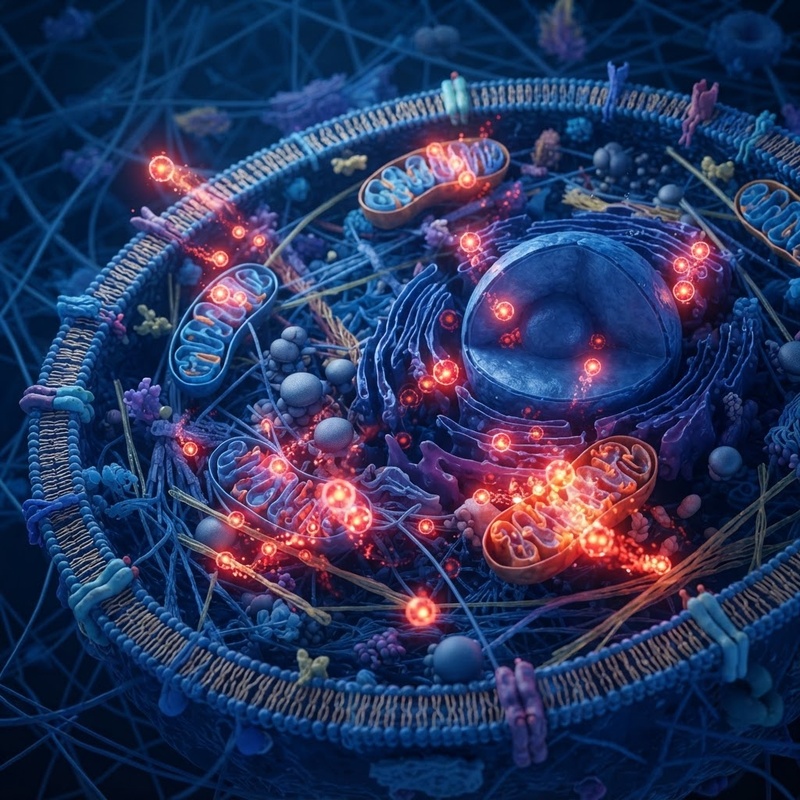
In the study of modern biochemistry and longevity science, few concepts are as fundamental as free radicals and oxidative stress. These terms frequently appear in medical literature, health discussions, and nutritional science.
In the study of modern biochemistry and longevity science, few concepts are as fundamental as free radicals and oxidative stress. These terms frequently appear in medical literature, health discussions, and nutritional science. However, understanding what free radicals actually are at a molecular level—and why the body maintains a dynamic balance between oxidative activity and antioxidant defense—is crucial for making informed decisions about healthy aging and cellular wellness.
At EOS Health, our clinical team believes that genuine health education begins with foundational science explained clearly. Rather than viewing free radicals merely as cellular villains or promoting exaggerated remedies, a scientific approach recognizes that oxidative molecules play essential biological roles, including cellular signaling and immune defense. In this comprehensive guide, we explore the atomic chemistry of free radicals, where they originate in human biology, how chronic oxidative stress develops, and how the body's sophisticated defense systems work to maintain balance.
The Chemistry of Free Radicals: Unpaired Electrons and Reactive Molecules
To understand free radicals, we must examine basic atomic structure. In stable chemical compounds, electrons orbit atomic nuclei in pairs within defined atomic orbitals. A free radical is defined as any atom or molecule that possesses one or more unpaired electrons in its outermost valence shell. This unpaired state renders the molecule chemically unstable and highly reactive toward surrounding biological structures.
The Search for Electron Stability and Oxidation Cascades
Because unpaired electrons are energetically unfavorable, a free radical will rapidly seek out adjacent molecules to steal an electron, a chemical process known as oxidation. When a free radical steals an electron from a nearby cell membrane lipid, structural protein, or nucleic acid strand, it stabilizes itself but transforms the donor molecule into a new free radical. This initiates a self-propagating chemical chain reaction capable of altering cell structures if not interrupted by specialized antioxidant molecules.
For example, in cell membranes, free radicals attack polyunsaturated fatty acids, initiating a cascade known as lipid peroxidation. This process destabilizes membrane fluidity, impairs transmembrane transport proteins, and generates toxic secondary byproducts such as malondialdehyde (MDA) and 4-hydroxynonenal (4-HNE), which can diffuse throughout the cell to modify intracellular proteins.
Reactive Oxygen and Nitrogen Species (ROS/RNS) Mechanics
In human physiology, the most prevalent free radicals are reactive oxygen species (ROS) and reactive nitrogen species (RNS). Prominent examples include the superoxide radical (O2•-), hydroxyl radical (•OH), peroxyl radical (ROO•), and nitric oxide (NO•). Additionally, non-radical oxidative agents like hydrogen peroxide (H2O2) and hypochlorous acid (HOCl) are classified alongside ROS because they readily generate reactive radical species through secondary chemical reactions, such as the iron-catalyzed Fenton reaction.
Singlet Oxygen and Peroxynitrite Dynamics
Another important reactive oxygen species is singlet oxygen (1O2), an energetically excited form of molecular oxygen generated when UV light interacts with cellular photosensitizers. In vascular tissues, when superoxide radicals react with nitric oxide, they form peroxynitrite (ONOO-), a potent non-radical oxidant that damages vascular proteins and depletes tetrahydrobiopterin (BH4), compromising normal endothelial function.
Endogenous vs. Environmental Sources of Free Radicals
Free radicals originate from both internal metabolic processes and external environmental exposures. Understanding both source categories provides a complete picture of the daily oxidative burden placed on human tissues and cellular maintenance machinery.
Endogenous Sources: The Metabolic Cost of Energy Production
The primary internal source of free radicals is cellular respiration occurring within mitochondria. Mitochondria generate adenosine triphosphate (ATP)—the cell's principal energy currency—through the electron transport chain located along the inner mitochondrial membrane. During normal oxidative phosphorylation, electrons flow through complexes I, II, III, and IV. However, a small percentage of electrons leak prematurely (particularly from Complexes I and III) and react directly with molecular oxygen, generating superoxide radicals. Under baseline physiological conditions, approximately 1% to 2% of oxygen consumed by human cells is converted into reactive oxygen species.
Other endogenous sources include activated immune cells (macrophages and neutrophils), which intentionally generate a localized burst of ROS—a process termed oxidative burst—utilizing the NADPH oxidase enzyme system to destroy invading bacterial and viral pathogens. Enzymatic pathways such as cytochrome P450 detoxification enzymes in the liver and xanthine oxidase in vascular endothelial tissues also produce reactive oxidants as standard metabolic byproducts.
Exogenous Sources: Environmental Exposures and Lifestyle Inputs
External factors can significantly increase the body's total oxidative load. Prominent exogenous sources include solar ultraviolet (UV) radiation (which generates singlet oxygen and hydroxyl radicals in epidermal layers), atmospheric ozone, industrial air pollutants, cigarette smoke, heavy metals (such as lead, cadmium, and mercury), pesticides, and certain therapeutic medications. Furthermore, dietary factors such as advanced glycation end-products (AGEs) formed during high-heat cooking can promote systemic oxidative cascades once absorbed into circulation.
Understanding Oxidative Stress: When Production Exceeds Defense
Oxidative stress is defined as a physiological imbalance between the production of reactive oxygen species and the biological system's ability to readily neutralize the reactive intermediates or repair the resulting molecular damage. It is essential to recognize that low levels of ROS are not harmful; in fact, physiological ROS concentrations serve as critical second messengers in cell signaling, regulating gene expression, vascular tone, and immune responses—a beneficial phenomenon known as physiological eustress or mitohormesis.
The Transition to Chronic Oxidative Distress
When oxidative inputs overwhelm cellular antioxidant capacity—whether due to excessive environmental exposure, metabolic strain, nutrient deficiencies, or age-associated enzyme decline—the system enters a state of oxidative distress. Under these conditions, uncontrolled oxidation damages three key classes of biological macromolecules:
- Lipids: Oxidation of polyunsaturated fatty acids in cell membrane phospholipids disrupts membrane fluidity, selective permeability, and receptor protein function.
- Proteins: Oxidation of amino acid residues (such as cysteine and methionine) causes protein misfolding, structural cross-linking, loss of enzymatic activity, and altered cellular signaling.
- Nucleic Acids: ROS can react directly with DNA bases (forming mutagenic lesions like 8-hydroxy-2'-deoxyguanosine) and induce single- or double-strand DNA breaks, challenging genomic stability and requiring continuous enzymatic repair.
The Body's Multi-Layered Antioxidant Defense System
To defend against excessive oxidative damage, human physiology has evolved a multi-tiered antioxidant defense network comprising both endogenous enzymatic machinery and non-enzymatic antioxidant molecules.
Primary Enzymatic Antioxidants
The cell's first line of enzymatic defense includes three specialized enzyme systems working in coordinated sequence:
- Superoxide Dismutase (SOD): SOD enzymes rapidly convert toxic superoxide radicals into oxygen and hydrogen peroxide. Human cells express three distinct SOD isoforms: cytosolic copper/zinc-SOD (SOD1), mitochondrial manganese-SOD (SOD2), and extracellular SOD (SOD3).
- Catalase (CAT): Located primarily within peroxisomes, catalase converts hydrogen peroxide into water and molecular oxygen at extremely high catalytic rates, protecting cells during high oxidative stress.
- Glutathione Peroxidase (GPx): A family of selenium-dependent enzymes located in the cytoplasm and mitochondria that reduce hydrogen peroxide and lipid hydroperoxides to water and harmless alcohols, utilizing reduced glutathione (GSH) as a required electron donor substrate.
Non-Enzymatic Antioxidant Network and Recycling Cascades
Working alongside enzymatic defenses are small non-enzymatic molecules that directly scavenge free radicals and donate electrons. Endogenous examples include glutathione (the primary intracellular tripeptide), coenzyme Q10 (ubiquinol), melatonin, and uric acid. Exogenous non-enzymatic antioxidants acquired through diet include vitamin C (ascorbic acid, a water-soluble scavenger), vitamin E (alpha-tocopherol, a fat-soluble membrane protector), carotenoids (such as beta-carotene, lutein, and lycopene), and plant polyphenols.
Crucially, these non-enzymatic antioxidants operate in a coordinated regeneration cascade: when fat-soluble vitamin E neutralizes a lipid peroxyl radical in a cell membrane, it becomes oxidized; water-soluble vitamin C then donates an electron to regenerate vitamin E back to its active state; intracellular glutathione subsequently donates an electron to regenerate vitamin C; and finally, NADPH produced by pentose phosphate pathway enzymes regenerates oxidized glutathione (GSSG) back to GSH. This recycling cycle illustrates the profound interdependency of cellular antioxidant networks.
The Nrf2 Pathway: The Master Redox Switch
At the genetic level, cells monitor oxidative stress through a transcription factor called Nuclear Factor Erythroid 2-Related Factor 2 (Nrf2). Under resting physiological conditions, Nrf2 is bound in the cytoplasm by a sensor protein called Keap1, which marks Nrf2 for continuous degradation. When oxidative stress increases, reactive oxidants modify cysteine residues on Keap1, releasing Nrf2. Once liberated, Nrf2 translocates to the cell nucleus, where it binds to Antioxidant Response Elements (ARE) in DNA, upregulating the transcription of dozens of protective antioxidant and phase II detoxification enzymes.
Why Redox Balance Matters for Healthy Aging and Cellular Resilience
In longevity research, maintaining redox homeostasis—a state of balance between necessary oxidative signaling and protective antioxidant defense—is recognized as a pillar of cellular health. Chronic, unmitigated oxidative stress accelerates cellular senescence, compromises mitochondrial efficiency, damages vascular endothelial linings, and promotes systemic low-grade inflammation (sometimes referred to as "inflammaging").
Evidence-Based Strategies to Support Redox Balance
Supporting the body's natural redox balance involves a comprehensive lifestyle approach focused on reducing unnecessary external oxidative stressors while providing essential raw material substrates for endogenous antioxidant systems:
- Nutrient-Dense Dietary Patterns: Consuming colorful fruits, vegetables, legumes, nuts, and seeds supplies a diverse array of dietary polyphenols, carotenoids, and essential mineral cofactors (zinc, copper, manganese, selenium) required for SOD and GPx enzyme function.
- Regular Physical Activity: Moderate aerobic and resistance exercise induces transient, beneficial spikes in ROS that stimulate Nrf2 activation, effectively training cells to produce higher baseline levels of endogenous SOD and glutathione.
- Prioritizing Sleep and Stress Management: Quality slow-wave sleep supports cellular repair mechanisms, while managing psychological stress reduces stress-hormone-mediated oxidative load.
- Avoiding Exogenous Oxidants: Minimizing exposure to tobacco smoke, excessive alcohol, environmental toxins, and unshielded UV radiation protects cellular machinery from excessive oxidative burden.
Integrating Science-Backed Cellular Strategies
Research indicates that free radicals and oxidative stress are natural components of human cellular biology. By focusing on fundamental lifestyle habits, balanced nutrition, and evidence-based care, individuals can support their body's endogenous antioxidant systems and promote long-term cellular resilience.
At EOS Health, our clinical team provides personalized, science-based guidance to help you navigate your cellular health journey safely and effectively.
Free Radical
An atom or molecule containing one or more unpaired electrons in its outer shell, rendering it highly reactive toward cellular structures.
Oxidative Stress
An imbalance between the cellular accumulation of reactive oxygen species and the capacity of antioxidant systems to neutralize them.
Reactive Oxygen Species (ROS)
A collective term for chemically reactive molecules derived from oxygen, including superoxide, hydroxyl radicals, and hydrogen peroxide.
Superoxide Dismutase (SOD)
An essential endogenous antioxidant enzyme that catalyzes the breakdown of toxic superoxide radicals into hydrogen peroxide and oxygen.
Nrf2 Pathway
A master transcription factor that regulates the cellular antioxidant response by activating gene expression for protective enzymes when oxidative load rises.
Sources
faq
Common questions, answered.
What is a free radical in simple terms?
A free radical is an unstable atom or molecule that possesses an unpaired electron. To gain stability, it rapidly steals an electron from nearby cellular components, causing oxidation.
Are all free radicals harmful to human health?
No. Low concentrations of free radicals serve essential biological functions, including acting as cellular signaling molecules, regulating vascular tone, and aiding immune defense against microbes.
What is the main difference between free radicals and oxidative stress?
Free radicals are the individual unstable molecules, while oxidative stress is the state of metabolic imbalance that occurs when free radical production exceeds the body's antioxidant defenses.
Where do free radicals come from inside the human body?
The primary internal source is normal mitochondrial energy production (cellular respiration). Immune responses, enzyme activities, and metabolic breakdown processes also naturally produce free radicals.
How do primary antioxidant enzymes like SOD work?
Superoxide Dismutase (SOD) rapidly converts toxic superoxide free radicals into hydrogen peroxide, which is then broken down into water and oxygen by Catalase and Glutathione Peroxidase enzymes.
Can high-dose single antioxidant supplements prevent oxidative stress?
Research suggests that mega-dosing isolated antioxidants can sometimes backfire by dampening beneficial signaling (antioxidant paradox). Supporting the body's own enzymatic systems through diet and exercise is generally recommended.
How does physical exercise help reduce long-term oxidative stress?
Exercise generates mild, short-term oxidative signals that activate the cell's Nrf2 gene pathway, prompting body cells to produce higher natural levels of endogenous protective enzymes.
What lifestyle habits cause the highest exposure to exogenous free radicals?
Smoking tobacco, prolonged unshielded UV sun exposure, high alcohol intake, breathing heavily polluted air, and consuming food cooked at extreme heat promote external oxidative load.
Invest in the years ahead.™
Start free consultationwhat are you waiting for?
You're one click away from a new you.
Fill out our brief form and a licensed physician will evaluate which treatment plan is best for you.