Can You Support Glutathione Through Food and Lifestyle?
Learn how to support glutathione through food and lifestyle choices, including sulfur-rich vegetables, exercise, sleep, and targeted clinical options.
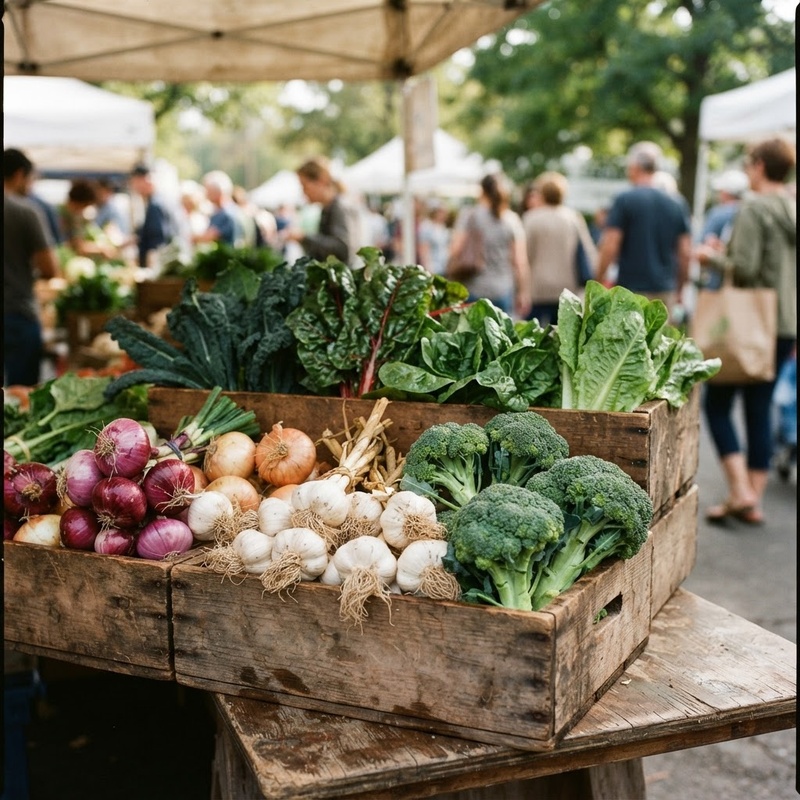
When exploring strategies to promote cellular health and longevity, a fundamental question frequently arises: can everyday dietary choices and lifestyle habits meaningfully support the body's internal antioxidant systems? Glutathione, a tripeptide composed of glutamate, cysteine, and glycine, stands at the center of cellular defense, working continuously to neutralize reactive oxygen species and facilitate Phase II liver detoxification.
When exploring strategies to promote cellular health and longevity, a fundamental question frequently arises: can everyday dietary choices and lifestyle habits meaningfully support the body's internal antioxidant systems? Glutathione, a tripeptide composed of glutamate, cysteine, and glycine, stands at the center of cellular defense, working continuously to neutralize reactive oxygen species and facilitate Phase II liver detoxification.
While direct oral ingestion of whole glutathione molecules yields variable results due to intestinal enzymatic degradation, scientific research clearly demonstrates that targeted nutrition, regular physical activity, and restorative sleep can significantly influence endogenous glutathione synthesis and enzymatic recycling. Establishing strong foundational habits provides the cellular machinery with necessary building blocks and catalytic cofactors. Understanding what food and lifestyle can accomplish—as well as their inherent physiological limits—helps clarify where routine habits end and where targeted clinical guidance enters the conversation.
Dietary Precursors and Sulfur-Rich Foods
The human body synthesizes glutathione intracellularly through a two-step enzymatic pathway. Because cysteine contains a sulfur-bearing thiol group and is present in relatively lower quantities in standard diets, cysteine availability represents the primary rate-limiting factor in endogenous glutathione production. Consequently, consuming foods rich in organic sulfur compounds and bioavailable cysteine directly fuels synthesis pathways.
Cruciferous Vegetables and Organosulfur Compounds
Vegetables belonging to the Brassicaceae family—including broccoli, Brussels sprouts, cabbage, cauliflower, and kale—are exceptional sources of glucosinolates, sulfur-rich phytochemicals that break down into biologically active isothiocyanates such as sulforaphane. Research indicates that sulforaphane acts as a potent activator of Nuclear Factor Erythroid 2-Related Factor 2 (Nrf2), a master genetic transcription factor that upregulates the expression of glutamate-cysteine ligase (GCL), the primary enzyme responsible for assembling glutathione.
Organosulfur Chemistry: Glucosinolates and Myrosinase Activity
The conversion of precursor glucosinolates into active sulforaphane requires the plant enzyme myrosinase, which is released when cell walls are broken by chopping, chewing, or light blending. Prolonged high-temperature cooking can denature heat-sensitive myrosinase; therefore, culinary practices such as light steaming or pairing cooked cruciferous dishes with raw myrosinase sources (such as mustard seed powder or fresh radish sprouts) optimize the generation of sulforaphane and maximize cellular Nrf2 activation.
Allium Vegetables and Cysteine-Rich Proteins
Members of the Allium genus—such as garlic, onions, shallots, and leeks—contain abundant organosulfur compounds, including allicin, diallyl disulfide, and S-allylcysteine. These bio-active molecules support hepatic detoxification systems and provide readily usable sulfur building blocks. Additionally, dietary protein sources rich in sulfur amino acids—such as high-quality whey protein isolate, poultry, eggs, and legumes—supply essential cysteine and glycine required for tripeptide assembly.
The Transsulfuration Pathway and Endogenous Cysteine Production
In addition to direct dietary intake, cells generate internal cysteine through the transsulfuration pathway. In this metabolic cascade, the essential amino acid methionine is converted into S-adenosylmethionine (SAMe) and subsequently into homocysteine. The enzyme cystathionine beta-synthase then combines homocysteine with serine to yield cystathionine, which is cleaved into cysteine. Adequate dietary methionine and functional transsulfuration enzymes provide a continuous internal pipeline of cysteine for glutathione synthesis.
Essential Micronutrient Cofactors in Glutathione Cycling
Synthesizing glutathione is only half of the biological equation; maintaining an active pool of reduced glutathione (GSH) requires a network of enzymatic reactions that depend on key dietary micronutrients. Without adequate cofactor availability, cellular glutathione recycling can become sluggish, allowing oxidized GSSG to accumulate.
- Selenium: The essential trace element selenium forms an integral component of the enzyme glutathione peroxidase. This enzyme utilizes GSH to neutralize harmful hydrogen peroxide and lipid hydroperoxides. Dietary sources rich in selenium include Brazil nuts, seafood, and organ meats.
- Zinc: Zinc plays a critical structural and catalytic role in maintaining intracellular antioxidant enzyme activity and protecting cell membrane thiol groups from spontaneous oxidation.
- B-Complex Vitamins (B6, B12, and Folate): B-vitamins support transsulfuration pathways, which convert homocysteine into cysteine. Vitamin B6 serves as an essential cofactor for cystathionine beta-synthase; adequate status ensures a steady internal supply of cysteine for glutathione assembly.
- Vitamins C and E: Ascorbic acid (vitamin C) works in close synergy with glutathione, directly donating electrons to regenerate oxidized GSH back to its active reduced state, sparing glutathione stores during periods of oxidative challenge.
- Riboflavin (Vitamin B2): Riboflavin serves as the precursor to flavin adenine dinucleotide (FAD), an essential coenzyme for glutathione reductase, the enzyme that converts oxidized GSSG back to functional reduced GSH.
- Alpha-Lipoic Acid (ALA): Found in spinach, broccoli, and organ meats, ALA acts as a versatile antioxidant that directly regenerates reduced glutathione, vitamin C, and vitamin E within both lipid and aqueous cellular environments.
Magnesium and ATP-Dependent Synthesis Steps
Both enzymatic steps in glutathione synthesis—the ligation of glutamate to cysteine by GCL and the subsequent addition of glycine by glutathione synthetase—strictly require adenosine triphosphate (ATP) bound to magnesium ions (Mg-ATP). Sub-optimal intracellular magnesium status can impair enzyme kinetics, reducing the efficiency of glutathione assembly even when precursor amino acids are abundantly available in the diet.
Physical Activity, Sleep Hygiene, and the Nrf2 Pathway
Beyond dietary intake, regular lifestyle practices exert a profound regulatory effect on antioxidant gene expression and cellular repair mechanisms.
Exercise Modulation of Antioxidant Enzymes
Engaging in moderate aerobic exercise and structured resistance training induces a mild, transient increase in localized reactive oxygen species within muscle tissue. Far from being harmful, this acute physiological signal triggers a positive cellular adaptation known as hormesis. The brief oxidative pulse activates the Nrf2 signaling pathway, prompting cells to synthesize higher baseline levels of endogenous glutathione and associated antioxidant enzymes. Over time, regular physical activity enhances overall cellular resilience.
Exercise Protocols and Recovery Balance
To maximize antioxidant upregulation without causing excessive cellular fatigue, clinical research highlights the importance of balancing exertion with adequate recovery. Moderate exercise routines—such as 150 minutes of aerobic activity combined with two days of resistance training weekly—consistently stimulate Nrf2 activation. Over-training without adequate rest, conversely, can acutely drain tissue glutathione pools faster than resynthesis occurs.
Restorative Sleep and Circadian Regulation
Quality sleep is essential for maintaining optimal enzymatic activity. Research demonstrates that glutathione synthesis follows a circadian rhythm synchronized with master clock genes. Deep non-REM sleep provides an optimal anabolic window during which cellular repair processes peak and GCL enzyme expression is upregulated. Conversely, chronic sleep disruption impairs synthetic kinetics and elevates baseline oxidative strain.
Melatonin as an Antioxidant Synergist
During nocturnal sleep cycles, pineal gland secretion of melatonin reaches its diurnal peak. Melatonin acts not only as a direct lipophilic free radical scavenger but also as a powerful signaling molecule that stimulates gene expression for glutathione peroxidase and superoxide dismutase, compounding the restorative benefits of nightly rest.
Understanding the Physiological Limits of Lifestyle Alone
While foundational diet and lifestyle habits are indispensable for overall health, it is important to recognize their natural limitations. Factors such as chronic environmental exposures, significant metabolic stress, genetic polymorphisms in GST enzymes (such as GSTM1 or GSTT1 deletion variants), or the natural process of chronological aging can increase glutathione demand beyond what dietary precursors alone can comfortably supply.
For example, as individuals age, the baseline activity of glutamate-cysteine ligase gradually decreases due to reduced Nrf2 responsiveness. In such scenarios, relying solely on dietary sulfur or lifestyle adjustments may yield modest changes in systemic glutathione status. Recognizing these boundaries helps individuals appreciate when specialized, clinician-guided support may offer valuable complementary benefit.
Genetic Polymorphisms and Individual Variation
Genogenous variations in glutathione S-transferase genes—specifically GSTM1-null and GSTT1-null genotypes present in significant portions of the population—alter individual Phase II conjugation efficiency. Individuals carrying these genetic variants may experience higher baseline oxidative strain from environmental exposures, making personalized clinical assessment particularly valuable when establishing cellular health protocols.
Integrating Foundational Habits With Clinician Guidance
When lifestyle efforts are coupled with professional medical advice, individuals can navigate cellular health options safely and effectively. Licensed healthcare clinicians can evaluate systemic markers, discuss personalized goals, and determine whether targeted administration options—such as compounded glutathione formulations or precursor therapies—are appropriate.
Clinician consultations provide an opportunity to review dietary logs, assess environmental stress factors, and review relevant health history. By evaluating the complete health picture, clinicians help design comprehensive protocols that seamlessly combine nutritional foundations with targeted therapeutic interventions.
A multi-disciplinary assessment allows for structured follow-up, ensuring that dietary modifications and clinician-directed protocols work in harmony. This holistic framework supports long-term metabolic health while keeping patient safety at the center of care. Emphasizing sustainable daily routines alongside professional oversight ensures that cellular health goals are met safely and effectively.
It is worth noting that compounded formulations are tailored to individual clinical prescriptions by licensed compounding pharmacies; they are not FDA-approved drugs. A thoughtful clinical consultation ensures that any advanced protocol complements foundational dietary and lifestyle practices in a balanced, evidence-informed manner.
Summary and Practical Guidance
Supporting glutathione pathways begins on the plate and in daily routines. By prioritizing sulfur-rich vegetables, adequate protein, essential cofactor minerals, regular movement, and restorative sleep, individuals build a strong cellular foundation. Partnering with a licensed clinician allows for personalized refinements that keep cellular defenses resilient over time.
Ready to explore whether glutathione support is right for you? Complete a short online intake at EOS Health.
Sulforaphane
An organosulfur compound derived from cruciferous vegetables that potently activates the Nrf2 pathway to stimulate internal glutathione production.
Glutathione Peroxidase
A selenium-dependent antioxidant enzyme that uses reduced glutathione to convert toxic hydrogen peroxide into harmless water molecules.
Cysteine
A sulfur-containing amino acid that serves as the rate-limiting building block for intracellular glutathione synthesis.
Hormesis
A biological phenomenon where exposure to a mild, temporary stressor (like exercise) triggers adaptive cellular mechanisms that enhance overall resilience.
N-Acetylcysteine (NAC)
A stable form of the amino acid cysteine used as a dietary precursor to support endogenous glutathione synthesis within cells.
Sources
faq
Common questions, answered.
Which foods contain the highest amounts of glutathione building blocks?
Cruciferous vegetables (broccoli, Brussels sprouts, cabbage) and Allium vegetables (garlic, onions) supply sulfur compounds, while whey protein and eggs provide cysteine and glycine.
Does eating cooked vegetables reduce sulfur compound benefits?
Light steaming preserves active enzymes and organosulfur compounds, whereas prolonged boiling can degrade heat-sensitive precursors; raw or lightly prepared vegetables are ideal.
How does exercise increase internal glutathione levels?
Exercise generates a brief, mild pulse of reactive oxygen species that activates the Nrf2 genetic pathway, signaling cells to produce higher baseline levels of internal glutathione.
What vitamins help recycle glutathione in the body?
Vitamins C and E directly accept electrons from oxidized glutathione, while B-complex vitamins (B6, B12, folate) support the transsulfuration pathway that creates cysteine.
Why is selenium necessary for glutathione function?
Selenium is a critical structural component of the enzyme glutathione peroxidase, which uses reduced glutathione to neutralize harmful peroxides inside cells.
Can diet alone fully restore low glutathione in older adults?
While diet provides essential building blocks, age-related enzyme declines may limit maximum synthetic capacity, leading some individuals to explore clinician-guided options alongside diet.
How does sleep impact dietary glutathione synthesis?
Deep sleep provides the anabolic state and circadian timing needed for optimal enzyme expression and amino acid incorporation into new glutathione molecules.
Is N-acetylcysteine (NAC) beneficial in food or supplement form?
NAC provides bioavailable cysteine that acts as a direct precursor for glutathione assembly, making it a widely researched dietary strategy for supporting antioxidant stores.
Invest in the years ahead.™
Start free consultationwhat are you waiting for?
You're one click away from a new you.
Fill out our brief form and a licensed physician will evaluate which treatment plan is best for you.