NAD+ vs. Glutathione: What's the Difference?
Compare NAD+ vs glutathione to understand their unique roles in cellular energy and antioxidant defense, and how clinicians evaluate dual support plans.
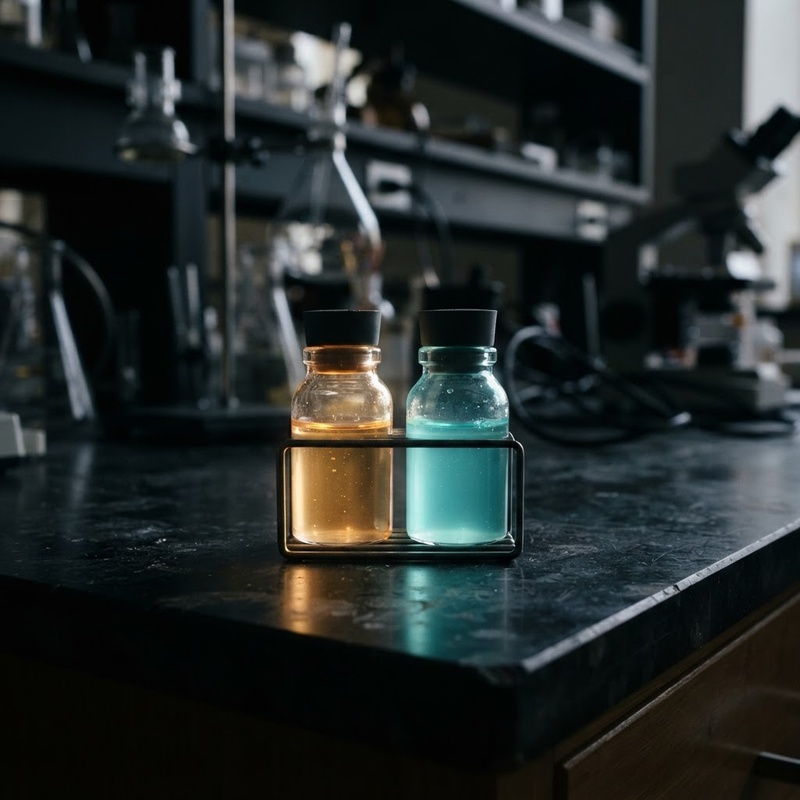
In the evolving landscape of cellular biology and healthy aging research, two fundamental molecules consistently occupy center stage: Nicotinamide Adenine Dinucleotide (NAD+) and glutathione. Both compounds are abundant in human cells, both undergo age-related declines in baseline concentration, and both are critical for preserving systemic vitality.
In the evolving landscape of cellular biology and healthy aging research, two fundamental molecules consistently occupy center stage: Nicotinamide Adenine Dinucleotide (NAD+) and glutathione. Both compounds are abundant in human cells, both undergo age-related declines in baseline concentration, and both are critical for preserving systemic vitality. However, despite sharing a broad association with cellular wellness, NAD+ and glutathione fulfill distinctly different biochemical roles within human physiology.
NAD+ functions primarily as an essential metabolic coenzyme that powers cellular energy production, mitochondrial respiration, and enzymatic DNA repair. Glutathione, by contrast, acts as the body's primary endogenous tripeptide antioxidant, dedicated to neutralizing free radicals, recycling other antioxidants, and facilitating Phase II hepatic detoxification. Understanding the key differences, physiological mechanisms, and complementary interactions between NAD+ and glutathione empowers individuals to navigate longevity concepts with clarity and clinical insight.
Deep Dive into NAD+: The Primary Coenzyme for Cellular Energy
Nicotinamide Adenine Dinucleotide (NAD+) is a vital dinucleotide coenzyme found in every living cell. Existing in two interconvertible states—oxidized NAD+ and reduced NADH—it serves as a primary electron carrier in central metabolic pathways, including glycolysis, the tricarboxylic acid (TCA) cycle, and mitochondrial oxidative phosphorylation.
Mitochondrial ATP Generation
During cellular respiration, NAD+ accepts high-energy electrons generated from nutrient breakdown, transforming into NADH. NADH subsequently shuttles these electrons to the mitochondrial electron transport chain, driving the enzymatic production of adenosine triphosphate (ATP)—the universal energy currency of human cells. Without adequate NAD+ availability, cellular energy conversion slows, impacting tissue function across metabolic organs.
Sirtuin Activation and Cellular Repair
Beyond its metabolic coenzyme role, NAD+ acts as a critical signaling substrate for key enzyme families, most notably sirtuins (SIRT1–SIRT7) and poly(ADP-ribose) polymerases (PARPs). Sirtuins are NAD+-dependent deacetylase enzymes involved in regulating gene expression, chromatin structure, mitochondrial biogenesis, and cellular stress responses. PARP enzymes consume NAD+ to facilitate the repair of single-strand DNA breaks. Because these enzymes consume NAD+ during their catalytic cycles, maintaining adequate intracellular NAD+ availability is essential for ongoing cellular maintenance.
NAD+ Biosynthetic Pathways: De Novo and Salvage
Cells maintain NAD+ pools through three primary biosynthetic pathways: the de novo pathway from the essential amino acid tryptophan, the Preiss-Handler pathway utilizing dietary nicotinic acid, and the dominant salvage pathway recycling nicotinamide (NAM) back into NAD+ via the rate-limiting enzyme nicotinamide phosphoribosyltransferase (NAMPT). Age-related declines in NAMPT expression contribute significantly to reduced intracellular NAD+ levels over time.
The CD38 Glycohydrolase Enzyme and NAD+ Consumption
In addition to sirtuins and PARPs, a transmembrane enzyme called CD38 acts as a major consumer of intracellular NAD+. CD38 expression naturally increases with advancing age and in response to persistent inflammatory signaling. Rising CD38 activity accelerates the breakdown of NAD+ into nicotinamide and ADP-ribose, further draining cellular NAD+ pools in aging tissues.
Deep Dive into Glutathione: The Master Antioxidant and Detoxifier
While NAD+ drives metabolic energy conversion and repair signaling, glutathione operates as the primary shield protecting cellular structures from the corrosive byproducts of that very energy generation. Chemically structured as a tripeptide of glutamate, cysteine, and glycine, glutathione is synthesized in the cytoplasm and actively distributed to mitochondria, nuclei, and extracellular fluids.
Direct Neutralization of Reactive Oxygen Species
Mitochondrial ATP production naturally generates reactive oxygen species (ROS), such as superoxide and hydrogen peroxide. Glutathione directly scavenges these reactive molecules, utilizing its reactive cysteine thiol (-SH) group to donate reducing equivalents and neutralize free radicals before they can damage cell membranes, functional enzymes, or genomic DNA.
Phase II Hepatic Detoxification
In addition to its antioxidant role, glutathione is essential for hepatic detoxification. Specialized glutathione S-transferase (GST) enzymes attach reduced glutathione to lipid-soluble environmental toxins, heavy metals, and drug metabolites, converting them into water-soluble compounds for safe renal or biliary excretion. This unique conjugation role is distinct to glutathione and is not shared by NAD+.
Enzymatic Recycling and Vitamin Regeneration Cascade
Unlike consumed substrates, glutathione functions within a continuous recycling system. Once reduced GSH donates electrons to neutralize ROS, it forms oxidized GSSG. The enzyme glutathione reductase rapidly converts GSSG back to active GSH. Furthermore, glutathione regenerates oxidized vitamin C and vitamin E, maintaining broad systemic antioxidant capacity.
How NAD+ and Glutathione Work Synergistically
Rather than functioning in isolation, NAD+ and glutathione operate in a tightly coordinated physiological partnership. Their complementary mechanisms ensure that cellular energy production can proceed efficiently without causing excessive self-directed oxidative strain.
Consider the interplay during mitochondrial metabolism: as NAD+ fuels the electron transport chain to generate ATP, localized ROS production increases. Glutathione immediately buffers this oxidative pulse, protecting mitochondrial membranes and preserving membrane potential. Furthermore, the enzymatic conversion of oxidized glutathione (GSSG) back to its active reduced state (GSH) relies on NADPH—a reduced phosphate derivative of NAD+. Thus, maintaining healthy NAD+ pathways indirectly supports the enzymatic recycling of glutathione itself.
The Pentose Phosphate Pathway and NADPH Regeneration
The biochemical link between NAD+ derivatives and glutathione recycling occurs primarily within the pentose phosphate pathway (PPP). Glucose-6-phosphate dehydrogenase (G6PD) utilizes NADP+ to produce NADPH. Glutathione reductase then consumes NADPH to donate electrons to GSSG, restoring GSH. This metabolic coupling illustrates how cellular energy status directly supports cellular antioxidant capacity.
Sirtuin Regulation of Glutathione Synthetic Enzymes
Emerging molecular research shows that SIRT1, an NAD+-dependent sirtuin enzyme, de-acetylates and activates the transcription factor Nrf2. Activated Nrf2 translocates to the nucleus and binds to Antioxidant Response Elements (ARE), upregulating the gene expression of glutamate-cysteine ligase (GCL). Thus, robust NAD+ availability and sirtuin activity actively promote the genetic synthesis of new glutathione molecules.
Side-by-Side Comparison: Key Differences
To summarize the distinct physiological profiles of these two foundational molecules, consider the following primary distinctions:
- Biochemical Classification: NAD+ is a Pyridine Dinucleotide Coenzyme; Glutathione is a Tripeptide (Amino Acid Compound).
- Primary Mechanism of Action: NAD+ drives electron transport, ATP synthesis, and enzymatic deacetylation; Glutathione neutralizes free radicals, recycles vitamins C and E, and conjugates toxins.
- Primary Intracellular Location: NAD+ is concentrated in mitochondria and nuclear compartments; Glutathione is abundant throughout cytoplasm, mitochondria, and extracellular fluid.
- Enzymatic Dependencies: NAD+ directly powers Sirtuins and PARP enzymes; Glutathione functions as a cofactor for Glutathione Peroxidase and Glutathione S-Transferase.
- Primary Physiological Focus: NAD+ emphasizes metabolic energy and genomic signaling; Glutathione emphasizes antioxidant defense and xenobiotic detoxification.
Common Myths vs. Realities in Cellular Wellness
As public interest in cellular longevity and metabolic research expands, several misconceptions have emerged regarding NAD+ and glutathione. Distinguishing scientific evidence from popularized claims is essential for maintaining a clear, evidence-based perspective on cellular biology.
Myth 1: NAD+ and Glutathione Perform Interchangeable Roles
A frequent misconception is that because both molecules decline with age and support cellular health, they can be used interchangeably. In reality, their biochemical mechanisms are non-overlapping. NAD+ acts as a metabolic coenzyme and electron acceptor required for ATP generation and sirtuin signaling, whereas glutathione functions as a tripeptide antioxidant and electron donor that neutralizes reactive oxygen species and conjugates xenobiotics. Substituting one for the other overlooks their distinct physiological functions.
Myth 2: Exogenous Support Eliminates the Need for Lifestyle Foundations
Another prevalent myth suggests that targeted precursor supplementation or medical protocols can replace fundamental daily health practices. Scientific literature consistently highlights that baseline cellular function relies heavily on physical activity, nutrient-dense nutrition, restorative sleep, and circadian regulation. Supportive protocols, when evaluated by a qualified clinician, are intended to complement—rather than replace—healthy lifestyle habits.
Myth 3: Oral Bioavailability Is Identical Across All Formulations
It is sometimes assumed that all oral forms of NAD+ precursors or glutathione compounds are absorbed with equal efficiency. However, gastrointestinal enzymatic breakdown can significantly influence systemic bioavailability. Research indicates that liposomal delivery systems, precursor compounds (such as nicotinamide mononucleotide or N-acetylcysteine), and non-oral administration routes present distinct pharmacokinetic profiles that should be evaluated with professional medical guidance.
Clinical Approaches to Evaluating Cellular Support
Because NAD+ and glutathione address complementary aspects of cellular physiology—energy production versus structural protection—healthcare practitioners often evaluate both pathways when assessing an individual's overall metabolic health and longevity goals.
During a clinical evaluation, a provider considers baseline fatigue, metabolic markers, environmental exposure history, lifestyle habits, and age-related considerations. Depending on clinical findings, a clinician may discuss strategies to support NAD+ synthesis alongside protocols designed to maintain glutathione reserves. Where advanced protocols are appropriate, prescribing licensed clinicians may recommend customized compounded preparations tailored to the individual's physiological profile.
Evaluating both pathways provides clinicians with a multi-dimensional perspective on cellular health. Supporting energy production without maintaining antioxidant buffering could leave cells vulnerable to increased oxidative strain, while supporting antioxidant defense without addressing energy pathways might overlook underlying metabolic fatigue. A balanced clinical assessment ensures that both pillars are considered in harmony.
It is important to remember that compounded therapies are individualized preparations compounded by licensed pharmacies under medical supervision; they are not FDA-approved drugs. Establishing an ongoing relationship with a qualified clinical team ensures that dual-support strategies are administered safely, logically, and transparently.
Key Questions to Discuss with Your Healthcare Provider
Navigating cellular health concepts requires personalized medical evaluation. Because individual metabolic profiles, biomarker baselines, and environmental factors vary significantly, consulting a qualified clinician ensures a safe and tailored strategy.
1. How Do My Baseline Health Markers Align with Cellular Support Goals?
Before considering supportive protocols, a licensed practitioner can evaluate comprehensive blood panels, hepatic markers, and overall metabolic status. This assessment helps clarify whether addressing energy conversion pathways, antioxidant reserves, or both pillars is clinically appropriate for your profile.
2. What Delivery Method and Bioavailability Considerations Apply to Me?
Different administration modalities—ranging from dietary precursors and oral formulations to specialized compounded preparations—offer varying absorption characteristics. A knowledgeable provider can help determine which delivery method aligns best with your health history and physiological needs.
3. Are There Potential Interactions with My Current Health Protocols?
Although NAD+ and glutathione are endogenous compounds produced by the human body, introduced precursors or compounded formulations can interact with ongoing metabolic processes or therapeutic regimens. Reviewing your full health history with a medical professional ensures that any proposed protocol is integrated safely and transparently.
Conclusion and Summary
NAD+ and glutathione represent two indispensable pillars of cellular health. While NAD+ provides the metabolic spark that powers cellular function, glutathione supplies the antioxidant defense that protects cellular architecture. Understanding their unique roles allows individuals to work collaboratively with medical professionals to craft comprehensive, science-backed longevity strategies.
Ready to explore whether glutathione support is right for you? Complete a short online intake at EOS Health.
Nicotinamide Adenine Dinucleotide (NAD+)
An essential metabolic coenzyme found in all living cells that acts as an electron carrier during ATP energy production and serves as a substrate for DNA repair enzymes.
Sirtuins
A family of NAD+-dependent deacetylase enzymes that regulate gene expression, mitochondrial health, chromatin structure, and cellular stress adaptation.
Adenosine Triphosphate (ATP)
The principal energy-carrying molecule in human cells, produced primarily within mitochondria during oxidative phosphorylation.
Glutathione Reductase
An NADPH-dependent enzyme that converts oxidized glutathione (GSSG) back into active reduced glutathione (GSH) to preserve antioxidant capacity.
Coenzyme
A non-protein organic compound necessary for the catalytic activity of specific enzymes within metabolic pathways.
Sources
faq
Common questions, answered.
What is the main functional difference between NAD+ and glutathione?
NAD+ is a metabolic coenzyme that powers cellular ATP energy production and DNA repair enzymes, whereas glutathione is an antioxidant tripeptide that neutralizes free radicals and detoxifies compounds.
Do NAD+ and glutathione decline together as we age?
Yes, research shows that intracellular concentrations of both NAD+ and glutathione tend to decline with advancing age, contributing to changes in energy and antioxidant capacity.
Can you take NAD+ and glutathione support at the same time?
Yes, healthcare providers frequently evaluate dual-support protocols because the two molecules address complementary sides of cellular physiology—metabolic energy vs. structural defense.
How does NAD+ support glutathione recycling?
NAD+ pathways generate NADPH, a reduced cofactor required by the enzyme glutathione reductase to convert oxidized GSSG back into active reduced GSH.
Which organ relies most heavily on glutathione?
The liver contains the body's highest concentration of glutathione due to its central role in Phase II xenobiotic detoxification and blood filtering.
Which tissue relies most heavily on NAD+?
Metabolically intense tissues with high energy demand—such as the heart, brain, liver, and skeletal muscle—depend heavily on continuous NAD+ availability for ATP generation.
Are compounded NAD+ or glutathione treatments FDA-approved?
No. Compounded preparations are customized medications formulated by state-regulated compounding pharmacies under medical prescription; they are not FDA-approved commercial drugs.
How can a clinician help me choose between NAD+ and glutathione protocols?
A licensed clinician evaluates your specific health history, primary wellness goals (e.g., physical energy vs. toxin/oxidative defense), laboratory markers, and overall lifestyle profile.
Invest in the years ahead.™
Start free consultationwhat are you waiting for?
You're one click away from a new you.
Fill out our brief form and a licensed physician will evaluate which treatment plan is best for you.