Sermorelin vs. Ipamorelin: Comparing Recovery Peptides
Compare Sermorelin vs. Ipamorelin to understand GHRH analogs versus ghrelin receptor agonists. Learn how clinicians evaluate recovery peptide therapy.
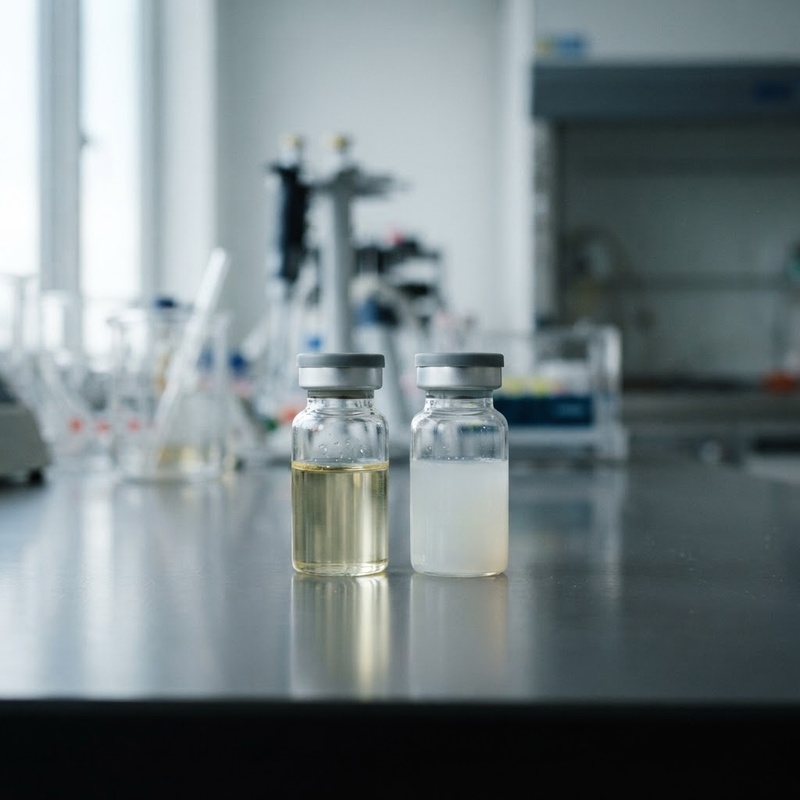
As interest in therapeutic peptides continues to grow within longevity science and regenerative medicine, clinical discussions frequently highlight two prominent growth hormone secretagogues: Sermorelin and Ipamorelin. Both compounds are prescribed to stimulate the body's natural endocrine pathways, encouraging the anterior pituitary gland to produce and secrete endogenous growth hormone.
As interest in therapeutic peptides continues to grow within longevity science and regenerative medicine, clinical discussions frequently highlight two prominent growth hormone secretagogues: Sermorelin and Ipamorelin. Both compounds are prescribed to stimulate the body's natural endocrine pathways, encouraging the anterior pituitary gland to produce and secrete endogenous growth hormone. However, despite sharing the broader therapeutic objective of supporting cellular repair, tissue upkeep, and recovery dynamics, Sermorelin and Ipamorelin operate through fundamentally distinct biochemical mechanisms and cellular receptor targets.
Understanding the differences between a Growth Hormone-Releasing Hormone (GHRH) analog like Sermorelin and a selective Growth Hormone Secretagogue Receptor (GHSR) agonist like Ipamorelin is central to evaluating restorative peptide protocols. Clinicians analyze these distinct receptor pathways, pharmacokinetic half-lives, and side effect profiles when tailoring individualized treatment strategies. This comprehensive comparative guide examines the pharmacology, cellular mechanisms, clinical nuances, and decision-making frameworks surrounding Sermorelin versus Ipamorelin.
Mechanisms of Action: GHRH Analog vs. Ghrelin Receptor Agonist
The primary distinction between Sermorelin and Ipamorelin lies in their specific target receptors on anterior pituitary somatotroph cells. Sermorelin is a synthetic 29-amino-acid peptide that functions bioidentically as an analog of native human Growth Hormone-Releasing Hormone (GHRH). When administered, Sermorelin binds directly to GHRH receptors, initiating an intracellular cyclic AMP (cAMP) secondary messenger cascade that signals somatotroph cells to synthesize and release pre-stored growth hormone granules. In essence, Sermorelin mimics the hypothalamic GHRH signal that the body naturally produces during youth.
Ipamorelin, by contrast, is a synthetic pentapeptide (a 5-amino-acid chain) belonging to the growth hormone secretagogue receptor (GHSR) agonist class, often referred to as ghrelin mimetics. Instead of binding to GHRH receptors, Ipamorelin binds selectively to ghrelin receptors (GHSR-1a) located on pituitary somatotrophs and hypothalamic neurons. Activation of the ghrelin receptor triggers an intracellular phosphoinositide signaling pathway involving phospholipase C and intracellular calcium release, which stimulates growth hormone secretion through a mechanism completely independent of GHRH receptor binding.
Because Sermorelin and Ipamorelin act on two distinct receptor systems, they stimulate pituitary growth hormone release via complementary biological pathways. In clinical research settings, exploring how these separate signaling cascades operate independently—and how they can act synergistically when co-administered under physician supervision—forms a major area of study in peptide therapy.
Understanding these distinct receptor interactions highlights why endocrinologists view them as unique tools. While Sermorelin engages the classic GHRH axis, Ipamorelin accesses somatotroph release via the ghrelin pathway. The dual-pathway concept demonstrates how targeted biological signals can activate endogenous pituitary capacity through multiple cellular routes. Exploring these molecular dynamics allows clinicians to design highly targeted interventions tailored to specific patient requirements.
Furthermore, because the two peptides utilize different second-messenger systems within somatotroph cells (adenylate cyclase/cAMP for Sermorelin versus phospholipase C/calcium for Ipamorelin), they stimulate both growth hormone gene expression and exocytosis without causing cellular receptor exhaustion or desensitization when managed appropriately. This dual-messenger activation preserves somatotroph health and receptor responsiveness. Clinicians carefully evaluate these pathway mechanics when designing personalized care plans. Tailoring the approach ensures efficient cellular signaling.
Selectivity, Side Effect Profiles, and Endocrine Interactions
When comparing peptide secretagogues, receptor selectivity is a crucial parameter evaluated by clinical endocrinologists. Older growth hormone secretagogues, such as GHRP-6 and GHRP-2, were known to bind non-selectively to ghrelin receptors, often causing off-target stimulation that triggered unwanted spikes in circulating cortisol (the primary stress hormone), prolactin, and intense appetite surges. Ipamorelin was specifically engineered as a third-generation GHSR agonist to overcome these non-selective limitations.
Pharmacological trials confirm that Ipamorelin is exceptionally selective for the growth hormone secretagogue receptor. Even at higher clinical doses, Ipamorelin stimulates growth hormone release without causing significant elevations in serum cortisol or prolactin levels, and without triggering the aggressive appetite stimulation associated with older GHRP peptides. This high selectivity gives Ipamorelin a clean side-effect profile, making it highly regarded in clinical settings for patients who may be sensitive to hormone fluctuations.
Sermorelin similarly exhibits excellent physiological selectivity, acting strictly at the GHRH receptor interface without stimulating adrenal or lactotrophic axes. Because Sermorelin works in tandem with natural hypothalamic somatostatin feedback, pituitary stimulation remains self-limiting, ensuring that hormone secretion stays within physiological boundaries. Both peptides demonstrate favorable safety records when prescribed and monitored by qualified healthcare professionals.
In clinical practice, this high degree of receptor specificity translates to improved patient comfort and protocol tolerance. By avoiding off-target adrenal activation or unwanted prolactin surges, both Sermorelin and Ipamorelin maintain a narrow target effect, minimizing systemic disturbances during prolonged therapy. Maintaining selective endocrine engagement safeguards broader metabolic stability throughout the treatment duration.
Additionally, neither peptide disrupts thyroid hormone feedback loops or sex hormone binding globulin (SHBG) levels, allowing patients to maintain stable baseline metabolic profiles while undergoing treatment. This clean endocrine footprint is a primary reason why clinicians favor these modern secretagogues over non-selective compounds. Patient tolerance remains exceptionally high when appropriate candidates are selected. Diagnostic screening confirms that endocrine equilibrium is preserved throughout therapy. Medical providers monitor baseline parameters regularly.
Half-Life, Pharmacokinetics, and Dosing Considerations
Pharmacokinetics—how the body absorbs, distributes, metabolizes, and clears a compound—represents another key area of contrast between Sermorelin and Ipamorelin. Plasma half-life dictates how long an active peptide remains circulating in systemic blood flow to activate cell surface receptors.
Sermorelin possesses a relatively short circulating half-life of approximately 11 to 12 minutes. Following subcutaneous administration, Sermorelin rapidly binds to pituitary GHRH receptors, inducing a sharp, rapid, physiological pulse of growth hormone secretion before being swiftly degraded by endogenous blood enzymes. This brief pharmacokinetic window closely mimics the rapid, sharp spikes of natural hypothalamic GHRH release, aligning well with evening circadian protocols.
Ipamorelin features a somewhat longer plasma half-life of approximately 2 hours. This extended stability allows Ipamorelin to maintain receptor engagement for a longer duration, generating a broader, more sustained curve of pituitary growth hormone release. Depending on clinical goals, a physician may favor the rapid, sharp pulse of Sermorelin or the more sustained secretion profile of Ipamorelin.
Furthermore, because Sermorelin and Ipamorelin operate via distinct cellular mechanisms (GHRH receptor vs. ghrelin receptor), clinicians sometimes prescribe combination protocols (such as Sermorelin/Ipamorelin blends). Medical research indicates that dual receptor activation can produce a synergistic release of endogenous growth hormone that is greater than the additive effect of either peptide administered alone, providing a comprehensive approach for specific patient profiles.
Synergistic protocols take advantage of complementary intracellular signaling mechanisms. When GHRH-induced cAMP pathways and GHSR-1a-induced calcium pathways are stimulated simultaneously, somatotroph exocytosis of growth hormone is amplified naturally without requiring excessive doses of either individual agent. This dual stimulation offers a sophisticated approach to endocrine optimization under medical supervision. Clinicians titrate dosages carefully in combination regimens.
How Clinicians Determine the Appropriate Protocol
Deciding between Sermorelin, Ipamorelin, or a combination protocol requires a thorough clinical assessment by a licensed medical practitioner. There is no single "best" peptide; rather, protocol selection depends on individual diagnostic findings, patient health history, baseline laboratory metrics, and specific restorative objectives.
During an initial telehealth consultation at EOS Health, clinicians review comprehensive baseline diagnostic blood work, evaluating serum IGF-1 levels, thyroid parameters, metabolic profiles, and glycemic controls. Clinicians also consider lifestyle factors, including sleep quality, athletic strain, recovery demands, and underlying health history. For patients seeking a traditional protocol that closely replicates native GHRH signaling, Sermorelin offers a proven, bioidentical option. For patients needing targeted secretagogue activity with an extended half-life, Ipamorelin may be selected. For candidates seeking maximal physiological stimulation of endogenous pathways, a synergistic combination may be indicated.
Regardless of the chosen compound, all prescribed peptide protocols are prepared by state-licensed compounding pharmacies under strict quality standards. It is vital to note that compounded peptide formulations are customized medications that are not FDA-approved in the manner of commercial pharmaceuticals, requiring ongoing clinician monitoring to ensure safety and protocol effectiveness.
Physicians also evaluate patient feedback and progress metrics over time. Routine 8- to 12-week re-evaluations ensure that dosage and compound selection remain perfectly matched to the patient's biological response and health goals. Continuous monitoring allows for fine-tuning based on objective laboratory data, ensuring long-term safety and efficacy.
Making Informed Health Decisions with Your Healthcare Provider
Navigating peptide therapy for repair, recovery, and long-term vitality requires a solid foundation in modern neuroendocrine science. By understanding how Sermorelin and Ipamorelin utilize different biological pathways to encourage endogenous growth hormone synthesis, patients can participate actively in informed discussions with their clinical team.
Rather than relying on unmonitored online products or one-size-fits-all recommendations, working with experienced medical professionals ensures that your recovery protocol is tailored, safe, and continuously monitored through objective laboratory data. Establishing professional care is the single most important step in achieving your restorative health goals safely.
By engaging in open dialogue with your healthcare provider, you can select the peptide approach best aligned with your individual recovery journey. Collaborative clinical partnerships ensure that every decision is backed by science and personalized care. Ready to explore whether peptide therapy may support your recovery goals? Complete a short online intake at EOS Health.
Ghrelin Receptor Agonist
A compound that binds to and activates growth hormone secretagogue receptors (GHSR-1a), mimicking the pituitary-stimulating action of endogenous ghrelin.
Pentapeptide
A short peptide chain consisting of exactly five amino acids linked by peptide bonds, such as the selective secretagogue Ipamorelin.
Synergistic Effect
A biological interaction where the combined effect of two active agents working through different pathways is greater than the sum of their individual effects.
Pharmacokinetics
The branch of pharmacology dedicated to determining the fate of substances administered to a living organism, including absorption, distribution, metabolism, and excretion.
GHSR-1a (Growth Hormone Secretagogue Receptor 1a)
A G-protein coupled receptor located on pituitary somatotrophs and hypothalamic neurons that regulates growth hormone release when activated by ghrelin or secretagogues.
Sources
faq
Common questions, answered.
What is the primary difference between Sermorelin and Ipamorelin?
Sermorelin is a GHRH analog that binds to GHRH receptors, while Ipamorelin is a ghrelin receptor agonist that binds to growth hormone secretagogue receptors (GHSR-1a).
Can Sermorelin and Ipamorelin be taken together?
Yes, under clinician direction, combination protocols are sometimes prescribed because activating both GHRH and ghrelin receptor pathways can produce a synergistic pituitary response.
Does Ipamorelin increase cortisol or prolactin levels?
No, Ipamorelin is highly selective for GHSR-1a receptors and does not cause significant elevations in cortisol or prolactin, distinguishing it from older secretagogues like GHRP-6.
Are compounded Sermorelin and Ipamorelin products FDA-approved?
Compounded peptide formulations are customized prescription preparations and are not FDA-approved, although compounding pharmacies operate under strict state and federal quality standards.
Which peptide has a longer half-life, Sermorelin or Ipamorelin?
Ipamorelin has a longer plasma half-life (around 2 hours) compared to Sermorelin, which has a short half-life of approximately 11 to 12 minutes.
Do Sermorelin and Ipamorelin require a doctor's prescription?
Yes, both Sermorelin and Ipamorelin are prescription-only medical therapies that require comprehensive physician evaluation, diagnostic blood work, and ongoing oversight.
Does Ipamorelin stimulate appetite like ghrelin does?
Despite binding to ghrelin receptors, Ipamorelin's selective molecular structure stimulates growth hormone release without triggering the significant appetite surges seen with native ghrelin.
How do clinicians monitor progress on a peptide recovery protocol?
Clinicians evaluate progress through periodic diagnostic blood tests (measuring IGF-1, metabolic, and thyroid markers) combined with patient feedback during follow-up consultations.
Invest in the years ahead.™
Start free consultationwhat are you waiting for?
You're one click away from a new you.
Fill out our brief form and a licensed physician will evaluate which treatment plan is best for you.