Topical vs. Oral Finasteride: Comparing the Options
Explore topical vs. oral finasteride options for male pattern hair loss. Compare delivery methods, systemic DHT absorption, efficacy, and clinician guidance.
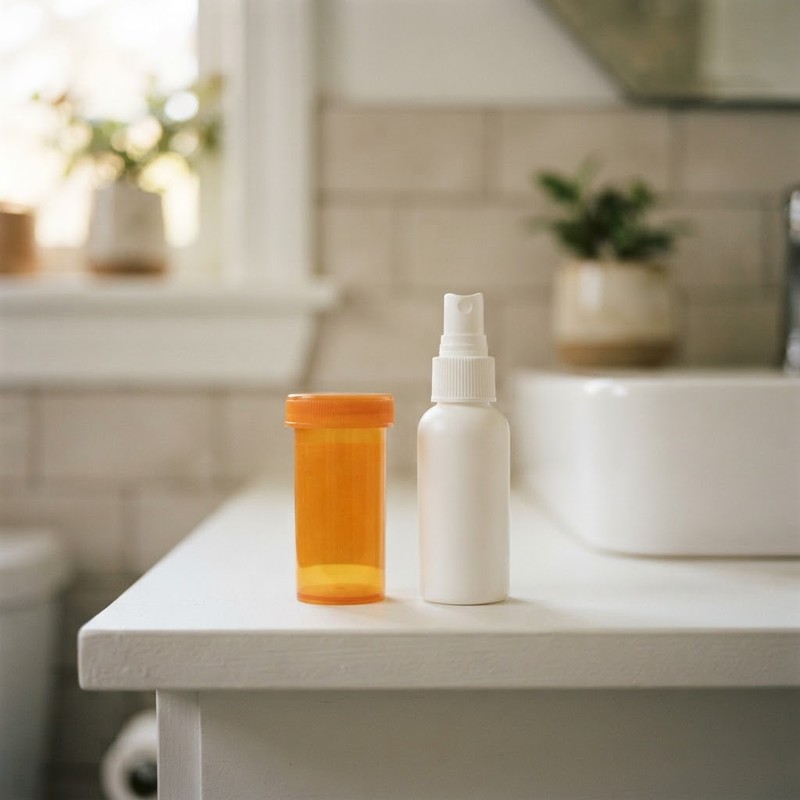
Navigating treatment options for male pattern hair loss can feel overwhelming, particularly when attempting to understand clinical terminology, administration routes, and active ingredient mechanics. Clinically designated as androgenetic alopecia, progressive hair thinning affects millions of men across the United States, impacting self-confidence, personal aesthetics, and overall well-being.
Navigating treatment options for male pattern hair loss can feel overwhelming, particularly when attempting to understand clinical terminology, administration routes, and active ingredient mechanics. Clinically designated as androgenetic alopecia, progressive hair thinning affects millions of men across the United States, impacting self-confidence, personal aesthetics, and overall well-being. As clinical research advances and access to direct medical care expands, individuals exploring hair preservation strategies frequently encounter fundamental questions regarding delivery pathways: specifically, how localized scalp applications compare to established oral medication regimens. Among clinically studied active ingredients, finasteride remains a cornerstone treatment for addressing hormone-mediated hair thinning. Long prescribed as an oral daily tablet, finasteride is also increasingly formulated as a topical solution, gel, or spray applied directly to the scalp tissue. This comprehensive educational guide explores topical versus oral finasteride, examining how each administration route functions within the body, what scientific research reveals regarding scalp and systemic dihydrotestosterone (DHT) suppression, and how licensed healthcare professionals help guide treatment choices tailored to individual health profiles and lifestyle preferences.
Understanding Androgenetic Alopecia and the Science of DHT
To evaluate finasteride options effectively, it is helpful to first understand the underlying biological mechanics driving male pattern hair loss. At the biological center of androgenetic alopecia is dihydrotestosterone, commonly known as DHT. DHT is a potent androgenic hormone synthesized from circulating testosterone through the catalytic action of an intracellular enzyme known as 5-alpha reductase. While DHT plays essential roles during male embryonic development and pubertal maturation, hair follicles located on the crown, vertex, mid-scalp, and hairline can exhibit a genetic sensitivity to this specific androgen.
The human body produces two main isoforms of the 5-alpha reductase enzyme: Type I and Type II. Type I is predominantly expressed in sebaceous glands and skin tissues throughout the body, while Type II is heavily concentrated in hair follicles, the prostate gland, and genital tissues. When circulating or locally produced DHT binds to androgen receptors situated within genetically susceptible hair follicles, it initiates a progressive biological cascade known as follicle miniaturization.
During miniaturization, the active growth phase of the hair follicle cycle—known as the anagen phase—gradually shortens over successive growth cycles. Normally, the anagen phase lasts between two to six years, allowing hair fibers to grow thick, long, and deeply pigmented. Under continuous exposure to elevated local DHT levels, the anagen phase shrinks significantly, while the resting phase (telogen phase) remains constant or expands. Consequently, miniaturized hair follicles produce hair strands that become progressively shorter, finer, and lighter over time. In addition, localized micro-inflammation around the follicular infundibulum can further compromise follicular anchoring. Without clinical intervention, miniaturized follicles may eventually produce only microscopic vellus hairs or cease hair shaft production entirely.
Finasteride functions biologically as a specific competitive inhibitor of the Type II 5-alpha reductase enzyme. By occupying the catalytic site of this enzyme, finasteride blocks the biochemical conversion of testosterone into DHT. Clinical research demonstrates that reducing local scalp and systemic DHT concentrations helps interrupt the cascade that leads to follicle miniaturization. Creating a reduced-DHT microenvironment around hair follicles supports the preservation of healthy hair growth cycles and protects vulnerable follicles from ongoing androgenic pressure.
Oral Finasteride: Delivery Mechanism, Efficacy, and Systemic Exposure
Oral finasteride, typically prescribed as a once-daily 1 mg tablet, represents one of the most thoroughly evaluated pharmacological approaches for male pattern hair loss. Following oral ingestion, finasteride is rapidly absorbed through the gastrointestinal tract, achieving peak blood plasma concentrations within one to two hours. From the bloodstream, oral finasteride distributes systemically throughout body tissues, achieving widespread, uniform inhibition of Type II 5-alpha reductase in the liver, prostate, skin, and scalp hair follicles.
Extensive clinical trial data evaluating oral finasteride demonstrate remarkable consistency in suppressing hormone levels and supporting hair density retention. Multi-center randomized clinical trials indicate that a daily 1 mg oral dose reduces serum (bloodstream) DHT levels by approximately 65% to 70%, while simultaneously reducing scalp tissue DHT levels by roughly 60% to 65%. In long-term 5-year clinical studies involving thousands of male participants, phototrichogram analysis demonstrated that a substantial majority of men taking oral finasteride experienced a stabilization of hair loss progression. Furthermore, clinical trial reports showed measurable increases in net hair count and scalp coverage in a significant proportion of study participants over 12 to 24 months of continuous daily use.
Because oral finasteride circulates systemically throughout the body, its physiological influence extends beyond the scalp microenvironment. While the medication is well-tolerated by the vast majority of men, systemic absorption means that potential systemic side effects can occur in a small percentage of users. In large-scale clinical trials, a small subset of participants (typically estimated between 1% and 3%) reported adverse events relating to sexual health, such as temporary reductions in libido, mild erectile changes, or decreases in ejaculatory volume. Clinical literature documents that these reported effects resolved in most individuals upon treatment cessation, though individual experiences vary. Because oral finasteride alters systemic hormone levels, licensed clinicians conduct thorough baseline evaluations to review personal medical histories, endocrine factors, and individual risk profiles before initiating oral therapy.
Topical Finasteride: Localized Application and Scalp Absorption Dynamics
In response to growing patient interest in minimizing systemic hormone alteration, medical researchers and pharmaceutical compounders developed topical finasteride formulations engineered for direct application to affected scalp areas. Topical finasteride is typically formulated as a liquid solution, gel, or spray that is applied directly to areas of scalp thinning. The formulation is specifically designed to penetrate the outer epidermal layer of the skin (the stratum corneum) and deliver the active molecule to the dermal papilla of hair follicles where 5-alpha reductase enzymes reside.
Formulation Science and Target Delivery
The core scientific objective of topical delivery is localized targeted action: achieving significant inhibition of 5-alpha reductase and reduction of DHT within scalp tissues while limiting the proportion of active drug absorbed into the systemic circulation. Topical preparations utilize specialized vehicle matrices—often incorporating liposomes, specialized gels, or controlled alcohol-water bases—to facilitate follicular penetration while retarding systemic clearance.
Clinical Findings on Scalp vs. Systemic DHT Reduction
Scientific studies investigating topical finasteride formulations have yielded compelling pharmacodynamic data. Clinical research reveals that topical finasteride applications can achieve marked scalp DHT suppression—often comparable in depth to oral 1 mg tablets—while producing a lower percentage reduction in systemic serum DHT, depending on the formulation concentration, application volume, and vehicle characteristics. For instance, clinical trials testing topical finasteride concentrations ranging from 0.1% to 0.25% report significant stabilization of hair loss and improvement in target area hair counts among study participants.
Safety, Tolerability, and Handling Considerations
While topical finasteride offers a localized profile, clinical literature emphasizes that topical finasteride is absorbed systemically to a measurable degree; it does not eliminate systemic uptake entirely. Consequently, while systemic adverse events appear less frequently in topical clinical trials compared to oral trials, potential systemic effects remain possible. Furthermore, topical application introduces localized skin considerations, such as mild scalp erythema, dryness, itching, or contact irritation associated with carrier ingredients like propylene glycol. Strict handling precautions are also mandatory: topical finasteride solutions must be kept strictly away from women who are pregnant or may become pregnant due to established risks of developmental abnormalities in male fetuses.
Topical vs. Oral Finasteride: Comparing Key Factors
When evaluating topical versus oral finasteride, patients and healthcare providers assess several distinct comparative factors to determine which administration route aligns best with an individual's medical profile and lifestyle routine:
1. Administration Route and Daily Routine
Oral finasteride involves taking a single daily tablet with or without meals, offering high convenience, exact dosing uniformity, and seamless integration into daily habits. In contrast, topical finasteride requires daily manual application directly to clean, dry scalp areas. Successful topical application demands consistent technique, careful measurement, adequate drying time before styling hair or lying down, and mindful avoidance of scalp contact with family members or pets prior to absorption.
2. Systemic vs. Localized Hormonal Profiles
Oral finasteride produces a pronounced, uniform systemic reduction in serum DHT (~65% to 70%) alongside scalp DHT suppression. Topical finasteride concentrates its primary biological activity within the scalp tissues, achieving significant scalp DHT inhibition with a less pronounced impact on systemic serum DHT levels.
3. Side Effect Profiles and Tolerability
Oral finasteride possesses a decades-long clinical track record with a well-characterized systemic safety profile, though a small percentage of users may experience systemic side effects. Topical finasteride shifts the primary tolerability focus toward local application factors, such as minor scalp dryness or irritation, while exhibiting lower rates of systemic side effects in comparative clinical trials.
4. Regulatory Status and Compounding Formulations
Oral finasteride 1 mg tablets are FDA-approved specifically for treating male pattern hair loss. Topical finasteride formulations, while utilizing a thoroughly studied active ingredient, are prepared through licensed compounding pharmacies as customized prescriptions tailored to individual patient needs. It is essential to recognize that while individual active ingredients such as finasteride or minoxidil are extensively studied in clinical literature, custom compounded combination products themselves are not individually FDA-approved.
Choosing the Appropriate Option: Clinician-Guided Evaluation
Selecting between topical and oral finasteride is an individualized medical decision that depends on various clinical considerations. Factors influencing this choice include the severity and pattern of hair thinning, individual medical background, scalp health, preference for oral tablets versus daily topical application routines, and personal comfort levels regarding systemic hormone exposure. Because finasteride in both oral and topical forms requires a valid prescription, partnering with a qualified healthcare provider is an essential first step.
Modern telehealth platforms provide a convenient, confidential pathway for individuals to consult with licensed clinicians. During an online evaluation, a healthcare professional conducts a thorough assessment of health history, reviews photographic evidence of hair density patterns, discusses individual goals, and explains the clinical trade-offs between oral and topical formulations. This clinician-guided consultation ensures that any recommended treatment is medically appropriate, safe, and tailored to the patient's specific profile. Furthermore, ongoing medical follow-up allows clinicians to monitor treatment progress over time, evaluate scalp tolerability, and make necessary adjustments as health needs evolve.
Taking the Next Step in Your Hair Health Journey
Whether you lean toward a traditional once-daily oral tablet or a localized topical application, understanding the underlying science of hair follicle miniaturization empowers you to make informed, proactive decisions about your hair health care. Scientific literature highlights that early intervention under medical supervision offers the most effective opportunity to manage progressive hair thinning and support long-term follicle preservation.
If you are considering exploring clinical options for male pattern hair loss, EOS Health connects you with licensed healthcare professionals who can evaluate your unique needs and discuss tailored treatment options. Learn more about personalized clinical approaches and start your confidential medical evaluation today by visiting EOS Health Men's Hair Loss Treatments.
Dihydrotestosterone (DHT)
A potent androgenic hormone synthesized from testosterone by the 5-alpha reductase enzyme that plays a primary role in hair follicle miniaturization in androgenetic alopecia.
5-Alpha Reductase
An enzyme responsible for converting circulating testosterone into dihydrotestosterone (DHT) within various body tissues, including scalp skin and hair follicles.
Follicle Miniaturization
The progressive shortening of the hair growth (anagen) phase under hormonal influence, causing hair follicles to produce progressively thinner, shorter, and lighter hair strands.
Systemic Exposure
The extent to which an active pharmacological ingredient enters the general bloodstream and circulates throughout body systems rather than remaining localized at the application site.
Anagen Phase
The active growth phase of the hair follicle cycle during which hair fibers are actively produced over a period lasting between two to six years.
Compounded Formulation
A custom-prepared prescription medication prepared by a licensed compounding pharmacy to meet specific patient needs, utilizing clinically studied active ingredients in tailored strengths or combination vehicles.
Sources
faq
Common questions, answered.
Is topical finasteride as effective as oral finasteride for hair thinning?
Clinical studies suggest that topical finasteride can achieve scalp DHT reduction levels comparable to those observed with oral finasteride. While research indicates both forms support hair density retention in study populations, individual responses, absorption rates, and treatment outcomes vary based on baseline hair loss and formulation characteristics.
How does topical finasteride affect bloodstream DHT levels compared to oral finasteride?
Oral finasteride typically reduces serum (bloodstream) DHT levels by approximately 65% to 70%. Topical finasteride is designed to concentrate action in scalp tissue, resulting in significant local DHT reduction with a lower overall reduction in serum DHT levels, although some systemic absorption still occurs.
Can topical finasteride cause systemic side effects?
While topical finasteride is associated with lower rates of systemic side effects in clinical studies compared to oral tablets, systemic absorption does occur to a degree. Potential systemic effects cannot be entirely ruled out, which is why a medical evaluation by a licensed clinician is necessary prior to use.
How long does it take to see results with topical or oral finasteride?
Hair growth cycles naturally take time. In clinical trials for both oral and topical finasteride, initial stabilization of hair shedding is typically observed within 3 to 6 months of consistent daily use, with noticeable changes in hair density and coverage evaluated at 12 months or longer.
Are compounded topical finasteride solutions FDA-approved?
Oral finasteride 1 mg tablets are FDA-approved for male pattern hair loss. While finasteride itself is a clinically studied active ingredient, custom compounded topical finasteride solutions prepared by compounding pharmacies are not individually FDA-approved medications.
Can topical finasteride be combined with minoxidil?
In clinical practice, clinicians sometimes prescribe compounded topical solutions that combine finasteride with minoxidil to target hair loss through complementary mechanisms. Your healthcare provider can determine whether a combination formula is appropriate for your specific health profile.
Who should avoid touching or handling topical finasteride?
Topical finasteride solutions must be kept away from women who are pregnant or may become pregnant. Absorption of finasteride through the skin in pregnant women poses significant risks of developmental harm to a male fetus.
What should I do if I experience scalp irritation from topical finasteride?
If you experience redness, itching, burning, or flaking after applying topical finasteride, pause application and contact your prescribing clinician. Scalp irritation is often related to vehicle ingredients, such as alcohol or propylene glycol, and your clinician can recommend adjustments or alternative formulations.
Take your health off the back burner.™
Start free consultationwhat are you waiting for?
You're one click away from a new you.
Fill out our brief form and a licensed physician will evaluate which treatment plan is best for you.