What Is Glutathione and Why Is It Called the Master Antioxidant?
Discover what glutathione is, why research calls it the master antioxidant, how it supports cellular health, and what factors affect systemic levels.
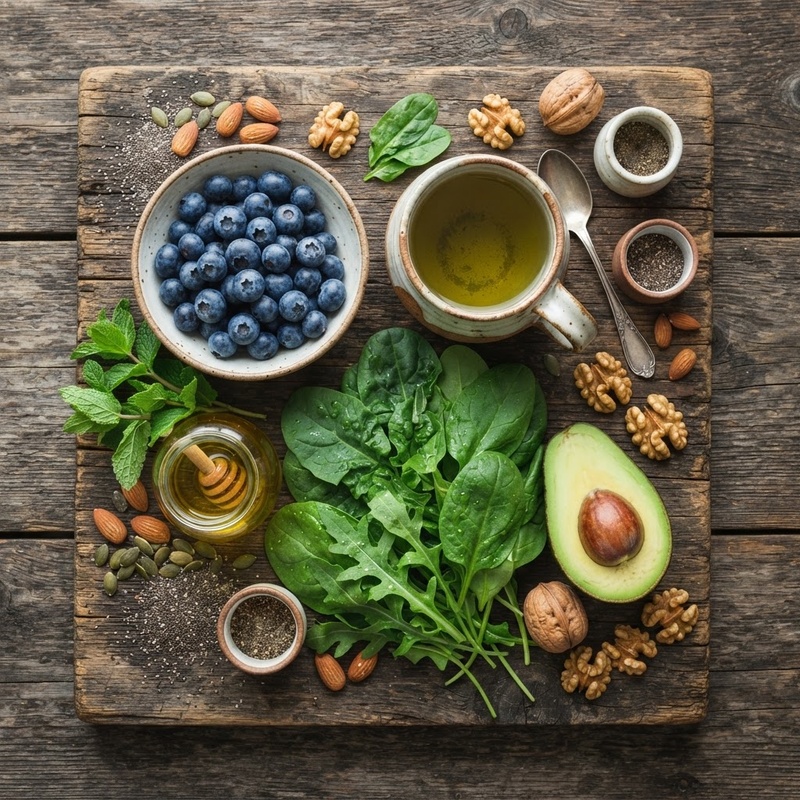
At the center of human cellular biology lies an intricate network of protective systems designed to preserve structural integrity, maintain metabolic equilibrium, and defend against environmental stressors. Among the numerous endogenous molecules that sustain these vital processes, glutathione occupies a singular and essential position.
At the center of human cellular biology lies an intricate network of protective systems designed to preserve structural integrity, maintain metabolic equilibrium, and defend against environmental stressors. Among the numerous endogenous molecules that sustain these vital processes, glutathione occupies a singular and essential position. Often designated by researchers and clinicians as the body's "master antioxidant," glutathione is present in virtually every cell, with particularly high concentrations found in hepatocytes within the liver. Understanding what glutathione is, how it is synthesized, and why it plays such a pivotal role in cellular physiology provides valuable insight into the modern science of cellular health and healthy aging.
In recent years, interest in cellular longevity and metabolic wellness has brought glutathione into broader clinical conversation. Rather than acting as a simple, single-purpose nutrient, glutathione operates as a dynamic biochemical hub. It directly neutralizes reactive oxygen species, participates in enzymatic conjugation pathways, and actively recycles other crucial antioxidants such as vitamin C and vitamin E. As individuals navigate the physiological demands of daily living, environmental exposures, and normal chronological aging, maintaining optimal endogenous antioxidant defenses becomes a foundational clinical consideration.
The Chemical Structure and Endogenous Synthesis of Glutathione
From a biochemical standpoint, glutathione is a low-molecular-weight tripeptide composed of three specific amino acids: glutamate (glutamic acid), cysteine, and glycine. Chemically designated as gamma-L-glutamyl-L-cysteinylglycine, its unique structure features an unusual peptide linkage between the gamma-carboxyl group of the glutamate side chain and the amine group of cysteine. This specific bond protects glutathione from rapid degradation by conventional intracellular peptidases, allowing it to persist and function effectively within cytoplasm, mitochondria, and nuclear compartments.
The synthesis of glutathione occurs intracellularly through a tightly regulated, two-step enzymatic process that relies heavily on the availability of its precursor amino acids:
- Step One: Enzymatic Ligation of Glutamate and Cysteine. The enzyme glutamate-cysteine ligase (GCL), formerly known as gamma-glutamylcysteine synthetase, catalyzes the initial rate-limiting reaction combining glutamate and cysteine. Because cysteine contains a reactive sulfhydryl (-SH) group and is present in relatively lower dietary concentrations, cysteine availability serves as the primary limiting factor in overall glutathione production.
- Step Two: Addition of Glycine. The enzyme glutathione synthetase subsequently adds glycine to the gamma-glutamylcysteine intermediate, yielding the complete, biologically active tripeptide molecule.
Once synthesized, glutathione exists in two distinct cellular forms: reduced glutathione (GSH) and oxidized glutathione (GSSG). In healthy cellular environments, the vast majority—typically over 90 percent—remains in the active reduced GSH form. The ratio of GSH to GSSG serves as a sensitive biomarker of cellular redox status, reflecting the balance between antioxidant capability and ongoing oxidative challenge.
Intracellular Distribution and Subcellular Compartments
Glutathione is not uniformly distributed throughout the cell; rather, it is strategically partitioned into distinct subcellular pools to meet localized metabolic demands. The cytosolic pool accounts for approximately 85 to 90 percent of total cellular glutathione, serving as the main reservoir for neutralising cytoplasmic reactive species and participating in general metabolic reactions.
The remaining portion is distributed between specialized organelles, each maintaining its own distinct redox microenvironment:
- Mitochondrial Pool: Mitochondrial membranes contain specialized transport proteins that actively import GSH from the cytoplasm. Because mitochondria are the primary site of oxidative phosphorylation and electron transport, maintaining high intra-mitochondrial GSH concentration is essential for preventing oxidative damage to mitochondrial DNA and membrane lipids.
- Nuclear Pool: Glutathione within the nucleus protects genomic DNA from oxidative modifications, regulates chromatin structure, and modulates the activity of transcription factors that govern cell cycle progression and DNA repair.
- Endoplasmic Reticulum (ER) Pool: Within the ER, the redox environment is uniquely kept in a more oxidized state (lower GSH to GSSG ratio) to facilitate proper protein folding and disulfide bond formation required for secreted and membrane-bound proteins.
Why Glutathione Earns the Title of "Master Antioxidant"
To appreciate why clinicians and molecular biologists refer to glutathione as the "master antioxidant," it is helpful to examine how antioxidants interact within living tissues. Most dietary antioxidants, such as ascorbic acid or alpha-tocopherol, act by donating an electron to neutralize a free radical. Once transformed through this electron exchange, the antioxidant molecule itself becomes oxidized and temporarily inactive until it can be converted back to its functional state.
Glutathione plays an indispensable recycling role within this cellular system. Through coordinated enzymatic reactions mediated by glutathione reductase and nicotinamide adenine dinucleotide phosphate (NADPH), GSH donates reducing equivalents to regenerate oxidized vitamin C and vitamin E. This crucial process restores their functional capacity without requiring immediate replenishment from dietary sources alone. By maintaining this continuous recycling cascade, glutathione preserves systemic antioxidant capacity across multiple tissue compartments.
Mitochondrial Protection and Energy Metabolism
Mitochondria, the primary energy-generating organelles within human cells, produce adenosine triphosphate (ATP) through oxidative phosphorylation. A natural byproduct of this intense metabolic activity is the continuous generation of reactive oxygen species (ROS), including superoxide anions and hydrogen peroxide. Without adequate localized protection, ROS can damage mitochondrial membrane lipids, structural proteins, and mitochondrial DNA (mtDNA).
Glutathione is actively transported across mitochondrial membranes to maintain a dedicated intra-mitochondrial pool. Within the mitochondria, the enzyme glutathione peroxidase utilizes GSH to convert toxic hydrogen peroxide and lipid hydroperoxides into harmless water and alcohol compounds. By buffering oxidative stress at the primary site of energy production, glutathione supports cellular metabolic efficiency and structural resilience.
Core Physiological Functions: Defense and Phase II Detoxification
Beyond its direct free-radical scavenging capabilities, glutathione serves as a critical cofactor in hepatic Phase II detoxification processes. The liver processes both endogenous metabolic waste products and exogenous compounds—including environmental pollutants, heavy metals, industrial chemicals, and pharmaceutical metabolites—preparing them for safe elimination from the body.
During Phase II detoxification, enzymes known as glutathione S-transferases (GSTs) catalyze the conjugation of reduced glutathione to lipid-soluble electrophilic toxins. This reaction attaches the water-soluble tripeptide moiety to the target compound, neutralizing its reactivity and rendering it readily excretable via bile or urine. Through this pathway, glutathione supports the body's natural mechanisms for clearing metabolic byproducts and maintaining systemic chemical balance.
The Mercapturic Acid Pathway
Following glutathione conjugation in the liver, the conjugated toxin undergoes sequential enzymatic breakdown known as the mercapturic acid pathway. First, gamma-glutamyl transpeptidase removes the glutamate residue, and dipeptidase subsequently cleaves the glycine moiety. The remaining cysteine-toxin conjugate is acetylated by N-acetyltransferase to form a mercapturic acid derivative. This water-soluble compound is then efficiently eliminated by the kidneys into urine, completing the detoxification cycle.
Glutathionylation and Protein Regulation
In addition to toxin clearance, glutathione regulates cell signaling through a post-translational modification known as S-glutathionylation. Under conditions of mild oxidative stress, GSH forms reversible disulfide bonds with specific cysteine residues on target proteins. This modification protects sensitive protein thiols from irreversible hyper-oxidation while simultaneously altering enzyme activity, receptor signaling, and cytoskeletal dynamics. Once redox balance is restored, glutaredoxin enzymes remove the glutathione tag, returning the protein to its baseline state.
Key Factors That Influence Systemic Glutathione Status
While the human body possesses a robust capacity to synthesize glutathione, systemic levels are not static. Scientific literature demonstrates that intracellular glutathione concentrations fluctuate based on physiological demand, substrate availability, and environmental challenges. Key factors influencing glutathione status include:
- Chronological Aging: Clinical research indicates that endogenous glutathione synthesis gradually declines with advancing age. Reductions in GCL enzyme activity and altered precursor amino acid transport contribute to lower baseline GSH levels in older individuals.
- Environmental Exposures: Inhalation or ingestion of air pollutants, heavy metals, pesticide residues, and industrial chemicals increases the demand for Phase II glutathione conjugation, depleting localized tissue stores.
- Metabolic Strain and Stress: Chronic physical stress, intense metabolic demands, systemic inflammation, and elevated glucocorticoid levels consume cellular reducing equivalents, accelerating the conversion of GSH to GSSG.
- Dietary and Lifestyle Factors: Inadequate dietary intake of sulfur-containing amino acids, poor sleep quality, sedentary habits, or excessive alcohol consumption can impair synthetic pathways while simultaneously increasing oxidative burden.
Clinical Assessment and Perspectives on Cellular Support
Given the central role of glutathione in cellular defense and metabolic regulation, health practitioners frequently evaluate strategies to support endogenous production and systemic availability. In clinical evaluation, practitioners may consider red blood cell (RBC) glutathione measurements or total antioxidant markers to gain insight into an individual's baseline redox balance.
Foundational support begins with nutrition and lifestyle modifications designed to provide precursor building blocks, such as N-acetylcysteine (NAC) and dietary sulfur from cruciferous vegetables, alongside essential enzymatic cofactors like selenium and zinc. In clinical settings where individualized support is indicated, licensed healthcare providers may also discuss targeted administration routes—such as compounded glutathione formulations or direct delivery protocols—tailored to the patient's unique metabolic needs.
It is important to emphasize that dietary supplements and compounded treatments are intended to support biological processes rather than treat, cure, or prevent specific diseases. Compounded medications are customized formulations prepared by licensed pharmacies to meet individual clinician prescriptions; they are not FDA-approved drugs. Engaging in a thoughtful consultation with a qualified clinician ensures that any protocol is safe, appropriate, and aligned with comprehensive health goals.
Summary and Foundational Takeaways
Glutathione remains one of the most thoroughly studied molecules in modern cellular biology. As a master antioxidant, Phase II detoxification cofactor, and regulator of cellular redox status, its presence is fundamental to cellular resilience and long-term metabolic health. By understanding the factors that influence its synthesis and consumption, individuals can make informed decisions in partnership with medical professionals to support their body's innate protective systems.
Ready to explore whether glutathione support is right for you? Complete a short online intake at EOS Health.
Tripeptide
A molecule composed of three amino acids linked together by peptide bonds; glutathione is a tripeptide made of glutamate, cysteine, and glycine.
Oxidative Stress
An imbalance between the cellular production of reactive oxygen species (free radicals) and the body's ability to neutralize them with antioxidants.
Glutamate-Cysteine Ligase (GCL)
The rate-limiting enzyme in glutathione synthesis that catalyzes the initial chemical bond between glutamate and cysteine.
Phase II Detoxification
A metabolic process primarily occurring in the liver where protective molecules like glutathione are conjugated to toxins to make them water-soluble for excretion.
Reduced Glutathione (GSH)
The active, electron-donating form of glutathione capable of neutralizing free radicals and maintaining cellular redox balance.
Sources
faq
Common questions, answered.
What is glutathione in simple terms?
Glutathione is a natural protein-like compound (tripeptide) produced inside human cells, composed of three amino acids: glutamate, cysteine, and glycine. It acts as the body's chief internal antioxidant and detoxification helper.
Why is glutathione called the master antioxidant?
It earns this title because it is present in high concentrations in virtually all cells and actively recycles other antioxidants—such as vitamins C and E—keeping the body's overall protective network functioning effectively.
Where is glutathione produced in the body?
Glutathione is synthesized inside individual cells throughout the body, with particularly high levels produced in liver cells (hepatocytes) to support central detoxification processes.
What is the difference between reduced (GSH) and oxidized (GSSG) glutathione?
Reduced glutathione (GSH) is the active form capable of neutralizing free radicals. Oxidized glutathione (GSSG) is the temporary byproduct formed after GSH neutralizes a radical; cells convert GSSG back to GSH using specific enzymes.
How does glutathione support liver function?
In Phase II liver detoxification, enzymes attach glutathione to foreign compounds and metabolic byproducts, turning lipid-soluble toxins into water-soluble compounds that can be safely excreted.
Does glutathione level decline as people age?
Yes, clinical research demonstrates that natural intracellular glutathione production gradually declines with advancing age due to reduced enzyme activity and altered amino acid availability.
Can you measure glutathione levels in the body?
Healthcare providers can order specialized blood tests that measure red blood cell glutathione or the ratio of reduced to oxidized glutathione to evaluate baseline systemic status.
How does glutathione protect mitochondria?
Mitochondria generate energy but also produce reactive oxygen species. Glutathione inside mitochondria neutralizes these byproducts, helping preserve mitochondrial structural integrity and metabolic output.
Invest in the years ahead.™
Start free consultationwhat are you waiting for?
You're one click away from a new you.
Fill out our brief form and a licensed physician will evaluate which treatment plan is best for you.