Adding Vegetables on GLP-1 Medications: Simple Swaps and Additions
Discover simple swaps and easy additions for adding vegetables on GLP-1 medications. Learn how gentle, nutrient-rich choices support your wellness journey.
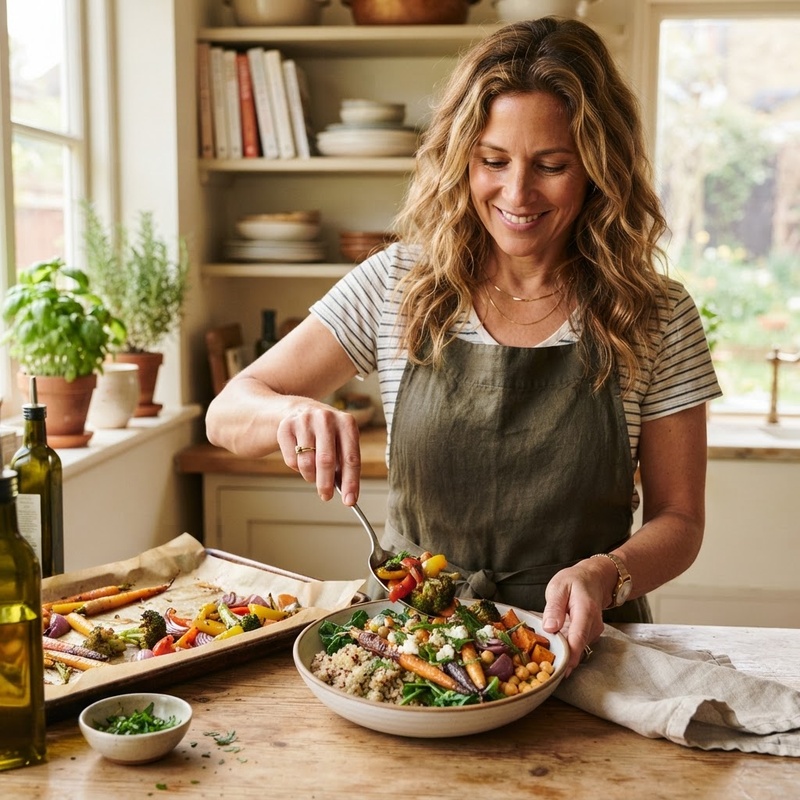
Embarking on a comprehensive weight management journey with GLP-1 receptor agonist medications often brings transformative changes to your appetite, digestion, and daily meal routines. Because these prescription therapies slow gastric emptying and enhance natural signals of satiety, many individuals discover that their overall meal volume decreases substantially. When meal sizes become smaller, every bite carries greater significance for fulfilling your body's essential daily nutritional needs. Incorporating non-starchy vegetables into a reduced-volume diet provides essential dietary fiber, key vitamins, vital minerals, and protective phytonutrients that support overall health, metabolic function, and digestive well-being.
Embarking on a comprehensive weight management journey with GLP-1 receptor agonist medications often brings transformative changes to your appetite, digestion, and daily meal routines. Because these prescription therapies slow gastric emptying and enhance natural signals of satiety, many individuals discover that their overall meal volume decreases substantially. When meal sizes become smaller, every bite carries greater significance for fulfilling your body's essential daily nutritional needs. Incorporating non-starchy vegetables into a reduced-volume diet provides essential dietary fiber, key vitamins, vital minerals, and protective phytonutrients that support overall health, metabolic function, and digestive well-being.
However, when appetite is suppressed or mild digestive sensitivity occurs during early treatment, consuming large raw salads or high-volume raw vegetables can sometimes feel overwhelming or uncomfortable on the stomach. The key to successful, comfortable nutrition support during GLP-1 therapy lies in thoughtful, gentle integration—focusing on simple food swaps, tender cooking methods, and seamless additions to your favorite dishes. In this comprehensive guide, we explore practical, clinician-backed strategies for introducing vibrant vegetables into small, satisfying meals without causing unnecessary gastrointestinal distress.
Understanding the Role of Vegetables During GLP-1 Therapy
Glucagon-like peptide-1 (GLP-1) receptor agonists are prescription medications that mimic natural incretin hormones in the body. These FDA-approved treatments, which are prescribed only after thorough evaluation by a licensed clinician, help regulate blood glucose levels and delay the rate at which food empties from the stomach into the small intestine. While this physiological mechanism helps individuals feel full sooner and remain satisfied for longer periods after eating, it also necessitates a thoughtful shift in how daily meals are structured.
When eating smaller overall portions, prioritizing nutrient density—the concentration of beneficial vitamins, minerals, and dietary fiber per calorie—becomes paramount. Non-starchy vegetables deliver vital micronutrients like vitamin C, potassium, folate, and magnesium alongside dietary fiber. Fiber plays a crucial dual role in long-term wellness: it supports regular bowel movement and nourishes beneficial gut microbiota. However, because GLP-1 medications slow gut motility, introducing large quantities of coarse, raw fiber all at once may occasionally lead to temporary bloating, abdominal fullness, or mild nausea. Balancing your vegetable choices by focusing on easily digestible textures and modest portion sizes helps preserve comfort while maintaining solid nutritional support throughout your treatment.
Balancing Fiber with Digestive Comfort
Dietary fiber is categorized into two main forms: soluble fiber and insoluble fiber. Soluble fiber absorbs moisture to form a gel-like consistency in the digestive tract, helping to soften stools and moderate blood glucose absorption. Insoluble fiber adds structural bulk to digestive material. For individuals taking GLP-1 medications, emphasizing cooked or finely processed vegetables rich in soluble fiber can be gentler on the digestive tract than dense, uncooked cruciferous vegetables.
Transitioning toward well-cooked, pureed, or finely chopped vegetables allows the digestive system to process plant foods with relative ease. Drinking adequate fluids throughout the day is equally essential, as dietary fiber requires moisture to move smoothly through the gastrointestinal system. If you ever experience persistent digestive discomfort, discussing your fiber intake with a licensed healthcare provider or registered dietitian can help you calibrate your daily meal plan safely and comfortably.
No-Cook Vegetable Options for High-Convenience Meals
When daily schedules are busy or mild appetite suppression leaves you feeling unmotivated to cook, preparing elaborate hot dishes might feel overwhelming. Having convenient, no-cook vegetable options ready in your refrigerator makes it easier to maintain consistent nutritional intake without requiring extensive preparation time or dealing with heavy cooking odors.
Selecting tender, pre-washed, or pre-shredded produce allows you to add color and micronutrients to small snacks or light meals effortlessly. Here are several practical no-cook vegetable strategies designed specifically for GLP-1 meal support:
- Baby Spinach and Microgreens: Soft, young leafy greens blend smoothly into morning protein shakes or can be tucked into egg wraps, turkey roll-ups, and sandwiches without adding heavy bulk or tough fibers.
- Shredded Coleslaw and Broccoli Slaw Blends: Pre-packaged raw shredded cabbage and carrot mixes offer exceptional kitchen convenience. When tossed with a light yogurt-based dressing or folded into warm bone broth, they soften quickly for an easy, digestible side dish.
- Sliced Cucumbers and Cherry Tomatoes: Peeled cucumbers and sweet cherry tomatoes provide high water content and mild, refreshing flavors, making them ideal light bites when heavier foods feel unappealing.
- Canned or Jarred Vegetables: Low-sodium canned green beans, roasted red peppers, and artichoke hearts are already softened during canning, offering quick, gentle options to plate alongside lean proteins.
Incorporating Greens into Smoothies and Breakfasts
Breakfast and morning mini-meals offer an ideal opportunity to introduce vegetables without feeling like you are eating a formal salad. Adding a small handful of fresh baby spinach or frozen cauliflower rice to a protein-packed smoothie provides extra vitamins and minerals without drastically altering the flavor profile. Frozen cauliflower rice, in particular, yields a remarkably creamy texture when blended with milk or plant-based beverages alongside your favorite protein powder.
For savory breakfast options, consider stirring finely diced bell peppers or baby spinach into scrambled eggs or egg white bites. The natural heat from the eggs wilts the greens within seconds, making them soft and gentle on digestion while elevating the micronutrient density of your morning meal.
Batch Roasting: Maximizing Flavor and Soft Texture
Sheet-pan batch roasting is one of the most effective culinary techniques for individuals navigating GLP-1 therapy. High-heat roasting caramelizes natural sugars within vegetables, deepening their flavor profile while breaking down tough cellulose fibers. The resulting soft, tender texture is significantly easier to digest than raw produce, reducing the risk of gastrointestinal heaviness.
Batch roasting allows you to prepare multiple servings simultaneously, storing them in airtight containers in the refrigerator for four to five days. Having pre-roasted vegetables ready to reheat eliminates decision fatigue during mealtimes when your appetite might be minimal.
Selecting the Best Vegetables for Roasting
While almost any vegetable can be roasted, certain varieties yield exceptionally pleasant textures and mild flavors for small meal assembly:
- Zucchini and Summer Squash: Sliced into rounds or half-moons, squashes roast quickly, becoming soft, tender, and mild. They pair exceptionally well with turkey breast, baked chicken, or grilled fish.
- Sweet Bell Peppers and Red Onions: Roasting strips of colorful bell peppers and red onions mellows their intensity and creates a soft addition to grain bowls, egg dishes, or lean meats.
- Carrots and Parsnips: Root vegetables become delightfully tender and sweet when roasted. Cutting them into uniform coins ensures even cooking throughout.
- Cauliflower and Broccoli Florets: Chopping florets into small, bite-sized pieces and roasting until thoroughly tender renders cruciferous vegetables much more digestible than their raw counterparts.
Simple Batch Roasting Method
To batch roast efficiently, preheat your oven to 400°F (200°C). Line a large rimmed baking sheet with parchment paper for effortless cleanup. Arrange your chopped vegetables in a single layer, ensuring they are not overly crowded, which allows them to roast rather than steam. Lightly spray or drizzle with extra virgin olive oil, and season with mild herbs like oregano, thyme, garlic powder, or sea salt. Roast for 20 to 30 minutes until tender when pierced easily with a fork. Allow the vegetables to cool completely before transferring them into glass storage containers for the week.
Sneaky Veggie Additions to Classic Favorite Dishes
If you find it challenging to consume standalone side dishes of vegetables, "sneaky" additions offer a practical, creative alternative. By blending, grating, or finely chopping vegetables and incorporating them directly into familiar recipes, you enhance nutrient intake without increasing meal volume significantly.
This strategy is particularly beneficial when managing GLP-1 side effects like mild nausea or food aversion, as it seamlessly integrates essential plant nutrients into comforting, well-tolerated foods.
Enhancing Proteins and Ground Meats
Ground poultry, beef, or plant-based protein bases provide a perfect vehicle for hidden vegetables. Finely shredded zucchini, finely chopped button mushrooms, or minced onions can be folded into ground turkey meatballs, meatloaf, or burger patties. Mushrooms, in particular, match the texture of ground meat while contributing natural moisture, rich umami flavor, and dietary fiber.
When preparing turkey chili, stews, or pasta meat sauces, consider adding pureed carrots, canned pumpkin, or finely grated squash. These additions meld smoothly into the sauce, boosting vitamin A and fiber content without altering the classic flavor you enjoy.
Upgrading Grains, Soups, and Sauces
Grain dishes and soups present another convenient opportunity for veggie enrichment:
- 50/50 Grain Blends: Combine cooked riced cauliflower with brown rice, quinoa, or farro. This 50/50 blend cuts heavy starch density while adding gentle vegetable volume.
- Pureed Vegetable Soup Bases: Blend roasted butternut squash, carrots, or tomatoes with rich vegetable broth and a scoop of unflavored protein powder or Greek yogurt for a smooth, comforting meal.
- Enriched Pasta Sauces: Blend steamed spinach, zucchini, or roasted garlic directly into marinara sauce before serving over lean protein or high-protein pasta.
Building Sustainable Habits and Managing Gastrointestinal Comfort
Adapting your nutritional habits while taking GLP-1 medications is a progressive process that requires self-compassion, patience, and attentiveness to your body's signals. Because individual tolerance for specific foods can vary widely, keeping a simple daily journal of your meals and digestive responses can help you identify which vegetable preparation methods suit you best.
As you incorporate more plant-based foods into your daily routine, consider the following clinical guidelines to maintain gut comfort and support your ongoing health goals:
- Pace Your Fiber Progression: Increase your vegetable intake gradually over several weeks rather than making sudden dramatic changes, allowing your digestive tract to adjust smoothly.
- Prioritize Thorough Chewing: Take smaller bites and chew food thoroughly. Mechanical breakdown in the mouth reduces the workload on your stomach and aids digestion.
- Maintain Daily Hydration: Pair fiber-rich meals with regular water intake throughout the day to support comfortable digestion and prevent constipation.
- Separate Liquids and Solids if Needed: If you feel overly full quickly, try drinking fluids 20 to 30 minutes before or after meals rather than gulping large amounts during eating.
Nutritional guidelines for GLP-1 care are most effective when customized to your unique health profile, medical history, and treatment plan. When exploring medical weight loss options, note that prescription medications are provided only after individual evaluation by a licensed healthcare professional. Furthermore, while FDA-approved medications like semaglutide or tirzepatide are standard clinical choices, any custom compounded formulations discussed during care are not FDA-approved and vary by pharmacy. Working closely with your clinician ensures safe, tailored care appropriate for your needs.
At EOS Health, our clinical team is dedicated to guiding you through every step of your weight management journey with evidence-based medical care and personalized support. To learn more about customized treatment options, comprehensive nutrition guidance, and professional clinical evaluations, visit EOS Health Weight Loss Care to start your consultation today.
GLP-1 Receptor Agonist
A class of prescription medications that mimic the natural incretin hormone GLP-1, supporting blood glucose regulation, slowing gastric emptying, and promoting feelings of satiety.
Gastric Emptying
The physiological rate at which food moves from the stomach into the small intestine. GLP-1 medications slow this process to help individuals feel satisfied for longer periods.
Nutrient Density
The ratio of essential beneficial nutrients (vitamins, minerals, fiber) relative to the total energy content (calories) of a food item.
Dietary Fiber
Non-digestible carbohydrates found in plant foods that support healthy digestion, help regulate blood glucose levels, and nourish beneficial gut microbes.
Satiety
The state of feeling full and satisfied following a meal, which naturally reduces appetite and delays the urge to consume additional food.
Sources
faq
Common questions, answered.
Why are vegetables important while taking GLP-1 medications?
Vegetables provide essential vitamins, minerals, antioxidants, and dietary fiber. When taking GLP-1 medications, appetite decreases and overall food intake is reduced, making nutrient-dense vegetables vital for preventing nutritional gaps and supporting digestive health.
Can raw vegetables cause digestive discomfort on GLP-1 therapy?
Yes, raw, dense cruciferous vegetables (like raw broccoli or kale) contain tough fibers that can sometimes lead to bloating, gas, or fullness when gastric emptying is slowed. Opting for cooked, steamed, or finely shredded vegetables is often gentler on the digestive tract.
Which vegetables are easiest to digest on GLP-1 medications?
Well-cooked squashes, carrots, zucchini, peeled cucumbers, roasted bell peppers, and steamed spinach tend to be among the easiest to digest because heat breaks down complex fibers.
How can I eat enough vegetables if my appetite is significantly reduced?
Focus on small, nutrient-rich additions rather than large standalone portions. Stirring pureed or finely grated vegetables into soups, sauces, egg dishes, or smoothies allows you to gain nutrients without needing to consume high volumes of food.
Is it okay to blend vegetables into smoothies or soups?
Combining vegetables into smoothies or pureed soups mechanically breaks down vegetable fibers, making them easier to digest while preserving their vitamin, mineral, and fiber content. Smoothies and smooth pureed soups are excellent options for light eating days.
Should I increase my fiber intake quickly when starting GLP-1 therapy?
It is generally best to increase fiber intake gradually while ensuring adequate daily hydration. Sudden jumps in fiber intake combined with slowed gastric motility can occasionally increase temporary abdominal bloating or gas.
How does hydration affect vegetable digestion on GLP-1 medications?
Dietary fiber requires water to pass smoothly through the gastrointestinal tract. Adequate daily water intake helps fiber support bowel regularity and prevents constipation, a common side effect of GLP-1 therapies.
Are frozen vegetables as nutritious as fresh ones for GLP-1 meal support?
Yes, commercially frozen vegetables are flash-frozen shortly after harvest, preserving their nutrient content. They are convenient, pre-cut, and easy to steam or roast in small portions as needed.
Ready to feel like yourself again.™
Start free consultationwhat are you waiting for?
You're one click away from a new you.
Fill out our brief form and a licensed physician will evaluate which treatment plan is best for you.