Autophagy Explained: How Cells Recycle Damaged Components
Discover how autophagy helps cells recycle damaged components and support healthy aging. Learn what science says about fasting, exercise, and cellular health.
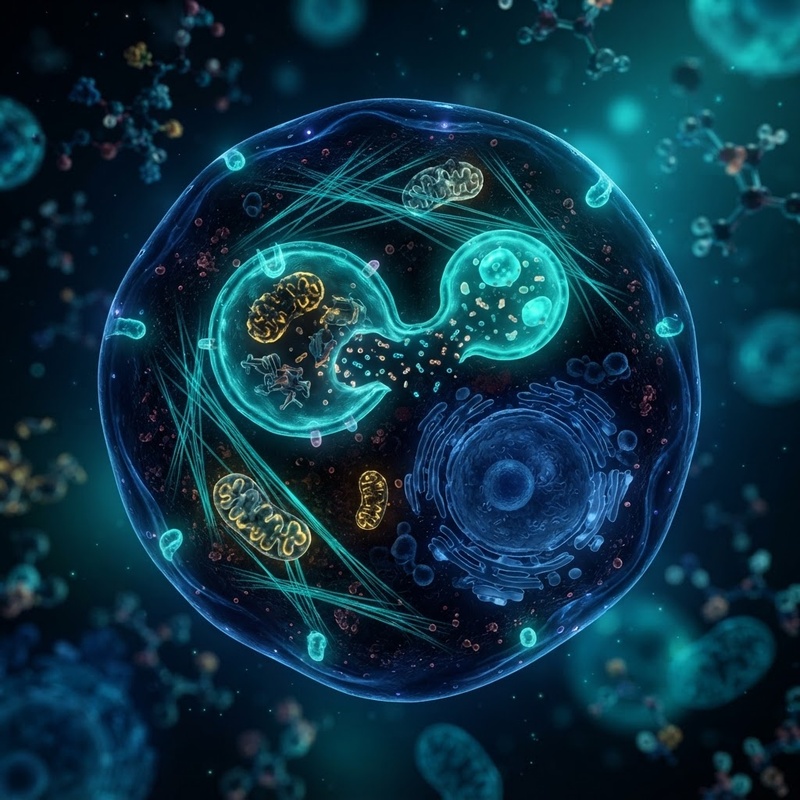
Every second of every day, trillions of cells in the human body carry out complex metabolic processes to keep us functioning, vibrant, and healthy. Just as any active system generates waste, cellular operations create metabolic byproducts, damaged proteins, and worn-out organelles. To stay operating efficiently, cells rely on a sophisticated internal sanitation and recycling system known as autophagy.
Every second of every day, trillions of cells in the human body carry out complex metabolic processes to keep us functioning, vibrant, and healthy. Just as any active system generates waste, cellular operations create metabolic byproducts, damaged proteins, and worn-out organelles. To stay operating efficiently, cells rely on a sophisticated internal sanitation and recycling system known as autophagy.
Derived from the Greek words for "self" (auto) and "eating" (phagy), autophagy literally translates to "self-eating." While the term might sound alarming at first, it actually describes one of the most vital, protective processes in biology. Rather than allowing damaged cellular components to accumulate and impair function, cells systematically disassemble these parts, break them down into fundamental molecular building blocks, and reuse them to build new cellular structures or generate energy.
In recent years, autophagy has captured widespread interest among researchers, clinicians, and health enthusiasts interested in longevity and cellular wellness. Understanding how cellular recycling works—and what current scientific literature reveals about supporting it—provides valuable insight into how our bodies maintain physiological harmony as time passes. Below, the EOS Health Clinical Team explores the mechanics, benefits, research findings, and nuances surrounding autophagy.
Understanding Autophagy: The Body's Built-In Recycling Program
To appreciate how autophagy operates, it helps to imagine a busy manufacturing factory. Over time, machinery parts wear down, surplus materials pile up, and localized debris forms. If factory workers never cleared away old parts, the workspace would eventually become overcrowded, inefficient, and prone to operational errors. Autophagy serves as the cellular maintenance crew that constantly sweeps the floor, disassembles broken equipment, and routes usable raw materials back into production.
What Is Autophagy?
At its core, autophagy is a highly regulated catabolic process where eukaryotic cells degrade their own components via lysosomal machinery. Rather than being a sign of cellular damage, controlled autophagy is a fundamental survival mechanism. When nutrients are abundant, autophagy runs at a baseline level, performing routine maintenance. When cells experience mild environmental stress—such as nutrient scarcity or physical exertion—autophagy accelerates to clear out damaged structures and free up amino acids and fatty acids necessary for vital functions.
The Molecular Machinery: Lysosomes and Autophagosomes
The cellular recycling process follows a carefully orchestrated sequence of events:
- Induction and Initiation: Signaling pathways within the cell, particularly those involving nutrient sensors like mTOR (mechanistic target of rapamycin) and AMPK (AMP-activated protein kinase), detect energy levels and initiate the autophagy cascade.
- Phagophore Formation: A crescent-shaped membrane structure called a phagophore begins to form around targeted cellular debris, damaged proteins, or compromised mitochondria.
- Engulfment and Autophagosome Vesicle Creation: The membrane expands and closes, encapsulating the targeted waste material inside a double-membrane vesicle known as an autophagosome.
- Fusion with Lysosomes: The autophagosome travels through the cell and fuses with a lysosome—a specialized organelle filled with digestive enzymes—forming an autolysosome.
- Degradation and Recycling: The acidic enzymes inside the lysosome break down the enclosed materials into simple amino acids, lipids, sugars, and nucleosides, which are released back into the cytoplasm to be repurposed by the cell.
Why Cellular Housekeeping Matters
Cellular components do not last indefinitely. Proteins can become misfolded due to oxidative stress, mitochondria can lose their electrical potential, and unwanted metabolic debris can impede normal biochemical signaling. By systematically clearing away compromised structures, autophagy helps prevent cellular crowding and maintains homeostasis. This ongoing housekeeping supports normal tissue function across virtually every organ system, from the brain and heart to metabolic tissues and immune cells.
How Autophagy Supports Healthy Aging and Cellular Wellness
As scientists dive deeper into the biology of aging, cellular health has emerged as a cornerstone of longevity research. Aging at the tissue and organismal level reflects the cumulative health of individual cells. When cellular housekeeping functions smoothly, tissues are better equipped to handle environmental stressors and maintain structural integrity over time.
Mitochondrial Maintenance (Mitophagy)
Mitochondria are often called the powerhouses of the cell because they generate adenosine triphosphate (ATP), the primary energy currency of biological life. However, energy production naturally generates reactive oxygen species (ROS) as a byproduct. Over time, ROS can damage mitochondrial DNA and proteins, leading to dysfunctional mitochondria that produce less energy and more oxidative stress.
A specialized form of autophagy called mitophagy specifically targets and degrades impaired mitochondria. By selectively recycling dysfunctional powerhouses, mitophagy helps maintain a population of healthy, efficient mitochondria. Scientific literature indicates that robust mitophagy supports cellular energy production and helps buffer tissues against excessive oxidative stress as individuals grow older.
Clearing Misfolded Proteins and Aggregates
Proteins execute nearly every function within a cell, but they must be folded into precise three-dimensional shapes to work correctly. Heat, oxidative stress, and environmental factors can cause proteins to lose their shape and clump together into insoluble aggregates. Accumulations of misfolded proteins can disrupt normal cellular transport and communication.
Autophagy acts as a primary clearance mechanism for large protein aggregates that are too substantial for smaller cellular degradation pathways (like the ubiquitin-proteasome system) to handle. Efficient clearance of misfolded proteins helps preserve cellular organization and supports healthy organ function, particularly in non-dividing cells like neurons and cardiac myocytes.
Immune Function and Cellular Resilience
Autophagy also plays a distinct role in immunological health through a process known as xenophagy—the selective degradation of intracellular pathogens. When foreign microorganisms enter host cells, autophagic machinery can engulf and deliver them to lysosomes for destruction. Additionally, autophagy aids in antigen presentation, helping immune cells recognize targets and coordinate balanced immune responses.
Lifestyle Factors and Autophagy: What Research Suggests
Because autophagy plays such an integral role in cellular maintenance, researchers have investigated how everyday lifestyle habits might influence this pathway. While direct measurement of autophagy in living human tissue remains complex, experimental models and clinical observations offer valuable clues regarding factors that interact with cellular recycling pathways.
Intermittent Fasting and Nutrient Sensing
One of the most widely studied triggers of autophagy is nutrient deprivation. Cells possess sophisticated molecular sensors that gauge available energy:
- mTOR Pathway: When amino acids and glucose are abundant, the mTOR pathway is active, promoting cell growth and protein synthesis while dampening autophagy.
- AMPK Pathway: When cellular energy drops, the ratio of AMP to ATP rises, activating AMPK. AMPK inhibits mTOR and directly stimulates autophagy to liberate stored energy.
Research suggests that extended periods without calorie intake—such as time-restricted feeding or intermittent fasting—may lower circulating nutrient levels enough to shift cellular signaling toward enhanced housekeeping. However, clinical researchers emphasize that optimal fasting duration and frequency vary significantly among individuals, and extreme fasting is neither necessary nor appropriate for everyone.
Physical Exercise and Cellular Stress Responses
Regular physical exercise is another potent physiological stimulus that interacts with autophagy. During physical exertion, muscle fibers experience acute mechanical stress, increased energy demands, and mild oxidative shifts. Studies indicate that exercise triggers localized autophagy in skeletal muscle, cardiac tissue, and metabolic organs.
This transient, exercise-induced activation appears to facilitate the clearance of damaged cellular components damaged during exertion, supporting muscle adaptation, metabolic efficiency, and recovery. Both aerobic activities (like cycling or brisk walking) and resistance training appear to engage these cellular pathways in distinct, complementary ways.
Dietary Compounds and Polyphenols
Certain naturally occurring dietary compounds—often referred to as caloric restriction mimetics—have attracted scientific interest for their potential interaction with autophagy pathways. Compounds under investigation include:
- Resveratrol: A polyphenol found in red grape skins and berries that has been observed in laboratory models to influence sirtuin signaling and autophagy pathways.
- Spermidine: A polyamine present in foods like wheat germ, aged cheese, mushrooms, and legumes that participates in cellular growth and maintenance.
- Curcumin: The active polyphenol in turmeric root, studied for its antioxidant properties and interaction with cellular stress response pathways.
- Epigallocatechin Gallate (EGCG): A prominent catechin in green tea associated with metabolic and cellular health support.
While preclinical models demonstrate encouraging mechanisms, human studies are ongoing to clarify optimal dosages, bioavailability, and real-world impacts. A balanced diet rich in diverse whole foods remains the most reliable foundation for nutritional support.
Sleep and Circadian Rhythms
Cellular recycling is not an isolated event; it is tightly synchronized with circadian rhythms—the body's internal 24-hour biological clock. Research indicates that autophagic activity exhibits rhythmic fluctuations throughout the day and night, with key repair processes peaking during deep sleep cycles.
Chronic sleep disruption or circadian misalignment can alter normal hormonal cues and cellular maintenance schedules. Prioritizing consistent, high-quality sleep allows the body to complete essential restorative cycles, supporting overall cellular health and vitality.
What Science Knows—and What Remains Unknown
While public enthusiasm for autophagy is high, maintaining an objective, evidence-based perspective is essential. Science has made incredible strides in mapping the molecular steps of cellular recycling, but important nuances and open questions remain.
Measuring Autophagy in Humans
In laboratory settings, scientists measure autophagy using specialized techniques such as fluorescence microscopy, Western blotting for marker proteins (like LC3-II), and transgenic animal models. In living humans, however, non-invasively measuring exact rates of autophagy in real time across specific organs remains a major scientific challenge.
Because blood tests cannot yet directly quantify tissue-specific autophagy, health claims promising that a specific diet or supplement will "boost autophagy by a specific percentage" are often oversimplifications of complex biological mechanisms.
The Balance Between Activation and Regulation
Biological systems thrive on balance, or homeostasis. Autophagy is not a process that should ideally be maximized indiscriminately at all times. Excessive or dysregulated autophagy can lead to indiscriminate breakdown of essential cellular structures. Healthy physiology relies on a balanced dynamic: periods of nutrient abundance and cellular growth alternating naturally with periods of rest, repair, and recycling.
Navigating Claims vs. Clinical Evidence
As wellness trends evolve, consumers frequently encounter exaggerated claims regarding cellular renewal. Studies indicate that while lifestyle habits support fundamental health, no single intervention acts as a magical light switch for cellular maintenance. Individual responses depend on genetic factors, baseline health status, age, activity level, and overall lifestyle patterns.
Partnering with Healthcare Professionals for Longevity & Cellular Health
Navigating the science of healthy aging and cellular wellness works best when approached thoughtfully and individually. What supports cellular health for one person may need adjustment for another based on unique medical histories, metabolic health, and baseline nutrient status.
Personalized Approaches to Healthy Aging
Rather than following generalized internet trends, individuals interested in optimizing cellular health benefit from comprehensive health evaluations. A licensed clinician can evaluate metabolic markers, hormonal balance, cardiovascular health, and nutritional status to help tailor personalized lifestyle protocols.
Whether exploring dietary changes, tailored exercise regimes, or advanced longevity therapies, evidence-guided care ensures that safety and individual health goals remain front and center. Where therapeutic options or compounded medications are discussed in clinical settings, patients should note that compounded medications are formulated for specific patient needs and are not FDA-approved; all prescription treatments require evaluation and oversight by a qualified medical professional.
Working with a Licensed Clinician
If you are interested in learning more about evidence-based strategies to support healthy aging and cellular vitality, consulting with experienced medical professionals provides clear, personalized guidance. Healthcare providers can help you evaluate current research, establish realistic goals, and build a cohesive plan suited to your unique physiological needs.
At EOS Health, our clinical team is dedicated to providing compassionate, evidence-based support tailored to your personal wellness journey. To explore guidance and personalized care options designed to support cellular health and longevity, visit EOS Health Cellular Anti-Aging Solutions and connect with a licensed professional today.
Autophagy
A fundamental biological process by which cells break down and recycle their own damaged or unneeded components using lysosomal enzymes.
Mitophagy
A specialized form of autophagy specifically focused on identifying, degrading, and recycling damaged or dysfunctional mitochondria.
Autophagosome
A double-membrane cellular vesicle that encapsulates damaged cellular components and delivers them to a lysosome for breakdown.
Lysosome
A membrane-bound cellular organelle containing digestive enzymes responsible for degrading waste materials and cellular debris.
mTOR (Mechanistic Target of Rapamycin)
A key protein kinase and nutrient sensor in cells that promotes growth when nutrients are abundant and inhibits autophagy.
AMPK (AMP-Activated Protein Kinase)
An enzyme that serves as a cellular energy sensor, activating autophagy and energy-producing pathways when cellular energy levels are low.
Sources
faq
Common questions, answered.
What is autophagy in simple terms?
Autophagy is the body's natural cellular recycling process. Cells use autophagy to clean out damaged proteins, worn-out organelles, and metabolic debris, breaking them down into basic components to build new cellular structures and generate energy.
How does autophagy support healthy aging?
By removing damaged cellular components and compromised mitochondria, autophagy helps maintain cellular homeostasis and tissue function. This ongoing housekeeping supports normal organ function and cellular resilience as the body ages.
Can intermittent fasting trigger autophagy?
Research indicates that nutrient deprivation, such as during intermittent fasting, signals cells to lower mTOR activity and activate AMPK, which encourages cells to initiate autophagic recycling. However, individual responses vary and fasting duration recommendations should be discussed with a healthcare provider.
How does exercise affect cellular recycling?
Physical exercise creates mild metabolic stress and energy demand in muscle tissues, which triggers localized autophagy. This helps recycle damaged proteins and mitochondria, supporting muscle recovery and metabolic adaptability.
Are there foods or supplements that promote autophagy?
Certain dietary compounds like resveratrol, spermidine, green tea catechins (EGCG), and curcumin are being studied for their potential interactions with cellular recycling pathways. While preclinical research is encouraging, a varied diet rich in whole foods provides the primary foundation for cellular health.
Is more autophagy always better?
No, cellular health requires a dynamic balance between growth and repair. Controlled autophagy is beneficial, but excessive or uncontrolled breakdown can be detrimental. Healthy physiology relies on alternating naturally between nutrient abundance and repair phases.
How can I accurately measure my autophagy levels?
Currently, there is no standardized blood test or non-invasive tool to directly measure real-time autophagy in human tissues. Research studies evaluate biomarkers in laboratory settings, but claims measuring exact individual autophagy rates outside clinical trials are unsupported.
Should I consult a clinician before making major lifestyle changes to target cellular health?
Yes. Before starting extended fasting protocols, intense exercise regimes, or new supplement regimens, consulting a licensed healthcare provider ensures that your approach is safe, personalized, and appropriate for your health profile.
Invest in the years ahead.™
Start free consultationwhat are you waiting for?
You're one click away from a new you.
Fill out our brief form and a licensed physician will evaluate which treatment plan is best for you.