Azelaic Acid: What It Does and Why Clinicians Recommend It
Discover how azelaic acid supports clearer skin, calms redness, and targets hyperpigmentation. Learn why clinicians recommend this gentle skincare ingredient.
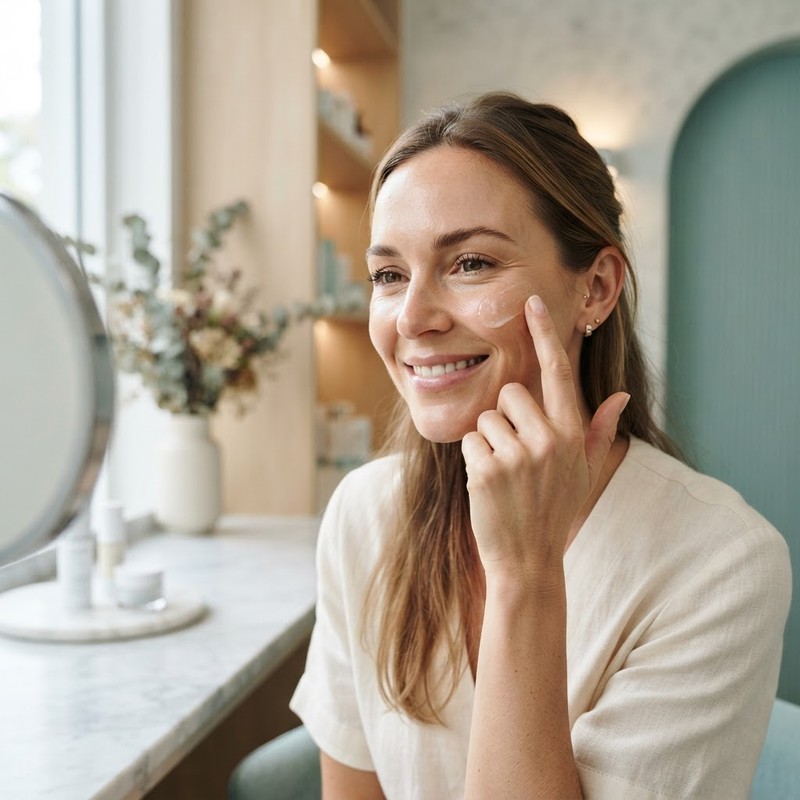
Navigating adult skin changes can feel complex. Whether managing unexpected breakouts, dark spots after a flare-up, or persistent redness, finding a skincare ingredient that addresses multiple concerns without destabilizing your skin barrier is invaluable. Enter azelaic acid—a versatile, clinician-recommended skincare workhorse appreciated by dermatologists and healthcare providers.
Navigating adult skin changes can feel complex. Whether managing unexpected breakouts, dark spots after a flare-up, or persistent redness, finding a skincare ingredient that addresses multiple concerns without destabilizing your skin barrier is invaluable. Enter azelaic acid—a versatile, clinician-recommended skincare workhorse appreciated by dermatologists and healthcare providers.
Unlike aggressive exfoliants that leave skin sensitized, azelaic acid operates through a gentle multimodal mechanism. It supports a clearer appearance, calms visible redness, and helps diminish the look of stubborn hyperpigmentation. In this guide, the EOS Health Clinical Team explores the science behind azelaic acid, how it works across diverse skin tones, how over-the-counter and prescription options differ, and why it may benefit your clinician-guided skincare strategy.
Understanding Azelaic Acid: Origin, Mechanism, and Unique Properties
To appreciate why azelaic acid holds a prized position in clinical dermatology, it helps to understand its origins and biochemical nature. Azelaic acid is a naturally occurring dicarboxylic acid produced by cereal grains such as wheat, rye, and barley. It is also synthesized by Malassezia furfur, a yeast residing on human skin. For skincare formulations, azelaic acid is bio-engineered to ensure purity and skin absorption.
What Is Azelaic Acid?
Biochemically, azelaic acid differs from other skin acids. While AHAs (glycolic acid) and BHAs (salicylic acid) function primarily as chemical exfoliants that loosen cellular bonds or dissolve oil in pores, azelaic acid behaves as a multitasker. It combines mild cellular shedding with antioxidant activity, anti-inflammatory support, and enzymatic regulation. Because it targets hyperactive cellular pathways rather than stripping surface lipids, it is well-tolerated by sensitive skin.
How Azelaic Acid Interacts with the Skin Barrier
When applied topically, azelaic acid penetrates into epidermal layers where cellular turnover occurs. Research indicates that azelaic acid helps normalize follicular keratinization. In congestion-prone skin, cells stick together and clog pores. Azelaic acid assists in regulating cellular shedding so dead cells separate cleanly rather than accumulating inside pores.
Additionally, azelaic acid acts as a scavenger of reactive oxygen species (ROS). Environmental stressors generate free radicals that induce oxidative stress and trigger inflammation. By neutralizing free radicals, azelaic acid maintains a calm microenvironment, protecting cellular components and supporting healthy barrier function.
Comparing Azelaic Acid to Other Popular Skincare Acids
Many women wonder how azelaic acid compares to glycolic or salicylic acid. Glycolic acid dissolves surface cellular glue to enhance radiance, but higher concentrations can cause stinging. Salicylic acid dissolves lipid oil deep in pores for blackheads, but can cause localized dryness.
Azelaic acid offers mild keratolytic action without causing photosensitivity or stripping the stratum corneum. Furthermore, studies indicate that azelaic acid exhibits anti-tyrosinase activity—a feature not shared by standard BHAs or AHAs—allowing it to target hyperpigmentation while managing breakouts and redness.
The Clinical Trifecta: Managing Breakouts, Redness, and Dark Spots
Clinicians frequently refer to azelaic acid as a versatile ingredient because it addresses three widespread dermatological concerns: blemish-prone skin, facial redness, and hyperpigmentation.
Addressing Blemish-Prone Skin and Hormonal Breakouts
Hormonal fluctuations during menstrual cycles, perimenopause, or stress can trigger adult breakouts, often manifesting as tender papules along the jawline. Azelaic acid supports clearer skin through a dual mechanism. First, its antimicrobial properties help suppress Cutibacterium acnes, a primary bacterium implicated in acne flare-ups. Unlike topical antibiotics, azelaic acid does not induce bacterial resistance, making it suitable for long-term maintenance.
Second, by reducing follicular hyperkeratosis and soothing localized inflammation, azelaic acid helps prevent microcomedones from developing into inflammatory papules. Clinicians often recommend azelaic acid as a gentle alternative or complementary support for individuals who find traditional treatments overly drying.
Calming Facial Redness and Sensitive Skin Concerns
Facial redness and persistent flushing can stem from elevated vascular reactivity, characteristics associated with sensitive skin or rosacea. Azelaic acid has been studied for its ability to calm vascular and cellular inflammation. It helps reduce pro-inflammatory cytokines and decreases kallikrein-5 and cathelicidin peptides, key inflammatory mediators in redness-prone skin.
For individuals dealing with skin sensitivity or papulopustular rosacea, finding active ingredients that do not provoke burning is essential. Azelaic acid's soothing mechanism calms facial flushing and smoothes papules while respecting barrier integrity.
Targeting Hyperpigmentation and Uneven Skin Tone
Hyperpigmentation—whether post-inflammatory hyperpigmentation (PIH) left behind after blemishes clear, sun spots, or melasma—occurs when melanocytes produce excess melanin in response to injury, UV exposure, or hormonal shifts. Azelaic acid acts as a competitive inhibitor of tyrosinase, the rate-limiting enzyme in melanin synthesis.
What makes azelaic acid remarkable clinically is its selective activity toward abnormal, hyperactive melanocytes. It targets cells overproducing pigment while demonstrating minimal effect on normal melanocytes responsible for baseline skin color. As a result, it helps fade dark spots without lightening surrounding skin. Note that while dark spots can often be managed with targeted skincare, conditions like melasma or complex pigmentary changes should never be self-diagnosed; evaluation by a qualified clinician ensures an accurate diagnosis and a customized care plan.
Azelaic Acid in Skin of Color: Evidence for Gentle, Inclusive Care
Dermatological care must be thoughtful when considering diverse skin phototypes. Melanin-rich skin (Fitzpatrick types IV through VI) possesses rich pigment, but is naturally more prone to developing stubborn post-inflammatory hyperpigmentation whenever skin experiences trauma, acne, or chemical irritation.
Understanding Post-Inflammatory Hyperpigmentation (PIH)
Post-inflammatory hyperpigmentation occurs when localized inflammation stimulates epidermal melanocytes to overproduce melanin, depositing pigment into surrounding skin layers. In darker skin tones, even mild acne blemishes or minor irritation can leave behind dark marks that persist. Addressing PIH requires ingredients that calm active inflammation while regulating ongoing pigment synthesis.
Why Selectivity Matters for Richer Skin Tones
Many traditional skin-brightening agents carry risks when applied to skin of color. Harsh chemical peels or non-selective brightening agents can cause secondary inflammation or hypopigmentation (unintended loss of baseline skin pigment). Azelaic acid stands out because of its high cellular selectivity. Clinical research highlights that azelaic acid selectively inhibits abnormal melanocytes without altering normal background pigmentation. This makes it a safe, clinician-favored option for women of color seeking to refine skin tone without risking unwanted discoloration.
Avoiding Rebound Pigmentation with Gentle Multitaskers
Rebound hyperpigmentation occurs when aggressive treatments initially lighten pigment but ultimately trigger reactive inflammation, resulting in darker spots than before. Because azelaic acid reinforces barrier health, neutralizes free radicals, and calms underlying inflammatory pathways, it mitigates the risk of rebound pigment shifts. Clinicians emphasize patience and consistency: gradual improvement using gentle formulations yields safer, more sustainable results for melanin-rich skin over time.
Formulations, Concentrations, and Clinician-Guided Options
Azelaic acid is available in various concentrations, from over-the-counter serums to prescription-strength gels and creams, as well as customized compounded formulations designed by clinicians for specific therapeutic needs.
Over-the-Counter Strengths versus Prescription Concentrations
Over-the-counter (OTC) products typically contain azelaic acid at 5% to 10% concentrations. These OTC formulations are suitable for daily maintenance, texture refinement, and mild brightness. They are accessible without a prescription and easily integrated into a general routine.
In contrast, prescription formulations contain 15% or 20% azelaic acid. Specific prescription products have received FDA approval for clinical indications, including 15% gel and foam formulations FDA-approved for mild-to-moderate rosacea, and 20% cream formulations FDA-approved for mild-to-moderate inflammatory acne vulgaris. Prescription-strength azelaic acid delivers higher bio-availability to targeted skin layers and is prescribed following evaluation by a licensed healthcare provider.
Exploring Custom and Compounded Formulations
In clinical practice, skincare needs are rarely one-size-fits-all. A clinician may evaluate your skin profile and consider whether a customized compounded formulation might be appropriate for your goals. Compounded medications allow compatible active ingredients to be combined into a single tailored product.
For example, clinicians might consider custom formulations such as hydroquinone, tranexamic acid, and azelaic acid blends for pigment concerns, or tretinoin and clindamycin custom combinations for acne. Other options discussed in clinical settings include topical GHK-Cu copper peptide creams to support skin elasticity and healthy aging, or oral spironolactone for women dealing with systemically driven hormonal breakouts.
Understanding regulatory status is important for healthcare decisions. Tretinoin is an FDA-approved prescription medication for acne vulgaris and is commonly prescribed by clinicians to address visible signs of skin aging. Spironolactone is an FDA-approved prescription diuretic medication commonly prescribed off-label for adult hormonal acne in women. In contrast, custom compounded topical products—such as hydroquinone/tranexamic/azelaic blends, tretinoin+clindamycin blends, or GHK-Cu copper peptide creams—are prepared by specialized compounding pharmacies according to individual clinician prescriptions. These compounded formulations as finished multi-ingredient products are NOT FDA-approved. Presenting them as tailored options allows clinicians to adapt therapy based on clinical evaluations. Note that hydroquinone is available exclusively by prescription in the United States.
Navigating Ingredient Pairings in Your Skincare Regimen
Azelaic acid pairs exceptionally well with many other skincare ingredients, making it an ideal team player in a holistic routine. Niacinamide (Vitamin B3) combines anti-inflammatory and barrier-strengthening benefits to enhance calm and even out skin tone. Hyaluronic acid and ceramides provide deep hydration and lipid barrier support to offset any mild initial dryness. Topical retinoids (such as prescription tretinoin) can be paired under clinician guidance—often using tretinoin at night and azelaic acid in the morning—to support cellular renewal and healthy aging goals while keeping congestion at bay. Vitamin C (L-ascorbic acid) offers complementary antioxidant protection against environmental oxidative stress.
Incorporating Azelaic Acid into Your Daily Routine Safely and Effectively
Introducing a new active ingredient into your daily regimen requires a thoughtful approach to ensure skin comfort and barrier resilience.
Step-by-Step Application Guidelines
To maximize benefits while minimizing potential irritation, consider following these simple steps:
1. Cleanse Gently: Wash your face with a mild cleanser and lukewarm water. Gently pat dry with a soft towel, avoiding scrubbing.
2. Ensure Skin Is Fully Dry: Applying active ingredients to damp skin can increase depth of absorption and initial tingling. Wait 2 to 3 minutes until skin is dry.
3. Apply a Thin Layer: Dispense a pea-sized amount of azelaic acid over the face, avoiding the delicate eye contour and lip area.
4. Hydrate and Protect: Follow with a nourishing moisturizer rich in ceramides or hyaluronic acid to lock in moisture. In the morning, finish with a broad-spectrum sunscreen offering SPF 30 or higher.
Managing Early Skin Adjustments and Barrier Support
When starting azelaic acid—especially prescription formulations—it is common to experience mild initial skin adjustment symptoms. These may include temporary light tingling, mild dryness, or minor flaking during the first two to three weeks. These sensations typically diminish as skin adapts.
If you experience mild tingling, starting application every other day for the first two weeks can help your skin build tolerance comfortably. Always prioritize hydration and avoid combining new active ingredients simultaneously without guidance. If persistent irritation occurs, pause application and consult your clinician.
Partnering with a Licensed Clinician for Personalized Care
Every woman's skin is unique, influenced by genetics, hormone balance, stress levels, environment, and lifestyle transitions. Rather than relying on guesswork, working directly with a licensed healthcare professional allows you to build a safe, evidence-informed skincare strategy customized specifically for your skin's needs.
Whether exploring over-the-counter options, discussing prescription therapies like tretinoin or spironolactone, or evaluating clinician-guided compounded formulations, professional medical evaluation ensures that your skin receives precise support. If you are ready to explore personalized skincare solutions tailored to your unique skin profile, visit EOS Health Skincare Services to connect with a licensed clinical professional today.
Dicarboxylic Acid
An organic compound containing two carboxylic acid functional groups. Azelaic acid is a dicarboxylic acid known for its mild exfoliation, antioxidant properties, and anti-inflammatory support.
Tyrosinase
A key enzyme involved in the biochemical synthesis of melanin pigment. Inhibiting tyrosinase helps prevent and fade hyperpigmentation and uneven skin tone.
Post-Inflammatory Hyperpigmentation (PIH)
Darkened spots or discolored areas left behind on the skin after an inflammatory event, such as an acne breakout, injury, or chemical irritation.
Keratolytic
An agent that encourages the shedding of dead epidermal skin cells, helping to unclog pores and prevent follicular congestion.
Follicular Hyperkeratosis
A condition where excessive keratin accumulates in hair follicles, trapping sebum and dead skin cells, which can lead to comedones and acne breakouts.
Sources
faq
Common questions, answered.
What is azelaic acid and how does it work on the skin?
Azelaic acid is a dicarboxylic acid naturally derived from cereal grains and synthesized by human skin microorganisms. It works by normalizing cell turnover inside pores, reducing acne-causing bacteria, calming inflammatory redness, and inhibiting tyrosinase to manage excess pigment production.
Can azelaic acid be used every day?
Yes. Many individuals use azelaic acid once or twice daily after building tolerance. When starting, clinicians often recommend applying it every other day for the first two weeks to minimize potential mild tingling or dryness.
What is the difference between over-the-counter and prescription azelaic acid?
Over-the-counter formulations typically contain 5% to 10% azelaic acid and are suited for mild brightness and texture maintenance. Prescription formulations contain 15% or 20% azelaic acid and have received FDA approval for clinical indications such as rosacea and inflammatory acne.
Is azelaic acid safe for skin of color?
Yes. Azelaic acid is highly regarded for melanin-rich skin because it selectively targets hyperactive, abnormal melanocytes without bleaching baseline skin tone. This selectivity helps reduce post-inflammatory hyperpigmentation without risking unintended skin discoloration.
Can I combine azelaic acid with prescription tretinoin or niacinamide?
Azelaic acid pairs exceptionally well with niacinamide for barrier support and can be combined with prescription tretinoin under clinical supervision. Clinicians often suggest applying azelaic acid in the morning and tretinoin at night to minimize potential dryness.
How long does it take to notice improvements with azelaic acid?
While individual experiences vary, initial improvements in skin texture and inflammation are often noticed within 4 to 6 weeks, with more significant changes in hyperpigmentation becoming visible after 8 to 12 weeks of consistent use.
Does azelaic acid cause sun sensitivity?
Unlike alpha-hydroxy acids (such as glycolic acid), azelaic acid does not increase skin photosensitivity. However, applying daily broad-spectrum SPF 30+ is essential to protect skin and prevent hyperpigmentation from worsening due to UV exposure.
Are compounded azelaic acid formulations FDA-approved?
Individual active ingredients like prescription tretinoin (FDA-approved for acne) or spironolactone (FDA-approved as a diuretic) have specific FDA approvals. However, customized compounded topical combinations prepared by specialized pharmacies are not FDA-approved as finished combination products.
Great skin starts with the right protocol.™
Start free consultationwhat are you waiting for?
You're one click away from a new you.
Fill out our brief form and a licensed physician will evaluate which treatment plan is best for you.