Blue Zones: What Long-Lived Communities Have in Common
Discover key lifestyle habits from Blue Zones around the world. Learn how plant-forward eating, daily movement, and social ties support healthy aging.
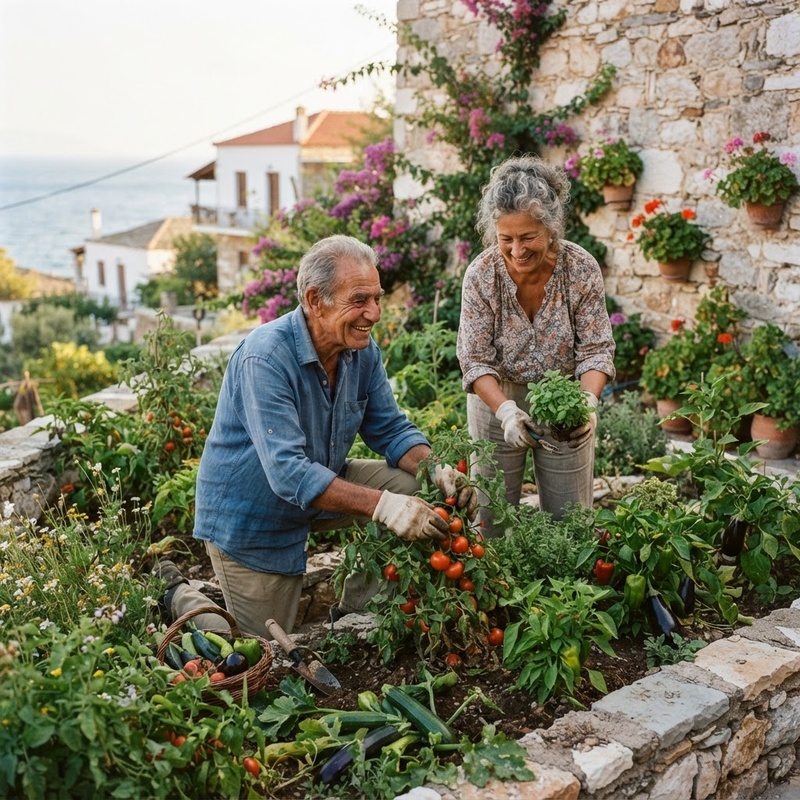
Across the globe, demographic researchers and health scientists have identified five geographic regions where people routinely live longer, healthier lives than anywhere else in the world. These regions—collectively known as the "Blue Zones"—include Okinawa in Japan, Sardinia in Italy, Nicoya in Costa Rica, Ikaria in Greece, and Loma Linda in California. What makes these geographic pockets so extraordinary is not access to futuristic medical technology or hyper-specialized fitness regimens. Instead, researchers have uncovered common lifestyle patterns, environmental design choices, and social structures that collectively support vitality into advanced age.
Across the globe, demographic researchers and health scientists have identified five geographic regions where people routinely live longer, healthier lives than anywhere else in the world. These regions—collectively known as the "Blue Zones"—include Okinawa in Japan, Sardinia in Italy, Nicoya in Costa Rica, Ikaria in Greece, and Loma Linda in California. What makes these geographic pockets so extraordinary is not access to futuristic medical technology or hyper-specialized fitness regimens. Instead, researchers have uncovered common lifestyle patterns, environmental design choices, and social structures that collectively support vitality into advanced age.
While these geographic regions span distinct cultures, climates, and cuisines, they share foundational habits that foster cellular wellness, metabolic resilience, and cardiovascular health. Understanding these common threads offers valuable, research-backed insights for anyone interested in supporting their own long-term well-being. By observing how these communities eat, move, connect, and manage daily stressors, individuals can adopt practical habits that seamlessly integrate into a modern American lifestyle.
1. Natural Movement Woven Into Daily Life
In contemporary society, physical activity is often treated as a discrete task—something scheduled during a sixty-minute workout session at the gym or a high-intensity cardio class. In Blue Zones, however, exercise is not a separate activity on a calendar. Instead, physical movement is built into the very architecture of daily living.
Residents of these long-lived communities engage in low-intensity physical movement continuously throughout the day. They walk to the local market, tend to personal gardens, knead bread by hand, climb steep hillside steps, and perform routine household chores without relying on modern automation. This continuous, low-grade physical movement keeps muscles active, supports joint mobility, and promotes efficient circulation without placing excessive physical strain or acute stress on the cardiovascular system.
The Health Science Behind Low-Intensity Movement
Exercise physiology research highlights several biological mechanisms through which frequent, moderate physical activity supports long-term health:
- Metabolic Support: Frequent light activity helps regulate blood glucose levels after meals by encouraging muscle tissues to absorb glucose without requiring massive insulin spikes.
- Cardiovascular Efficiency: Steady, low-impact walking supports endothelial function and encourages blood vessel elasticity over time.
- Joint and Bone Maintenance: Weight-bearing movement like walking and gardening stimulates bone density maintenance and keeps synovial fluid circulating within joints.
Practical Takeaways for Modern Routines
Incorporating natural movement into a busy schedule does not require a complete lifestyle overhaul. Practical modifications can include taking brief five-minute walking breaks every hour during desk work, choosing stairs instead of elevators, engaging in weekend gardening or yard work, and replacing short car trips with active walking or cycling whenever feasible.
2. Plant-Forward Eating and Mindful Consumption
Nutrition across all five Blue Zones centers overwhelmingly on whole, minimally processed plant foods. While dietary choices vary based on regional agricultural availability, the core caloric intake in these regions relies heavily on legumes, vegetables, whole grains, tubers, and healthy plant fats.
For example, the traditional Okinawan diet historically emphasized sweet potatoes, soy products like tofu and miso, and a rich variety of green vegetables. In Sardinia and Ikaria, wild greens, chickpeas, fava beans, whole-wheat sourdough, and polyphenol-rich olive oil dominate daily meals. In Nicoya, the dietary staple revolves around corn tortillas, black beans, and squash—often referred to as the "three sisters" of Mesoamerican agriculture.
Key Nutritional Patterns in Blue Zones
Research examining the dietary habits of centenarians in these regions reveals several recurring principles:
- Legumes as a Primary Protein Source: Beans, lentils, and chickpeas provide complex carbohydrates, plant protein, and abundant dietary fiber, supporting gut microbiome diversity and digestive health.
- Minimal Refined Sugar and Processed Foods: Desserts and added sugars are generally reserved for rare celebrations rather than consumed as daily treats.
- Healthy Monounsaturated Fats: Extra virgin olive oil, nuts, and seeds provide essential fatty acids that support healthy lipid profiles and cellular membrane structure.
- Moderate Meal Sizing: Blue Zone cultures often eat their smallest meal in the late afternoon or early evening, allowing adequate digestive rest overnight.
Mindful Eating Practices: The 80% Rule
Beyond what these communities eat, how they eat plays an equally critical role in metabolic wellness. In Okinawa, elders practice the cultural phrase "Hara Hachi Bu," a reminder spoken before meals to stop eating when one feels approximately eighty percent full. This practice prevents overeating, aids digestive efficiency, and supports long-term metabolic balance by respecting the delayed hormonal signals of satiety.
3. Purpose, Routine, and Daily Stress Reduction
Chronic stress is recognized as a major contributor to systemic inflammation, elevated cortisol levels, and age-related physiological strain. While individuals in Blue Zones experience daily life stresses like anyone else, their cultures incorporate daily habits that routinely reset the nervous system and clear stress accumulation.
The Power of Purpose: Ikigai and Plan de Vida
In Okinawa, the concept of "Ikigai" translates loosely to "the reason for which you wake up in the morning." In Nicoya, a similar phrase, "Plan de Vida," emphasizes having a clear sense of personal purpose and responsibility to one's family and community. Psychological research suggests that maintaining a defined sense of purpose is correlated with greater emotional resilience, lower stress reactivity, and better cognitive engagement throughout aging.
Downshifting Rituals
Blue Zone residents regularly engage in structured daily "downshifting" practices designed to calm the sympathetic nervous system. Examples of these traditional practices include:
- Afternoon Naps: Taking a brief rest period during the hottest hours of the day, a common tradition in Mediterranean and Latin American regions.
- Prayer and Contemplation: Quiet spiritual practice, such as the Seventh-day Adventist sabbath observation in Loma Linda, California.
- Social Hour: Gathering with neighbors and friends in the late afternoon to share stories and relax.
These practices encourage a shift from the high-stress "fight-or-flight" sympathetic state into the restful parasympathetic state, promoting cellular repair and digestive recovery.
4. Strong Social Connections and Intergenerational Bonds
Human beings are intrinsically social creatures, and scientific literature increasingly links social connectedness with physical longevity. Social isolation and loneliness have been shown to impact health markers similarly to physical inactivity or poor diet.
In Blue Zones, social cohesion is woven directly into the culture rather than treated as an afterthought:
- Commitment to Family: Aging family members often live with or near children and grandchildren, fostering mutual support, shared responsibilities, and emotional warmth across generations.
- Lifelong Friendships: Okinawans form "Moai"—groups of five friends who commit to supporting each other financially, socially, and emotionally throughout their entire lives.
- Faith and Community Networks: Participating in spiritual or faith-based groups provides regular opportunities for connection, shared values, and mutual assistance during difficult times.
Belonging to a supportive social circle fosters emotional security, reduces anxiety, and provides a strong safety net during life challenges, all of which contribute positively to emotional and physical well-being.
5. Creating an Environment That Supports Healthy Choices
A central insight from longevity research is that people in Blue Zones do not necessarily possess superior willpower compared to others. Instead, their physical and social environments are designed so that healthy choices become the path of least resistance.
In walkable villages, walking to the store is more convenient than driving. In communities with abundant local agriculture, fresh vegetables are more accessible and affordable than ultra-processed snacks. In supportive neighborhoods, social interaction occurs naturally through daily outdoor encounters.
Designing Your Personal Environment
While modern urban and suburban environments may not naturally mirror a Mediterranean village or Okinawan town, individuals can intentionally structure their personal environments to encourage healthy habits:
- Kitchen Setup: Keep fresh fruit bowls visible on countertops while placing processed snacks out of sight in pantries.
- Workspace Ergonomics: Position water bottles nearby and set gentle timer reminders to stretch or take short walking breaks.
- Digital Boundaries: Establish quiet technology-free zones in bedrooms to support restorative sleep architecture.
6. Combining Lifestyle Habits with Personalized Clinical Care
Adopting lifestyle habits inspired by Blue Zones provides a strong foundation for overall well-being. However, healthy lifestyle practices work best when complemented by professional health oversight. Every individual possesses a unique genetic profile, hormonal baseline, and metabolic history that warrants personalized clinical consideration.
Working alongside qualified clinical care professionals allows individuals to track key blood biomarkers, assess cardiovascular risk factors, evaluate metabolic profiles, and address specific health needs safely. A comprehensive approach to healthy aging combines the time-tested daily habits of long-lived populations with modern diagnostic insights and evidence-based guidance.
Partnering with EOS Health for Healthy Aging
At EOS Health, we recognize that healthy aging is a lifelong journey shaped by nutrition, active living, stress management, and expert clinical support. Our clinical team works with individuals to evaluate baseline health metrics, offer tailored guidance, and support ongoing wellness goals.
Whether you are looking to optimize your daily habits or explore clinical strategies tailored to your metabolic and longevity goals, partnering with experienced healthcare professionals ensures your approach is safe, personalized, and grounded in current research.
Interested in supporting your healthy aging journey? Explore personalized longevity guidance and clinical care options at EOS Health Longevity Care.
Centenarian
An individual who has reached or surpassed 100 years of age. Researchers study centenarians in Blue Zones to understand environmental, genetic, and lifestyle factors associated with healthy aging.
Ikigai
A Japanese concept from Okinawa translating to "a reason for being." It represents the intersection of passion, mission, and daily purpose that motivates individuals throughout their lives.
Hara Hachi Bu
An Okinawan cultural phrase spoken before meals, instructing individuals to eat until they are 80 percent full to prevent overeating and promote digestive efficiency.
Plant-Forward Diet
A dietary pattern that emphasizes plant-based foods such as vegetables, legumes, whole grains, nuts, and seeds, while not completely excluding small amounts of animal products.
Moai
A traditional social support group in Okinawa consisting of five friends who commit to providing social, emotional, and practical support to one another throughout life.
Telehealth Longevity Support
Remote clinical care services that enable patients to consult with licensed healthcare professionals, monitor health markers, and receive personalized wellness guidance from home.
Sources
faq
Common questions, answered.
What are the original five Blue Zones identified by researchers?
The original five Blue Zones are Okinawa (Japan), Sardinia (Italy), Nicoya (Costa Rica), Ikaria (Greece), and Loma Linda (California, USA). These regions were identified by demographic researchers for their unusually high concentration of individuals living active, healthy lives into their 90s and 100s.
Do I need to follow a strictly vegetarian or vegan diet to adopt Blue Zone principles?
No, a strictly vegetarian or vegan diet is not mandatory. While Blue Zone diets are overwhelmingly plant-forward—focusing heavily on beans, vegetables, grains, and nuts—some populations include moderate amounts of fish, dairy, or meat during special occasions or family meals. The primary takeaway is emphasizing whole plant foods as the foundation of daily nutrition.
What is "Hara Hachi Bu" and how is it practiced?
Hara Hachi Bu is a traditional Confucian teaching practiced in Okinawa that encourages individuals to stop eating when they feel roughly 80% full. Practicing this involves eating mindfully, chewing slowly, and pausing mid-meal to check in with internal satiety cues before taking additional servings.
How much physical activity do people in Blue Zones typically get?
People in Blue Zones rarely participate in structured workouts. Instead, they accumulate several hours of low-to-moderate physical movement naturally throughout the day through walking, gardening, household work, and manual tasks. This continuous, low-impact activity supports cardiovascular and joint health without causing excess physical exhaustion.
Why is social connection emphasized so strongly for longevity?
Research indicates that strong social connection helps buffer chronic psychological stress, lowers anxiety levels, and fosters emotional resilience. Strong community and family ties give individuals a sense of security and belonging, which positively influences emotional and physical health markers over time.
Can lifestyle changes support healthy aging if started later in life?
Yes. Studies indicate that adopting healthy nutrition, engaging in regular physical movement, and reducing daily stress can offer meaningful health benefits regardless of when these habits begin. Lifestyle improvements at any stage support cardiovascular function, joint mobility, and overall vitality.
How does stress management affect long-term physical health?
Chronic stress triggers the continuous release of stress hormones like cortisol and adrenaline, which can contribute to elevated blood pressure, digestive disruption, and systemic inflammation over time. Daily downshifting habits help reset the nervous system, promoting balance and cellular recovery.
How does clinical oversight complement Blue Zone lifestyle habits?
While daily habits form the cornerstone of well-being, clinical oversight provides objective diagnostic tools—such as blood marker analysis and metabolic evaluations—to tailor health strategies to your specific biology. Consulting a licensed clinician ensures that lifestyle modifications and medical guidance align safely with your individual health profile.
Invest in the years ahead.™
Start free consultationwhat are you waiting for?
You're one click away from a new you.
Fill out our brief form and a licensed physician will evaluate which treatment plan is best for you.