Body Skincare: Extending Your Routine Below the Neck
Learn how to extend your routine below the neck with dedicated body skincare. Discover key ingredients, barrier support, and exfoliation tips from EOS Health.
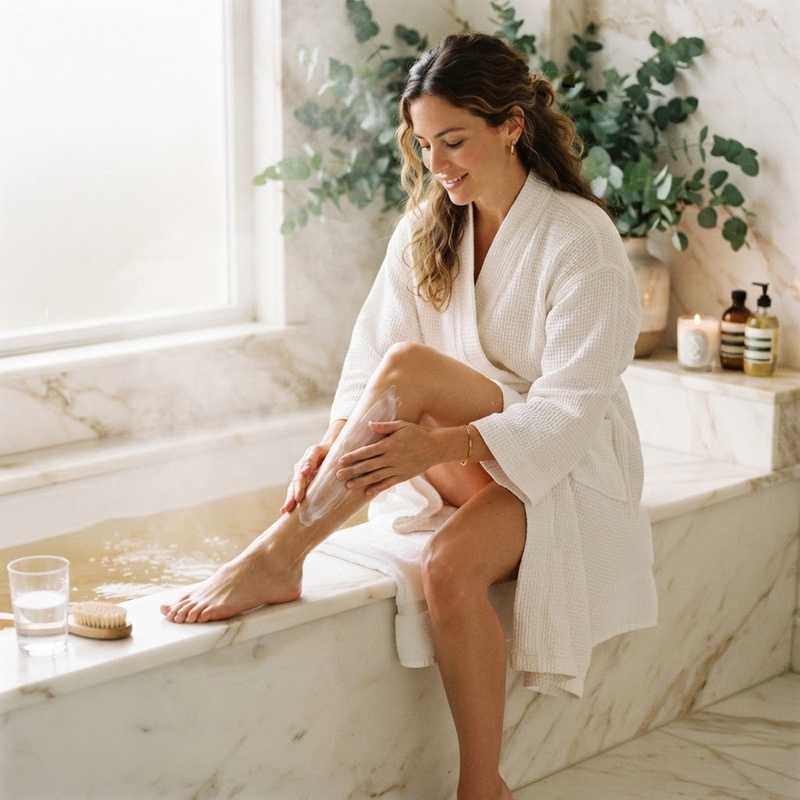
For many individuals, daily skin care begins and ends at the jawline. Facial cleansers, targeted serums, restorative moisturizers, and broad-spectrum sunscreens receive meticulously planned placement in morning and evening regimens. However, the skin covering the rest of the body—from the delicate neck and chest down to the hands, legs, and feet—represents over ninety percent of the body's total surface area. Despite this vast surface coverage, body care is frequently reduced to a quick rinse in the shower followed by occasional application of a basic lotion when dryness becomes uncomfortable.
For many individuals, daily skin care begins and ends at the jawline. Facial cleansers, targeted serums, restorative moisturizers, and broad-spectrum sunscreens receive meticulously planned placement in morning and evening regimens. However, the skin covering the rest of the body—from the delicate neck and chest down to the hands, legs, and feet—represents over ninety percent of the body's total surface area. Despite this vast surface coverage, body care is frequently reduced to a quick rinse in the shower followed by occasional application of a basic lotion when dryness becomes uncomfortable.
Extending a structured skincare routine below the neck is not merely an aesthetic preference; it is a foundational aspect of overall dermatological health. The skin on the body faces distinct environmental stressors, structural differences, and physiological aging patterns that differ significantly from facial tissue. Understanding how body skin functions, identifying its specific requirements, and applying targeted ingredients can help maintain smooth texture, support barrier integrity, and promote long-term cutaneous health. This comprehensive guide explores the science of body skincare, key ingredients to look for, targeted strategies for specific body zones, and how to build a simple yet effective daily routine.
Why the Body Needs Dedicated Care Beyond Facial Skincare
While all human skin shares the same basic structural architecture—comprising the epidermis, dermis, and subcutaneous tissue—the physiological characteristics of body skin differ from facial skin in several important ways. Recognizing these anatomical nuances helps explain why facial products do not always translate directly to body needs, and why dedicated body care formulations are essential.
Epidermal Thickness and Cell Turnover
The thickness of the epidermis varies markedly across different areas of the body. Areas such as the palms of the hands and soles of the feet feature a significantly thickened stratum corneum designed to withstand mechanical friction. Conversely, areas like the chest, inner arms, and neck possess relatively thin epidermal layers. Additionally, cellular turnover rates on the body are generally slower than on the face. Slower desquamation—the natural shedding of dead skin cells—can lead to a buildup of dull, dry surface cells, contributing to rough texture, flaking, and clogged follicles on areas like the thighs, upper arms, and back.
Sebaceous Gland Density and Lipid Production
The face, scalp, and upper chest contain the highest concentration of sebaceous glands per square centimeter. These glands produce sebum, a complex mixture of lipids that helps lubricate the skin and maintain its protective lipid barrier. In contrast, areas such as the lower arms, shins, and ankles possess far fewer sebaceous glands. Consequently, these regions produce minimal natural oil, making them particularly vulnerable to dryness, barrier compromise, and environmental irritation, especially during cold or low-humidity weather.
Environmental and Mechanical Stressors
Body skin encounters unique physical influences that facial skin rarely experiences. Constant contact with clothing textiles causes mechanical friction, which can wick away moisture and irritate delicate skin. Exposure to hot shower water, harsh body soaps, synthetic fragrances, and hard water minerals can strip essential lipids from the stratum corneum. Furthermore, areas frequently exposed to solar radiation—such as the neck, chest, and hands—accumulate cumulative ultraviolet damage over time, leading to premature breakdown of collagen and elastin fibers.
Key Active Ingredients for Effective Body Care
Modern body care formulations have evolved far beyond basic occlusive ointments. Incorporating active ingredients similar to those found in high-performance facial serums can help address specific body skin concerns, ranging from chronic dryness to uneven texture.
Exfoliants: AHAs, BHAs, and Polyhydroxy Acids
Chemical exfoliants offer a gentle and precise method for clearing accumulated dead surface cells without the micro-tears sometimes caused by harsh physical scrubs.
- Alpha Hydroxy Acids (AHAs): Water-soluble acids such as glycolic acid and lactic acid work by dissolving the intercellular bonds that hold dead skin cells together. Lactic acid is particularly advantageous for body care because it functions as both an exfoliant and a natural humectant, helping draw moisture into the stratum corneum while softening rough areas.
- Beta Hydroxy Acids (BHAs): Salicylic acid is lipid-soluble, allowing it to penetrate into oil-filled pores and follicular structures. It is especially beneficial for smoothing follicular congestion, addressing back or chest breakouts, and refining rough texture associated with keratosis pilaris.
- Polyhydroxy Acids (PHAs): Larger molecule acids like gluconolactone provide mild surface exfoliation with minimal potential for irritation, making them ideal for sensitive or compromised skin zones.
Hydrators and Humectants
Humectants are water-attracting molecules that draw moisture from the environment and deeper dermal layers into the outer stratum corneum. Key humectants for body formulations include:
- Glycerin: A classic, highly effective humectant that restores hydration and enhances skin smoothness.
- Hyaluronic Acid: Capable of holding up to one thousand times its weight in water, helping plump dehydrated tissue on the neck, chest, and arms.
- Urea: A naturally occurring component of the skin's natural moisturizing factor (NMF). In low concentrations (under ten percent), urea acts as an intensive hydrator; in higher concentrations, it exhibits mild keratolytic properties that help soften thick, calloused skin on the elbows and feet.
Barrier-Supporting Lipids and Niacinamide
To retain hydration and guard against irritants, the skin barrier requires a balanced blend of replenishing lipids and calming agents:
- Ceramides: Essential lipid molecules that make up roughly fifty percent of the stratum corneum matrix. Topically applied ceramides reinforce the protective barrier, reduce trans-epidermal water loss (TEWL), and improve skin resilience.
- Free Fatty Acids and Cholesterol: Work synergistically with ceramides to restore lipid equilibrium in dry or mature skin.
- Niacinamide (Vitamin B3): Supports natural ceramide synthesis, calms redness, and helps diminish the appearance of hyperpigmentation from past sun exposure or irritation.
Targeting Specific Body Zones
Different areas of the body present distinct physiological profiles and require tailored care strategies.
The Neck and Décolletage
The skin on the neck and chest is delicate, thin, and frequently exposed to ultraviolet radiation. Because it contains fewer sebaceous glands, it is prone to dryness and early visible signs of solar damage, such as fine lines, redness, and mottled pigmentation. When caring for this region:
- Apply gentle, hydrating formulations rather than heavy, highly concentrated active ingredients that might induce irritation.
- Extend facial sun protection down to the chest daily, using broad-spectrum SPF 30 or higher.
- Avoid aggressive physical scrubbing or pulling during application; use upward, sweeping motions.
Arms and Legs
The limbs, particularly the outer upper arms and lower legs, commonly experience dryness, scaling, and bumpy texture. Keratosis pilaris—a benign condition characterized by keratin buildup in hair follicles—frequently appears on the backs of the upper arms and thighs.
- Incorporate a gentle lactic acid or salicylic acid body lotion two to three times weekly to help clear keratin plugs.
- Apply rich cream or balm-based moisturizers immediately following bathing while the skin remains slightly damp to seal in hydration.
- Consider products containing ceramides and shea butter to restore flexibility to dry shin and knee skin.
Back and Shoulders
The upper back and shoulders possess a higher concentration of sebaceous glands, making them more susceptible to perspiration accumulation and follicular blockages, especially after physical activity.
- Use a gentle, non-comedogenic body wash formulated with salicylic acid to help keep pores clear.
- Rinse hair conditioner thoroughly before washing the back, as heavy conditioning agents can leave a residue on the skin.
- Shower promptly following exercise or heavy sweating to prevent sweat and bacteria from settling into pores.
Building an Effective Daily and Weekly Routine
Creating a functional body skincare routine does not require an overwhelming number of steps. Consistency and ingredient selection are far more critical than complexity.
Step 1: Gentle Cleansing
Begin with a mild, pH-balanced body cleanser free from harsh sulfates, which can strip protective lipids. Opt for cream-based or hydrating gel washes over traditional alkaline bar soaps. Limit bath or shower time to five to ten minutes using lukewarm water, as hot water strips natural oils and exacerbates dryness.
Step 2: Targeted Chemical Exfoliation (1–3 Times Weekly)
On alternate days or a few times per week, introduce a body wash or leave-on treatment containing AHAs or BHAs. Avoid combining multiple strong exfoliants on the same day to prevent disruption of the stratum corneum.
Step 3: Immediate Moisture Replenishment
Within three minutes of stepping out of the bath or shower, gently pat the skin dry with a towel, leaving it slightly damp. Apply your chosen body lotion, cream, or balm immediately. Applying moisturizer to damp skin allows humectants to trap surface water and occlusives to form a protective seal over the barrier.
Step 4: Sun Protection for Exposed Areas
Apply broad-spectrum sunscreen with an SPF of 30 or higher every morning to all areas not covered by clothing, including the neck, chest, back of the hands, and forearms. Reapply every two hours when spending extended time outdoors.
Lifestyle Factors Supporting Cutaneous Health
External topical care works best when complemented by internal wellness habits that support general skin health and barrier function.
- Adequate Hydration: Consuming adequate fluids throughout the day supports overall tissue hydration, though topical moisturizers remain necessary to prevent surface evaporation.
- Environmental Humidity: Indoor heating in winter and air conditioning in summer lower ambient humidity, increasing trans-epidermal water loss. Utilizing a cool-mist humidifier in living spaces helps maintain environmental moisture balance.
- Gentle Textiles: Choosing soft, breathable fabrics like cotton, bamboo, or silk minimizes friction against delicate body skin, particularly for individuals prone to sensitivity or dryness.
Partnering with Professionals for Comprehensive Skin Health
While an attentive home body care routine supports general skin smooth texture and hydration, persistent cutaneous concerns—such as severe dryness, unexplained rashes, chronic inflammation, or changing moles—warrant professional medical evaluation. Licensed healthcare professionals and dermatological experts can evaluate your unique skin characteristics, identify underlying factors, and recommend targeted therapeutic options.
For personalized guidance on tailored skincare strategies and clinical options designed for your unique needs, explore the telehealth resources available through EOS Health Skin Care.
Keratosis Pilaris
A common, harmless skin condition characterized by small, rough bumps typically appearing on the upper arms, thighs, or buttocks due to keratin accumulation in hair follicles.
Transepidermal Water Loss (TEWL)
The natural process by which water evaporates from the deeper layers of the dermis through the stratum corneum into the atmosphere.
Ceramides
A class of essential lipid molecules found in high concentrations within the cell membranes of the stratum corneum that help maintain the skin barrier and lock in moisture.
Alpha Hydroxy Acids (AHAs)
Water-soluble organic acids, such as glycolic and lactic acid, that gently exfoliate the outermost layer of skin by loosening intercellular bonds.
Stratum Corneum
The outermost layer of the epidermis, composed of flattened dead skin cells and lipids, serving as the body's primary physical and moisture barrier.
Sources
faq
Common questions, answered.
Is facial moisturizer safe and effective to use on the body?
Facial moisturizers are generally safe to use on body skin, but they are often formulated in smaller volumes and lighter textures meant for higher sebaceous gland density. Body skin, particularly on the arms and legs, often benefits from richer creams containing higher concentrations of occlusives and ceramides.
How often should chemical exfoliants be used on body skin?
Frequency depends on individual skin tolerance and the specific product concentration. Generally, using a leave-on exfoliant containing lactic or salicylic acid two to three times per week is sufficient to smooth texture without disrupting the protective skin barrier.
What causes rough bumps on the back of the arms, and how can body skincare help?
Rough bumps on the upper arms are frequently caused by keratosis pilaris, a benign buildup of keratin in hair follicles. Consistent use of body moisturizers containing salicylic acid, lactic acid, or urea can help soften keratin plugs and smooth surface texture over time.
Is daily sunscreen necessary for body areas covered by clothing?
Standard tightly woven clothing provides physical sun protection, but exposed areas such as the neck, chest, lower arms, and hands accumulate daily UV exposure. Broad-spectrum SPF 30+ should be applied daily to all uncovered body skin.
How does a body lotion differ from a body cream or body butter?
The primary difference lies in the ratio of water to oil. Lotions have higher water content and lighter viscosity, ideal for normal skin or warm weather. Creams and body butters contain higher lipid and occlusive contents, providing intensive barrier repair for dry or mature skin.
Can body skincare help support healthy aging on the neck and chest?
Yes. Regular hydration, daily broad-spectrum sun protection, and barrier-supporting ingredients such as niacinamide and ceramides support healthy aging by helping maintain skin elasticity, hydration levels, and smooth texture on delicate neck and chest areas.
When is the best time to apply body moisturizer for optimal hydration?
The most effective time to apply body moisturizer is within three minutes of bathing or showering while the skin remains slightly damp. This technique seals in surface moisture before evaporation can occur.
Should body skincare routines change between summer and winter seasons?
Seasonal adjustments are often beneficial. During colder months with low humidity and indoor heating, richer creams with ceramides and petrolatum help combat dryness. In warmer months, lighter lotions and gel-creams may feel more comfortable while providing adequate hydration.
Great skin starts with the right protocol.™
Start free consultationwhat are you waiting for?
You're one click away from a new you.
Fill out our brief form and a licensed physician will evaluate which treatment plan is best for you.