Budget Protein Prep: Smart Bulk Grocery Hacks for GLP-1
Discover smart budget protein prep hacks for GLP-1. Learn how to buy bulk staples, reduce food waste, and maintain optimal nutrition without overspending.
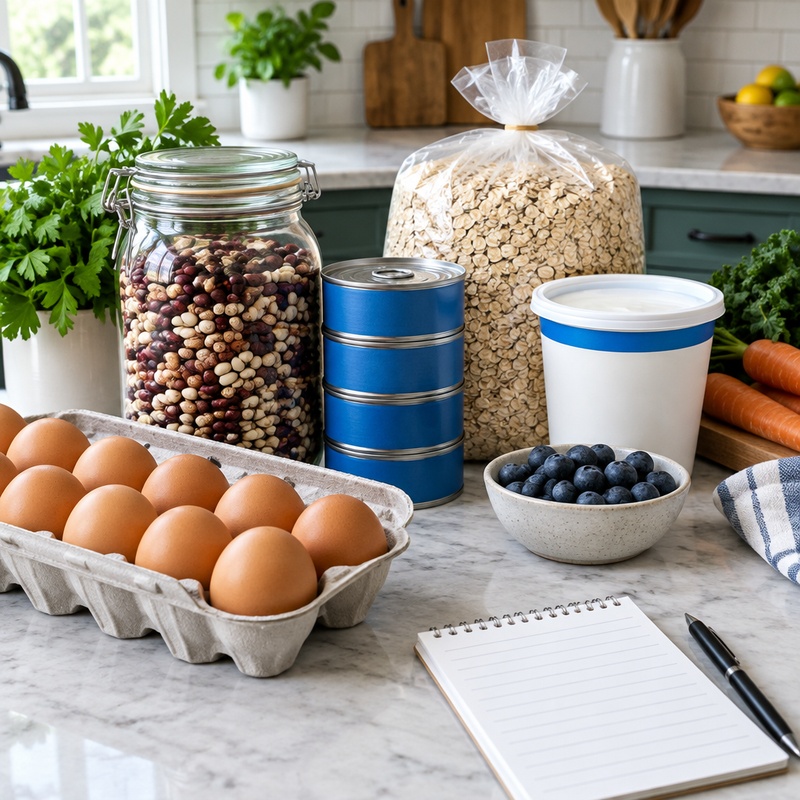
Embarking on a health journey with GLP-1 therapy often brings noticeable changes in appetite, digestion, and daily eating patterns. Many individuals notice that as their total food intake naturally decreases, prioritizing nutritional density becomes far more critical. Among all macronutrients, high-quality protein stands out as an essential cornerstone for supporting muscle preservation, metabolic wellness, and overall vitality. However, updating your grocery shopping strategy to focus on lean proteins can sometimes feel financially daunting, especially if purchased food goes unused due to smaller portion sizes.
Embarking on a health journey with GLP-1 therapy often brings noticeable changes in appetite, digestion, and daily eating patterns. Many individuals notice that as their total food intake naturally decreases, prioritizing nutritional density becomes far more critical. Among all macronutrients, high-quality protein stands out as an essential cornerstone for supporting muscle preservation, metabolic wellness, and overall vitality. However, updating your grocery shopping strategy to focus on lean proteins can sometimes feel financially daunting, especially if purchased food goes unused due to smaller portion sizes.
Fortunately, maintaining adequate protein intake while taking GLP-1 medications does not require an expensive specialty diet or high-end grocery bills. By embracing strategic bulk purchasing, smart freezer storage, and creative meal prepping, you can build a budget-friendly protein routine that minimizes food waste and maximizes daily nutrition. This guide explores practical grocery hacks, cost-per-gram protein calculations, and adaptable meal prep techniques designed specifically for individuals navigating GLP-1 treatment.
Understanding Protein Priorities During GLP-1 Therapy
When adopting new dietary habits alongside GLP-1 medications, understanding the biological importance of protein provides a helpful foundation for meal planning. Protein supplies amino acids that serve as fundamental building blocks for tissues, hormones, and immune cells throughout the body.
The Role of Protein in Lean Mass Preservation
Research suggests that during periods of weight change, body mass reduction typically consists of both fat mass and lean muscle tissue. Preserving muscle tissue is vital because skeletal muscle supports resting metabolic rate, physical stamina, functional mobility, and blood glucose management. Clinical evidence highlights that consuming sufficient dietary protein spread throughout the day helps stimulate muscle protein synthesis, supporting muscle retention during clinical weight management.
Adapting to Reduced Appetite and Portion Sizes
GLP-1 receptor agonists influence central satiety signals and slow gastric emptying, naturally causing many people to feel satisfied after consuming smaller portions. While this supports steady weight management, it means every bite counts. When total food volume is lower, filling your plate with nutrient-dense protein sources ensures that essential nutrient requirements are met without feeling uncomfortably full.
Budget Efficiency Through Intentional Grocery Planning
Without a structured plan, purchasing high-protein items can quickly elevate weekly grocery expenses. Fresh animal proteins, premium cut meats, and pre-packaged specialty snacks carry high price tags and often have short shelf lives. Intentional grocery planning—focusing on versatile bulk staples, shelf-stable proteins, and flash-freezing methods—allows you to enjoy nutrient-rich meals while keeping your household budget on track.
Cost-Effective Bulk Protein Staples to Add to Your Cart
Building a high-protein pantry on a budget begins with selecting versatile, cost-effective staples. By comparing price per serving across various protein categories, you can build a resilient grocery list that delivers maximum nutrition per dollar spent.
Eggs and Liquid Egg Whites: Versatile Nutritious Powerhouses
Whole eggs remain one of the most complete and affordable sources of high-quality protein available. Purchasing eggs in bulk flats of 30 or multi-packs offers substantial savings per dozen compared to standard cartons. Eggs provide all nine essential amino acids alongside vital nutrients like choline, vitamin B12, and selenium. Hard-boiling a dozen eggs on the weekend provides a quick, portable protein snack throughout the week. Additionally, purchasing liquid egg whites in bulk containers allows you to boost the protein content of scrambles, omelets, and oat bowls without adding extra fat or bulk.
Canned and Bagged Seafood Options
Canned fish is an underappreciated hero of affordable nutrition. Products like canned tuna, salmon, sardines, and mackerel are shelf-stable, inexpensive, and packed with both protein and anti-inflammatory omega-3 fatty acids. Purchasing multi-packs at warehouse stores or during regional grocery sales lowers the cost per serving significantly. Canned salmon or tuna can be quickly mixed with plain Greek yogurt, lemon juice, and fresh herbs to create a delicious lunch spread or salad topper with zero cooking required.
Frozen Poultry and Lean Meats
Fresh meat prices can fluctuate widely, but frozen chicken breasts, tenderloins, ground turkey, and lean ground beef frequently offer consistent savings when bought in large 3-pound or 5-pound bags. Flash-frozen poultry preserves peak freshness and nutritional quality. Buying frozen meats allows you to thaw only the exact portion needed for a single meal, directly eliminating the waste associated with fresh meat spoiling in the refrigerator.
Bulk Legumes, Dried Beans, and Lentils
Dry green lentils, red lentils, black beans, chickpeas, and split peas rank among the most economical food items globally. In addition to delivering robust plant-based protein, legumes are rich in dietary fiber, which supports gut health, steady digestion, and prolonged satiety. A two-pound bag of dry lentils costs only a few dollars and yields numerous servings. Cooking a batch of lentils with aromatic vegetables and freezing portioned containers gives you a quick base for soups, stews, and grain bowls.
Dairy and Plant-Based Protein Tubs
Large 32-ounce tubs of plain non-fat or low-fat Greek yogurt and cottage cheese offer exceptional protein density per dollar. Purchasing large tubs rather than individual single-serve cups typically saves between 30% and 50% per ounce. Greek yogurt and cottage cheese are remarkably versatile: they can be enjoyed sweet with berries and chia seeds, or transformed into savory dips, creamy pasta sauces, and high-protein salad dressings.
Strategic Prep Methods to Eliminate Food Waste with Smaller Appetites
One common challenge faced by individuals on GLP-1 medications is preparing traditional batch-cooked recipes only to find that smaller appetites lead to uneaten leftovers. Implementing smart preparation and storage techniques prevents food fatigue and unnecessary waste.
The Single-Portion Freeze Strategy
Instead of preparing massive casseroles that sit in the fridge for days, adopt a single-portion freezing approach. After batch-cooking proteins—such as shredded chicken breast, turkey meatballs, or seasoned lentils—allow them to cool completely. Divide the food into small, individual serving containers or silicone freezer molds. Freezing individual portions allows you to thaw precisely what you intend to consume for a single meal, keeping ingredients fresh and eliminating wasted food.
Flash-Freezing for Optimal Texture and Quality
To preserve flavor and texture during storage, use the flash-freeze method for solid proteins. Arrange cooked chicken strips, fish fillets, or homemade veggie-protein bites in a single layer on a parchment-lined baking sheet. Place the sheet in the freezer for one to two hours until the items are firm, then transfer them into airtight freezer bags. This prevents pieces from sticking together, allowing you to remove one serving at a time without thawing the entire package.
Practicing FIFO Pantry and Refrigerator Management
Adopt the commercial kitchen rule of "First In, First Out" (FIFO) in your home pantry and freezer. Arrange newer grocery items behind older stock. Periodically auditing your freezer and pantry ensures that older frozen items, canned goods, and dry grains are used before their optimal quality window closes, preventing forgotten food from going to waste.
Repurposing Leftover Batch Proteins
Preventing meal boredom is key when eating smaller portions. Cooking a baseline protein without heavy sauce allows you to repurpose it into distinct culinary themes throughout the week. For example, plain roasted chicken breast can be seasoned with cumin and lime for taco bowls on Monday, tossed with cucumber and Greek yogurt tzatziki on Tuesday, and simmered in a light vegetable soup on Wednesday.
Sample Weekly Budget Breakdown & Cost-Per-Gram Math
Understanding the true cost of nutrition involves evaluating foods by their cost per gram of protein rather than total package price. This simple math helps you optimize every dollar spent on your grocery bill.
Calculating Cost-Per-Gram of Protein
To find the cost per gram of protein, divide the total price of the item by the total grams of protein in the package. For example, if a $3.00 bag of dry lentils contains 220 grams of protein, the cost is approximately $0.013 per gram of protein. Comparing protein efficiency across common grocery items highlights where to allocate your shopping budget for maximum value.
Example $35 Weekly Protein Grocery Budget
Below is an example of how a modest $35 weekly spend can yield abundant, high-yield protein sources for a single individual on GLP-1 therapy:
- Bulk Eggs (Carton of 30): ~$5.50 (~180g protein total | ~$0.030 per gram)
- Frozen Chicken Breasts (3 lb bag): ~$11.00 (~300g protein total | ~$0.036 per gram)
- Canned Salmon or Light Tuna (4 cans): ~$6.00 (~100g protein total | ~$0.060 per gram)
- Dry Green Lentils (2 lb bag): ~$3.00 (~220g protein total | ~$0.013 per gram)
- Plain Greek Yogurt (32 oz tub): ~$4.50 (~90g protein total | ~$0.050 per gram)
- Cottage Cheese or Low-Sodium Black Beans: ~$5.00 (~80g protein total | ~$0.062 per gram)
This sample list provides approximately 970 grams of protein for around $35, yielding an average cost of roughly $0.036 per gram of protein. For an individual aiming for 70 to 100 grams of protein daily, this plan supplies more than a full week of nutrient-dense foundation staples while remaining exceptionally affordable.
Creating Flavorful Sauces and Dressings on a Shoestring
High-protein meals never have to taste bland. You can create delicious, low-cost dressings and marinades using basic kitchen staples. Blending plain Greek yogurt with lemon juice, garlic powder, and fresh dill makes a refreshing sauce for fish or chicken. Mixing soy sauce, toasted sesame oil, minced ginger, and rice vinegar creates a flavorful marinade for tofu and poultry. Storing homemade dressings in small glass jars in the fridge keeps your daily meals flavorful without adding high-cost store-bought marinades.
Overcoming Common Grocery and Meal Prep Challenges
Adopting new routine habits often presents practical hurdles. Anticipating these challenges makes maintaining your nutrition plan smoother and more enjoyable over the long term.
Managing Taste Preferences and Digestive Comfort
Changes in taste perception and gastric sensitivity can occur alongside GLP-1 treatment. Rich, fried, or overly fatty meats may feel heavy or cause mild digestive discomfort. Opting for lighter prep methods like baking, poaching, steaming, or air-frying keeps meals digestible. Incorporating mild citrus, fresh herbs, and light broths enhances flavor without adding heavy fats.
Streamlining Prep for Busy Work Schedules
If preparing food feels time-consuming, break prep work into two short 20-minute sessions during the week rather than one long weekend marathon. Use session one on Sunday to hard-boil eggs, thaw frozen poultry, and portion out Greek yogurt snacks. Use session two on Wednesday to roast a sheet pan of vegetables and cook a quick pot of lentils or quinoa. Short, focused prep sessions prevent fatigue while keeping your fridge well-stocked.
Maximizing Savings at Wholesale Club Stores
Wholesale warehouse clubs offer excellent value on non-perishable goods, frozen meats, egg whites, and protein powders. If buying large quantities exceeds your personal storage capacity or household budget, consider splitting bulk purchases with a friend, neighbor, or family member. Sharing bulk items allows everyone to enjoy wholesale savings without overcrowding home freezers or pantries.
Navigating Your GLP-1 Journey with Comprehensive Care
Building sustainable nutrition habits is a key component of long-term wellness. Combining affordable grocery planning with expert medical guidance ensures that your dietary choices support your broader health goals safely and effectively.
Integrating Nutrition with Personal Medical Guidance
Nutritional needs vary widely based on baseline health, physical activity level, medical history, and specific GLP-1 medication dosage. While budget grocery strategies provide practical daily support, personal dietary modifications should be reviewed with your medical provider or a registered dietitian. Healthcare professionals can assess lab markers, monitor lean body mass, and tailor protein guidelines to your individual physiology.
Explore Personalized Weight Management Support
If you are exploring GLP-1 therapy or seeking comprehensive medical oversight for your weight loss journey, EOS Health is here to support you. Our experienced clinical team evaluates your medical history, answers your questions, and provides personalized healthcare plans tailored to your needs. Learn more about our evidence-based clinical programs by visiting EOS Health Weight Loss Support today.
GLP-1 Receptor Agonist
A class of medications that mimic the natural incretin hormone GLP-1, supporting blood glucose regulation, appetite control, and gastric emptying under qualified clinical supervision.
Lean Body Mass
The total weight of the body excluding fat mass, comprising muscle tissue, bones, internal organs, and bodily fluids.
Essential Amino Acids
Nine amino acids that the human body cannot produce on its own and must obtain through dietary protein to support muscle repair and physiological function.
Satiety
The physiological feeling of fullness and satisfaction after eating, which helps regulate appetite and delay subsequent hunger signals.
Protein Density
The proportion of dietary protein relative to the total caloric content or volume of a given food item.
Sources
faq
Common questions, answered.
How much daily protein should I aim for while taking a GLP-1 medication?
Protein targets depend on individual factors such as body composition, age, activity level, and medical history. Many clinical guidelines suggest aiming for 1.2 to 1.6 grams of protein per kilogram of body weight daily during active weight management, but you should always consult your licensed healthcare provider or registered dietitian to establish a personalized target suited to your health profile.
Can I get enough protein on GLP-1 if I follow a plant-based or vegetarian diet?
Yes, plant-based diets can easily supply adequate protein through bulk budget staples such as dry lentils, black beans, chickpeas, edamame, tofu, tempeh, and seeds. Combining diverse plant protein sources throughout the day provides a complete spectrum of essential amino acids while keeping grocery costs low.
What are the best budget protein options if I experience mild digestive sensitivity?
Easily digestible, budget-friendly proteins include hard-boiled eggs, plain Greek yogurt, low-fat cottage cheese, poached chicken breast, white fish, and well-cooked red or yellow lentils. Preparing proteins using low-fat cooking methods like steaming or baking helps minimize digestive discomfort.
How long can I freeze batch-cooked protein meals without sacrificing quality?
Most cooked poultry, lean meats, seafood, and legume dishes retain optimal flavor and texture for two to three months when stored in airtight freezer containers or heavy-duty freezer bags. Proper airtight packaging prevents freezer burn and maintains food quality.
Is protein powder more cost-effective than whole food protein sources?
Protein powders can offer a low cost per gram of protein (typically $0.04 to $0.06 per gram), making them a convenient budget supplement. However, whole food proteins like eggs, canned fish, and lentils supply essential vitamins, minerals, healthy fats, and dietary fiber that powders lack. A balanced combination of whole foods and occasional protein supplements works best for most individuals.
How can I keep bulk purchases of fresh meat from spoiling?
Divide bulk fresh meat into single-portion or single-meal servings immediately after returning from the grocery store. Wrap portions tightly in freezer paper or place them in sealed freezer bags, label them with the date, and freeze them right away. Only thaw the exact amount you plan to cook within 24 hours.
Are canned fish options like tuna and salmon safe and healthy for regular eating?
Canned salmon, tuna, and sardines are highly nutritious, providing high-quality protein and essential omega-3 fatty acids. To manage mercury intake, vary your seafood choices by including lower-mercury options like canned salmon, light tuna, and sardines, and consult your medical provider for tailored dietary recommendations.
Why is maintaining muscle mass so important during weight management on GLP-1?
Lean muscle tissue plays a key role in supporting resting metabolic rate, physical strength, joint stability, and glucose regulation. Prioritizing adequate protein intake along with regular resistance exercise helps preserve functional muscle tissue during weight management.
Ready to feel like yourself again.™
Start free consultationwhat are you waiting for?
You're one click away from a new you.
Fill out our brief form and a licensed physician will evaluate which treatment plan is best for you.