Can HRT Cause Weight Gain?
Wondering if hormone therapy causes weight gain? Learn what the research says about HRT and weight, and what actually drives midlife changes.
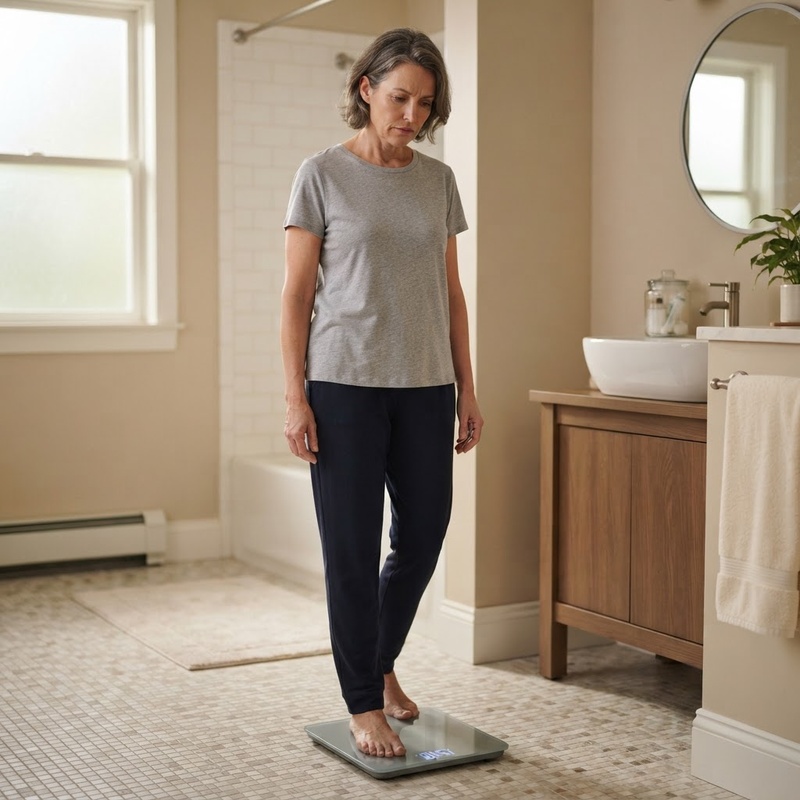
Weight gain is one of the most common concerns women raise when considering hormone replacement therapy (HRT).
Can HRT Cause Weight Gain?
Weight gain is one of the most common concerns women raise when considering hormone replacement therapy (HRT). The fear that starting hormones will cause the scale to creep up keeps some women from seeking treatment that could significantly improve their quality of life. But what does the research actually say about HRT and weight?
The short answer is nuanced: HRT itself doesn't directly cause weight gain, but the hormonal changes that prompt women to start HRT often coincide with a life stage where weight gain is already common. Understanding the difference matters.
The Midlife Weight Shift
Many women begin gaining weight and changing shape during perimenopause and menopause, regardless of whether they use HRT. This isn't coincidence, it's biology. Declining estrogen affects how the body stores and distributes fat. As estrogen drops, the body tends to shift from storing fat primarily in the hips and thighs (a gynoid pattern) to storing it in the abdomen (an android pattern). This is why many women notice their belly getting bigger even if their overall weight hasn't changed dramatically.
This redistribution is driven by the loss of estrogen's influence on fat storage patterns. Estrogen encourages fat storage in the lower body, which is generally less metabolically harmful. Without estrogen's influence, fat tends to accumulate in the visceral area around the organs, which is associated with higher cardiovascular and metabolic risk.
What the Research Shows
Multiple studies have examined whether HRT causes weight gain, and the general consensus is that it does not. In fact, some studies suggest that women who use HRT may have more favorable body composition compared to non-users at the same life stage, potentially because estrogen helps maintain a healthier fat distribution pattern.
A large review of studies on HRT and body weight found that women using hormone therapy did not gain more weight than those not using it. Some studies even showed a slight advantage for HRT users in terms of fat distribution, with less visceral fat accumulation. This makes biological sense: if declining estrogen causes the shift toward abdominal fat, restoring estrogen might help maintain a healthier distribution.
Why the Misconception Persists
If HRT doesn't cause weight gain, why do so many women believe it does? Several factors contribute to this misconception:
Timing is one. Women typically start HRT during perimenopause or menopause, exactly when age-related weight gain and body composition changes are already occurring. It's easy to attribute weight gain to the medication when it's actually the natural progression of the hormonal transition.
Fluid retention is another factor. Some women experience mild fluid retention when starting HRT, which can show up on the scale as a few pounds. This is typically temporary and resolves within weeks as the body adjusts. It's water weight, not fat, but it can be alarming if you're not expecting it.
Initial dosing adjustments can also cause temporary changes. If the initial dose isn't quite right, it may take a few weeks to find the optimal balance. During this adjustment period, some women notice mild bloating or changes in how they feel.
What Actually Drives Midlife Weight Gain
Understanding the real drivers of midlife weight changes can help separate fact from fear:
Metabolic rate naturally declines with age, meaning the body burns fewer calories at rest than it did in earlier decades. Muscle mass also decreases with age, further reducing metabolic rate. Sleep disruption, which is extremely common during perimenopause due to night sweats and hormonal changes, affects hormones that regulate appetite (ghrelin and leptin), potentially increasing hunger and cravings. Stress and cortisol elevation, also common during this life stage, promote abdominal fat storage. Decreased physical activity, whether due to fatigue, mood changes, or busy schedules, reduces overall calorie expenditure.
All of these factors are happening simultaneously during the years women are most likely to start HRT, making it easy to confuse correlation with causation.
Can HRT Help with Weight Management?
While HRT isn't a weight loss treatment, it may indirectly support healthier weight management during midlife. By addressing symptoms like sleep disruption, fatigue, and mood changes, HRT may make it easier to maintain the lifestyle habits that support healthy weight, like regular exercise and balanced nutrition.
Additionally, by maintaining a healthier estrogen-influenced fat distribution pattern, HRT may help reduce the accumulation of visceral (belly) fat that's most strongly associated with health risks. This is a potential secondary benefit, not a primary effect.
Practical Steps
If you're concerned about weight while on HRT, focus on the fundamentals that genuinely move the needle:
Regular physical activity, including both cardiovascular exercise and strength training, helps counteract the age-related decline in metabolic rate and muscle mass. A balanced diet rich in protein, fiber, and whole foods supports metabolic health. Prioritizing sleep supports the hormone balance that regulates appetite and metabolism. Managing stress reduces cortisol's contribution to abdominal fat storage. Working with your provider to optimize your HRT dosing ensures you're getting the right balance for your body.
The Bottom Line
HRT doesn't cause weight gain. The weight changes many women experience during midlife are driven by aging, hormonal decline, and lifestyle factors that occur alongside the decision to start hormone therapy. Understanding this distinction can help you make an informed decision about HRT without unnecessary fear about weight.
If you have questions about HRT and how it might affect your body, visit EOS Health to connect with a licensed provider.
Sources
faq
Common questions, answered.
Does starting HRT make you gain weight?
No. Research consistently shows that HRT does not cause weight gain. The weight changes many women notice during midlife are driven by aging, declining estrogen, and lifestyle factors, not by hormone therapy itself.
Why did I gain weight after starting HRT?
It's likely coincidental. Women typically start HRT during perimenopause, when age-related weight gain and body composition changes are already occurring. Some initial fluid retention can also cause a temporary scale increase.
Does HRT cause belly fat?
No, declining estrogen is what causes the shift toward abdominal fat storage. HRT may actually help maintain a healthier fat distribution pattern by restoring estrogen's influence on where the body stores fat.
Can HRT help me lose weight?
HRT isn't a weight loss treatment, but it may indirectly support weight management by improving sleep, energy, and mood, making it easier to maintain healthy lifestyle habits.
Is the weight gain from HRT permanent?
Any initial weight changes when starting HRT are typically temporary fluid retention that resolves within weeks. HRT itself doesn't cause permanent weight gain.
Does the type of HRT affect weight differently?
There's no strong evidence that one form of HRT causes more weight gain than another. The delivery method (patch, pill, gel) doesn't significantly affect weight outcomes.
Should I avoid HRT if I'm worried about my weight?
No. Avoiding HRT won't prevent the weight changes associated with midlife hormonal decline, and you'd be missing out on symptom relief. Discuss your concerns with a provider who can help you weigh the full picture.
You deserve to feel this way.™
Start free consultationwhat are you waiting for?
You're one click away from a new you.
Fill out our brief form and a licensed physician will evaluate which treatment plan is best for you.