Can You Actually Shrink Pores? The Science
Wondering if you can actually shrink pores? Explore the dermatology science behind pore size, genetics, oil control, retinoids, and texture health care.
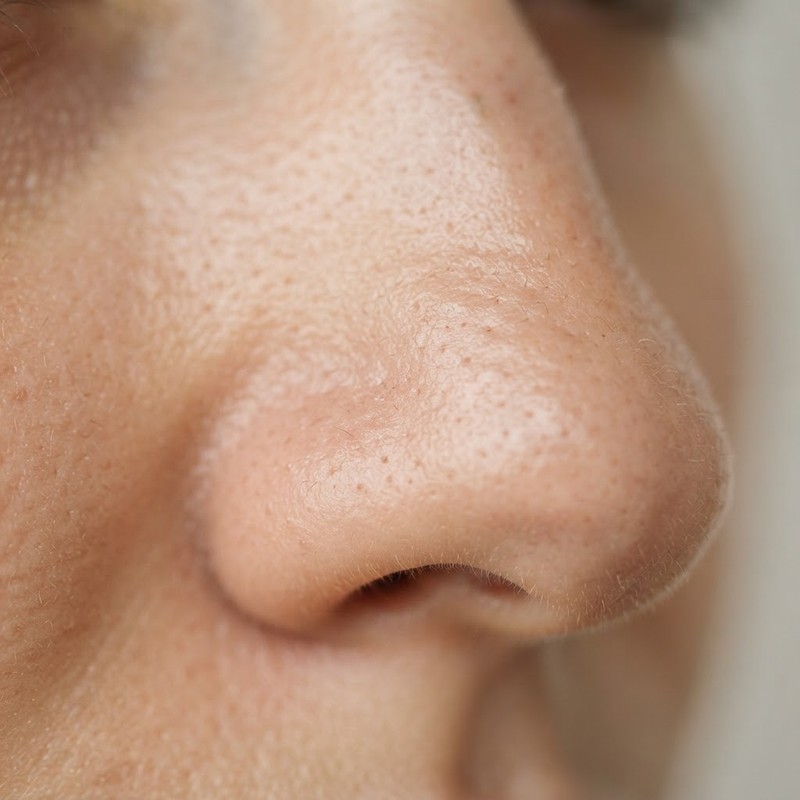
If you examine your skin in a magnification mirror, you are likely familiar with analyzing small openings on your face. Pores are among the most discussed features in skincare, often accompanied by claims of filter-like skin. However, many beliefs about pores stem from misunderstandings about human skin biology.
If you examine your skin in a magnification mirror, you are likely familiar with analyzing small openings on your face. Pores are among the most discussed features in skincare, often accompanied by claims of filter-like skin. However, many beliefs about pores stem from misunderstandings about human skin biology. A central question adult women ask when evaluating skin texture is straightforward: can you actually shrink pores?
Biologically, the answer requires nuance. Pores do not possess muscular tissue, meaning they cannot physically contract or dilate. The structural size of your pores is largely determined by genetics, skin composition, and hair follicle architecture. However, while structural pore size cannot be permanently altered, the visible appearance of pores fluctuates based on oil production, cellular accumulation, sun exposure, and underlying collagen support.
In this clinical guide, our team at EOS Health unpacks the science behind pore behavior. We examine why pores exist, why they appear enlarged, how hormonal shifts influence oil glands, and what research-backed topical ingredients and clinical options can help refine visible skin texture. By understanding how your skin operates, you can make informed choices for your skincare journey.
The Biology of Pores: Anatomy, Function, and Genetic Baseline
To understand why pores behave as they do, it helps to examine their physiological role. In medical terminology, a pore is the surface opening of a pilosebaceous unit consisting of a hair follicle paired with a sebaceous gland. These structures exist across almost the entire body, with the highest density on the face, chest, and upper back.
The Functional Role of Sebum
Pores perform vital biological functions. The sebaceous glands connected to each pore synthesize sebum, a complex lipid mixture. Sebum travels up the follicular channel to the surface, creating a natural lipid barrier that prevents moisture loss and shields skin against environmental stressors.
Genetic Determinants of Pore Structure
Your baseline pore size is dictated by your genetic blueprint. Genetics influence key parameters of skin architecture, including follicle diameter, sebaceous gland size, and baseline oil production. Individuals with oily skin generally possess larger sebaceous glands that produce higher oil volumes. Because larger oil volumes require a wider channel to reach the surface, oily skin correlates with more visible pore openings, whereas dry skin features smaller oil glands and narrower openings.
Hormonal Signals and Sebaceous Activity
Beyond genetics, hormones serve as primary regulators of pore activity. Sebaceous glands contain androgen receptors that respond to circulating hormones, particularly testosterone and dihydrotestosterone (DHT). When circulating androgens bind to these receptors, they signal sebaceous glands to increase lipid synthesis, leading to heightened oil output.
For adult women, hormonal fluctuations across life stages impact oil secretion and skin texture. During menstrual cycle phases—specifically the luteal phase—shifts in hormone ratios allow androgenic activity to exert a dominant effect on oil glands. Similarly, events such as stopping birth control, postpartum recovery, or perimenopause alter sebum dynamics. Recognizing that oil production and pore visibility are tied to endocrine biology helps frame these shifts as natural physiological responses.
Why Pores Look Larger: Biological Mechanisms Behind Dilation
While baseline follicle size is genetic, several factors cause pores to expand beyond their resting diameter or appear more prominent. Understanding these mechanisms clarifies why targeted skincare strategies offer tangible texture support.
1. Follicular Congestion and Microcomedones
The interior wall of each pore is lined with skin cells that continuously shed through desquamation. In balanced skin, dead cells slide out of the pore channel carried by normal sebum flow. However, when sebum production is elevated or cellular shedding becomes dysregulated, dead skin cells stick together inside the follicular funnel.
This mixture of excess oil and trapped keratin forms a microscopic plug known as a microcomedone. As the sebaceous gland continues producing oil behind the plug, the follicular canal expands outward. If the plug reaches the surface opening and contacts atmospheric oxygen, the lipids and melanin within the plug oxidize, turning dark and forming an open comedone (blackhead). The dark color creates a focal shadow that visually amplifies pore size.
2. Loss of Dermal Collagen Support
Pores are supported by the surrounding dermal matrix—a structural scaffolding of collagen, elastin, and extracellular proteins holding follicular walls taut. As part of natural age-related changes, dermal collagen synthesis gradually slows. When collagen support surrounding a pore degrades, the follicular channel loses firm tension, causing the pore opening to sag outward and appear elongated.
3. Photoaging and UV-Induced Stress
Unprotected ultraviolet (UV) radiation is a major external factor contributing to altered pore appearance. Chronic UV exposure generates reactive oxygen species in the dermis, triggering enzymes that break down collagen fibers. This photoaging weakens elastic support around follicular openings, magnifying visible texture irregularities.
Science-Backed Ingredients: What Topicals Can and Cannot Do
When evaluating topical skincare, maintaining realistic expectations is essential. No cosmetic product can erase pore structures or alter your genetic baseline. However, active ingredients can address root factors that make pores look enlarged—namely oil buildup, cellular congestion, and declining dermal firmness.
Salicylic Acid (Beta Hydroxy Acid)
Salicylic acid is widely recognized in dermatology for managing follicular congestion. Unlike water-soluble alpha hydroxy acids, salicylic acid is lipid-soluble. This property allows it to penetrate through surface oil and enter the lipid-rich interior of the pore channel. Clinical research indicates that salicylic acid exfoliates inside the follicle, dissolving trapped cellular debris and clearing microcomedones to prevent visible stretching.
Retinoids: Tretinoin and OTC Retinol
Retinoids represent one of the most studied ingredient classes in scientific literature. Tretinoin is an FDA-approved prescription medication indicated for acne; it is also commonly prescribed by healthcare providers for visible signs of skin aging. Over-the-counter retinol serves as a milder derivative that undergoes conversion into retinoic acid within the skin.
Retinoids bind to nuclear retinoic acid receptors in skin cells, normalizing keratinization inside the follicle so dead skin cells do not clump together. In the deeper dermis, retinoids help support natural collagen synthesis. By promoting organized cell shedding and supporting collagen firmness around follicular walls, research indicates that retinoids can refine visible surface texture and diminish the prominent appearance of pores over time.
Niacinamide (Vitamin B3)
Niacinamide is a versatile vitamin offering multiple benefits for skin texture. Studies suggest that topical niacinamide at concentrations between 2% and 5% helps modulate sebaceous gland secretion rates, reducing surface shine without stripping skin moisture. Additionally, niacinamide supports epidermal ceramide production, improving barrier resilience so surrounding skin texture looks smooth and plump.
Alpha Hydroxy Acids (AHAs)
Alpha hydroxy acids, such as glycolic acid and lactic acid, exfoliate the outermost stratum corneum by breaking down desmosomal bonds between surface cells. By smoothing surface micro-relief and preventing loose cells from sloughing into pore openings, AHAs enhance light reflection and overall texture clarity.
Clinical Evaluation, Prescriptions, and Advanced Options
For adult women dealing with persistent follicular congestion, hormonal oiliness, or texture concerns, consulting a licensed healthcare provider or dermatologist provides access to targeted medical evaluations and evidence-based clinical therapies.
Systemic Approaches for Hormonal Sebum Control
When excessive oil production and pore congestion stem from internal hormonal sensitivity, topical routines alone may offer limited changes. In such cases, clinicians may evaluate systemic prescription options.
Spironolactone is an FDA-approved prescription medication indicated as a diuretic; it is commonly prescribed off-label by medical providers for adult women experiencing hormonal acne and androgen-driven excess sebum production. By acting as a selective androgen receptor antagonist, spironolactone helps block androgenic stimulation of sebaceous glands, reducing oil production at its biological source and helping minimize secondary pore dilation from chronic congestion.
Custom Compounded Formulations
In clinical practice, healthcare providers may consider customized prescription blends tailored to an individual’s specific skin profile. These custom compounded formulations may integrate active ingredients such as tretinoin, azelaic acid, or other targeted compounds into a single application.
Compounded products—such as custom topical formulations combining tretinoin with clindamycin, hydroquinone/tranexamic/azelaic custom blends, or specialized copper peptide preparations like GHK-Cu copper peptide cream—are prepared by licensed compounding pharmacies under a practitioner's direction. Compounded products are not FDA-approved as finished drug formulations, although they utilize pharmaceutical-grade components tailored to patient needs. When hyperpigmentation or uneven skin tone is present alongside texture concerns, prescription agents such as hydroquinone (available strictly by prescription in the United States) may be evaluated by a clinician as part of a comprehensive care plan.
In-Office Dermatological Procedures
In addition to prescriptions, dermatologists offer in-office procedures designed to support dermal collagen around pores:
- Chemical Peels: Peels utilizing glycolic or salicylic acid accelerate cellular turnover and remove deep follicular impactions.
- Microneedling: Creates controlled micro-injuries in the dermis, triggering a natural healing response that supports new collagen production around pore structures.
- Non-Ablative Laser Resurfacing: Delivers targeted thermal energy to the dermal layer, supporting collagen remodeling to firm the skin matrix and refine surface micro-relief.
Daily Habits to Support Pore Health and Smooth Skin Texture
While clinical treatments and targeted actives form the core of texture management, daily skincare habits play a crucial supporting role in keeping pores clear and skin looking healthy.
1. Broad-Spectrum Sun Protection
Consistent daily sun protection is one of the most effective ways to preserve the structural integrity of your pores. Applying a broad-spectrum sunscreen with SPF 30 or higher every morning shields dermal collagen from UV degradation, helping maintain the firmness of the skin matrix surrounding follicular openings.
2. Gentle Cleansing Without Over-Stripping
A common mistake when managing visible pores is over-cleansing with harsh scrubs. Stripping natural lipids damages the epidermal barrier and can trigger a rebound effect where sebaceous glands produce extra oil. Choose gentle, pH-balanced, non-comedogenic cleansers that clean effectively without compromising barrier integrity.
3. Non-Comedogenic Barrier Hydration
Even oily or congestion-prone skin requires adequate hydration. Dehydrated skin often appears dull, making surface pores stand out more prominently. Lightweight, non-comedogenic moisturizers containing humectants like hyaluronic acid and glycerin help maintain optimal hydration levels while keeping pores clear of heavy waxes.
4. Thorough Evening Cleansing
If you wear makeup or water-resistant sunscreen, thorough evening cleansing is essential. Utilizing a gentle double-cleansing method—starting with an oil cleanser followed by a water-based cleanser—ensures that lipid-soluble sunscreens and pigments are completely removed, preventing overnight follicular buildup.
Reframing Skin Expectations: Celebrating Real, Functional Skin
In a culture saturated with airbrushed media and digital filters, it is easy to lose sight of what healthy human skin looks like. Real skin possesses texture, fine lines, subtle color variations, and pores. Pores are functional biological structures essential for hydration and defense.
Striving for completely 'invisible' skin is aiming for an anatomical impossibility. Embracing your skin's natural architecture while supporting its health allows for a compassionate approach to beauty. By focusing on gentle exfoliation, consistent hydration, sun protection, and healthy aging support, you can help your skin look its best without placing unrealistic demands on your body.
Taking the Next Step in Your Skincare Journey
Understanding the science behind pores empowers you to separate marketing myth from dermatological reality. While genetic factors set your baseline pore size, an evidence-based approach targeting oil balance, cellular turnover, and collagen health can significantly refine visible skin texture.
If you are navigating persistent skin changes, adult acne, or texture concerns and would like personalized guidance, consulting a licensed clinician is the ideal next step. The clinical team at EOS Health offers professional telehealth evaluations to help you understand your unique skin needs and explore appropriate evidence-based options. To learn more or connect with a healthcare provider, visit EOS Health Skincare today.
Glossary
Pilosebaceous Unit
The anatomical structure comprising a hair follicle, hair shaft, and attached sebaceous gland. It is responsible for producing sebum and transporting it to the skin surface through the pore opening.
Sebum
A complex lipid mixture synthesized by sebaceous glands consisting of triglycerides, wax esters, squalene, and fatty acids that lubricates and protects the stratum corneum.
Microcomedone
A microscopic plug formed within the follicular channel when excess sebum mixes with trapped, un-shed dead skin cells (keratinocytes), forming the precursor to blackheads and acne lesions.
Desquamation
The natural physiological process by which dead keratinocytes in the outermost layer of the epidermis (stratum corneum) shed and are replaced by new cells from deeper layers.
Photoaging
Premature skin aging caused by chronic exposure to ultraviolet (UV) radiation, leading to collagen degradation, reduced skin elasticity, hyperpigmentation, and enlarged-looking pores.
Sources
faq
Common questions, answered.
Can hot water or steam permanently shrink pores?
No. Pores do not have muscles, so steam and hot water cannot contract or physically alter structural pore size. While warm steam can temporarily soften sebum plugs inside the follicle—making gentle cleansing easier—it does not change baseline follicle dimensions. In fact, excessively hot water can irritate the skin barrier and exacerbate inflammation, causing pores to look more noticeable.
Why do pores on the nose and chin seem larger than on the cheeks?
The central zone of the face, commonly referred to as the T-zone (forehead, nose, and chin), contains a significantly higher concentration of sebaceous glands compared to the outer cheeks. Because these central oil glands produce larger volumes of sebum, the follicular openings must be wider to accommodate oil flow. Additionally, the T-zone experiences more frequent cellular buildup, leading to microcomedones and open blackheads that create visual shadow effects.
How long does it take to see visible improvements in pore texture from active skincare?
Initial changes in follicular clarity from ingredients like salicylic acid can often be observed within two to four weeks as existing congestion clears. However, improvements related to cellular turnover and dermal collagen support from topical retinoids or niacinamide typically require eight to twelve weeks of consistent use. Skin cell renewal operates on a roughly 28-day cycle, so long-term texture refinement relies on sustained adherence.
Can squeezing blackheads or picking at skin permanently enlarge pores?
Yes, aggressive squeezing or picking can cause permanent structural changes to follicular walls. Applying excessive force to a pore can tear delicate elastic tissue and break down surrounding collagen scaffolding. Over time, repeated trauma can cause the follicular channel to remain stretched or dilated. Professional extractions or gentle chemical exfoliants are far safer methods for clearing congestion.
Does wearing makeup make pores larger over time?
Makeup itself does not inherently stretch pores, provided cosmetics are labeled non-comedogenic and are thoroughly removed at the end of each day. However, leaving makeup on overnight or using heavy formulations can trap sebum and dead skin cells inside the follicle. This congestion forms microcomedones that stretch pore walls outward over time. Proper evening cleansing prevents this buildup.
What is the difference between blackheads and sebaceous filaments?
Sebaceous filaments are normal, healthy structures that channel oil from the sebaceous gland to the skin surface. They appear as tiny, greyish or light brown specks flush with the skin, most commonly on the nose. Blackheads, by contrast, are actual follicular plugs caused by oxidized sebum and dead keratinocytes. While blackheads can be cleared, sebaceous filaments naturally refill within days because they serve a physiological purpose.
Is tretinoin effective for refining visible pore texture?
Tretinoin is an FDA-approved prescription medication indicated for acne, and clinicians frequently prescribe it to support healthy aging and address visible skin texture concerns. Research demonstrates that tretinoin normalizes cellular desquamation within the follicle and helps support dermal collagen synthesis. By preventing congestion and firming the surrounding skin matrix, tretinoin can significantly refine the appearance of prominent pores.
When should I consult a healthcare provider about my skin texture or oiliness?
If you experience persistent adult acne, sudden increases in facial oiliness, or texture changes that do not respond to over-the-counter routines, consulting a licensed dermatologist or healthcare provider is recommended. A clinician can evaluate underlying hormonal factors, differentiate between common conditions like melasma or rosacea, and discuss tailored prescription options suitable for your health profile.
Great skin starts with the right protocol.™
Start free consultationwhat are you waiting for?
You're one click away from a new you.
Fill out our brief form and a licensed physician will evaluate which treatment plan is best for you.