Cinnamon and Glucose: Separating Research From Hype
Explore the science behind cinnamon and glucose management. Discover research on Ceylon vs. Cassia cinnamon, coumarin safety, and realistic metabolic habits.
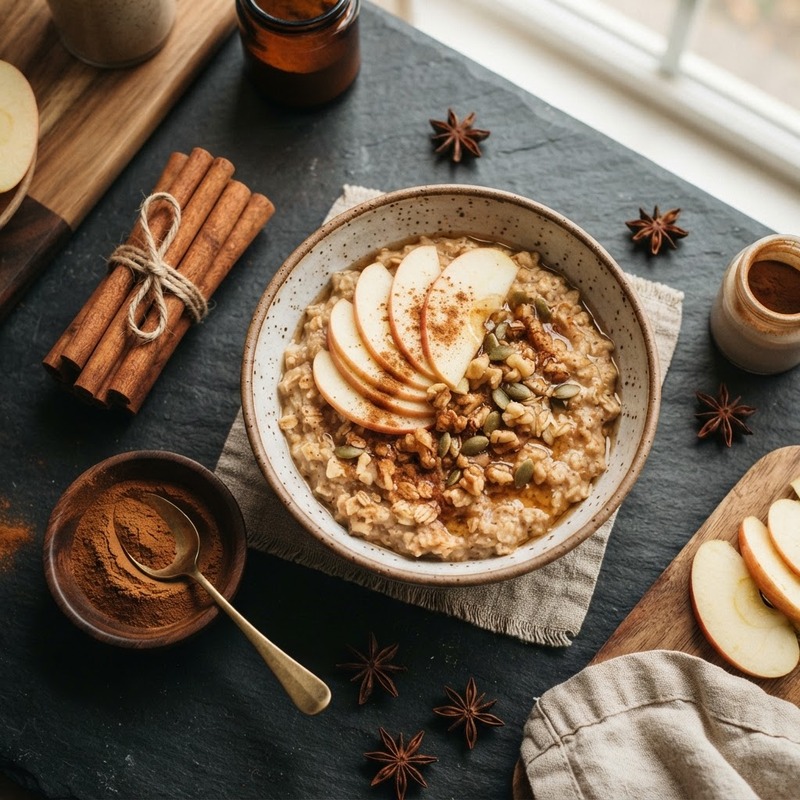
Few kitchen spices carry as rich a history or as enthusiastic a reputation as cinnamon. For centuries, culinary traditions across the globe have prized this aromatic bark for its comforting warmth and distinctive flavor. In recent years, however, cinnamon has stepped out of the bakery and into the wellness spotlight. Social media posts, health forums, and sensational headlines frequently tout cinnamon as a powerful natural tool for supporting healthy blood sugar levels. But how much of this reputation is backed by rigorous scientific evidence, and how much is oversimplified hype?
Few kitchen spices carry as rich a history or as enthusiastic a reputation as cinnamon. For centuries, culinary traditions across the globe have prized this aromatic bark for its comforting warmth and distinctive flavor. In recent years, however, cinnamon has stepped out of the bakery and into the wellness spotlight. Social media posts, health forums, and sensational headlines frequently tout cinnamon as a powerful natural tool for supporting healthy blood sugar levels. But how much of this reputation is backed by rigorous scientific evidence, and how much is oversimplified hype?
At EOS Health, our clinical team believes in empowering individuals with evidence-based insights so you can make informed choices about your nutrition and metabolic well-being. Understanding how specific foods and spices interact with human physiology requires looking beyond bold internet headlines to examine peer-reviewed studies, botanical nuances, and physiological realities. In this comprehensive review, we examine the scientific research surrounding cinnamon and glucose dynamics, evaluate the critical differences between cinnamon species, and discuss practical, safe ways to incorporate this beloved spice into a balanced lifestyle.
Understanding the Biological Context: How Cinnamon Interacts with Cellular Pathways
To understand why researchers began studying cinnamon in relation to metabolic health, it helps to examine the active biochemical compounds found within the spice. Cinnamon bark contains a rich array of polyphenols, flavonoids, and essential oils, including cinnamaldehyde, proanthocyanidins, and hydroxychalcone compounds. In laboratory environments—specifically in cell cultures and isolated tissue samples—these botanical molecules have demonstrated several interesting mechanisms of action.
First, laboratory studies suggest that certain polyphenols in cinnamon may support cellular responsiveness in vitro. In isolated fat and muscle cells, these compounds appear to interact with intracellular signaling pathways. This activity encourages GLUT4 glucose transporter proteins to move to the cell membrane, facilitating the transport of glucose out of the bloodstream and into cells where it can be utilized for cellular energy.
Second, researchers have observed that cinnamon extracts can inhibit key digestive enzymes in laboratory settings, specifically alpha-glucosidase and alpha-amylase. These enzymes are responsible for breaking down complex carbohydrates into simple sugars within the small intestine. By slowing enzymatic carbohydrate breakdown in lab models, cinnamon extracts theoretically slow the rate at which glucose enters the bloodstream after a meal, supporting a more gradual rise in blood sugar rather than a sharp spike.
While these laboratory findings sound promising, clinicians emphasize an essential distinction: microscopic activity in a Petri dish does not automatically translate to predictable physiological outcomes in human beings. In human physiology, digestive enzymes, stomach acid, liver metabolism, and individual metabolic variations heavily influence how polyphenols are absorbed and utilized by the body.
Ceylon vs. Cassia Cinnamon: Botanicals, Bioavailability, and Safety Concerns
When discussing cinnamon research, one of the most frequently overlooked details is that not all cinnamon is the same. The spice commonly sold in grocery stores encompasses several distinct botanical species, primarily divided into two main categories: Ceylon cinnamon and Cassia cinnamon.
1. Cassia Cinnamon (Cinnamomum cassia)
Cassia cinnamon, often referred to as Chinese or Saigon cinnamon, is the variety most widely available in North American grocery stores. It has a strong, pungent flavor, a darker reddish-brown color, and a thick, hard bark structure. Most clinical trials conducted over the past two decades have utilized Cassia cinnamon powder or extracts due to its widespread availability and low cost.
However, Cassia cinnamon contains significant levels of a naturally occurring compound called coumarin. Coumarin is a chemical compound known to possess hepatotoxic properties when consumed in high amounts over extended periods. Regular, high-dose ingestion of Cassia cinnamon supplements can exceed the Tolerable Daily Intake (TDI) for coumarin established by European and international food safety authorities, raising concerns about potential liver stress in sensitive individuals.
2. Ceylon Cinnamon (Cinnamomum verum)
Ceylon cinnamon, often hailed as "true cinnamon," originates primarily from Sri Lanka and southern India. It has a lighter tan color, a delicate, sweet flavor profile, and soft, thin layers of inner bark that curl into fragile rolls. Crucially, Ceylon cinnamon contains only trace amounts of coumarin—often up to 250 times less than Cassia cinnamon—making it a substantially safer option for frequent culinary use or higher dietary intake.
Interestingly, despite its superior safety profile regarding coumarin, Ceylon cinnamon has been studied less extensively in randomized clinical trials than Cassia. Consequently, applying the metabolic findings from Cassia research directly to Ceylon cinnamon requires caution, as their chemical compositions and active compound concentrations differ noticeably.
What the Clinical Evidence Actually Shows: Trials, Meta-Analyses, and Inconsistencies
Human research examining cinnamon and glucose regulation presents a complex, nuanced picture. Over the past twenty-five years, dozens of clinical trials have investigated the effects of cinnamon supplementation on fasting glucose, post-meal glucose patterns, and hemoglobin A1c (HbA1c) levels. A close examination of the literature reveals mixed results and highlights why blanket health claims can be misleading.
Early clinical trials, such as a widely cited 2003 study by Khan and colleagues, observed modest shifts in fasting blood glucose among participants consuming between 1 and 6 grams of Cassia cinnamon daily over forty days. This study ignited widespread public interest in cinnamon as a metabolic support agent. However, subsequent randomized controlled trials attempting to replicate these findings yielded inconsistent results, with several well-controlled studies showing no statistically significant differences in blood glucose parameters compared to placebo groups.
To make sense of these conflicting outcomes, systematic reviews and meta-analyses have pooled data from multiple clinical trials. Recent comprehensive analyses suggest that while cinnamon supplementation may offer small, modest support for fasting glucose levels in certain subgroups, the overall clinical effect size is generally minor. Furthermore, these reviews highlight several critical methodological limitations across the existing research body:
- Dosage and Formulation Variability: Studies have used widely differing doses ranging from 120 milligrams to 6 grams per day, delivered as whole ground powder, aqueous extracts, or concentrated alcoholic extracts. Comparing these diverse formulations makes universal dosage recommendations impossible.
- Participant Baselines: Clinical trial outcomes vary significantly depending on participants' baseline metabolic health, dietary patterns, physical activity, and concurrent medical treatments. Individuals with higher baseline glucose levels sometimes show slight shifts, whereas healthy individuals show virtually no measurable change.
- Trial Duration: Many clinical trials run for relatively short durations (typically 4 to 12 weeks), providing limited insight into long-term safety, sustained metabolic support, or meaningful changes in long-term markers like HbA1c.
In summary, while scientific research indicates that cinnamon possesses bioactive compounds with intriguing cellular properties, current evidence does not support viewing cinnamon as a potent intervention or standalone strategy.
Why Spices Cannot Replace Foundational Metabolic Healthcare
In the age of quick-fix wellness trends, it is tempting to seek simple dietary additions that promise significant health benefits. However, metabolic health is a complex, dynamic system governed by genetics, gut microbiome health, muscle tissue quality, hormonal balance, physical activity, sleep hygiene, and overall dietary quality. Relying on a single spice or dietary supplement shifts focus away from the foundational habits that truly support long-term metabolic vitality.
It is crucial to recognize that cinnamon is not a medical therapy for metabolic conditions such as prediabetes or type 2 diabetes. Spices should never be used as a substitute for prescribed medical therapies, comprehensive clinical care, or individualized lifestyle guidance. If you are working toward specific metabolic goals, foundational strategies remain the cornerstone of success:
- Balanced Macronutrient Pairing: Pairing complex carbohydrates with lean proteins, healthy fats, and soluble dietary fiber helps naturally support post-meal glucose stability by slowing gastric emptying.
- Regular Muscle Activation: Physical activity—especially resistance training and post-meal walking—encourages non-insulin-dependent glucose uptake into skeletal muscle tissues, serving as a primary driver of steady blood sugar patterns.
- Restorative Sleep and Stress Management: Chronic sleep restriction and elevated stress hormones alter cellular responsiveness and promote systemic inflammation, impacting metabolic balance.
- Clinical Monitoring and Guidance: Partnering with a qualified healthcare provider ensures regular evaluation of key biomarker trends, allowing for safe, personalized care tailored to your unique biology.
Practical and Enjoyable Ways to Incorporate Cinnamon into a Balanced Diet
While cinnamon should not be treated as a therapeutic solution, it remains a delicious, fragrant, and antioxidant-rich ingredient that can easily enhance a nutrient-dense diet. Rather than taking high-dose supplement capsules—which carry potential risks associated with unstandardized ingredients or coumarin accumulation—enjoying culinary cinnamon as a natural flavor tool offers both satisfaction and subtle nutritional benefits.
Here are several creative, wholesome ways to include Ceylon cinnamon in your daily meals:
- Upgrade Morning Oatmeal or Chia Pudding: Stir half a teaspoon of ground Ceylon cinnamon into warm steel-cut oats or overnight chia seed pudding alongside toasted nuts and fresh berries for natural warmth without added refined sugars.
- Spice Up Warm Beverages: Add a cinnamon stick or a sprinkle of ground spice to coffee grounds before brewing, or steep a cinnamon stick in hot herbal tea for a soothing afternoon beverage.
- Enhance Roasted Root Vegetables: Toss cubed sweet potatoes, butternut squash, or carrots with a touch of olive oil, sea salt, and Ceylon cinnamon before roasting to highlight their natural subtle sweetness.
- Blended Smoothies: Blend Ceylon cinnamon into protein smoothies featuring unsweetened almond milk, leafy greens, plant or whey protein, and flaxseed.
- Savory Mediterranean and Middle Eastern Dishes: Explore savory culinary traditions by adding ground cinnamon to lentil stews, Moroccan tagines, or spiced chili dishes for deep, complex flavor profiles.
By shifting your perspective away from high-dose therapeutic expectations and toward culinary appreciation, you can enjoy cinnamon for what it truly is: a delightful, nutrient-dense spice that adds rich flavor to a balanced, health-supportive lifestyle.
Navigating Your Personal Metabolic Journey with Professional Support
Metabolic wellness is deeply personal, and navigating conflicting nutritional information can often feel overwhelming. While exploring dietary spices like cinnamon is an enjoyable part of building a vibrant food culture, true metabolic health relies on personalized insights, evidence-based practices, and compassionate professional guidance.
If you are looking to better understand your body's metabolic patterns, optimize your lifestyle habits, or achieve sustainable wellness goals, having a dedicated clinical partner can make all the difference. Explore our comprehensive resources and personalized care programs today at EOS Health Weight Loss & Metabolic Care to discover how targeted, expert guidance can help you build sustainable health habits tailored specifically to your needs.
Ceylon Cinnamon (Cinnamomum verum)
Also known as "true cinnamon," Ceylon cinnamon is a botanical species native to Sri Lanka characterized by a mild, sweet flavor profile and extremely low levels of the compound coumarin, making it ideal for frequent culinary use.
Coumarin
A naturally occurring phytochemical compound found in significant concentrations in Cassia cinnamon. High, prolonged intake of coumarin can exert toxic effects on the liver, making species selection important for regular spice intake.
Insulin Sensitivity
A measure of how effectively body tissues—particularly muscle, fat, and liver cells—respond to insulin to absorb circulating glucose from the bloodstream for energy or storage.
Alpha-Glucosidase
A digestive enzyme in the brush border of the small intestine that breaks down complex carbohydrates and disaccharides into simple glucose molecules for absorption into the bloodstream.
Polyphenols
A large, diverse class of naturally occurring plant compounds known for their antioxidant properties and potential interactions with cellular signaling pathways throughout the body.
Sources
faq
Common questions, answered.
Does cinnamon support healthy blood sugar quickly after a meal?
Current scientific research indicates that cinnamon is not a rapid-acting agent. While some laboratory studies suggest certain compounds in cinnamon may slightly slow carbohydrate digestion in the gut, human clinical trials show modest and variable effects over weeks of use rather than immediate post-meal changes. Cinnamon should not be relied upon to rapidly shift blood sugar levels.
What is the main difference between Ceylon cinnamon and Cassia cinnamon?
Ceylon cinnamon (Cinnamomum verum) is often called "true cinnamon" and features a delicate, sweet flavor with thin, papery bark layers. Cassia cinnamon (Cinnamomum cassia) is darker, pungently spiced, and widely sold in standard grocery stores. Critically, Cassia cinnamon contains significantly higher levels of coumarin, a compound that may cause liver stress when consumed in large daily quantities, whereas Ceylon cinnamon contains only trace amounts of coumarin.
Can taking cinnamon supplements replace prescription blood sugar medications?
No. Cinnamon supplements cannot replace prescribed metabolic medications or professional medical therapies. Cinnamon is a dietary spice, not a drug. Stopping or modifying prescribed medications without clinical oversight can lead to serious health risks. Always consult your prescribing clinician before making any changes to your treatment plan.
How much cinnamon is safe to consume daily in a regular diet?
For general culinary use, consuming one to two teaspoons (roughly 2 to 5 grams) of Ceylon cinnamon daily is widely considered safe for healthy adults. If using Cassia cinnamon, intake should be kept modest—generally under half to one teaspoon daily—to avoid exceeding recommended daily safety limits for coumarin intake.
Are cinnamon supplements or extracts more effective than ground cinnamon powder?
Clinical studies have tested both water-soluble extracts and whole ground cinnamon powder, showing mixed results across both forms. While extracts remove fat-soluble coumarin while retaining water-soluble polyphenols, there is no conclusive clinical evidence proving that supplement pills offer superior metabolic benefits over enjoying high-quality culinary Ceylon cinnamon in balanced meals.
Can cinnamon supplements interact with medications or existing health conditions?
Yes, potential interactions exist. High doses of Cassia cinnamon due to coumarin content may interact with medications that affect liver function or blood thinning agents. Furthermore, combining concentrated cinnamon supplements with glucose-lowering medications requires clinical supervision. Individuals with liver conditions, pregnant individuals, or those taking prescription drugs should speak with a clinician before taking high-dose cinnamon supplements.
What should I look for when purchasing cinnamon for health-conscious cooking?
When shopping for cinnamon intended for regular daily culinary use, look specifically for labels specifying "Ceylon Cinnamon" or "Cinnamomum verum." Purchasing from reputable spice merchants or organic brands ensures authentic sourcing, lower coumarin exposure, and optimal flavor quality for your meals.
Ready to feel like yourself again.™
Start free consultationwhat are you waiting for?
You're one click away from a new you.
Fill out our brief form and a licensed physician will evaluate which treatment plan is best for you.