Collagen vs Whey Protein: Choosing Meal Support on GLP-1
Compare collagen vs whey protein for GLP-1 meal support. Learn how amino acid profiles, digestion, and stomach comfort impact your weight loss journey.
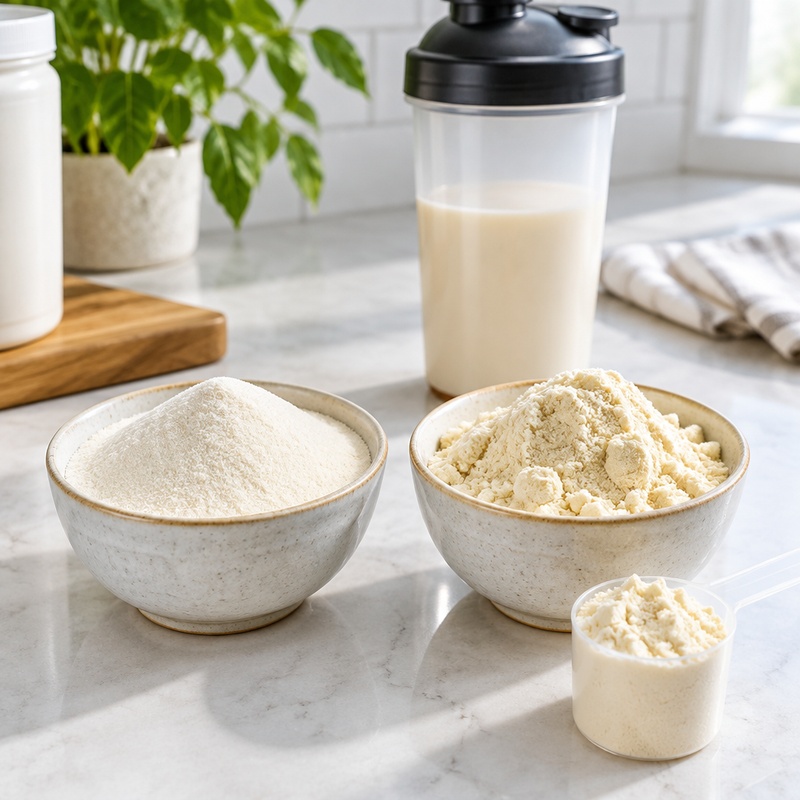
Navigating daily nutritional needs while utilizing GLP-1 receptor agonist medications—such as semaglutide or tirzepatide—presents a unique set of dietary opportunities and considerations. As these therapies naturally slow gastric emptying and alter central satiety signaling, individuals often experience a marked decline in overall appetite. While this physiological change supports structured caloric reduction and weight management, it also requires a deliberate focus on nutrient quality. When total food intake decreases, ensuring that every meal delivers essential macronutrients becomes vital for maintaining metabolic vitality and overall health.
Navigating daily nutritional needs while utilizing GLP-1 receptor agonist medications—such as semaglutide or tirzepatide—presents a unique set of dietary opportunities and considerations. As these therapies naturally slow gastric emptying and alter central satiety signaling, individuals often experience a marked decline in overall appetite. While this physiological change supports structured caloric reduction and weight management, it also requires a deliberate focus on nutrient quality. When total food intake decreases, ensuring that every meal delivers essential macronutrients becomes vital for maintaining metabolic vitality and overall health.
Among essential macronutrients, dietary protein occupies a central role in nutritional planning during weight loss. Achieving adequate protein intake helps safeguard lean muscle tissue, supports immune function, and promotes steady energy throughout the day. However, when solid food feels unappealing or when early fullness sets in quickly, relying solely on traditional whole-food protein sources like chicken, beef, or tofu can feel challenging. In response, many individuals turn to dietary protein supplements to bridge the gap and provide gentle, accessible meal support.
Two of the most widely discussed protein supplements on the market are collagen peptides and whey protein isolate. Both offer valuable nutritional attributes, yet they differ significantly in their amino acid compositions, digestive profiles, liquid solubilities, and physical comfort within the stomach. Understanding these key differences allows individuals on GLP-1 therapy to make informed, personalized choices tailored to their unique digestive tolerance and health goals. Research suggests that aligning nutritional supplementation with personal comfort enhances adherence and long-term wellness outcomes.
Understanding Protein Needs During GLP-1 Therapy
To appreciate why protein selection matters, it is helpful to look at how GLP-1 receptor agonists interact with the human digestive system. GLP-1 medications mimic endogenous satiety hormones, binding to receptors in both the central nervous system and the gastrointestinal tract. This mechanism leads to delayed gastric emptying, meaning that food remains in the stomach for an extended duration before progressing into the small intestine.
The Physiology of Reduced Appetite and Delayed Emptying
Because food moves more gradually through the stomach, feelings of fullness persist significantly longer after meals. While this effect helps curb overeating and manages hunger, it can also lead to unintended nutritional gaps if daily food intake drops too low. Furthermore, during the initial weeks of treatment or following dose escalations, some individuals experience temporary digestive sensitivities, such as mild nausea, early satiety, or a feeling of heaviness after eating rich or bulky meals.
Under these circumstances, forcing large, solid protein meals can compound stomach discomfort. Liquid meal support—such as protein shakes, enriched hot beverages, or broths—provides a convenient vehicle for delivering concentrated protein without placing excessive physical volume on a slow-moving stomach.
Preserving Lean Muscle Mass and Metabolic Rate
During any period of sustained weight loss, the body utilizes stored energy reserves to meet its daily operational demands. Without adequate dietary protein intake and physical activity, a portion of the mass lost can come from lean skeletal muscle tissue rather than adipose tissue. Preserving skeletal muscle is essential for functional strength, posture, and sustaining resting metabolic rate.
Clinical nutrition guidelines emphasize that consuming protein at regular intervals helps provide the metabolic signal required for muscle maintenance. When overall food volume is restricted, selecting a high-quality protein source that delivers optimized amino acid availability while respecting stomach comfort becomes a key component of effective care.
Whey Protein Isolate: The Complete Amino Acid Powerhouse
Whey protein isolate is derived from cow's milk as a natural byproduct of cheese production. It undergoes advanced cross-flow microfiltration and purification processes designed to isolate pure whey protein molecules while stripping away almost all fat, moisture, and lactose. The resulting powder represents one of the most concentrated and bioavailable protein sources available.
Essential Amino Acids and the Muscle Building Threshold
From a nutritional perspective, whey protein isolate is classified as a complete protein because it contains all nine essential amino acids (EAAs) that the human body cannot synthesize internally. EAAs must be acquired through dietary sources to support cell repair, tissue regeneration, and hormone production.
Crucially, whey protein isolate is exceptionally rich in branched-chain amino acids (BCAAs), featuring high concentrations of leucine. Leucine functions as the primary molecular trigger for muscle protein synthesis (MPS)—the biochemical pathway responsible for repairing and building muscle tissue. Scientific research indicates that reaching a specific threshold of leucine per meal (typically around 2.5 to 3.0 grams) optimizes muscle-preserving signals. Whey isolate easily achieves this threshold in a single standard scoop, making it a highly efficient option for individuals prioritizing muscle retention while managing lower overall caloric intake.
Processing, Bioavailability, and Digestive Considerations
Due to its high biological value, whey protein isolate is rapidly digested and absorbed in the upper small intestine. Microfiltration removes virtually all lactose, leaving less than one gram per serving in most premium formulations. Consequently, many individuals with mild to moderate lactose sensitivity tolerate whey isolate without the digestive upset typically associated with less refined dairy products, such as whey protein concentrates.
When mixed with cold water, almond milk, or blended into smoothies, whey isolate creates a smooth, moderately thick beverage. While this creamy texture offers satisfying substance for meal support, individuals who are experiencing active stomach sensitivity or severe early satiety on GLP-1 medications may occasionally find rich shakes feeling somewhat dense in the stomach. Selecting unflavored or naturally sweetened varieties can help minimize sensory overload.
Collagen Peptides: Hydrolyzed Comfort for Sensitive Digestion
Collagen is the primary structural protein in mammals, accounting for approximately 30% of total body protein content. It forms the connective scaffold for skin, tendons, ligaments, cartilage, bone matrix, and blood vessels. Commercial collagen peptides (also known as hydrolyzed collagen) are produced through enzymatic hydrolysis, which breaks down large collagen proteins into short chains of amino acids called peptides.
Hydrolysis and Small Peptide Absorption
The process of hydrolysis dramatically alters how collagen interacts with water and the digestive system. Intact collagen is insoluble and difficult to digest, but hydrolyzed collagen peptides possess a low molecular weight. When mixed into liquids, collagen peptides dissolve rapidly without thickening, clumping, or gelation, regardless of whether the liquid is hot or cold.
Because collagen peptides are pre-digested into small peptide units, they require minimal enzymatic breakdown within the stomach. They pass quickly and smoothly into the small intestine, placing negligible physical strain on gastric motility. For individuals navigating GLP-1-related nausea, morning stomach tightness, or delayed gastric emptying, collagen peptides represent one of the gentlest forms of liquid protein support available.
Gut Support and Specific Amino Acid Composition
Collagen features a distinct amino acid composition, dominated by high levels of glycine, proline, and hydroxyproline. Glycine accounts for approximately one-third of the amino acid content in collagen and serves as a key precursor for cellular antioxidant synthesis. Furthermore, glycine plays a role in supporting the integrity of the gastrointestinal mucosal lining, which can be beneficial for overall digestive wellness.
Amino Acid Limitations and Incomplete Protein Profiles
Despite these supportive characteristics, it is important to recognize that collagen peptides are an incomplete protein source. Collagen lacks tryptophan—an essential amino acid required for protein synthesis—and contains relatively low amounts of leucine and other EAAs. Therefore, while collagen offers comfortable gut support and valuable structural amino acids, relying exclusively on collagen will not meet all essential amino acid requirements for skeletal muscle preservation. It is best utilized as a complementary protein source alongside complete proteins.
Comparing Amino Acid Profiles, Solubility, and Gastrointestinal Tolerance
Evaluating collagen peptides and whey protein isolate side-by-side highlights how their unique characteristics translate to daily use during GLP-1 therapy.
Amino Acid Profiles Side-by-Side
Whey protein isolate delivers a complete spectrum of essential amino acids with a high leucine density specifically optimized for muscle preservation and metabolic support. Collagen peptides provide concentrated non-essential and conditional amino acids (glycine, proline) that support connective tissues, joint comfort, and digestive tract integrity, but lack complete EAA coverage. For muscle retention during weight loss, whey isolate holds a clear scientific advantage; for targeted tissue support and ease of intake, collagen offers distinct benefits.
Solubility and Culinary Flexibility
Collagen peptides lead in culinary versatility. Unflavored collagen can be stirred effortlessly into hot coffee, herbal tea, warm soups, oatmeal, or plain water without altering flavor, aroma, or liquid viscosity. Whey protein isolate, by contrast, is heat-sensitive. Exposure to boiling liquids can denature whey proteins, causing them to coagulate or clump. Whey isolate is ideal for cold applications, such as iced shakes, cold-brew coffee blends, yogurt bowls, or fruit smoothies.
Stomach Comfort and Viscosity on GLP-1
Gastrointestinal tolerance is often the deciding factor for individuals on GLP-1 medications. When gastric emptying is significantly slowed, beverage viscosity matters. Collagen peptides add protein content without increasing liquid thickness, making them virtually imperceptible in beverages. Whey isolate produces a thicker liquid consistency that provides a feeling of fullness, which is advantageous for replacing a light meal but may feel heavy during episodes of transient nausea. Observational patterns suggest that matching viscosity to daily symptom severity improves overall supplement tolerance.
Selecting and Structuring Your Protein Strategy
Rather than viewing collagen and whey as mutually exclusive, many individuals find success by tailoring their use to specific times of day, digestive comfort levels, and activity patterns.
Matching Protein Types to Daily Appetite Patterns
Appetite and digestive comfort often fluctuate throughout the day on GLP-1 therapy. For instance, many people experience lower appetite or mild morning stomach tightness. Starting the morning with a warm beverage containing hydrolyzed collagen peptides provides a gentle influx of amino acids without overloading the stomach.
Later in the afternoon or post-workout—when digestive comfort has stabilized and appetite is moderate—a cold shake made with whey protein isolate delivers the essential amino acids necessary to stimulate muscle protein synthesis and support satiety through the evening hours.
Combining Collagen and Whey for Balanced Benefits
Another practical strategy involves combining both protein powders in a single serving. Mixing half a scoop of whey protein isolate with half a scoop of collagen peptides in a cold smoothie provides the full essential amino acid profile of whey while incorporating the gentle solubility and connective-tissue amino acids of collagen. This hybrid approach offers a balanced compromise between nutritional completeness and stomach comfort.
Hydration, Micro-Nutrients, and Whole Food Synergies
Protein supplements should support, rather than replace, a foundation of whole foods whenever possible. Pair liquid meal support with consistent hydration, adequate dietary fiber, and essential micronutrients. Stirring unflavored collagen into bone broth or pairing a light whey shake with a small portion of berries creates nutrient-dense pairings that respect reduced stomach capacity.
Because individual metabolic responses and digestive tolerances vary, monitoring your personal comfort and nutritional markers is key. Collaborating with a licensed clinician or registered dietitian allows for customized protein targets that reflect your specific health profile, medication dosage, and physical activity levels.
Finding the Right Balance for Your Health Journey
Choosing between collagen peptides and whey protein isolate does not require picking a single winner. Both supplements offer valuable, complementary tools for navigating the unique nutritional landscape of GLP-1 therapy. Whey protein isolate provides complete, high-leucine protein optimized for preserving lean muscle mass, while collagen peptides deliver exceptionally gentle digestion, high solubility, and structural amino acid support for sensitive stomachs.
By assessing your personal digestive tolerance, daily routine, and wellness goals, you can build a flexible, comfortable protein strategy that keeps you nourished and energized throughout your weight management journey. For expert clinical guidance on personalizing your nutrition plan, exploring prescription options, and receiving comprehensive care, visit EOS Health Weight Loss Support.
Essential Amino Acids (EAAs)
The nine amino acids that the human body cannot produce on its own and must obtain through dietary sources to support cell repair, muscle tissue maintenance, and systemic biological functions.
Hydrolyzed Collagen Peptides
Collagen protein that has been broken down via enzymatic hydrolysis into low-molecular-weight peptide chains, rendering it highly soluble in both hot and cold liquids and easily digestible.
Whey Protein Isolate (WPI)
A highly refined form of whey protein purified through microfiltration to contain 90% or more protein by weight with minimal lactose, fat, and carbohydrates.
Muscle Protein Synthesis (MPS)
The fundamental biological process through which cells build new muscle proteins, strongly stimulated by dietary essential amino acids, particularly leucine.
Delayed Gastric Emptying
The physiological slowing of food movement from the stomach into the small intestine, a key mechanism of GLP-1 receptor agonist medications that enhances satiety.
Sources
faq
Common questions, answered.
Can I mix collagen peptides and whey protein isolate together?
Yes, combining collagen peptides and whey protein isolate is a widely practiced approach. Combining both allows you to obtain the complete essential amino acid profile and leucine content of whey isolate while benefiting from the high solubility and connective-tissue amino acids found in collagen peptides.
Does collagen protein count toward my total daily protein target on GLP-1?
Collagen peptides do contribute to overall daily protein and caloric totals. However, because collagen is an incomplete protein lacking tryptophan, health professionals recommend relying on complete protein sources—such as whey isolate, poultry, fish, eggs, or soy—for the majority of your daily intake to ensure optimal muscle maintenance.
Which protein powder is gentlest if GLP-1 medication causes mild nausea?
Hydrolyzed collagen peptides are generally considered very gentle on sensitive stomachs. Because they are pre-digested into small peptides and dissolve completely without altering liquid viscosity, they pass through the stomach easily without causing heaviness. Whey isolate is also well-tolerated, but its thicker texture in cold shakes may feel dense during active nausea.
Is whey protein isolate suitable for individuals with lactose sensitivity?
Whey protein isolate undergoes thorough microfiltration that removes almost all fat and lactose, leaving less than one gram of lactose per serving in most formulations. As a result, many people with mild lactose sensitivity tolerate whey isolate without digestive symptoms, though those with diagnosed dairy allergies should consult a physician.
How much daily protein should I aim for while taking a GLP-1 receptor agonist?
Individual protein requirements depend on factors such as current weight, physical activity level, age, and medical history. Clinical guidelines frequently suggest prioritizing protein during weight loss to support lean tissue preservation. A licensed clinician or registered dietitian can evaluate your health profile and establish an individualized target.
Can collagen peptides help with skin elasticity or joint comfort during weight loss?
Collagen peptides provide targeted amino acids like glycine and proline, which are building blocks used by the body for connective tissue synthesis. While individual experiences vary and supplements do not ensure specific aesthetic outcomes, studies indicate that collagen support contributes to joint comfort and skin hydration as part of a balanced diet.
Should I consume protein shakes with meals or between meals on GLP-1?
Timing depends on your personal digestive patterns and satiety levels. Because GLP-1 medications promote early fullness during meals, consuming a large protein beverage alongside solid food may feel overly filling. Many individuals find that drinking smaller protein shakes between meals or as a mid-afternoon snack provides comfortable nutritional distribution.
Why are unflavored protein powders often recommended for sensitive stomachs?
Unflavored protein powders contain no added artificial sweeteners, sugar alcohols, or synthetic flavorings, which can sometimes trigger gas, bloating, or digestive discomfort in sensitive individuals. Unflavored options offer maximum versatility, allowing you to mix them into neutral liquids, broths, or warm tea easily.
Ready to feel like yourself again.™
Start free consultationwhat are you waiting for?
You're one click away from a new you.
Fill out our brief form and a licensed physician will evaluate which treatment plan is best for you.