Continuous Glucose Monitors Explained: What Glucose Wearables Can Show
Learn how continuous glucose monitors work, what glucose wearable curves reveal about meals and sleep, and how tracking data supports metabolic wellness.
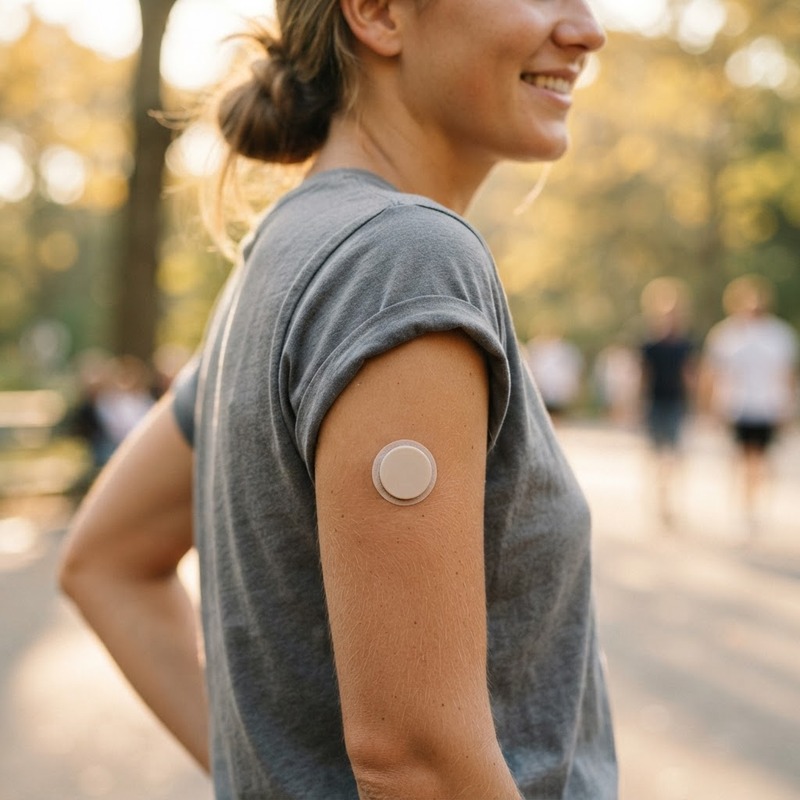
In recent years, interest in metabolic wellness has expanded beyond periodic laboratory visits and fingerstick blood tests. As individuals seek a clearer understanding of how daily habits influence physiological processes, continuous glucose monitors—commonly referred to as CGMs or glucose wearables—have emerged as a prominent tool in digital health conversations. Originally developed as essential medical devices for individuals managing diabetes, these small wearable sensors are increasingly discussed in the context of broader lifestyle awareness, personal wellness, and metabolic evaluation.
In recent years, interest in metabolic wellness has expanded beyond periodic laboratory visits and fingerstick blood tests. As individuals seek a clearer understanding of how daily habits influence physiological processes, continuous glucose monitors—commonly referred to as CGMs or glucose wearables—have emerged as a prominent tool in digital health conversations. Originally developed as essential medical devices for individuals managing diabetes, these small wearable sensors are increasingly discussed in the context of broader lifestyle awareness, personal wellness, and metabolic evaluation.
Understanding what a continuous glucose monitor can and cannot reveal is helpful for anyone curious about metabolic health. Rather than offering a single snapshot in time, a CGM provides dynamic, real-time feedback on how glucose levels fluctuate throughout the day and night. By viewing blood sugar patterns through an educational lens, individuals and healthcare providers can gain valuable context regarding nutrition, movement, sleep, and stress responses. At EOS Health, we believe that understanding your body's signals is a powerful component of informed healthcare, always best paired with clinical evaluation and personalized professional guidance.
Understanding CGM Sensor Technology and How Interstitial Reading Works
To appreciate the data provided by a continuous glucose monitor, it helps to understand how the hardware functions. Unlike traditional capillary blood glucose meters that require a small drop of blood from a fingertip, a CGM sensor sits on the surface of the skin—typically on the back of the upper arm or abdomen—with a microfilament extending just beneath the skin into the subcutaneous tissue layer.
This microfilament does not measure glucose directly from blood vessels. Instead, it measures glucose concentrations within interstitial fluid, which is the cellular fluid surrounding tissue cells. Glucose moves from the vascular system across capillary walls into this interstitial fluid, providing a reliable proxy for systemic glucose availability. An enzymatic reaction on the sensor filament generates a minor electrical signal proportional to the glucose concentration, which is translated by an internal transmitter into a digital reading displayed on a receiver or smartphone application.
Because glucose must travel from the blood into the interstitial fluid, there is a natural delay—often referred to as interstitial lag time—typically ranging from 5 to 15 minutes. During periods when blood sugar is relatively stable, interstitial readings closely mirror capillary blood glucose levels. However, during rapid shifts, such as immediately following intense exercise or a high-carbohydrate meal, interstitial fluid readings may lag slightly behind capillary blood measurements. Understanding this physiological lag helps prevent misinterpreting sudden trend arrows or temporary discrepancies between sensor data and fingerstick checks.
Decoding Glucose Curves: Spikes, Baselines, and Recovery Patterns
One of the most informative aspects of continuous glucose monitoring is the visual curve created by serial data points. Rather than viewing isolated numbers, users observe dynamic waveforms that illustrate how glucose rises, peaks, and returns to baseline throughout 24-hour cycles. Learning to read these curves provides valuable insight into fundamental metabolic processes.
A typical daily glucose trace features several key characteristics that reflect individual metabolic handling:
- Overnight Baselines: During restful sleep and fasting states, baseline glucose levels generally remain within a steady, relatively narrow range. Observations during these hours often reflect underlying liver glucose output and baseline insulin sensitivity, providing a window into resting metabolic equilibrium.
- Postprandial Excursions: Following a meal, dietary carbohydrates are broken down into simple sugars and absorbed into the bloodstream, triggering a rise in glucose known as a postprandial excursion. The height of the peak, the speed of the rise, and the duration before returning to baseline vary based on meal composition, digestive speed, physical activity, and individual metabolic factors.
- Recovery and Clearance: As glucose enters circulation, the pancreas releases insulin, signaling cells throughout the body to absorb glucose for energy or storage. A smooth, timely return toward baseline reflects effective metabolic response and glucose clearance, whereas prolonged elevations may suggest slower clearance dynamics.
- Glycemic Variability: This metric refers to the degree of fluctuation an individual experiences throughout the day. Research suggests that minimizing extreme swings—promoting smoother, gentler curves—may support overall physiological comfort, sustained energy levels, and long-term metabolic stability.
Lifestyle Drivers of Glucose Dynamics: Food, Exercise, Stress, and Sleep
Continuous glucose monitoring highlights how interconnected daily lifestyle choices are with physiological responses. Glucose curves are rarely static, as multiple overlapping factors influence blood sugar patterns from hour to hour.
Nutritional Composition and Meal Sequencing
Different foods elicit distinct glucose responses. Simple carbohydrates and refined sugars tend to be digested rapidly, leading to steeper postprandial curves. Conversely, pairing complex carbohydrates with adequate dietary fiber, protein, and healthy fats slows gastric emptying and decelerates glucose absorption, resulting in a more gradual curve. Additionally, research suggests that meal sequencing—consuming vegetables and protein prior to carbohydrate portions—can alter the trajectory of postprandial glucose curves, helping maintain a more balanced elevation.
Physical Activity and Muscle Uptake
Physical movement exerts a pronounced influence on glucose dynamics. During muscle contraction, glucose transporters (such as GLUT4) move to cell membranes independent of insulin, facilitating direct uptake of glucose from circulation into working muscle tissue. Consequently, light activity such as a ten-minute post-meal walk can promote steady postprandial clearance. Conversely, high-intensity anaerobic bursts or heavy resistance training may temporarily raise glucose levels as stress hormones stimulate the liver to release stored glycogen for rapid energy demands, demonstrating that temporary rises during exercise are a normal physiological adaptation.
Sleep Quality and Circadian Rhythms
Sleep architecture and circadian alignment play pivotal roles in metabolic regulation. Partial sleep restriction or fragmented sleep patterns can transiently reduce peripheral insulin sensitivity the following day. Many CGM users notice that following nights of poor sleep, identical meals produce slightly higher postprandial peaks. Furthermore, early morning glucose rises—sometimes called the dawn phenomenon—reflect natural circadian surges in cortisol and growth hormone designed to prepare the body for waking.
Psychological and Physiological Stress
Acute and chronic stress trigger the release of counter-regulatory hormones, including cortisol and adrenaline. These signaling molecules prompt the liver to initiate gluconeogenesis and glycogenolysis, raising circulating glucose levels to ensure adequate energy for a perceived threat. Observing these stress-induced elevations on a CGM trace underscores the physiological reality of emotional and physical stressors on metabolic equilibrium.
The Growing Interest in Wellness CGM Use and Daily Metabolic Insight
Beyond traditional management of clinical conditions, continuous glucose monitoring has gained popularity among individuals interested in preventive wellness, sports nutrition, and energy optimization. For wellness users, wearing a sensor offers an educational window into personal physiology, transforming abstract metabolic concepts into actionable, observable feedback.
Many individuals find that tracking glucose trends fosters greater awareness around dietary patterns, helping them identify personal responses to specific foods or meal combinations. Because individual responses vary based on gut microbiome composition, baseline fitness, genetics, and metabolic status, two people consuming identical meals may display different glucose traces. Observing these unique patterns can empower individuals to make thoughtful, personalized adjustments to their daily routines.
Moreover, observing how sleep hygiene, stress reduction, and consistent physical activity support steady glucose curves can reinforce positive behavior changes. Rather than relying on generic dietary advice, users gain direct feedback that illustrates how lifestyle habits interact within their own bodies, helping them build sustainable habits that support long-term metabolic health.
Data Interpretation Cautions: Lag Times, Accuracy, and Context
While continuous glucose monitors offer valuable observations, proper data interpretation requires nuance, perspective, and caution. It is essential to recognize that a wearable sensor is a tool for pattern observation rather than self-diagnosis or medical treatment.
Several important cautions should be kept in mind when evaluating sensor data:
- Normal Physiological Variability: Transient glucose rises after eating are a healthy, expected physiological response to nutrition, not a sign of dysfunction. Over-interpreting minor spikes can lead to unnecessary food anxiety or overly restrictive eating patterns.
- Sensor Accuracy and Environmental Pressure: CGM sensors operate within defined accuracy ranges (measured via Mean Absolute Relative Difference). Compression lows—occurring when pressure is applied directly to the sensor during sleep—can cause false low readings that do not reflect actual blood glucose levels.
- Context Matters: A single glucose value or curve offers limited insight without comprehensive context. Clinical evaluation of metabolic health relies on a combination of laboratory biomarkers, including fasting glucose, HbA1c, fasting insulin, lipid panels, and comprehensive clinical assessments.
Partnering with Healthcare Professionals for Meaningful Guidance
Data from continuous glucose monitors is most valuable when evaluated in partnership with a licensed healthcare professional. A qualified clinician can help translate raw trends into meaningful clinical insights, ensuring that lifestyle adjustments align with your broader health goals and medical history.
Whether you are interested in exploring metabolic health, evaluating nutritional strategies, or seeking structured clinical guidance, professional support ensures a safe, evidence-based approach. At EOS Health, our clinical team works alongside patients to provide comprehensive evaluation, evidence-backed recommendations, and tailored guidance. If you are exploring options for long-term health, weight management, and metabolic support, learn more about our comprehensive clinical programs by visiting our weight loss and metabolic care resources today.
Glossary of Key Terms
Interstitial Fluid
The extracellular fluid surrounding tissue cells in the body, through which glucose diffuses from blood capillaries before being absorbed by cells.
Postprandial Excursion
The rise and fall pattern of blood glucose levels that occurs in the hours following the consumption of a meal.
Glycemic Variability
The degree of fluctuation in an individual's glucose levels throughout a given period, including peak and trough amplitudes and frequency of swings.
Interstitial Lag Time
The short physiological delay (typically 5 to 15 minutes) required for glucose concentration changes in the bloodstream to register within interstitial fluid.
Time-in-Range (TIR)
The percentage of time during a continuous monitoring period that an individual's glucose readings remain within a specified target range.
Sources
faq
Common questions, answered.
What is a continuous glucose monitor (CGM) and how does it measure blood sugar?
A continuous glucose monitor is a small wearable device that measures glucose levels continuously throughout the day and night. It uses a tiny sensor placed under the skin to read glucose concentrations in the interstitial fluid, transmitting readings to a receiver or smartphone application.
How does interstitial fluid glucose differ from capillary blood glucose?
Interstitial fluid is the fluid surrounding cells in tissue, whereas capillary blood comes directly from blood vessels. Because glucose moves from blood into interstitial fluid, there is typically a 5 to 15 minute lag time between changes in blood glucose and corresponding shifts in interstitial readings.
Are glucose spikes after meals normal for healthy individuals?
Yes. A temporary rise in glucose after eating carbohydrates is a completely normal physiological response. The body releases insulin to help cells absorb this glucose for energy or storage, gradually returning levels toward baseline.
Can non-diabetic individuals use continuous glucose monitors for health insights?
Many individuals without diabetes choose to wear CGMs for educational purposes to understand how diet, physical activity, sleep, and stress influence their daily glucose patterns. However, CGM data should be interpreted thoughtfully and preferably in consultation with a healthcare provider.
Why might a continuous glucose monitor show a sudden low reading overnight?
Overnight low readings can sometimes be caused by sensor compression, which occurs when a person sleeps directly on the sensor. Pressure reduces localized fluid flow to the sensor site, creating a temporary false low reading known as a compression low.
How does physical activity affect real-time glucose wearable readings?
Light to moderate physical activity, such as walking after meals, supports muscle glucose uptake and helps smooth out post-meal glucose rises. High-intensity exercise may cause a temporary rise in glucose as stress hormones prompt the liver to release stored glucose for energy.
Is continuous glucose monitor data sufficient to diagnose metabolic conditions?
No. CGMs provide observational trend data but are not diagnostic tools on their own. Diagnosing metabolic conditions requires clinical evaluation and standard laboratory blood tests, such as fasting glucose, HbA1c, and oral glucose tolerance testing interpreted by a qualified clinician.
How should I discuss my continuous glucose monitor data with a doctor?
You can share your sensor trends, daily log notes, and average patterns with your clinician during your appointment. Your healthcare provider can help contextualize the readings alongside your overall lab results, medical history, and health objectives.
Ready to feel like yourself again.™
Start free consultationwhat are you waiting for?
You're one click away from a new you.
Fill out our brief form and a licensed physician will evaluate which treatment plan is best for you.