Copper Peptides and the Skin Barrier: What to Know
Explore how copper peptides support skin barrier health, tight junction integrity, and ceramide expression. Learn evidence-based care with EOS Health.
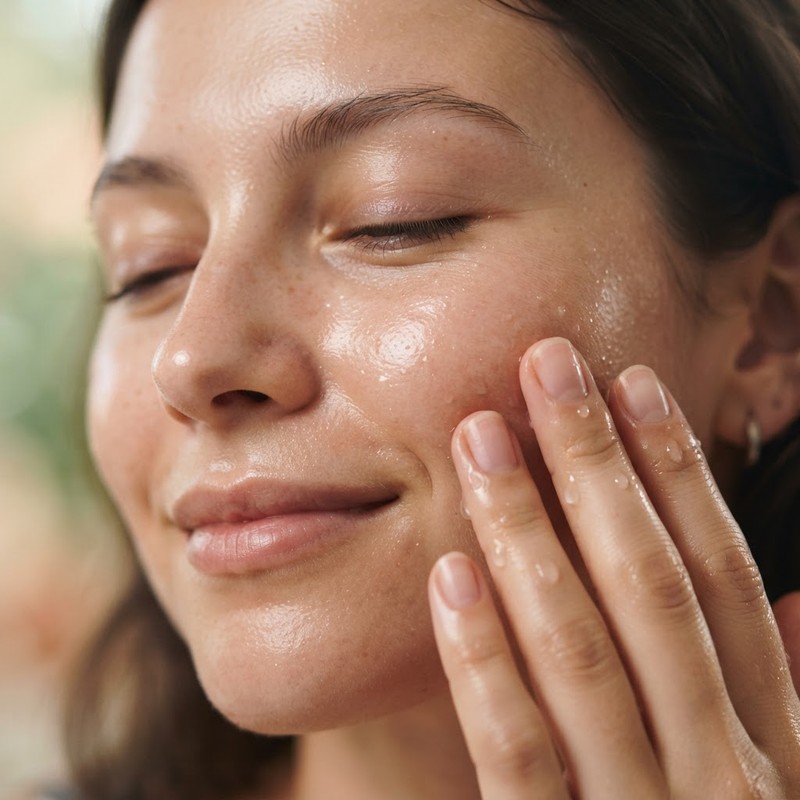
Navigating changes in your skin—whether brought on by subtle hormonal shifts, environmental stress, or time—can feel like a complex puzzle. Among active ingredients in modern clinical skincare, copper peptides have emerged as an intriguing subject of dermatological research. Specifically recognized for their interaction with the skin barrier, these naturally occurring complexes offer insight into cellular maintenance and tissue support.
Navigating changes in your skin—whether brought on by subtle hormonal shifts, environmental stress, or time—can feel like a complex puzzle. Among active ingredients in modern clinical skincare, copper peptides have emerged as an intriguing subject of dermatological research. Specifically recognized for their interaction with the skin barrier, these naturally occurring complexes offer insight into cellular maintenance and tissue support. For adult women seeking clear, science-backed guidance on nurturing delicate skin, understanding how copper peptides interact with the epidermal barrier is an empowering step toward thoughtful skin health.
The skin barrier serves as your body's primary defense system against environmental irritants, transepidermal water loss, and external stressors. When this protective boundary becomes compromised—manifested as redness, stinging, or dryness—supporting its structural integrity becomes paramount. Copper peptides, particularly glycyl-L-histidyl-L-lysine copper complex (GHK-Cu), are evaluated for their potential to support barrier renewal, encourage tight junction protein synthesis, and complement professional dermatological care. In this guide, we explore the science behind copper peptides, their mechanisms within the stratum corneum, and how they may be incorporated into a health regimen under professional guidance.
Understanding the Epidermal Barrier: Brick, Mortar, and Tight Junctions
To appreciate how copper peptides interact with skin, it helps to examine the microscopic architecture of the epidermis. Dermatologists refer to the outermost layer of skin, the stratum corneum, using the classic "brick and mortar" model. Mature skin cells called corneocytes act as bricks, while a lipid matrix acts as mortar holding them together. This lipid layer is composed of ceramides, cholesterol, and free fatty acids. When this balance is maintained, skin retains moisture efficiently and wards off external irritants.
However, the barrier consists of more than lipid mortar. Directly beneath the stratum corneum, in the stratum granulosum, lies a network of intercellular connections known as tight junctions. Tight junctions are protein structures—including claudins, occludins, and zonula occludens (ZO) proteins—that seal spaces between adjacent keratinocytes. They act as selective gates, regulating passive movement of water, ions, and solutes across tissue while preventing foreign substances from penetrating deeper layers.
Throughout life stages, adult women may experience disruptions in this framework. Hormonal fluctuations—such as declining estriol and estradiol during perimenopause—can lead to decreased lipid production and reduced epidermal thickness. Over-exfoliation, harsh cleansing, and environmental weather can also compromise tight junction integrity. When tight junctions weaken and ceramide levels drop, transepidermal water loss increases, leaving skin vulnerable to irritation, flushing, and exacerbated conditions such as acne or melasma. Restoring these structural components is therefore a central focus of clinical dermatology.
The Biological Mechanism of Copper Peptides (GHK-Cu) in Barrier Support
Copper peptides are small protein fragments bound to copper ions ($Cu^{2+}$). The most widely researched copper peptide in human biochemistry is GHK-Cu, a naturally occurring tripeptide (glycyl-L-histidyl-L-lysine) found in plasma and saliva. In early adulthood, circulating levels of GHK-Cu are abundant, but concentration naturally declines with age. Scientific interest in GHK-Cu stems from its capacity to act as a signal peptide, modulating gene transcription and supporting cellular repair pathways.
At the tissue level, copper serves as an essential trace element and enzymatic cofactor. It plays a role in enzymes such as lysyl oxidase (LOX), involved in collagen cross-linking, and superoxide dismutase (SOD), an antioxidant enzyme neutralizing reactive oxygen species (ROS). When delivered topically in stable vehicles, research indicates GHK-Cu may influence key aspects of barrier physiology:
- Tight Junction Protein Expression: Laboratory studies suggest GHK-Cu may help stimulate expression of claudin-1, claudin-4, and occludin. By encouraging synthesis of these proteins, copper peptides support intercellular cohesion within the stratum granulosum, reinforcing the skin's natural permeability seal.
- Ceramide and Lipid Synthesis Support: Research points toward copper's role in supporting enzymatic cascades responsible for lipid synthesis. Studies indicate copper peptide applications may help encourage ceramide production, assisting skin in maintaining its lipid mortar.
- Antioxidant Balance: Oxidative stress degrades barrier lipids through peroxidation. By supporting SOD enzyme activity, GHK-Cu aids in protecting membrane lipids from oxidative damage, fostering a calm environment conducive to repair.
- Extracellular Matrix Support: GHK-Cu influences glycosaminoglycan (GAG) production, including hyaluronic acid, within the extracellular matrix. Elevated GAG synthesis enhances intrinsic water-binding capacity, supporting barrier resilience.
Through these pathways, GHK-Cu functions not as an exfoliating active, but as a cell-communicating agent. Rather than stripping or accelerating turnover aggressively, it encourages endogenous repair systems to function efficiently.
Post-Procedure and Clinical Applications: Barrier Recovery and Healing Contexts
In clinical settings, dermatologists emphasize post-procedure barrier care. Procedures such as fractional laser resurfacing, chemical peels, and microneedling create controlled micro-injuries to stimulate collagen remodeling. However, during the immediate post-procedure phase, the epidermal barrier is temporarily disrupted, leaving skin susceptible to water loss, erythema, and sensitivity.
Because GHK-Cu demonstrates a gentle biological profile, clinicians consider copper peptide formulations for post-procedure care routines once acute re-epithelialization has begun. Research suggests copper peptides can help calm post-procedure redness, support rapid re-establishment of tight junction integrity, and assist in tissue remodeling without generating excess inflammatory heat.
Within clinical practices, compounded topical formulations offer a flexible approach for tailored patient care. A clinician may evaluate a custom compounded GHK-Cu copper peptide cream designed specifically for barrier recovery or sensitive skin profiles. It is vital to understand the regulatory context: compounded medications, including custom GHK-Cu creams, are non-FDA-approved preparations. Unlike mass-produced commercial drugs, compounded formulations are prepared by specialized licensed pharmacies upon a specific prescription from a licensed healthcare provider to meet an individual patient's distinct clinical needs. While not evaluated by the FDA for standardized safety and efficacy, they offer clinicians flexibility in customizing vehicle bases, concentrations, and ingredient combinations.
When used post-procedure or during barrier fragility, clinicians often pair copper peptides with inert emollients—such as squalane, ceramides, and panthenol—to provide a protective shield while peptides work beneath the surface to support structural repair.
Integrating Copper Peptides into a Holistic Skincare Routine
Adding copper peptides to your daily skincare regimen requires a methodical approach. Because peptides are delicate amino acid chains, stability depends on formulation pH and complementary ingredients. Practical considerations include:
Formulation and Texture Selection
Copper peptides are available in water-based serums, emulsions, and creams. Serums are applied to freshly cleansed skin before heavier moisturizers. Creams or rich lipid bases may be preferred by women with dry skin, as the lipid vehicle provides surface occlusion while the copper complex penetrates upper epidermal layers.
Ingredient Compatibility and Staggering
While copper peptides are compatible with soothing ingredients, caution is advised when pairing them with low-pH acidic actives:
- Complementary Partners: Copper peptides pair well with hyaluronic acid, niacinamide (vitamin B3), glycerin, squalane, and ceramide-rich moisturizers. Niacinamide independently supports ceramide synthesis and reduces barrier inflammation, creating a supportive pairing alongside GHK-Cu.
- Ingredients to Stagger: Strong L-ascorbic acid (pure vitamin C) serums and high-potency alpha/beta hydroxy acids (such as glycolic, lactic, or salicylic acids) operate at a low acidic pH (below 3.5). Exposing copper peptides to highly acidic environments can break down peptide bonds or chelate copper ions, rendering both ingredients less effective and potentially causing irritation. Consider applying L-ascorbic acid or hydroxy acids in the morning and copper peptides in the evening, or alternate days.
Navigating Active Prescription Treatments
Many adult women utilize prescription topical treatments to address specific conditions like acne, photoaging, or hyperpigmentation. Understanding how copper peptides fit alongside prescription actives helps maintain barrier stability:
Tretinoin: Tretinoin is an FDA-approved prescription topical retinoid. It is FDA-approved for the treatment of acne vulgaris and is widely prescribed by clinicians to address visible signs of skin aging, fine lines, and roughness. While tretinoin is effective at regulating cellular turnover, the initial adaptation period—often termed "retinization"—can cause temporary dryness, flaking, and barrier compromise. Incorporating a GHK-Cu formulation alongside tretinoin can provide valuable barrier support. Clinicians often recommend applying copper peptides in the morning or using a "sandwich" hydration method in the evening (applying moisturizer and peptide serum, applying tretinoin, and following with a protective emollient) to minimize dryness while supporting structural resilience.
Spironolactone: Spironolactone is an FDA-approved oral medication. Originally approved by the FDA as a potassium-sparing diuretic, spironolactone is commonly prescribed off-label by clinicians to manage hormonal acne in adult women by blocking androgen receptors in sebaceous glands. Because spironolactone works systemically to diminish excess sebum production, skin surface oil levels may decrease, revealing underlying dry or barrier-compromised skin. Utilizing copper peptides alongside spironolactone care helps maintain moisture retention without adding heavy pore-clogging oils.
Custom Compounded Formulations: Clinicians may also consider prescription compounded preparations for complex skin conditions. Customized blends containing tretinoin and clindamycin for inflammatory acne, or hydroquinone, tranexamic acid, and azelaic acid for recalcitrant pigmentation, represent targeted options. Hydroquinone is a prescription-only medication in the United States, and all custom compounded multi-ingredient blends are non-FDA-approved products tailored for individual use. Adding a gentle GHK-Cu cream can help preserve barrier function and buffer against localized peeling or redness.
Navigating Skin Concerns: Hormones, Pigmentation, and Professional Guidance
Skin health is inextricably linked to broader systemic health and hormonal balance. As women navigate different life stages—from reproductive years through perimenopause—fluctuations in estrogen and progesterone alter vascular tone, collagen turnover, and skin barrier thickness. Reduced estrogen levels can diminish moisture retention, rendering the skin barrier delicate and prone to reactive irritation.
During these transitions, women may notice changes in pigmentation, such as melasma or post-inflammatory hyperpigmentation (PIH). Melasma is a complex skin condition characterized by symmetrical hyperpigmented patches, influenced by hormonal shifts, ultraviolet light exposure, and vascular factors. Post-inflammatory hyperpigmentation occurs following skin trauma, acne breakouts, or barrier damage.
When addressing pigmentation concerns, maintaining barrier health is vital. An inflamed barrier can trigger additional melanocyte activity, exacerbating pigmentation. While copper peptides support barrier integrity and tissue health, readers should never attempt to self-diagnose or self-treat melasma or complex pigmentary disorders. Conditions such as melasma, post-inflammatory hyperpigmentation, and sun-induced lentigines require clinical evaluation by a qualified dermatologist or licensed healthcare provider. A professional evaluation ensures an accurate diagnosis, identifies root causative factors, and guides the selection of safe, tailored therapeutic approaches.
Skin barrier repair and cellular maintenance are gradual processes. Individual experiences vary depending on baseline skin health, genetics, environmental exposures, and overall routine consistency. Gentle support and professional clinical collaboration remain the most reliable path toward lasting skin health.
Partnering with EOS Health for Personalized Skin Barrier Care
Achieving a resilient, healthy skin barrier requires an evidence-based approach that respects your skin's unique physiology and hormonal context. Whether you are seeking to reinforce a delicate barrier, complement active prescription therapies, or explore customized clinical options, expert medical guidance makes all the difference.
At EOS Health, our clinical team provides comprehensive, telehealth-based dermatological care tailored specifically to your needs. Through thorough virtual consultations, our licensed providers evaluate your skin health, discuss personalized treatment strategies, and determine whether prescription therapies or customized compounded options are appropriate for you.
If you are looking to support your skin barrier or explore custom clinical formulations tailored to your unique skin profile, connect with the medical team at EOS Health today.
GHK-Cu (Glycyl-L-Histidyl-L-Lysine Copper)
A naturally occurring copper tripeptide complex found in human plasma that acts as a signal peptide, supporting gene expression related to tissue repair, collagen synthesis, and tight junction integrity.
Epidermal Skin Barrier
The outermost protective layer of the skin, primarily composed of the stratum corneum and intercellular lipids (ceramides, cholesterol, and fatty acids), which prevents water loss and guards against external pathogens.
Tight Junctions
Intercellular protein structures—including claudins and occludins—located in the stratum granulosum that seal adjacent skin cells together, regulating barrier permeability and moisture retention.
Transepidermal Water Loss (TEWL)
The passive evaporation of water from the internal body through the epidermal layers into the atmosphere, which increases when the skin barrier is damaged or compromised.
Compounded Formulation
A customized medication prepared by a licensed pharmacy according to a healthcare provider's prescription for an individual patient. Compounded products are non-FDA-approved preparations tailored to specific patient needs.
Sources
faq
Common questions, answered.
What are copper peptides and how do they function in skincare?
Copper peptides are small protein fragments combined with copper ions. In skincare, the most studied form is GHK-Cu (glycyl-L-histidyl-L-lysine copper). They act as signal peptides that communicate with skin cells to support collagen synthesis, antioxidant enzyme activity, and epidermal barrier repair mechanisms.
How do copper peptides support the skin barrier specifically?
Research indicates that GHK-Cu supports the expression of key tight junction proteins—such as claudins and occludins—and encourages lipid and ceramide synthesis within the stratum corneum. This helps reinforce the skin's structural seal and maintain optimal hydration.
Can copper peptides be used at the same time as prescription tretinoin?
Yes, many clinicians suggest using copper peptides alongside tretinoin to support barrier resilience and calm dryness. Tretinoin is an FDA-approved prescription topical retinoid for acne and visible skin-aging signs. To avoid irritation, copper peptides are often applied in the morning while tretinoin is used at night, or integrated using a hydrating sandwich technique.
Are compounded GHK-Cu copper peptide creams FDA-approved?
No. Compounded medications, including custom GHK-Cu creams, are non-FDA-approved preparations. They are customized by licensed compounding pharmacies based on a clinician's specific prescription to meet an individual patient's unique needs, differing from standardized, mass-manufactured FDA-approved drugs.
What are tight junctions and why are they important for skin health?
Tight junctions are specialized protein complexes located between cells in the stratum granulosum layer of the epidermis. They regulate the movement of water and solutes across the skin barrier, preventing transepidermal water loss and shielding deeper skin layers from environmental irritants.
Can copper peptides be used after in-office cosmetic procedures?
Clinicians often consider copper peptide formulations during the post-procedure recovery phase following microneedling, laser resurfacing, or chemical peels. Because they demonstrate gentle biological activity, they help soothe redness and support tight junction repair without causing irritation once initial re-epithelialization has begun.
How should copper peptides be layered with vitamin C or AHA/BHA exfoliants?
It is generally best to stagger copper peptides and strong acidic actives. Highly acidic formulations (such as L-ascorbic acid or alpha/beta hydroxy acids) can disrupt peptide stability or chelate copper ions. Applying acidic products in the morning and copper peptides in the evening, or on alternating days, helps preserve the potency of both actives.
How can I tell the difference between melasma and other types of hyperpigmentation?
Melasma typically presents as symmetrical, broad patches on facial areas like the cheeks, forehead, or upper lip, often driven by hormonal shifts and sun exposure. Other forms of hyperpigmentation, such as post-inflammatory hyperpigmentation, follow localized skin injury or acne. Readers should avoid self-diagnosis and consult a licensed clinician for a professional dermatological evaluation.
Great skin starts with the right protocol.™
Start free consultationwhat are you waiting for?
You're one click away from a new you.
Fill out our brief form and a licensed physician will evaluate which treatment plan is best for you.