Cottage Cheese and Greek Yogurt: Fast GLP-1 Protein Staples
Discover how cottage cheese and Greek yogurt serve as fast, nutrient-dense GLP-1 protein staples to support gut health and muscle during medical weight loss.
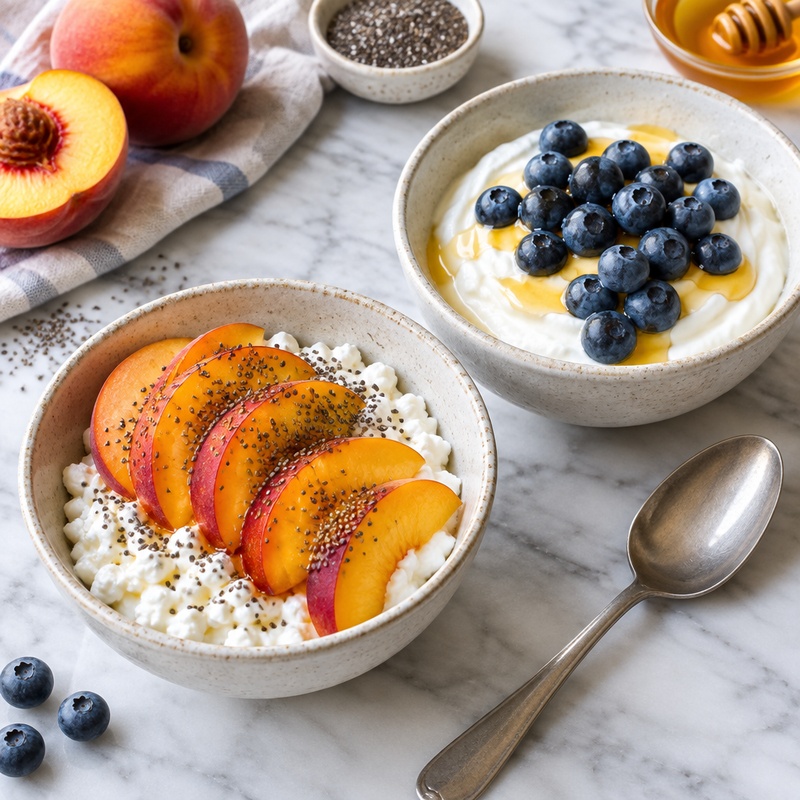
Embarking on a medical weight management journey with GLP-1 receptor agonist medications often brings significant shifts in appetite, satiety signals, and eating patterns. For many individuals, reduced hunger and earlier fullness make consuming traditional, larger meals challenging. While eating less naturally supports weight loss goals, it also elevates the importance of overall dietary quality. When your overall intake decreases, every single bite needs to carry a higher concentration of essential nutrients—most notably high-quality protein.
Embarking on a medical weight management journey with GLP-1 receptor agonist medications often brings significant shifts in appetite, satiety signals, and eating patterns. For many individuals, reduced hunger and earlier fullness make consuming traditional, larger meals challenging. While eating less naturally supports weight loss goals, it also elevates the importance of overall dietary quality. When your overall intake decreases, every single bite needs to carry a higher concentration of essential nutrients—most notably high-quality protein.
In clinical weight management, preserving lean muscle mass while losing body fat is a fundamental priority. Inadequate protein intake during weight loss can lead to muscle loss, lower basal metabolic rate, and post-meal fatigue. However, preparing elaborate high-protein meals can feel overwhelming when appetite is low or when mild nausea occurs during dose titration. This is where cultured dairy products, specifically cottage cheese and Greek yogurt, shine as convenient, versatile, and nutrient-dense staples. Ready to eat in seconds with zero cooking required, these foods offer exceptional protein density per serving, essential amino acids like leucine, and beneficial active cultures that support overall digestive comfort.
1. Why Cultured Dairy Fits Small Appetite Windows
One of the primary physiological effects of GLP-1 medication therapy is delayed gastric emptying paired with enhanced central satiety signaling. Consequently, individuals frequently experience smaller appetite windows where consuming large volumes of food feels uncomfortable or unappealing. Meeting daily protein targets during these condensed eating periods requires choosing foods that pack maximum nutritional value into small, manageable portions.
Cultured dairy products provide an outstanding protein-to-volume ratio. A standard six-to-eight-ounce serving of plain Greek yogurt or low-fat cottage cheese delivers approximately 15 to 25 grams of complete protein. Because these foods are soft, moist, and easily digestible, they require minimal chewing and pass smoothly through the digestive tract without causing the heaviness sometimes associated with dense meats or dry protein options.
The Vital Role of Leucine in Muscle Preservation
Not all protein sources exert identical effects on muscle physiology. Cottage cheese and Greek yogurt are particularly rich in dairy whey and casein proteins, which contain high concentrations of leucine. Leucine is an essential branched-chain amino acid (BCAA) that acts as a primary molecular trigger for muscle protein synthesis. Clinical research suggests that consuming leucine-rich protein sources distributed evenly across meals helps stimulate muscle tissue repair and maintenance, even during periods of energy restriction.
By prioritizing leucine-rich foods like cultured dairy during weight loss, individuals can help safeguard their lean body tissue. Preserving muscle mass is essential not only for physical strength and daily vitality, but also for maintaining metabolic health and supporting long-term weight maintenance after initial clinical goals are achieved.
Zero-Preparation Efficiency for Low-Energy Moments
Compliance with nutritional goals often relies on reducing friction in daily routines. On days when work schedules are demanding or when GLP-1 side effects leave energy levels low, the requirement to chop, season, and cook meat or legumes can become a barrier to proper nutrition. Cottage cheese and Greek yogurt eliminate this barrier completely. Stored conveniently in the refrigerator, they serve as instant, high-protein bases that can be customized in less than two minutes, ensuring that nutritional needs are met consistently without added stress.
2. Digestive Comfort: The Role of Active Cultures and Probiotics
Gastrointestinal adaptations are among the most common experiences reported by individuals initiating or adjusting dosages of GLP-1 therapies. Slower stomach emptying and altered gut motility can occasionally lead to symptoms such as mild bloating, indigestion, or changes in bowel regularity. Supporting gastrointestinal wellness through thoughtful food choices is a key component of a successful telehealth weight management plan.
Cultured dairy foods undergo a natural fermentation process utilizing beneficial bacteria, commonly known as probiotics. When consumed regularly, these active cultures help foster a balanced and diverse intestinal microbiome, which plays an integral role in digestive efficiency and gut barrier function.
Straining and Lactose Tolerability
A frequent concern regarding dairy consumption is lactose sensitivity. Traditional yogurt and liquid milk contain higher levels of lactose, the naturally occurring milk sugar that can trigger bloating or gas in sensitive individuals. However, the manufacturing processes for both Greek yogurt and cottage cheese significantly alter their lactose content:
- Greek Yogurt Straining: Traditional Greek yogurt is strained multiple times to remove liquid whey. This straining process concentrates the protein and removes a substantial portion of the liquid whey, which carries away much of the naturally occurring lactose. As a result, plain Greek yogurt is generally much lower in lactose than regular yogurt.
- Cottage Cheese Culturing: The fermentation and curd separation processes used to produce cottage cheese reduce lactose levels compared to fluid milk. Furthermore, many food brands now produce certified lactose-free cottage cheese and Greek yogurt options, allowing individuals with diagnosed lactose intolerance to enjoy these high-protein foods without digestive distress.
Additionally, the live probiotic cultures present in high-quality Greek yogurt produce lactase enzymes that aid in breaking down remaining lactose during digestion. Many people notice that incorporating plain cultured dairy into their daily meal plan improves overall stomach comfort and promotes regular bowel habits during medical weight loss.
3. Versatile Savory Ideas: Moving Beyond the Sweet Bowl
While many people automatically associate Greek yogurt and cottage cheese with sweet breakfast bowls, their mild, creamy profiles make them exceptionally versatile savory ingredients. Exploring savory preparations helps avoid taste fatigue, reduces intake of added sugars, and provides satisfying lunch or dinner options when full meal preparation feels overwhelming.
High-Protein Savory Dips and Spreads
Plain Greek yogurt serves as a nutrient-dense substitute for mayonnaise, sour cream, or heavy cream bases in classical dip recipes. Blending plain Greek yogurt with minced garlic, fresh dill, grated cucumber, lemon juice, and a pinch of sea salt creates a classic tzatziki dip packed with protein. Pairing this dip with sliced bell peppers, cucumbers, or baked chicken strips offers a light yet protein-rich snack that settles gently on the stomach.
Similarly, cottage cheese can be whipped in a food processor or blender until silky smooth, eliminating its traditional curd texture. Whipped cottage cheese can be mixed with roasted red peppers, garlic, and herbs to create a savory spread for whole-grain crackers, or used as a high-protein topping for roasted vegetables.
Savory Cottage Cheese Meal Bowls
For a quick, minimal-prep savory lunch, try layering low-fat cottage cheese as the base of a balanced bowl:
- Mediterranean Protein Bowl: Combine 1 cup of cottage cheese with diced cherry tomatoes, sliced cucumbers, kalamata olives, extra virgin olive oil, and a sprinkle of hemp seeds. This provides a balance of protein, healthy fats, and hydrating vegetables.
- Smoked Salmon & Chive Bowl: Top cottage cheese with 2 ounces of wild smoked salmon, chopped fresh chives, capers, and cracked black pepper for an omega-3 rich meal that takes under three minutes to assemble.
- Warm Protein Egg Bake Companion: Pair a scoop of whipped cottage cheese with a soft-boiled egg and steamed spinach for a soothing morning or mid-day meal.
Nutrient-Dense Cream Sauce Alternatives
Many traditional pasta sauces and creamy soups rely on heavy cream or butter, which can be heavy on a stomach adapting to GLP-1 medications. Blending cottage cheese or Greek yogurt into warm tomato marinara, butternut squash soup, or vegetable broth adds luxurious creaminess and substantial protein without excessive saturated fat. To avoid curdling, blend the cultured dairy with a small amount of warm broth before stirring it into the dish over low heat.
4. Sweet & Satisfying Combinations for Reduced Appetite
For individuals who prefer sweet flavor profiles, cultured dairy provides a neutral canvas that combines beautifully with whole fruits, nuts, seeds, and spices. The key to crafting healthy sweet bowls on a GLP-1 regimen is keeping added sugars minimal while maximizing fiber and micronutrient density.
Berry & Chia Seed Parfaits
Berries—such as raspberries, blackberries, and blueberries—are low in glycemic impact and rich in dietary fiber, dietary antioxidants, and essential vitamin C. Combining berries with Greek yogurt creates a synergistic blend of slow-digesting protein and soluble fiber, which promotes steady energy levels and supports digestive health.
Layering 3/4 cup of plain Greek yogurt with a half-cup of fresh raspberries, a tablespoon of chia seeds, and a sprinkle of sliced almonds creates a texture-rich parfait. Chia seeds absorb moisture and expand slightly in the gut, providing gentle fiber that aids in maintaining regular digestive motility.
Cinnamon & Stewed Fruit Bowls
When stomach sensitivity makes raw fruits or coarse textures less appealing, stewed or warm fruits paired with cottage cheese offer a comforting solution. Gently warming diced apples or pears with ground cinnamon, nutmeg, and a splash of water creates a soft, aromatic topping for low-fat cottage cheese. Cinnamon adds natural sweetness without sugar and has been studied for its potential role in supporting post-meal glucose stability.
Whipped Cocoa & Nut Butter Protein Bowls
When craving a chocolate snack, Greek yogurt can be transformed into a nutrient-dense dessert bowl. Whip plain Greek yogurt with a tablespoon of unsweetened cocoa powder, a dash of vanilla extract, and a teaspoon of almond butter or peanut butter. This combination satisfies dessert cravings while supplying over 18 grams of protein and healthy monounsaturated fats, avoiding the sharp blood glucose spikes associated with traditional sweets.
5. How to Select the Right Products at the Grocery Store
Navigating the dairy aisle can sometimes be confusing given the wide array of marketing claims, fat percentages, and added flavors. Selecting the best cultured dairy products for your medical weight management plan involves evaluating labels for protein density, sugar content, and live bacterial cultures.
1. Prioritize Plain Varieties to Avoid Added Sugars
Many commercially flavored Greek yogurts and cottage cheese cups contain significant amounts of added sucrose, high fructose corn syrup, or fruit concentrates. A single flavored yogurt cup can contain up to 15 to 20 grams of added sugar, which can trigger rapid blood glucose fluctuations and unnecessary calorie density. Choosing plain varieties allows you to control sweetness naturally using small portions of fresh fruit, cinnamon, or a minimal touch of natural sweetener if desired.
2. Evaluate Fat Content Based on Personal Tolerance
Cultured dairy comes in nonfat (0%), low-fat (1-2%), and whole-milk (4%) variations. There is no single "right" choice for everyone; selection should be guided by your individual dietary goals and digestive comfort:
- Nonfat Options: Provide the highest protein-to-calorie density, making them excellent for individuals aiming to maximize protein intake within tighter calorie limits.
- Low-Fat & Whole-Milk Options: Contain moderate dietary fat, which slows digestion slightly further and can enhance overall satiety and flavor satisfaction. However, higher fat content may delay gastric emptying more noticeably, so individuals experiencing mild nausea on GLP-1 therapy may prefer nonfat or low-fat versions initially.
3. Look for Live & Active Cultures Seals
To ensure you are receiving the probiotic benefits of cultured dairy, check the label for the "Live & Active Cultures" seal or inspect the ingredient statement for specific bacterial strains such as Lactobacillus bulgaricus, Streptococcus thermophilus, Lactobacillus acidophilus, and Bifidobacterium. Thermal pasteurization after fermentation destroys these beneficial micro-organisms, so selecting products with active live strains is key for gut health support.
4. Watch Sodium Levels in Cottage Cheese
While cottage cheese is an exceptional protein source, standard commercially prepared cottage cheese can contain 300 to 400 milligrams of sodium per half-cup serving. If your clinician has advised you to monitor sodium intake for blood pressure management or fluid balance, look for low-sodium or reduced-sodium cottage cheese varieties in the grocery store.
6. Personalizing Your Nutrition Plan with Clinical Guidance
While cottage cheese and Greek yogurt serve as fantastic, nutrient-rich dietary foundations, individual nutritional needs differ based on medical history, current medication dosages, activity levels, and personal health targets. Nutrition during weight loss is not a one-size-fits-all equation; patterns that benefit one person may require tailored adjustments for another.
Regular collaboration with healthcare providers ensures that your eating strategy aligns with your broader health profile. Comprehensive telehealth weight management programs combine modern pharmacotherapy with personalized dietary education, routine blood biomarker evaluations, and ongoing medical oversight. This holistic approach ensures that weight loss is achieved safely, effectively, and in a manner that preserves long-term metabolic health and muscle vitality.
At EOS Health, our clinical team works alongside you to integrate personalized nutrition, medical evaluation, and ongoing support. Explore our weight loss programs today to connect with a licensed healthcare provider and build a sustainable plan tailored to your health goals.
Leucine
An essential branched-chain amino acid (BCAA) that serves as a primary molecular trigger for muscle protein synthesis and repair in human tissue.
Strained Dairy
Dairy products, such as Greek yogurt, that undergo straining to remove liquid whey, resulting in a thicker texture, higher protein concentration, and reduced lactose content.
Gastric Emptying
The physiological rate at which food leaves the stomach and enters the small intestine, a process naturally slowed by GLP-1 receptor agonist medications.
Active Probiotic Cultures
Live, beneficial micro-organisms added to dairy during fermentation that help maintain intestinal microflora balance and support digestive wellness.
Protein Density
The proportion of total calories in a food that comes from protein, indicating how efficiently a food delivers protein relative to its volume and energy content.
Sources
faq
Common questions, answered.
Is cottage cheese or Greek yogurt better for GLP-1 protein goals?
Both cottage cheese and Greek yogurt are exceptional high-protein choices, and neither is inherently superior. Greek yogurt offers slightly higher probiotic content and a smooth, tangy profile, while cottage cheese provides a mild, curd-based texture with high casein protein content. Incorporating both into your weekly routine offers dietary variety and a well-rounded mix of nutrients.
How much protein should I aim for in a single snack or meal on GLP-1 therapy?
Individual protein requirements vary based on body weight, kidney function, and physical activity levels. However, clinical nutrition guidelines frequently recommend aiming for 20 to 30 grams of protein per primary meal, or 15 to 20 grams per snack. A single cup of Greek yogurt or cottage cheese easily fulfills these per-meal protein targets.
Can people with lactose sensitivity tolerate Greek yogurt or cottage cheese?
Many individuals with mild lactose sensitivity tolerate strained Greek yogurt and cultured cottage cheese well because the straining and fermentation processes remove much of the liquid whey and lactose. Additionally, lactose-free varieties of both foods are widely available in supermarket dairy sections.
How do active cultures in yogurt support gastrointestinal health during weight loss?
Active cultures introduce beneficial bacterial strains to the gut microbiome. Research indicates that a balanced gut microbiome supports smooth bowel transit, aids in nutrient absorption, and can help alleviate occasional bloating or stomach discomfort during medical weight loss care.
Is it better to choose nonfat, low-fat, or full-fat dairy options on GLP-1 medications?
The choice depends on your personal digestive tolerance and caloric goals. Nonfat varieties provide maximum protein density per calorie. Low-fat and full-fat options offer greater creaminess and fat-soluble vitamins, but higher dietary fat can slow stomach emptying further, which might increase early fullness or nausea for some individuals.
Can cottage cheese or Greek yogurt replace protein powders or shakes?
Yes. Whole food protein sources like cultured dairy provide complete protein profiles along with naturally occurring calcium, potassium, phosphorus, and B vitamins. For individuals who experience taste aversion or sweetness fatigue from commercial protein shakes, cultured dairy offers a whole-food alternative.
What are easy ways to increase fiber when eating cultured dairy?
Dairy products naturally contain zero dietary fiber, so pairing them with high-fiber toppings is ideal. Excellent high-fiber additions include chia seeds, ground flaxseeds, fresh berries, pumpkin seeds, chopped walnuts, or sliced raw vegetables in savory preparations.
How often should I consult a clinician regarding dietary intake on medical weight loss?
Regular clinical follow-ups are recommended throughout your weight loss journey, particularly when medication doses are adjusted or if you experience persistent digestive symptoms, fatigue, or difficulty meeting daily nutritional targets. Telehealth consultations allow for timely advice and adjustments.
Ready to feel like yourself again.™
Start free consultationwhat are you waiting for?
You're one click away from a new you.
Fill out our brief form and a licensed physician will evaluate which treatment plan is best for you.