Do GLP-1 Weight Loss Injections Hurt? What to Expect
Wondering if GLP-1 weight loss injections hurt? Discover what to expect, needle size details, and key injection technique tips from EOS Health clinicians.
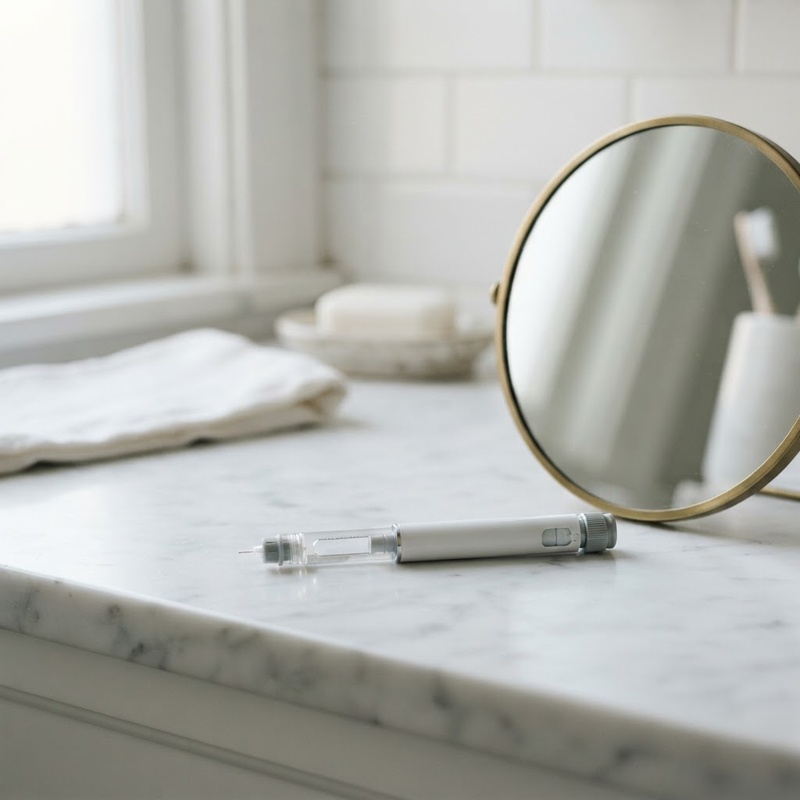
Initiating a clinician-guided medical weight management plan involving glucagon-like peptide-1 (GLP-1) receptor agonist injections can provoke understandable hesitation for individuals unfamiliar with self-administered subcutaneous medications. For many people, the word "injection" immediately calls to mind the uncomfortable pinch of traditional clinical blood draws or deep intramuscular flu shots.
Initiating a clinician-guided medical weight management plan involving glucagon-like peptide-1 (GLP-1) receptor agonist injections can provoke understandable hesitation for individuals unfamiliar with self-administered subcutaneous medications. For many people, the word "injection" immediately calls to mind the uncomfortable pinch of traditional clinical blood draws or deep intramuscular flu shots. Consequently, one of the most frequent questions prospective patients ask is: Do GLP-1 weight loss injections hurt?
The short and reassuring answer is that for the vast majority of individuals, GLP-1 subcutaneous injections cause minimal to no discomfort. The modern delivery systems, ultra-fine needle gauges, and subcutaneous administration techniques engineered for GLP-1 therapy are specifically designed for maximum patient ease, safety, and comfort. At EOS Health, our clinical team believes that demystifying the injection experience through clear education helps alleviate anxiety and builds confidence throughout your health journey.
In this detailed guide, we break down the anatomical and engineering facts behind subcutaneous GLP-1 injections, describe what the injection actually feels like, share practical technique tips to ensure a virtually pain-free experience, and highlight when to consult your healthcare provider.
Demystifying the Needle: Size, Gauge, and Subcutaneous Delivery
To understand why GLP-1 injections are remarkably mild, it helps to examine the physical characteristics of the needles and delivery devices utilized. Unlike intramuscular injections—which must penetrate deep muscle tissue using thicker needles—GLP-1 medications are administered into the subcutaneous fat layer situated just beneath the surface of the skin.
Subcutaneous fat tissue contains far fewer sensory nerve endings sensitive to sharp pain compared to outer epidermal layers or underlying skeletal muscle. Furthermore, GLP-1 pens and syringes utilize ultra-fine, micro-gauge needles designed specifically for gentle self-administration.
Key Engineering Features of Subcutaneous GLP-1 Needles:
- Ultra-High Gauge (Extreme Thinness): Needle thickness is measured in gauges, where a higher gauge number represents a thinner needle shaft. GLP-1 needles typically range from 30 to 32 gauge. For comparison, standard blood draw needles are much thicker, usually 21 to 23 gauge. At 31 gauge, the needle diameter is approximately equivalent to two strands of human hair.
- Short Needle Length: Subcutaneous needles are extremely short, usually measuring only 4 to 8 millimeters (about 5/32 to 5/16 of an inch). This limited length ensures the medication is deposited precisely into the fatty tissue layer without reaching muscle.
- Beveled, Silicone-Coated Tips: Modern injection needles feature microscopic, electro-polished beveled edges coated with a medical-grade lubricant layer. This design allows the needle to glide smoothly through skin tissue with minimal friction or tissue displacement.
What the Injection Actually Feels Like: Sensations and Sensitivities
Because sensory perception varies between individuals, people describe the injection sensation in slightly different ways. However, overwhelming feedback from clinical trials and real-world patient reports characterizes the experience as exceptionally minor.
Most individuals report feeling a very light, brief tap or a tiny pinch that lasts for less than two seconds. In fact, many first-time users express surprise after their initial dose, often asking if the needle actually penetrated the skin because they felt almost nothing at all.
Factors That Can Influence Local Sensitivity:
- Medication Temperature: Cold liquid injected directly from the refrigerator can cause a transient stinging sensation as fluid enters warm subcutaneous tissue.
- Alcohol Swab Dryness: If the alcohol used to sanitize the skin has not completely evaporated prior to insertion, residual alcohol can be carried into the skin, causing a mild prickling burn.
- Target Injection Area: Areas with a thicker subcutaneous fat layer, such as the lower abdomen, generally register less tactile sensation than firmer areas.
- Muscle Tension: Tensing the surrounding body tissue immediately before insertion can heighten local pain perception.
Step-by-Step Injection Technique Tips to Minimize Discomfort
Adopting proper injection hygiene and technique ensures that every weekly or daily dose is smooth, sterile, and comfortable. Following these clinician-approved recommendations will help you master the process with complete confidence.
1. Bring Medication to Room Temperature
While GLP-1 medications are stored in the refrigerator to maintain biochemical stability, injecting cold liquid can cause slight localized discomfort. Removing your pen or single-dose vial from the refrigerator approximately 15 to 30 minutes before administration allows the liquid to reach room temperature, significantly reducing potential stinging.
2. Clean and Allow the Site to Air-Dry Completely
Sanitize your selected injection site using an alcohol wipe. Allow the skin to air-dry completely for 15 to 20 seconds before inserting the needle. Never blow on the skin or wipe it dry with a towel, as this reintroduces airborne bacteria and defeats the purpose of aseptic preparation.
3. Select a Fatty Subcutaneous Area
Choose an approved injection site with ample subcutaneous fat tissue—such as your abdomen (at least two inches away from the navel), the front of your thigh, or the outer upper arm. Relax your body and avoid tensing the surrounding muscles.
4. Use a Swift, Smooth, Straight Insertion
Hold the injection device firmly at a 90-degree angle to the skin surface (unless specifically instructed otherwise by your provider). Insert the needle with a quick, confident, smooth motion. Pushing a needle slowly into the skin activates cutaneous nerve endings more gradually, which can increase awareness of the prick. A quick, smooth motion minimizes discomfort.
5. Depress the Plunger and Hold Steadily
Press the dose button or plunger smoothly until the full dose is delivered. Hold the device in place for 5 to 10 seconds (as directed by the device manual) to ensure complete liquid absorption into the subcutaneous tissue before withdrawing straight out.
6. Apply Light Pressure, Never Rub
After withdrawing the needle, if a tiny drop of blood or fluid appears, press gently on the site with a clean cotton ball or gauze pad. Avoid rubbing or massaging the injection site aggressively, as rubbing can irritate subcutaneous tissue or accelerate fluid dispersal undesirably.
Overcoming Needle Anxiety and Building a Comfortable Routine
If you experience anxiety surrounding needles (trypanophobia), know that you are far from alone. Fear of needles is a common human reaction, but it can be managed effectively with simple psychological strategies and supportive routines.
Creating a calm, consistent environment for your injections can transform a daunting task into a stress-free weekly habit. Consider the following approaches:
- Practice Controlled Breathing: Take three deep, slow abdominal breaths before beginning. Inhale deeply through your nose, and slowly exhale through your mouth as you perform the injection. Slow exhalation naturally relaxes skeletal muscles and lowers systemic tension.
- Use Visual Distraction: Do not stare intently at the needle tip if seeing it triggers anxiety. Focus your gaze on a neutral point across the room or look at the dose counter window of your pen delivery device instead.
- Play Soothing Music: Playing background music or an engaging podcast can divert your brain's focal attention away from anticipation.
- Maintain a Consistent Schedule: Establishing a fixed day and time each week (for example, every Sunday morning after breakfast) builds familiar routine, making the process feel automatic rather than intimidating.
Normal Reactions vs. When to Contact Your Healthcare Provider
It is entirely normal to experience minor skin variations occasionally at the injection site. Being able to distinguish mild, harmless physical responses from signs that require medical evaluation provides peace of mind.
Expected Mild Reactions:
- A small red mark or tiny pinpoint spot at the entry site that fades within hours.
- Minor localized bruising if a microscopic capillary beneath the skin was grazed.
- A slight, brief itchy sensation immediately following fluid delivery.
When to Contact Your Clinician:
While severe adverse reactions at the injection site are rare, you should contact your prescribing healthcare provider or seek medical attention if you notice any of the following symptoms:
- Signs of Infection: Expanding redness, warmth to the touch, localized swelling, severe tenderness, or pus-like drainage at the site.
- Persistent Hard Lumps: Firm nodules under the skin that do not resolve after several days, which may indicate poor site rotation or lipodystrophy.
- Systemic Allergic Symptoms: Widespread skin rash, hives, swelling of the face, lips, tongue, or throat, or difficulty breathing (which require emergency medical care).
Compounded Medications and Device Safety Standards
When discussing injectable weight loss therapies, some patients receive compounded GLP-1 formulations tailored to specific clinical requirements or prescribed during commercial supply shortages. It is important to emphasize that compounded medications are prepared by specialized compounding pharmacies according to individualized clinical orders. Compounded formulations are not FDA-approved, and their quality, safety, and potency depend on the standards of the preparing facility.
When self-administering compounded GLP-1 injections using traditional syringes, always ensure you receive clear demonstration from your prescribing clinician or clinical team regarding exact unit calibration on insulin-style syringes. Utilizing sterile, single-use subcutaneous syringes and maintaining rigorous aseptic technique ensures that your injection experience remains safe, hygienic, and pain-free.
Partnering with a Clinician for a Smooth Treatment Experience
Ultimately, concerns about injection discomfort should not stand in the way of exploring effective, clinician-guided health options. Thanks to advanced micro-needle technology and simple subcutaneous administration, GLP-1 injections are fast, gentle, and easily integrated into daily life.
At EOS Health, our dedicated clinical team provides comprehensive support every step of the way—from initial telehealth evaluation and injection guidance to ongoing progress monitoring. If you are considering medical weight management options tailored to your health profile, expert medical evaluation is readily available.
Complete a short online intake at EOS Health.
Subcutaneous Injection
An injection method that delivers medication directly into the fatty tissue layer located immediately beneath the skin surface, allowing gentle and sustained absorption.
Needle Gauge
A standardized measurement scale for needle diameter, where higher gauge numbers indicate thinner needle shafts designed for greater comfort.
Injection Site Reaction
A localized, usually mild physical response at the entry point, such as temporary minor redness, mild swelling, or slight bruising.
Intramuscular Administration
An injection delivered directly into deep skeletal muscle tissue, which typically utilizes longer and thicker needles than subcutaneous injections.
Preservative-Free Solution
A sterile injectable formulation prepared without chemical preservatives, requiring appropriate temperature control and single-use hygienic handling.
Sources
faq
Common questions, answered.
How pain-free are GLP-1 subcutaneous injections?
The vast majority of patients report that GLP-1 injections cause minimal to no pain. Because the needles are micro-fine (30-32 gauge) and short (4-8 mm), most people feel only a minor, brief pinch lasting a second or two.
Why is subcutaneous injection less painful than intramuscular shots?
Subcutaneous injections target the fatty layer just under the skin, which has far fewer pain-sensing nerve endings than deep muscle tissue. Intramuscular shots require thicker, longer needles that penetrate deep muscle tissue.
Should I let my GLP-1 injection warm up to room temperature before using it?
Yes. Taking your GLP-1 pen or vial out of the refrigerator 15 to 30 minutes before injecting allows the liquid to reach room temperature, which helps reduce any mild stinging caused by cold liquid.
Is mild bruising or redness normal at the injection site?
Yes, minor localized redness, a small red dot, or slight bruising can occasionally happen if a tiny capillary beneath the skin surface is touched. These mild reactions typically fade within a few days.
What needle size is used for GLP-1 weight loss injections?
GLP-1 injections typically use ultra-fine needles ranging from 30 to 32 gauge in thickness and 4 to 8 millimeters in length, making them significantly thinner than standard blood draw needles.
Can I use a numbing cream before taking my GLP-1 injection?
While numbing cream is rarely necessary due to the extremely small needle size, patients with high needle sensitivity can consult their clinician about over-the-counter topical numbing options if desired.
What should I do if an injection hurts more than usual?
Ensure the alcohol swab was completely dry, allow cold medication to reach room temperature, and check that you are injecting into a soft fatty area rather than near muscle or scar tissue. Contact your provider if pain persists.
How can I reduce anxiety before taking my weekly injection?
Focusing on slow abdominal breathing, setting up a calm injection routine, listening to background music, and avoiding looking directly at the needle tip can significantly reduce injection anxiety.
Ready to feel like yourself again.™
Start free consultationwhat are you waiting for?
You're one click away from a new you.
Fill out our brief form and a licensed physician will evaluate which treatment plan is best for you.