Eating Frequency on GLP-1: Small, Regular Meals Explained
Understand why small, regular meals help support gastrointestinal comfort and steady nutrition during GLP-1 care. Discover practical meal timing tips today.
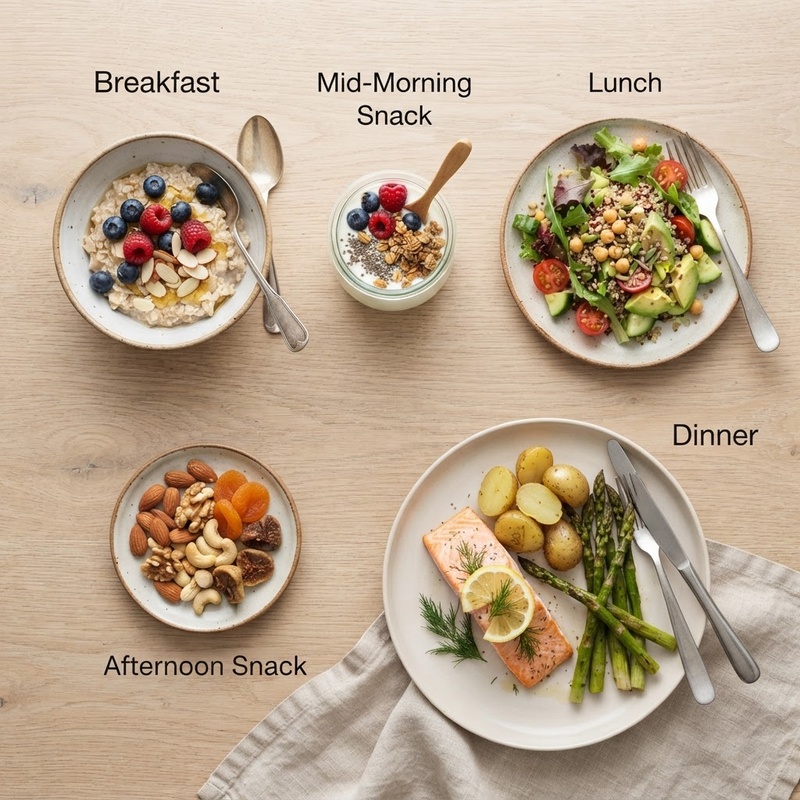
Beginning a glucagon-like peptide-1 (GLP-1) receptor agonist therapy often brings significant shifts in appetite, digestion, and daily eating habits. Among the most effective dietary adjustments reported by clinical professionals and patients alike is transitioning from traditional, larger meals toward smaller, regular meals distributed throughout the day. While three square meals per day has long been the standard cultural norm, the unique physiological mechanisms of GLP-1 medications mean that smaller, more frequent eating occasions often align far better with how the body processes food during treatment.
Beginning a glucagon-like peptide-1 (GLP-1) receptor agonist therapy often brings significant shifts in appetite, digestion, and daily eating habits. Among the most effective dietary adjustments reported by clinical professionals and patients alike is transitioning from traditional, larger meals toward smaller, regular meals distributed throughout the day. While three square meals per day has long been the standard cultural norm, the unique physiological mechanisms of GLP-1 medications mean that smaller, more frequent eating occasions often align far better with how the body processes food during treatment.
Understanding why meal frequency matters on GLP-1 therapy can transform your daily dining experience from one of potential discomfort to one of steady, comfortable nourishment. When appetite signals change and stomach emptying slows down, eating large portions can sometimes lead to feelings of overfullness, mild nausea, or sluggishness. Conversely, structuring your day around balanced, nutrient-dense mini-meals helps maintain steady energy, supports optimal digestion, and ensures your body receives essential vitamins, minerals, and protein. In this guide, we explore the science behind eating frequency on GLP-1 medications, practical strategies for pacing your nutrition, and techniques for listening to your body's evolving fullness signals.
Understanding How GLP-1 Medications Influence Gastric Emptying and Appetite
To appreciate why smaller, regular meals are so helpful, it is useful to examine how GLP-1 medications operate within the digestive system. GLP-1 is a naturally occurring hormone in the body that plays a pivotal role in regulating blood glucose levels and hunger cues. GLP-1 receptor agonists mimic this hormone, acting on receptors in both the central nervous system and the gastrointestinal tract. One of the primary physiological effects of GLP-1 therapy is delayed gastric emptying—a process where food moves more slowly from the stomach into the small intestine.
Because food remains in the stomach for an extended duration, the brain receives continuous signals of fullness and satiety. While this delayed emptying helps manage overall appetite and prevents rapid spikes in blood sugar, it also means the stomach has less available volume at any given moment. Consuming a large meal when gastric motility is slowed can easily overcrowd the stomach, leading to common gastrointestinal side effects such as upper abdominal tightness, bloating, acid reflux, or mild nausea. Shifting to smaller meal sizes respects this slowed digestive pace, allowing the stomach to process food comfortably without becoming overloaded.
Furthermore, GLP-1 medications influence the hunger centers in the brain, reducing constant food thoughts and curbing sudden intense cravings. Because physical hunger cues may become subtle or muted, relying solely on traditional "hunger pangs" to determine when to eat can sometimes result in unintentional long fasts followed by eating too quickly. Establishing a structured routine of regular, modest meals provides a reliable framework for consistent nutrition regardless of fluctuating appetite signals.
The Physiological Benefits of Small, Regular Meals During GLP-1 Therapy
Adopting an eating pattern centered on small, regular meals offers numerous health and wellness benefits for individuals undergoing GLP-1 therapy. Rather than viewing meal reduction as restrictive, framing it as nutrient pacing allows patients to prioritize quality and comfort. Here are several key physiological advantages observed when meal frequency is optimized:
First, regular meal frequency supports stable blood glucose levels and sustained energy. When meals are spaced evenly throughout the day—typically every three to four hours—the body receives a steady stream of glucose and nutrients. This steady delivery prevents drastic dips in energy, afternoon fatigue, and lightheadedness that can occur when overall food intake decreases significantly.
Second, smaller meals facilitate better overall digestive tolerance. Mild nausea is one of the most frequently reported side effects when initiating or titrating GLP-1 dosages. Eating large volumes of food at once exacerbates gastric distension, which directly triggers nausea pathways. By keeping portion sizes modest, gastric pressure remains minimal, reducing the likelihood of nausea, heartburn, or indigestion after eating.
Third, regular mini-meals help ensure adequate nutrient density, particularly regarding protein intake. When overall caloric volume decreases, meeting daily requirements for essential nutrients becomes more challenging. Spreading food intake across four to five small eating occasions makes it substantially easier to meet targets for high-quality protein, fiber, essential fatty acids, and key micronutrients without feeling uncomfortably full at any single sitting.
Sustained Protein Intake Throughout the Day
Preserving lean muscle mass is a foundational objective during any weight management process. Protein provides the necessary amino acids for muscle maintenance, cellular repair, and immune function. However, the human body can only process and synthesize a certain amount of protein efficiently from a single meal. Distributing protein evenly across small, regular meals—such as consuming 15 to 25 grams of high-quality protein per mini-meal—maximizes muscle protein synthesis while keeping digestive strain low. Options such as Greek yogurt, lean poultry, tofu, eggs, and rich legumes serve as excellent foundations for mini-meals.
Designing a Daily Eating Schedule: Practical Meal Pacing Strategies
Creating a workable, realistic routine for small, regular meals requires thoughtful planning, especially for individuals used to skipping breakfast or eating one large dinner. The goal is not to eat constantly throughout the day, but rather to establish intentional, well-spaced mini-meals that fit seamlessly into your personal schedule.
A practical approach involves aiming for four to five small eating occasions per day, spaced roughly three to four hours apart. Each mini-meal should be balanced, combining a source of lean protein, high-fiber carbohydrates, and healthy fats. Below is an example framework illustrating how a day of small meal pacing might look:
- Morning Mini-Meal (8:00 AM): A small bowl of low-sugar Greek yogurt topped with a handful of fresh berries and a sprinkle of chia seeds.
- Mid-Morning Refresh (11:30 AM): A hard-boiled egg with a small side of sliced cucumbers or a handful of almonds.
- Afternoon Mini-Meal (2:30 PM): A light salad with grilled chicken breast, leafy greens, olive oil dressing, and a small wedge of avocado.
- Late Afternoon Bite (5:30 PM): A scoop of high-quality protein powder blended with unsweetened almond milk and half a banana.
- Gentle Evening Meal (7:30 PM): A small fillet of baked salmon paired with steamed broccoli florets and a spoonful of quinoa.
When adopting a schedule like this, mindful eating techniques become essential. Eating slowly, chewing food thoroughly, and eliminating screens during meals allows you to pay close attention to your body's early fullness cues. Pausing midway through a mini-meal gives your stomach time to communicate with your brain, preventing accidental overeating.
Hydration Pacing Between Meals
Hydration is another crucial element of GLP-1 meal support. Adequate fluid intake supports kidney function, promotes regular bowel movements, and helps alleviate mild constipation. However, drinking large amounts of liquid during meals can fill up limited stomach space prematurely or increase gastric volume, contributing to fullness or reflux. A practical strategy is to sip water, herbal teas, or electrolyte fluids consistently between meals, while keeping beverage intake modest during mealtime itself.
Listening to Internal Satiety Signals and Recognizing Satiety Cues
One of the most profound shifts experienced on GLP-1 therapy is the enhanced clarity of internal satiety signals. Prior to starting medication, appetite signals can sometimes feel delayed or overwhelming. Under GLP-1 care, satiety signals often arrive faster and more distinctly, signaling that the stomach has reached a comfortable capacity.
Learning to listen to these signals requires active practice and self-awareness. Early fullness cues might present as a subtle sense of satisfaction, a slight loss of interest in the food on your plate, or a gentle feeling of stomach tightness. Recognizing these signals early is key; pushing past them to "finish the plate" often leads to uncomfortable fullness or nausea hours later. On GLP-1 medications, leaving food on the plate is not wasteful—it is a healthy response to your body's natural boundaries.
It is also important to distinguish between true physical hunger and environmental or emotional eating cues. Because social settings, clock times, and stress can prompt the desire to eat independent of physical need, taking a brief pause before eating can help clarify your actual appetite level. If physical hunger is mild, selecting a smaller mini-meal or protein bite is often the most comfortable choice.
For individuals experiencing significant appetite reduction, eating even small meals can sometimes feel challenging. In such cases, focusing on nutrient density becomes paramount. Choosing small, nutrient-rich foods—such as a spoonful of nut butter, a small piece of cheese, or a protein-fortified smoothie—delivers essential nutrition without requiring large physical volumes of food.
Overcoming Common Meal Timing Challenges and Special Considerations
Transitioning to a pattern of small, regular meals can present practical challenges, particularly in busy professional or personal environments. Spontaneous meetings, travel, or family schedules can make rigid meal times difficult to maintain. Developing flexible strategies ensures you stay comfortably nourished regardless of daily disruptions.
Preparation is key to maintaining consistent mini-meals. Keeping portable, non-perishable mini-meal options readily available in your bag, car, or workspace prevents long gaps between meals. Suitable portable items include individual nut butter packets, roasted chickpeas, high-protein snack bars with clean ingredients, and single-serve pumpkin seeds. For fresh options, pre-portioned containers of cottage cheese, cut vegetables, or turkey roll-ups can be stored easily in a cooler or office refrigerator.
Social dining and restaurant visits can also present questions for GLP-1 users. When dining out, portion sizes served by restaurants are frequently far larger than what is comfortable during GLP-1 therapy. Effective strategies include ordering from the appetizer menu, sharing an entree with a dining companion, or immediately asking for a box to pack half the meal for later. Focusing on conversation and atmosphere rather than food volume allows you to enjoy social occasions without feeling overwhelmed by large portion sizes.
Collaborating with Your Telehealth Clinical Team
Every individual responds uniquely to GLP-1 therapy, and dietary needs vary based on baseline health, activity levels, concurrent medical conditions, and specific medication dosages. Working closely with a dedicated healthcare provider ensures your nutrition strategy is tailored to your body's precise needs. If you experience persistent nausea, severe loss of appetite, or difficulty meeting basic hydration and nutrient needs, your clinical team can provide guidance, adjust dosing schedules, or suggest targeted dietary modifications.
Navigating Your Health Journey with Personalized Clinical Support
Adapting your eating frequency to include small, regular meals is one of the most effective ways to support digestive comfort, maintain steady energy, and ensure balanced nutrition while on GLP-1 therapy. By listening closely to your body's satiety cues, pacing meals throughout the day, and prioritizing protein and nutrient-dense foods, you create a sustainable foundation for long-term health and wellness.
Remember that prescription GLP-1 medications are medical treatments that require appropriate clinical oversight and evaluation by licensed healthcare professionals. If prescription GLP-1 therapy or compounded options are considered during your health journey, note that compounded formulations are not FDA-approved and should always be evaluated under professional medical supervision. Individual health journeys vary, and ongoing communication with your care provider is essential to achieving safe, personalized health outcomes.
If you are exploring GLP-1 medication options or want guidance tailored to your health goals, visit EOS Health Weight Loss Support to connect with our clinical team for a comprehensive evaluation.
Glossary of Terms
Gastric Emptying
The physiological process by which food leaves the stomach and enters the small intestine for digestion and absorption. GLP-1 medications slow this process down.
GLP-1 Receptor Agonist
A class of medications that mimic the human glucagon-like peptide-1 hormone, supporting blood sugar regulation and appetite signaling under medical supervision.
Satiety
The feeling of fullness and satisfaction following a meal that suppresses the desire to eat further until energy needs recur.
Nutrient Density
The concentration of essential nutrients—such as vitamins, minerals, protein, and fiber—relative to the total caloric content of a given food.
Muscle Protein Synthesis
The metabolic process by which the body builds and repairs muscle tissue, supported by regular dietary protein consumption throughout the day.
Sources
faq
Common questions, answered.
Why do GLP-1 medications make small meals feel more comfortable?
GLP-1 medications slow down gastric emptying, meaning food moves through the stomach at a more gradual pace. Because the stomach holds food longer, smaller portions prevent stomach distension and digestive discomfort such as nausea, bloating, or heartburn.
How many meals or mini-meals should I eat each day on GLP-1?
Many individuals find that eating four to five small, well-balanced mini-meals spaced three to four hours apart works best. However, exact meal timing depends on individual schedules, appetite cues, and clinical guidance from your healthcare team.
What should I do if my appetite is extremely low and I forget to eat?
If appetite suppression is high, setting gentle reminders to eat small, nutrient-dense mini-meals can help prevent energy slumps and nutrient gaps. Focus on small portions of protein-rich foods or liquid options like protein smoothies when solid food feels unappealing.
How can small meals help prevent nausea on GLP-1 therapy?
Nausea often occurs when the stomach is either completely empty or overfilled. Small, regular meals keep a modest amount of food in the digestive system, stabilizing blood sugar and preventing stomach distension, both of which help minimize nausea.
Should I drink liquids with my meals or between meals?
It is generally helpful to drink the majority of your daily fluids between meals rather than during them. Drinking large volumes of liquid while eating can fill up limited stomach space quickly and contribute to a feeling of overfullness.
How can I make sure I get enough protein with smaller meal sizes?
Prioritize protein first at each eating occasion. Including 15 to 25 grams of lean protein—such as Greek yogurt, poultry, eggs, tofu, or fish—in each mini-meal helps distribute protein intake evenly across the day to support muscle preservation.
Are compounded GLP-1 medications approved by the FDA?
No, compounded GLP-1 medications are not approved by the FDA. While state-licensed compounding pharmacies may prepare custom formulations during drug shortages, these products do not undergo FDA safety and efficacy review and should only be used under clinical supervision.
Can I still eat out at restaurants while following a small meal schedule?
Yes. When dining out, consider ordering appetizers instead of main entrees, sharing a dish with a friend, or asking for a box right away to save half of your meal for later. This allows you to enjoy dining out comfortably without feeling pressured to eat large portions.
Ready to feel like yourself again.™
Start free consultationwhat are you waiting for?
You're one click away from a new you.
Fill out our brief form and a licensed physician will evaluate which treatment plan is best for you.