Eating Well While Traveling on GLP-1
Discover practical tips for eating well while traveling on GLP-1. Learn how to pack smart protein snacks, stay hydrated, and dine out with confidence.
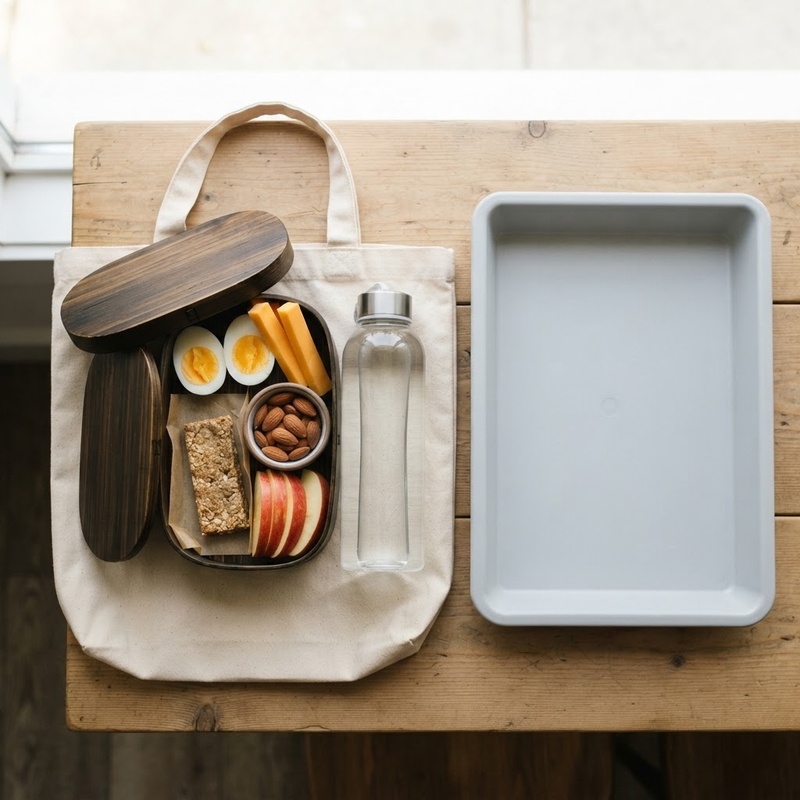
Traveling offers wonderful opportunities to explore new cultures, visit loved ones, or unwind from daily routines. However, traveling while using GLP-1 receptor agonist therapy can introduce unique nutritional considerations. From changing time zones and unpredictable schedules to limited dining options at airports or rest stops, maintaining a steady and comfortable eating routine requires thoughtful preparation. Because GLP-1 medications alter digestion, appetite signals, and gastric emptying, remaining mindful of what, when, and how you eat while away from home can support your overall physical comfort and wellness goals.
Traveling offers wonderful opportunities to explore new cultures, visit loved ones, or unwind from daily routines. However, traveling while using GLP-1 receptor agonist therapy can introduce unique nutritional considerations. From changing time zones and unpredictable schedules to limited dining options at airports or rest stops, maintaining a steady and comfortable eating routine requires thoughtful preparation. Because GLP-1 medications alter digestion, appetite signals, and gastric emptying, remaining mindful of what, when, and how you eat while away from home can support your overall physical comfort and wellness goals.
Living well on GLP-1 therapy involves building flexible, sustainable habits rather than following rigid rules. When traveling, having a strategic plan for nourishment allows you to enjoy your trip without experiencing digestive discomfort or energy crashes. Research suggests that keeping protein, hydration, and gentle dietary fiber at the forefront of travel planning can help support steady digestion and comfortable energy throughout long journeys. In this comprehensive guide, our clinical team shares practical strategies for packing portable snacks, navigating travel hubs, choosing hotel-friendly foods, and dining out with ease.
Understanding How Travel Impacts Nutrition on GLP-1
Traveling frequently disrupts our body's natural circadian rhythms, sleep cycles, and meal patterns. When you add GLP-1 receptor agonist therapy to the mix, these disruptions can influence how your body responds to food. GLP-1 medications function in part by slowing gastric emptying—the rate at which food moves from the stomach into the small intestine. This delayed gastric emptying promotes prolonged feelings of fullness and satiety, which can make large or heavy meals feel overwhelming, especially when sitting for long hours during flights or road trips.
Additionally, crossing time zones can confuse your internal clock, leading to shifted hunger cues. You might find yourself feeling hungry at unexpected hours or having little appetite during scheduled meal stops. Understanding these physiological dynamics helps frame travel nutrition as an ongoing practice of listening to your body's subtle signals and adapting gently to changing environments.
Managing Appetite Shifts Across Time Zones
When crossing time zones, rigid meal schedules may no longer align with your internal hunger signals. Instead of forcing yourself to eat full meals at local mealtimes when your body isn't ready, consider transitioning gradually. Focus on small, nutrient-dense mini-meals or protein-centered snacks until your biological rhythm adjusts. Clinical observations indicate that eating smaller, more frequent portions during transit can minimize common gastrointestinal complaints such as bloating, fullness, or mild nausea.
Prioritizing Digestive Comfort on the Move
Prolonged sitting in automobiles, trains, or airplanes naturally slows intestinal motility. Combined with the mechanisms of GLP-1 medications, this can sometimes lead to sluggish digestion or uncomfortable abdominal pressure. Selecting gentle, easily digestible foods while avoiding high-fat, greasy, or overly spiced meals during actual travel hours can foster optimal stomach comfort. Choosing cooked vegetables, lean proteins, and clear fluids rather than heavy fried options supports seamless digestion throughout your voyage.
Packing Smart: High-Protein and Portable Snacks
One of the most effective strategies for eating well on the move is bringing your own shelf-stable foods. Relying exclusively on terminal kiosks or convenience stores can limit your nutritious options. By carrying a dedicated travel snack pouch, you ensure constant access to nourishing choices regardless of delays, layovers, or unexpected itinerary changes.
Top Portable Protein Options
Protein plays a vital role in maintaining muscle mass and promoting stable metabolic health during weight management journeys. When selecting portable protein sources for travel, seek out non-perishable items that pack easily and do not require refrigeration during transit. Excellent options include:
- Single-Serve Protein Powders: Whey, soy, pea, or collagen protein packets can be easily mixed with bottled water or low-fat milk after passing through security checkpoints.
- Unsalted Roasted Nuts and Seeds: Almonds, walnuts, pumpkin seeds, and sunflower seeds offer a satisfying crunch alongside healthy fats and dietary protein.
- Low-Sodium Jerky or Biltong: Beef, turkey, or salmon jerky provides a high-protein, low-carbohydrate option that takes up minimal luggage space.
- Roasted Edamame or Chickpeas: Dry-roasted legumes deliver a robust combination of plant-based protein and dietary fiber to encourage bowel regularity.
- Nut Butter Pouches: Individual squeezable packets of almond or peanut butter pair well with fresh fruit like apples or bananas picked up along the way.
Snack Storage and Temperature Care
For items that benefit from mild chilling—such as low-fat string cheese, Greek yogurt cups, or hard-boiled eggs—consider traveling with a small insulated lunch bag and gel ice packs. If you are flying, ensure any gel ice packs are completely frozen solid when passing through security checkpoints to comply with transportation regulations. Keeping portable snacks well-organized in your carry-on luggage reduces travel stress and helps prevent impulse decisions when hunger strikes.
Navigating Airports, Train Stations, and Rest Stops
Modern travel hubs have expanded their culinary offerings in recent years, making it far easier to locate wholesome, balanced choices. However, navigating bustling terminals while feeling fatigued requires a clear strategy. Looking beyond standard fast-food chains allows you to assemble balanced meals that nourish your body without overloading your digestive system.
Finding Balanced Airport Meals
When searching for airport food, look for grab-and-go kiosks, deli counters, or sit-down restaurants that emphasize whole food ingredients. Aim to build meals around a lean protein source, a serving of non-starchy vegetables, and a gentle complex carbohydrate. Recommended airport choices include:
- Pre-Made Salad Bowls: Choose options featuring grilled chicken, turkey breast, or tofu, with light dressings served on the side so you can control the portion.
- Protein Boxes: Many terminal coffee shops offer chilled boxes containing hard-boiled eggs, sliced cheese, fresh fruit, and whole-grain crackers.
- Broth-Based Soups: Warm soups like chicken vegetable or lentil soup provide easy digestion, hydration, and gentle nourishment.
- Custom Grain Bowls: Fast-casual spots often allow you to build custom bowls with greens, brown rice or quinoa, lean proteins, and roasted vegetables.
Healthy Highway & Road Trip Pitstops
Road trips present unique challenges, as gas station convenience stores are frequently stocked with sugary snacks, chips, and fried foods. However, most modern highway travel centers also offer nutritious alternatives if you know what to look for. Check refrigerated display cases for fresh fruit cups, string cheese, hummus containers with fresh veggies, yogurt, and pre-wrapped turkey wraps. If fast food is your only option, opt for grilled chicken sandwiches, chili, or side salads rather than deep-fried entrees.
Hotel Room Staples and Grocery Runs
Once you reach your destination, taking thirty minutes to stock your lodging area with a few key groceries can set you up for nutritional success throughout your stay. Whether staying in a hotel room with a compact refrigerator or an apartment-style rental with a full kitchen, having healthy staples within arm's reach makes maintaining your eating rhythm effortless.
Transforming Your Hotel Room into a Nourishing Base
Upon checking in, verify whether your room has a mini-refrigerator. If one is not present, you can often request a medical or small refrigeration unit from the front desk for storing perishables or temperature-sensitive medications. Consider visiting a local supermarket or ordering a quick grocery delivery to stock items such as:
- Plain or Low-Sugar Greek Yogurt: High in protein and probiotics, Greek yogurt makes an exceptional, gentle morning meal or evening snack.
- Fresh Fruits: Berries, apples, bananas, and citrus fruits are easy to store and provide vital vitamins, minerals, and natural fiber.
- Pre-Washed Salad Greens & Cut Veggies: Baby spinach, cucumber slices, cherry tomatoes, and baby carrots add nutrient density to quick hotel snacks.
- Canned Tuna or Salmon Pouches: Shelf-stable seafood pouches require no opener and provide high-quality protein and omega-3 fatty acids.
- Sparkling Water or Herbal Teas: Flavorful, sugar-free hydration options keep routine beverage consumption interesting.
Dining Out with Confidence and Flexibility
Dining out is often a central part of business travel and vacations. Utilizing GLP-1 therapy does not mean avoiding restaurants; rather, it invites a relaxed, mindful approach to menu selection. Feel free to ask servers about preparation methods, request sauces or dressings on the side, or ask for smaller portions. Since GLP-1 therapy naturally enhances feelings of satiety, you may find that an appetizer-sized portion or sharing an entree with a dining companion fully satisfies your appetite. Remember to eat slowly, savor flavor profiles, and pause when you feel comfortably satisfied.
Hydration and Electrolytes on the Road
Hydration is a foundational pillar of GLP-1 support, yet it is easily overlooked during the rush of travel. Airplanes maintain low cabin humidity—often below 20 percent—which accelerates fluid loss through breathing and perspiration. Furthermore, GLP-1 medications can reduce thirst signals in some individuals. Staying proactively hydrated helps maintain energy levels, supports regular bowel function, and reduces the risk of mild head discomfort or fatigue during travel.
Why Hydration Matters Double During Travel
Adequate fluid intake helps soften stool and supports digestive regularity, which is particularly beneficial given that GLP-1 therapy and travel can both slow bowel motility. Aim to drink water consistently throughout the day rather than chugging large volumes at once, which might create temporary stomach fullness or discomfort. Carrying a reusable stainless steel or BPA-free water bottle through airport security—and filling it at hydration stations before boarding—ensures you remain hydrated at altitude.
Electrolytes and Fluid Balance
In addition to plain water, incorporating electrolyte support can be advantageous, especially during warm-weather travel, active vacations, or long flights. Look for low-sugar or sugar-free electrolyte powder packets that dissolve easily into water. Essential minerals such as sodium, potassium, and magnesium work synergistically to maintain cellular fluid balance, support muscle function, and prevent feeling depleted after long travel days.
Maintaining a Gentle Routine and Mindful Eating Practices
Beyond the physical food choices you make while traveling, your overall mindset around eating plays a key role in your experience. Traveling should be enjoyable, fulfilling, and relaxing. Maintaining a gentle perspective allows you to adapt gracefully when plans change without feeling stressed about dietary variations.
Mindful Dining in Unfamiliar Settings
Mindful eating involves paying full attention to the experience of eating and drinking. When enjoying regional delicacies or dining with friends, focus on chew rate, taste texture, and internal fullness cues. Taking smaller bites and putting your fork down between bites allows your digestive system time to signal satiety to your brain. This practice prevents overeating, which can sometimes lead to uncomfortable reflux or indigestion when taking GLP-1 medications.
Partnering with Your Healthcare Provider
Before departing on extended trips—especially international travel or destinations across multiple time zones—it is wise to consult your prescribing clinician. Your healthcare provider can offer tailored advice regarding medication storage, dose timing across time zone shifts, and guidance for managing potential digestive side effects while abroad. Note that prescription medications should always be stored in their original labeled containers alongside a copy of your clinical prescription when passing through customs or travel security points.
Conclusion
Traveling while taking GLP-1 receptor agonist therapy can be a seamless and rewarding experience when approached with planning, flexibility, and mindfulness. By packing high-protein portable snacks, choosing balanced travel meals, staying consistently hydrated, and listening closely to your body's natural satiety signals, you can maintain your physical comfort and health goals wherever your journey leads.
Every individual's response to medication and travel routines is unique. Working with a dedicated medical care team ensures you receive personalized guidance aligned with your specific health profile and lifestyle needs. Explore personalized weight management and clinical support at EOS Health today.
GLP-1 Receptor Agonists
A class of medications that mimic the natural incretin hormone GLP-1, supporting blood sugar regulation, enhancing satiety, and slowing gastric emptying under clinical supervision.
Gastric Emptying
The rate at which stomach contents pass into the small intestine. Delayed gastric emptying helps prolong post-meal fullness, a core mechanism of GLP-1 therapy.
Satiety
The feeling of fullness and satisfaction after eating, which inhibits further food intake until hunger naturally returns.
Hydration and Electrolyte Balance
The ratio of fluids and essential minerals (such as sodium, potassium, and magnesium) required for optimal cellular function, digestion, and systemic well-being.
Macronutrients
The primary nutrients required by the body in large amounts—specifically proteins, carbohydrates, and fats—which provide energy and support physiological function.
Sources
faq
Common questions, answered.
How should I store my GLP-1 medication while traveling?
GLP-1 medications typically require refrigeration prior to initial use, but many formulations can remain at room temperature (below 86°F or 30°C depending on the specific product) for a specified number of days once in use. Always consult your product package insert and pharmacist. When traveling, use a insulated medical travel case and keep medications in your carry-on luggage rather than checked baggage to protect them from extreme cargo temperatures.
What are the best airport snacks for someone taking a GLP-1 medication?
Excellent airport snacks include unsalted nuts, protein boxes with hard-boiled eggs and cheese, low-sodium jerky, Greek yogurt, roasted chickpeas, and fresh fruit. These options deliver protein and dietary fiber while remaining gentle on the stomach.
How can I manage nausea while flying or on long car rides?
To reduce travel-related nausea, eat small, bland meals prior to travel, stay hydrated with plain water or ginger tea, and avoid heavy, high-fat, or overly sweet foods. Sitting near the wing on airplanes or driving in the front seat of cars can also minimize motion discomfort.
Is it okay to eat at restaurants while traveling on GLP-1 therapy?
Yes, dining out can be fully enjoyed while on GLP-1 therapy. Focus on choosing lean proteins, grilled or roasted vegetables, and requesting sauces on the side. Because GLP-1 medications promote early satiety, feel free to order appetizer portions or take half your meal to go.
How much water should I drink while traveling on GLP-1 medications?
Hydration needs vary based on individual factors, climate, and activity levels, but aiming for 64 to 80 ounces of total fluid daily is a common guideline. During air travel, drinking 8 ounces of water per hour of flight helps compensate for low cabin humidity.
Should I adjust my injection schedule when crossing multiple time zones?
For weekly GLP-1 injections, minor time zone differences rarely require schedule alterations. If crossing significant time zones, discuss dose timing with your prescribing healthcare provider to ensure a comfortable transition that maintains consistent medication levels.
What should I do if I experience digestive discomfort while away from home?
If mild digestive symptoms occur, sip clear fluids, consume bland foods like toast or crackers, and rest. If severe, persistent, or accompanied by abdominal pain, consult local medical services and contact your primary care clinician for medical evaluation.
How do I maintain adequate protein intake during busy travel days?
Pack single-serve protein powders, protein bars with minimal added sugars, nut pouches, or jerky in your day bag. Integrating a protein source into every small snack or meal helps meet your daily nutritional targets conveniently.
Ready to feel like yourself again.™
Start free consultationwhat are you waiting for?
You're one click away from a new you.
Fill out our brief form and a licensed physician will evaluate which treatment plan is best for you.