Epsom Salt Baths and Muscle Recovery: Separating Science From Habit
Explore the science behind Epsom salt baths for muscle recovery. Discover how warm-water immersion, magnesium absorption, and relaxation support your body.
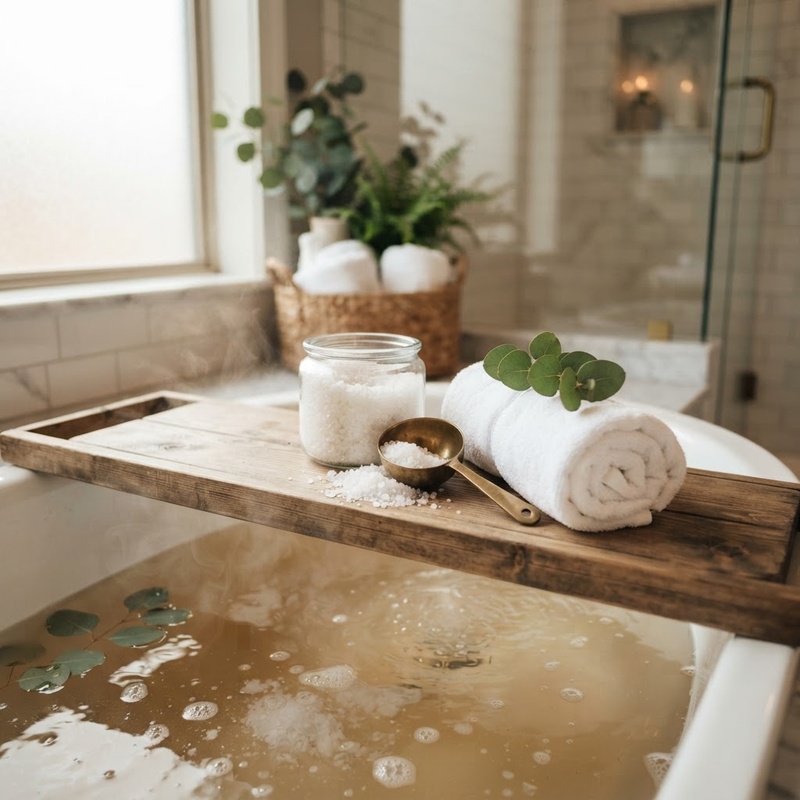
For decades, soaking in a warm bath dissolved with Epsom salts has been a cherished post-workout ritual. Athletes, weekend runners, and individuals dealing with daily physical strain often turn to this classic home remedy with the expectation that it will soothe aching muscles and accelerate recovery. The calming ambiance of warm water, paired with the comforting routine of mineral bathing, creates an undeniable sense of relief after strenuous physical effort.
For decades, soaking in a warm bath dissolved with Epsom salts has been a cherished post-workout ritual. Athletes, weekend runners, and individuals dealing with daily physical strain often turn to this classic home remedy with the expectation that it will soothe aching muscles and accelerate recovery. The calming ambiance of warm water, paired with the comforting routine of mineral bathing, creates an undeniable sense of relief after strenuous physical effort.
However, as modern wellness culture increasingly aligns with evidence-based health science, researchers and clinical practitioners have begun to scrutinize the physiological mechanisms behind this popular tradition. Is magnesium sulfate actually absorbed through intact human skin in quantities sufficient to alter muscle tissue repair? Or is the soothing relief people experience primarily driven by thermal hydrotherapy, systemic stress reduction, and parasympathetic nervous system relaxation? Exploring the science behind Epsom salt baths allows us to separate longstanding habit from established physiology, helping you make informed decisions about your personal recovery routine.
Understanding Epsom Salt: Chemical Composition and History
Epsom salt derives its common name from the natural saline spring located in Epsom, Surrey, England, where the compound was first distilled in the seventeenth century. Chemically known as magnesium sulfate heptahydrate (MgSO4·7H2O), Epsom salt is fundamentally distinct from culinary table salt, which consists of sodium chloride. Instead, Epsom salt is a naturally occurring mineral compound composed of magnesium, sulfur, and oxygen bound together with water molecules in a crystalline matrix.
Magnesium itself plays an indispensable role in human physiology and muscular cellular biology. As the fourth most abundant mineral in the human body, it serves as an essential enzymatic cofactor in more than three hundred metabolic reactions. Among its primary biological functions, magnesium contributes to:
- Cellular energy production through the synthesis, stabilization, and enzymatic utilization of adenosine triphosphate (ATP).
- Regulation of muscle contraction and neuromuscular signal transmission by modulating intracellular calcium flux.
- Protein synthesis and cellular tissue remodeling required for structural repair following physical exertion.
- Maintenance of vascular tone, endothelial function, and cardiovascular homeostasis.
- Regulation of central neurotransmitters that influence mood, stress vulnerability, and sleep architecture.
Because systemic magnesium deficiency can manifest as persistent muscle cramps, involuntary fasciculations, generalized fatigue, and elevated neuromuscular excitability, it is logical that individuals naturally associate magnesium supplementation with enhanced muscle recovery. However, the critical distinction lies in how magnesium enters the human body and whether dissolved bath minerals provide genuine systemic mineral availability.
Magnesium Sulfate vs. Dietary Magnesium
When magnesium is ingested orally through nutrient-dense foods—such as leafy green vegetables, pumpkin seeds, almonds, legumes, and whole grains—or via dietary oral supplements, it undergoes active enterocyte transport and passive diffusion within the small intestine. Once absorbed into the portal circulation, it enters systemic circulation to maintain tightly regulated blood magnesium levels. By contrast, a warm bath involves external immersion, placing dissolved inorganic ions against the outer cutaneous envelope rather than the gastrointestinal tract. Evaluating whether these ions penetrate human skin requires examining the barrier physiology of the skin.
The Transdermal Absorption Debate: Does Magnesium Cross the Skin Barrier?
The core hypothesis supporting Epsom salt baths for direct muscle repair is the concept of transdermal absorption—the theory that magnesium ions dissolved in warm bath water can penetrate the outer epidermal layers, enter cutaneous microcapillaries, and increase mineral concentrations within underlying skeletal muscle tissue.
Human skin is an extraordinarily effective biological barrier. Its outermost layer, the stratum corneum, consists of tightly packed, keratin-rich corneocytes surrounded by a dense, continuous lipid matrix of ceramides, cholesterol, and free fatty acids. This structure is evolutionary designed to prevent transepidermal water loss and defend internal tissues against environmental chemicals, toxins, and external pathogens. Because the stratum corneum is naturally hydrophobic, it strictly limits the passive permeability of hydrophilic compounds and charged inorganic ions such as magnesium (Mg2+) and sulfate (SO42-).
What Current Research Indicates
Scientific investigations into transdermal magnesium absorption reveal significant physiological limitations. While preliminary pilot observations and anecdotal reports have suggested potential mineral uptake, rigorous dermatological and pharmacokinetic trials highlight major anatomical realities:
- High Hydration Shell and Ionic Charge: Dissolved magnesium ions surround themselves with water molecules, creating a bulky hydration shell. Coupled with their positive electrical charge, these ions cannot easily diffuse through the non-polar, lipid-rich matrix of intact skin.
- Appendageal Permeability Limitations: Hair follicles, sebaceous glands, and sweat ducts offer tiny microscopic pathways through which negligible amounts of ions might theoretically bypass the stratum corneum. However, these appendages account for less than 0.1% of the total surface area of human skin.
- Absence of Serum and Muscle Changes: Well-controlled clinical studies evaluating blood serum, urinary output, and tissue biopsy concentrations demonstrate that typical bathing durations do not produce statistically significant or clinically meaningful changes in systemic magnesium status.
Consequently, current evidence indicates that relying on Epsom salt baths as a therapeutic method to fix systemic magnesium deficiency or deliver mineral nutrients deep into skeletal muscle tissue lacks scientific validation. Individual experiences vary, but the mineral content itself plays a minimal role in direct tissue absorption compared to popular perception.
The True Mechanism: Hydrotherapy and Warm-Water Immersion
If transdermal magnesium uptake is minimal, why do so many people experience profound relief from muscle stiffness and physical fatigue after taking an Epsom salt bath? The answer lies in the well-established, multi-systemic physiological mechanisms of warm-water hydrotherapy.
Hydrotherapy has been utilized across clinical and traditional medicine for centuries to support circulatory function, alleviate joint pain, and facilitate neuromuscular relaxation. When you submerge your body in warm water—typically maintained between 98°F and 102°F (36.5°C to 38.9°C)—several powerful physiological responses are triggered concurrently:
Vasodilation and Microcirculatory Perfusion
Thermal stimulation activates cutaneous thermoreceptors, initiating a reflex pathway that induces peripheral vasodilation—the widening of microvascular blood vessels. Vasodilation significantly increases localized blood flow to skeletal muscles. This enhanced microcirculatory perfusion delivers essential oxygen, glucose, and systemic nutrients to tired muscle fibers while accelerating the clearance of cellular metabolic byproducts accumulated during intense exercise.
Buoyancy and Mechanical Joint Unloading
Water immersion exerts buoyancy according to Archimedes' principle, effectively reducing net gravitational loading on the musculoskeletal system by up to 90%. Experiencing near-weightlessness provides immediate relief to weight-bearing joints, spinal intervertebral discs, and overworked postural muscles. This sudden reduction in mechanical tension allows hypertonic muscle groups to relax deeply.
Hydrostatic Compression and Lymphatic Support
The fluid pressure exerted by surrounding water creates a uniform hydrostatic compression on peripheral limbs. This compressive force encourages venous return toward the heart and supports lymphatic fluid movement, assisting in the temporary reduction of localized tissue fluid accumulation and reducing sensations of heavy, fatigued legs after prolonged physical activity.
The Neurobiology of Relaxation: Mind-Body Recovery
Muscular recovery is intimately connected to autonomic nervous system modulation. Intense athletic exertion, occupational stress, and mental overstimulation activate the sympathetic nervous system—the branch governing the fight-or-flight response. Prolonged sympathetic activation elevates resting muscle tone, alters inflammatory signaling pathways, and compromises sleep architecture.
Immersing oneself in a warm bath provides a powerful physiological signal that shifts the body away from sympathetic dominance and toward parasympathetic activation—the rest-and-digest state essential for tissue regeneration, muscular repair, and immune homeostasis.
Thermally Induced Sleep Optimization
Consistently securing restorative, deep sleep is arguably the single most critical factor in physical muscle recovery. During deep slow-wave sleep, human growth hormone (HGH) release surges, facilitating cellular repair and protein synthesis. Warm-water bathing directly influences sleep hygiene through circadian thermal regulation:
- During a warm bath, core body temperature rises slightly while peripheral cutaneous blood vessels dilate to radiate heat.
- Upon exiting the warm water, rapid evaporative cooling on the skin induces a rapid, controlled drop in core body temperature.
- This internal thermal decrease signals the brain's suprachiasmatic nucleus that the body is preparing for sleep, promoting faster sleep onset and deeper sleep stages.
Psychological Down-Regulation and Mindful Rituals
The intentional act of stepping away from digital screens, dimming environmental lighting, and preparing a warm bath creates a dedicated boundary for rest. This psychological down-regulation lowers circulating cortisol and catecholamine levels, reducing systemic tension and allowing both brain and body to enter a state conducive to restorative healing.
Optimizing Your Post-Exercise Recovery Strategy
While an Epsom salt bath should not be viewed as a direct mineral delivery system, it remains a safe, highly accessible, and therapeutic component of a comprehensive post-workout recovery routine. To maximize the comfort and physiological benefits of your soak, consider incorporating these evidence-aligned guidelines:
- Water Temperature Regulation: Maintain water temperatures between 98°F and 102°F. Excessively hot baths can induce orthostatic hypotension, overstimulate the cardiovascular system, and deplete skin moisture.
- Mindful Duration: Limit your soak to 15 to 20 minutes. This duration provides full circulatory and neurobiological benefits without risking excessive skin maceration or mild dehydration.
- Proactive Hydration: Drink a glass of mineral-rich water or electrolyte solution before and after your bath to replace fluid lost through sensible and insensible perspiration.
- Post-Soak Skin Care: Rinse with clean, lukewarm water after bathing to remove mineral residue, and apply a soothing moisturizer to maintain the skin barrier.
Combining Practices for Comprehensive Physical Longevity
Warm-water immersion works best when integrated into a multifaceted approach to muscular health and recovery. Sustainable recovery and physical longevity rely on foundational lifestyle practices:
- Active Recovery Protocols: Engaging in low-intensity movement such as light walking, swimming, or dynamic mobility work to promote joint lubrication and tissue mobility.
- Nutritional Support: Consuming adequate high-quality dietary protein and antioxidant-rich whole foods to supply essential amino acids for tissue remodeling.
- Consistent Fluid Balance: Maintaining daily hydration to optimize cellular volume and nutrient transport mechanisms.
- Sleep Architecture Preservation: Target 7 to 9 hours of quality sleep per night to maximize endogenous recovery processes.
Partnering with EOS Health for Personalized Recovery Support
Restorative home rituals like warm baths offer comforting, non-pharmacological support for daily muscle tension, stress relief, and post-exercise relaxation. However, chronic muscular tightness, persistent joint discomfort, unexplained athletic plateau, or persistent fatigue often reflect underlying physiological factors that benefit from comprehensive clinical evaluation.
At EOS Health, our clinical team is committed to helping you optimize physical performance, support healthy aging, and achieve long-term vitality. Through personalized assessments and modern evidence-based therapeutic care, we partner with you to develop targeted recovery strategies tailored to your unique biological profile and active lifestyle.
To discover how personalized clinical care and advanced wellness strategies can enhance your physical recovery, explore our Repair & Recovery Programs at EOS Health and connect with a licensed clinician today.
Magnesium Sulfate
An inorganic mineral compound composed of magnesium, sulfur, and oxygen, commonly referred to as Epsom salt and utilized in therapeutic baths.
Transdermal Absorption
The movement of active substances or minerals through the outer skin layers into underlying blood vessels and systemic circulation.
Hydrotherapy
The therapeutic application of water at varying temperatures and pressures to support physical relaxation, circulation, and tissue recovery.
Stratum Corneum
The outermost layer of the human epidermis, functioning as a hydrophobic barrier that regulates moisture retention and protects against external agents.
Vasodilation
The expanding or widening of blood vessels, which decreases vascular resistance and increases blood flow to target muscles and tissues.
Sources
faq
Common questions, answered.
What is the primary difference between Epsom salt and regular salt?
Epsom salt is composed of magnesium sulfate heptahydrate, whereas standard table salt consists of sodium chloride. While both appear as crystalline structures, Epsom salt is used externally in baths and hydrotherapy rather than as a culinary seasoning.
Can Epsom salt baths treat a diagnosed magnesium deficiency?
Current medical research indicates that transdermal absorption of magnesium during a bath is minimal and unproven for correcting clinical deficiencies. Systemic magnesium levels are best evaluated and addressed through dietary choices or oral supplementation under clinician guidance.
How long should an Epsom salt bath last for optimal relaxation?
A duration of 15 to 20 minutes in comfortably warm water is typically recommended. This allows sufficient time to experience vascular relaxation and stress reduction without causing skin dryness or mild dehydration.
Are there any safety precautions to keep in mind before taking hot baths?
Individuals with cardiovascular conditions, low blood pressure, open skin wounds, or severe skin conditions should consult a healthcare provider before engaging in hot-water immersion. It is also important to maintain adequate hydration before and after soaking.
Is warm water immersion better than an ice bath for muscle recovery?
Warm-water immersion promotes vasodilation, blood flow, and muscle relaxation, making it ideal for soothing tension and supporting restorative sleep. Cold-water immersion or ice baths induce vasoconstriction and are primarily used to temporarily reduce localized swelling after acute, high-intensity exertion.
Can soaking in Epsom salt help improve sleep quality?
Yes, through indirect mechanisms. The post-bath drop in core body temperature signals circadian sleep pathways, while parasympathetic relaxation helps quiet the nervous system, encouraging more restful sleep.
How often can someone safely take a warm Epsom salt bath?
For most healthy adults, taking a warm bath two to three times per week is safe and effective as part of a general relaxation and recovery routine, provided skin hydration is maintained.
When should I consult a clinician regarding muscle soreness or fatigue?
If you experience persistent muscle pain, joint swelling, prolonged fatigue, or symptoms that do not improve with routine rest and self-care, it is recommended to seek evaluation from a licensed medical professional.
Invest in the years ahead.™
Start free consultationwhat are you waiting for?
You're one click away from a new you.
Fill out our brief form and a licensed physician will evaluate which treatment plan is best for you.