Evening Meal Timing: Minimizing Reflux and Fullness on GLP-1
Learn how optimizing evening meal timing can minimize reflux and stomach fullness on GLP-1 medications. Explore simple timing tips and meal choice guidance.
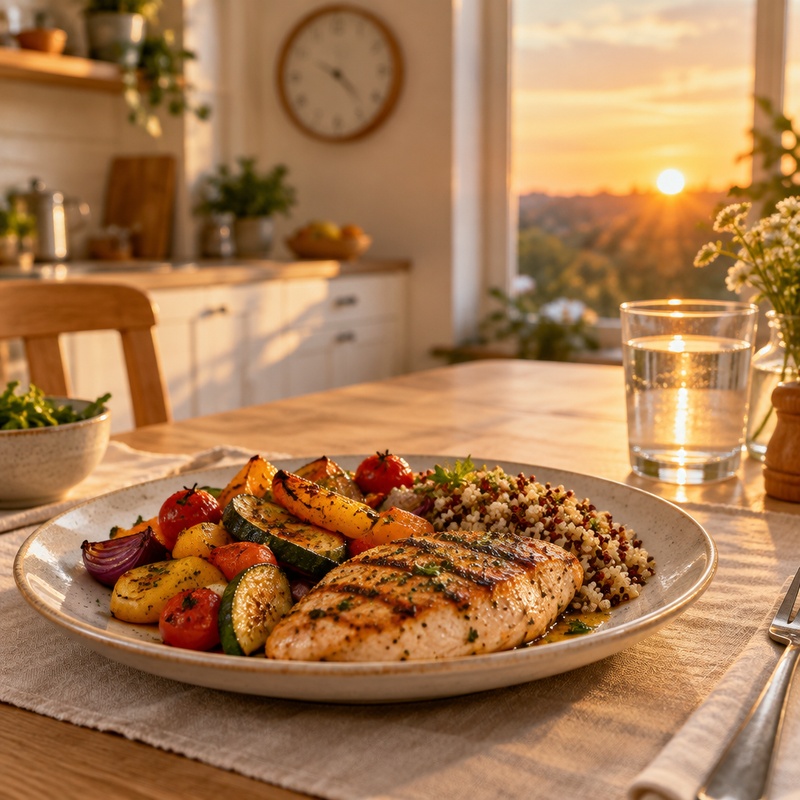
Embarking on a GLP-1 medication journey often brings transformative shifts in appetite, satiety, and digestive rhythm. GLP-1 receptor agonists, such as semaglutide and tirzepatide, work in part by slowing the rate at which food leaves the stomach. While this mechanism is key to fostering prolonged satiety, it can also alter how the digestive tract responds to late dinners. Many individuals notice that eating too close to bedtime leads to uncomfortable sensations of lingering fullness, nighttime pressure, or occasional acid reflux during sleep.
Embarking on a GLP-1 medication journey often brings transformative shifts in appetite, satiety, and digestive rhythm. GLP-1 receptor agonists, such as semaglutide and tirzepatide, work in part by slowing the rate at which food leaves the stomach. While this mechanism is key to fostering prolonged satiety, it can also alter how the digestive tract responds to late dinners. Many individuals notice that eating too close to bedtime leads to uncomfortable sensations of lingering fullness, nighttime pressure, or occasional acid reflux during sleep.
Understanding the interplay between GLP-1 therapy and evening digestion empowers individuals to make thoughtful adjustments that support nighttime comfort. Modifying meal timing, shifting caloric distribution toward earlier hours, and selecting easily digestible evening foods are practical, evidence-informed strategies. Research suggests that aligning eating schedules with natural gastric motility can enhance overall sleep quality and daily comfort. This guide explores the principles behind GLP-1 digestive changes, practical guidelines for meal timing, and gentle dietary adjustments designed to minimize nighttime reflux and digestive heaviness.
Understanding Delayed Gastric Emptying and Nighttime Digestion
To navigate nighttime digestive comfort, it is helpful to explore how GLP-1 receptor agonists influence the gastrointestinal tract. Under typical physiological conditions, the stomach processes meals through muscular contractions, releasing digested food into the small intestine over two to three hours. GLP-1 medications slow this process down—a mechanism referred to as delayed gastric emptying. Consequently, food remains in the stomach for a significantly longer duration after eating.
When a substantial or high-fat meal is consumed late in the evening, gastric volume remains elevated for several hours. During daytime activities, an upright posture helps keep stomach contents settled. However, when transitioning to a reclining position for sleep, gravity no longer assists digestive retention. The sustained pressure of a full stomach against the lower esophageal sphincter (LES)—the muscular ring separating the stomach from the esophagus—can allow gastric acid or partially digested food to travel upward, triggering heartburn, regurgitation, or nocturnal discomfort.
The Mechanism of Gastric Motility Changes
GLP-1 receptor agonists act on specific receptors throughout the central nervous system and enteric nervous system. By mimicking natural incretin hormones, these medications reduce gastric motility, allowing nutrients to be absorbed gradually and promoting consistent blood sugar stability. Clinical observations indicate that the deceleration of stomach emptying is most pronounced during initiation and titration phases of GLP-1 therapy, though a baseline slowing typically persists throughout treatment.
Because stomach emptying rates are reduced, the volume and composition of evening meals play a central role in determining comfort during sleep. A meal that previously processed quickly may now linger in the stomach for four to six hours. Recognizing this mechanical shift enables individuals to adjust their dining habits proactively rather than enduring sleep disruptions.
Why Lying Down Exacerbates Reflux Symptoms
Position plays a critical role in gastrointestinal mechanics. When standing or sitting upright, gravity keeps stomach contents anchored. When lying flat, the stomach and esophagus sit along the same horizontal plane. If the stomach remains distended with food, intra-gastric pressure rises and places mechanical strain on the lower esophageal sphincter.
If the sphincter relaxes momentarily, stomach fluids can leak upward into the esophagus. This dynamic explains why individuals taking GLP-1 medications may feel fine while sitting upright after dinner, only to experience discomfort hours later after lying down. Aligning bedtime with completed gastric emptying is therefore a cornerstone of digestive wellness on GLP-1 therapy.
The Strategy of Front-Loading: Shifting Your Largest Meal to Midday
One of the most effective dietary adjustments for managing GLP-1 related fullness is shifting the main meal of the day from evening to midday. While cultural habits often emphasize a large dinner, consuming the majority of daily energy requirements earlier in the day aligns far better with delayed gastric transit times.
Front-loading nutrition involves eating a nutrient-dense lunch featuring lean proteins, complex carbohydrates, and essential micronutrients when physical activity levels are highest. Daytime movement facilitates stomach churning and digestive transit. By evening, the stomach has cleared the main meal, leaving room for a light evening repast.
Designing a Substantial Midday Meal
A satisfying midday meal provides sustained stamina throughout the afternoon and helps reduce late-day hunger that might lead to overeating at dinner. A well-balanced lunch might include grilled chicken breast, baked salmon, or tofu paired with quinoa, sweet potatoes, and steamed green vegetables. Incorporating moderate dietary fiber and healthy fats during lunch supports nutrient absorption and stable energy.
Clinical observations suggest that individuals who eat a robust lunch find it natural to consume a smaller dinner. Because GLP-1 therapy enhances baseline satiety signals, individuals rarely feel deprived when eating a modest evening meal, provided their daytime nutritional needs have been met.
Managing Afternoon Hunger and Satiety
Transitioning to an earlier main meal requires simple schedule planning. Some individuals express concern that eating a lighter dinner might result in late-night hunger. In practice, the appetite-suppressing properties of GLP-1 medications buffer against late-night cravings. If mild hunger arises in the late afternoon, a light snack—such as Greek yogurt or a hard-boiled egg—can bridge the gap to a light dinner without adding excess volume before bed.
Keeping a daily food and comfort journal during the first few weeks helps identify the ideal time window for meals. Paying attention to personal hunger cues helps refine portion sizes so energy levels stay consistent without burdening evening digestion.
Crafting Light, Lean, and Digestible Evening Meals
The composition of the evening meal is just as crucial as its timing. Certain macronutrients require significantly more time to break down in the stomach. Dietary fats, for example, naturally slow gastric emptying further by stimulating cholecystokinin (CCK) release. When combined with GLP-1 medication, high-fat evening meals can create a pronounced, prolonged fullness effect that lasts into the night.
Emphasizing light, lean, and digestible choices for dinner helps minimize gastric retention times. Lean proteins, cooked non-starchy vegetables, and easy-to-digest starches allow the stomach to process food efficiently before sleep.
Optimal Evening Food Choices
When planning evening menus while taking GLP-1 medications, focusing on simple preparations and soft textures promotes ease of digestion. Examples include:
- Lean Proteins: Poached white fish, skinless poultry, steamed tofu, or scrambled eggs provide essential amino acids without high levels of saturated fat that slow stomach emptying.
- Cooked Vegetables: Well-cooked zucchini, carrots, spinach, or green beans are far gentler on the digestive tract than raw salads or crunchy cruciferous vegetables.
- Gentle Starches: Small portions of white rice, well-cooked potato without skin, or smooth oatmeal clear the stomach more rapidly than heavy whole grains late at night.
- Hydrating Broths: Clear vegetable or bone broths integrated into soups provide hydration and nutrients in a liquid form that passes easily through the stomach.
Common Evening Triggers to Limit
To reduce the probability of nighttime reflux and excessive fullness, several common dietary triggers are best minimized during evening hours:
- High-Fat and Fried Foods: Creamy sauces, fried proteins, and heavy cheeses slow gastric emptying and relax the lower esophageal sphincter.
- Spicy and Acidic Ingredients: Hot peppers, tomato sauces, and citrus fruits can irritate the esophageal lining and stimulate acid production.
- Carbonated Beverages: Carbonated drinks introduce gas into the stomach, increasing intra-gastric pressure before bed.
- Alcohol and Caffeine: Evening coffee, tea, or alcohol can relax the esophageal sphincter and disrupt sleep quality.
- Large Portion Volumes: Even healthy foods cause discomfort if consumed in excessive quantities late in the day.
Actionable Timing Guidelines for Nighttime Comfort and Sleep Quality
Establishing clear time buffers between eating and sleeping is a practical self-care step. Healthcare professionals frequently recommend a structured timing framework that accounts for extended stomach transit times.
While standard advice suggests waiting two hours after eating before lying down, individuals taking GLP-1 receptor agonists often benefit from extending this window to three or four hours. This additional time allows the stomach to clear the majority of its contents, reducing nighttime reflux and supporting restful sleep.
The 3-to-4-Hour Pre-Bedtime Buffer
Implementing the 3-to-4-hour buffer involves backward planning based on your typical bedtime. For instance, if you usually go to bed at 10:00 PM, concluding your evening meal by 6:00 PM or 6:30 PM gives your digestive system ample time to process the meal. Maintaining an upright posture during this window uses gravity to support normal downward digestive movement.
If work or family schedules make an early dinner challenging, splitting intake into a small late-afternoon meal and a light liquid or semi-liquid evening option (such as a broth-based soup) provides adequate nutrition without overloading the stomach late at night.
Post-Dinner Activity and Hydration Habits
Habits immediately following dinner also influence digestive ease. Engaging in 15 to 20 minutes of light activity after eating—such as a gentle walk, washing dishes, or light household tasks—encourages gastric motility and supports post-meal blood sugar levels.
Hydration timing is equally vital. While staying hydrated throughout the day is essential during GLP-1 therapy, drinking large volumes of liquid during or immediately after dinner fills the stomach with excess volume. Sipping small amounts of water during dinner and completing primary fluid intake earlier in the day helps maintain comfortable stomach pressure.
Navigating Social Dinners, Schedules, and Personal Adjustments
Real-life routines do not always align with ideal digestive schedules. Social gatherings, late work shifts, and travel frequently involve dining later in the evening. Approaching these situations with flexible, practical strategies helps reduce the chance of digestive discomfort.
When attending late evening events, focusing on portion size and food selection offers effective protection. Opting for appetizer-sized portions, grilled or poached options, and declining heavy desserts or rich cocktails allows participation while keeping gastric volume low.
Strategies for Social and Late-Shift Eating
For individuals working evening shifts, digestive schedules must be adapted to individual sleep patterns. The foundational principle remains identical: position your largest meal earlier in your active waking hours, keep the meal preceding sleep light and low in fat, and maintain a 3-to-4-hour buffer before lying down.
When late dining is unavoidable, choosing gentle options like a light broth soup or soft scrambled eggs minimizes gastric strain. Elevating the head of your bed by 4 to 6 inches using a wedge pillow can also provide mechanical protection against acid reflux during sleep.
Listening to Your Body and Clinical Guidance
Every individual exhibits unique sensitivity and adaptation rates when taking GLP-1 medications. Factors such as dosage level, medication type, individual anatomy, and baseline digestive health shape the response. Keeping track of personal patterns helps identify which meal timing windows and food choices work best for your body.
If persistent acid reflux, severe nausea, or abdominal pain occurs despite timing and dietary adjustments, it is crucial to consult your prescribing healthcare clinician. Licensed healthcare providers can evaluate your symptoms, offer personalized medical guidance, and adjust medication dosage schedules if necessary to support your comfort and health goals.
Partnering with Your Care Team for Optimal Comfort
Optimizing evening meal timing is a practical approach to managing common GLP-1 side effects like reflux and nighttime fullness. By understanding how delayed gastric emptying affects digestion, shifting larger meals to midday, selecting light dinner options, and honoring a 3-to-4-hour bedtime buffer, you can support both your weight management journey and your sleep quality.
Because healthcare decisions should always be tailored to your unique clinical history, working alongside experienced clinical professionals ensures that your treatment plan is safe, comfortable, and sustainable. For comprehensive guidance on managing GLP-1 therapy, personalized nutrition strategies, and individualized clinical support, explore EOS Health Weight Loss Support today.
Glossary
Delayed Gastric Emptying
A physiological deceleration in the rate at which food leaves the stomach and enters the small intestine, a primary pharmacological effect of GLP-1 receptor agonist medications.
Lower Esophageal Sphincter (LES)
A ring of muscular tissue at the junction between the esophagus and stomach that opens to allow food to enter the stomach and closes to prevent stomach acid from flowing backward.
GLP-1 Receptor Agonist
A class of medications that mimic natural incretin hormones, regulating blood sugar levels, slowing gastric emptying, and promoting feelings of satiety.
Gastroesophageal Reflux
A digestive condition occurring when digestive acid and stomach contents travel backward into the esophagus, causing burning sensations or heartburn.
Gastric Motility
The movement and muscular contractions of the gastrointestinal tract that mix food with digestive enzymes and propel it through the stomach and intestines.
Sources
faq
Common questions, answered.
Why does GLP-1 medication increase the risk of evening acid reflux?
GLP-1 receptor agonists slow gastric emptying, meaning food stays in the stomach longer. When you lie down with food remaining in the stomach, gravity no longer helps keep stomach contents settled, increasing pressure on the lower esophageal sphincter and allowing acid to move upward.
How many hours before sleep should I stop eating on a GLP-1 agonist?
While general guidelines suggest waiting two hours after eating before sleeping, individuals on GLP-1 medications typically benefit from a 3-to-4-hour buffer between their last meal and bedtime to allow for delayed stomach emptying.
What should I do if my work schedule forces me to eat dinner late?
If a late dinner is unavoidable, keep portion sizes small and choose light, easily digestible foods such as poached protein and soft cooked vegetables. Avoid high-fat or spicy foods, and consider elevating the head of your bed with a wedge pillow.
Can drinking water with late evening meals make reflux worse?
Gulping large quantities of liquid during or right after dinner increases total gastric volume, raising intra-gastric pressure. Sip small amounts of water during dinner and complete primary hydration earlier in the day.
Which foods are easiest to digest for an evening meal while taking GLP-1s?
Lean, soft proteins such as white fish, turkey, tofu, and scrambled eggs, paired with well-cooked vegetables and light starches like white rice, are gentle on digestion and clear the stomach more quickly than heavy or high-fat meals.
Is lying down after dinner always a trigger for nighttime fullness?
Lying down flattens the torso angle and removes the assistance of gravity. If food remains in the stomach due to GLP-1 delayed emptying, lying down increases the likelihood of feeling uncomfortably full or experiencing heartburn.
When should I talk to my healthcare clinician about evening reflux symptoms?
Contact your licensed healthcare provider if acid reflux is frequent, severe, wakes you up, or causes persistent difficulty swallowing or nausea. Your care team can review symptoms, recommend management strategies, or adjust medication schedules.
Does sleeping on an incline help with GLP-1 related nighttime reflux?
Yes, elevating your head and torso by 4 to 6 inches using a mattress wedge or bed risers uses gravity to help keep stomach contents in the stomach during sleep.
Ready to feel like yourself again.™
Start free consultationwhat are you waiting for?
You're one click away from a new you.
Fill out our brief form and a licensed physician will evaluate which treatment plan is best for you.