Everyday Protein Foods Beyond Shakes on GLP-1
Discover everyday protein foods beyond shakes on GLP-1 medication. Learn how whole foods like eggs, yogurt, and lean poultry support your health journey.
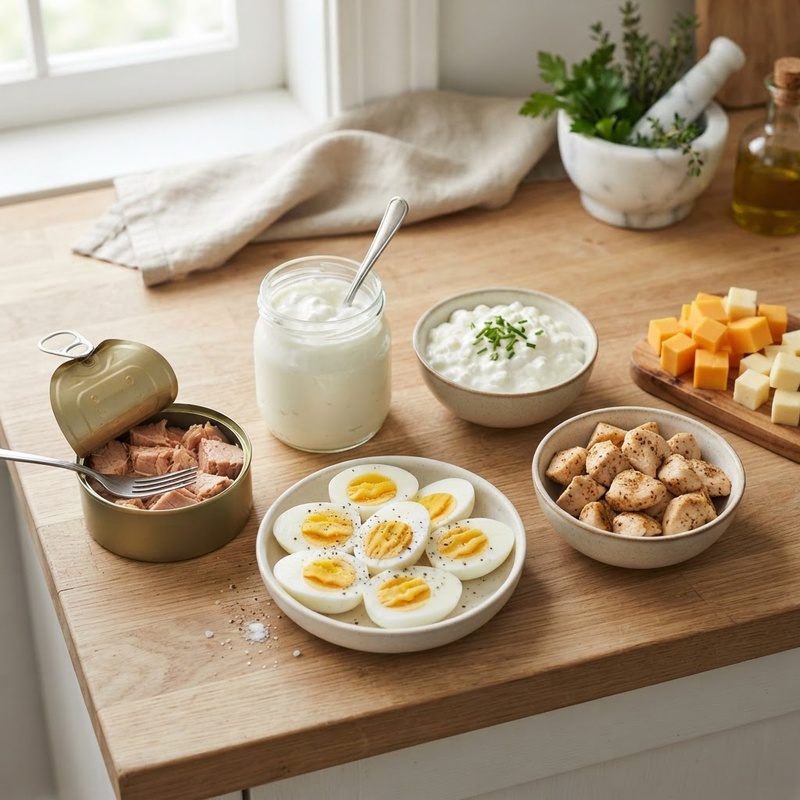
Starting a GLP-1 receptor agonist medication—such as semaglutide or tirzepatide—often introduces a profound shift in how the body handles hunger, satiety, and daily food intake. As appetite naturally decreases and gastric emptying slows down, many individuals find that consuming traditional meal portions becomes challenging or physically unappealing. In the search for convenient ways to meet daily protein targets, commercial protein shakes and ready-to-drink beverages frequently become the default choice. While these shakes offer convenience during busy schedules, relying exclusively on liquid supplements can lead to taste fatigue, digestive monotony, and missed opportunities to enjoy real, nutrient-dense whole foods.
Starting a GLP-1 receptor agonist medication—such as semaglutide or tirzepatide—often introduces a profound shift in how the body handles hunger, satiety, and daily food intake. As appetite naturally decreases and gastric emptying slows down, many individuals find that consuming traditional meal portions becomes challenging or physically unappealing. In the search for convenient ways to meet daily protein targets, commercial protein shakes and ready-to-drink beverages frequently become the default choice. While these shakes offer convenience during busy schedules, relying exclusively on liquid supplements can lead to taste fatigue, digestive monotony, and missed opportunities to enjoy real, nutrient-dense whole foods.
Prioritizing solid, whole-food protein sources plays an essential role in long-term wellness and dietary satisfaction while on GLP-1 therapy. Whole foods provide complex natural matrices of essential vitamins, minerals, healthy lipids, and dietary fiber that commercial shakes may lack or only supply through synthetic fortification. Furthermore, chewing and digesting solid foods supports metabolic signaling and natural satiety pathways. Moving beyond liquid supplements allows individuals to establish sustainable eating patterns that nourish the body throughout a health transformation and support long-term metabolic health.
In this comprehensive guide, we explore accessible, everyday protein foods that fit comfortably into a reduced appetite. From versatile kitchen staples like eggs and cottage cheese to convenient pantry options like canned fish and tender poultry, you can discover how small-portion, whole-food protein meals can support lean muscle preservation, metabolic vitality, and daily energy without overwhelming your digestive system.
Why Whole-Food Protein Matters on a GLP-1 Journey
When daily caloric intake decreases during GLP-1 therapy, maintaining adequate protein consumption becomes a central pillar of clinical nutrition. Essential amino acids serve as structural building blocks for muscle tissue, enzymatic functions, immune health, and cellular repair. When total caloric intake drops without adequate protein, the body may break down muscle tissue for energy, which can slow down resting metabolic rate. Research indicates that pairing GLP-1 therapy with high-quality protein helps preserve lean muscle mass, supporting healthier body composition over time.
The Advantages of Solid Food over Liquid Shakes
While protein shakes are convenient, solid whole foods offer unique physiological and psychological benefits that support long-term nutrition goals:
- Enhanced Gastric Satiety: Solid foods require mechanical breakdown during mastication and remain in the stomach slightly longer than liquids. This gradual gastric transit helps maintain steady satiety signals throughout the morning or afternoon.
- Micronutrient Density: Whole protein foods come packaged with bioavailable nutrients such as iron, zinc, vitamin B12, choline, and calcium, which are often better absorbed in their natural food matrices than in synthetic supplements.
- Sustained Energy Dynamics: Whole foods typically digest more gradually than liquid formulas, helping to prevent rapid glycemic swings and offering steady physical energy throughout the day.
- Dietary Variety and Mindful Eating: Engaging with a variety of textures, flavors, and aromas promotes a healthier relationship with food, preventing the sensory fatigue associated with drinking sweet protein shakes daily.
While ready-to-drink shakes can certainly remain a helpful backup option for busy days or low-appetite moments, grounding daily nutrition in real, whole foods creates a durable foundation for long-term health.
Eggs and Cultured Dairy: Soft, Digestible Protein Options
Soft-textured protein sources are particularly well-suited for individuals managing a small appetite or mild stomach sensitivity on GLP-1 medications. Eggs and cultured dairy offer concentrated nutrition that is exceptionally easy to chew, digest, and incorporate into small daily meals.
Eggs: The Versatile Protein Gold Standard
A single large egg provides approximately 6 grams of complete, high-quality protein containing all nine essential amino acids, alongside vital nutrients like choline for liver and brain function, vitamin D, and antioxidant carotenoids like lutein. Because eggs are naturally soft, they place minimal strain on the gastrointestinal tract during early stages of treatment.
- Soft-Scrambled Eggs with Herbs: Gently scramble one or two eggs over low heat with olive oil or butter. Adding fresh herbs like chives, dill, or parsley enhances flavor without adding heavy bulk.
- Soft-Boiled or Poached Eggs: Poached or soft-boiled eggs offer a smooth, creamy texture that glides easily during swallowing, making them ideal when appetite is low.
- Egg Drop Broth: Whisking a beaten egg into warm bone broth creates a comforting, protein-enriched soup that hydrates while supplying easily absorbable amino acids.
- Mini Egg Muffins: Bake whisked eggs with finely diced spinach and a sprinkle of feta cheese in a muffin tin for quick, bite-sized portions that store easily in the refrigerator.
Cultured Dairy: Greek Yogurt and Cottage Cheese
Plain Greek yogurt and cottage cheese deliver high protein density with virtually no cooking required, making them outstanding choices for busy schedules:
- Greek Yogurt: Strained to remove liquid whey, Greek yogurt provides up to 15 to 20 grams of protein per 6-ounce serving, along with probiotic cultures that support gut bacterial balance. Enjoy it plain with fresh berries or stirred into savory dips.
- Cottage Cheese: A half-cup serving delivers roughly 12 to 14 grams of slow-digesting casein protein, which sustains amino acid delivery over several hours. Blending cottage cheese creates a smooth cream base suitable for sweet or savory toppings.
Incorporating small servings of Greek yogurt or blended cottage cheese as morning or mid-afternoon snacks helps bridge nutrition gaps without creating feelings of physical heaviness.
Pantry Staples: Canned Seafood and Plant Proteins
Keeping high-protein pantry staples available ensures that nutritious choices remain effortless, even when fresh grocery options run low or cooking time is limited.
Canned Seafood for Compact Nutrition
Canned seafood is one of the most efficient ways to obtain concentrated protein without eating large volumes of food. A single 3-ounce serving of canned wild salmon, light tuna, or sardines delivers 20 to 24 grams of protein along with essential omega-3 fatty acids (EPA and DHA) for cardiovascular and metabolic support.
- Salmon Mash with Avocado: Combine canned wild salmon with mashed ripe avocado and lemon juice for a rich, flavorful spread served on cucumber rounds or whole-grain crispbread.
- Flaked Tuna in Warm Broth: Add flaked light tuna to mild vegetable or chicken broth to increase protein content without introducing heavy fats that might slow stomach emptying.
- Sardines on Whole-Grain Toast: Sardines packed in water or olive oil supply concentrated protein, calcium, and vitamin D in a single quick, satisfying meal.
Legumes and Plant-Based Protein Choices
Lentils, edamame, and chickpeas provide plant-based protein along with dietary fiber and essential minerals. To avoid digestive fullness, introduce fiber-rich legumes gradually into your routine:
- Edamame: One cup of steamed shelled edamame provides about 17 grams of complete plant protein and mild dietary fiber.
- Lentil Soup: Well-cooked lentils soften thoroughly in soups, offering a comforting, easily digestible meal.
- Hummus with Vegetables: Pair smooth chickpea hummus with soft sliced cucumber or whole-wheat pita for a protein-rich snack.
Combining small portions of plant proteins with gentle preparation techniques allows plant-forward eaters to meet daily targets comfortably.
Lean Poultry: Preparation Strategies for Tender Meals
Poultry and lean meats are protein mainstays, but dry or tough cuts can be difficult to manage when appetite is reduced. Adapting culinary techniques can render meats exceptionally tender, moist, and easy to digest.
Optimizing Preparation for Digestibility
Selecting appropriate cooking methods makes a significant difference in how easily meat is tolerated:
- Moist-Heat Cooking: Braising, slow-cooking, pressure-cooking, and poaching retain moisture and break down tough muscle fibers far better than dry roasting or intense grilling.
- Shredding and Grinding: Shredded chicken breast and ground turkey or lean beef are significantly easier to chew and swallow than thick, dense cuts of meat.
- Acidic Marinating: Marinating poultry in yogurt, buttermilk, or citrus juice prior to cooking tenderizes muscle fibers for improved texture and taste.
Simple Meal Ideas
Try these gentle meat preparations when looking for a comforting, satisfying meal:
- Slow-Cooked Shredded Chicken: Simmer chicken breast in low-sodium broth until tender, then shred and serve over soft quinoa or pureed squash.
- Turkey Meatballs in Marinara: Bake soft ground turkey meatballs with herbs and simmer in a light tomato sauce for a classic, easy-to-digest dish.
- Sliced Turkey Wraps: Roll lean sliced turkey breast with avocado or soft cheese for a quick, high-protein bite.
Practical Blueprint: Structuring Small Meals Across the Day
When appetite is reduced, targeting 20 to 30 grams of protein across 3 to 4 small eating occasions throughout the day is far more manageable than attempting large traditional meals. Evenly distributing protein supports muscle synthesis, helps maintain stable blood sugar levels, and keeps physical energy consistent.
Sample Daily Whole-Food Protein Blueprint
Here is an example of how a balanced day of whole-food protein might look in practice:
- Morning (8:00 AM): Two soft-scrambled eggs with a sprinkle of feta cheese and fresh chives (~14g protein).
- Mid-Day (12:30 PM): Half-cup of plain Greek yogurt topped with raspberries and a dash of cinnamon (~15g protein).
- Afternoon Snack (3:30 PM): 3 ounces of canned wild salmon flaked on whole-grain crispbread (~20g protein).
- Evening (6:30 PM): Half-cup of slow-cooked shredded chicken served over warm butternut squash puree (~22g protein).
This structured approach allows individuals to achieve daily protein recommendations comfortably without experiencing uncomfortable stomach fullness or digestive distress.
Navigating GLP-1 Therapy with Personalized Clinical Care
Every individual’s experience with GLP-1 medications—such as semaglutide, tirzepatide, or liraglutide—is unique. While whole-food protein strategies offer foundational nutrition support, individual dietary needs vary based on medical history, baseline kidney function, metabolic goals, and personal preferences. It is always best to consult with a licensed healthcare clinician or registered dietitian to tailor your nutritional plan to your exact clinical profile.
It is important to remember that prescription GLP-1 medications should only be obtained following a thorough medical evaluation by a licensed healthcare provider. Additionally, compounded GLP-1 formulations are not approved by the U.S. Food and Drug Administration (FDA) and differ from FDA-approved brand-name therapies. Always work with qualified medical professionals to ensure safe, high-quality care throughout your weight loss journey.
Combining evidence-based whole-food nutrition with expert clinical support establishes a safe and sustainable pathway toward health and vitality. Learn more about how tailored medical care can support your journey by visiting our EOS Health Weight Loss Programs today.
Essential Amino Acids
Amino acids that the body cannot synthesize on its own and must obtain through dietary sources to support tissue repair and cellular function.
Casein Protein
A slow-digesting dairy protein found in cottage cheese and milk that releases amino acids gradually into the bloodstream over several hours.
Gastric Motility
The movement and contractions of the stomach and digestive tract that propel food through the gastrointestinal system.
Bioavailability
The proportion of a nutrient or compound that is absorbed and utilized by the body after digestion.
Satiety
The feeling of fullness and satisfaction following a meal that suppresses further hunger and eating behavior.
Sources
faq
Common questions, answered.
Why is protein so important when taking GLP-1 medications?
When caloric intake decreases on GLP-1 therapy, the body naturally draws on energy stores. Consuming adequate protein provides essential amino acids that help preserve lean muscle tissue, supporting overall body composition and resting metabolic rate during weight management.
How much protein should I aim for each day on a GLP-1 medication?
Daily protein requirements vary based on individual weight, activity level, age, and medical history. A general guideline often ranges between 1.2 to 1.6 grams of protein per kilogram of body weight, or roughly 60 to 100 grams daily for many adults. However, it is best to consult your healthcare clinician or registered dietitian to determine your specific target.
What should I do if solid protein foods cause mild nausea or fullness?
If solid foods feel too heavy, try opting for soft, high-moisture protein sources such as soft-scrambled eggs, plain Greek yogurt, cottage cheese, or flaked canned fish. Eating smaller amounts more frequently throughout the day rather than forcing a standard-sized meal can also reduce digestive discomfort.
Can I still drink protein shakes while taking GLP-1s?
Yes, commercial or homemade protein shakes can serve as convenient supplementary options when appetite is very low or time is limited. However, clinical nutritionists recommend using shakes as a supplement rather than replacing whole foods entirely, as whole foods provide broader spectrum micronutrients and digestive benefits.
Are plant-based proteins effective for meeting targets on a small appetite?
Plant-based proteins such as edamame, lentils, tofu, and legumes can be very effective. Because plant proteins contain dietary fiber, it is helpful to introduce them gradually to allow your digestive system to adapt comfortably alongside GLP-1 therapy.
How does chewing and solid food digestion benefit gut health?
Chewing initiates digestive enzyme production in saliva and signals the stomach to prepare for breakdown. Solid food transit encourages normal gut motility and nutrient absorption compared to liquid meals which pass through the stomach more rapidly.
Is cottage cheese or Greek yogurt a better choice for GLP-1 meal support?
Both options offer outstanding nutritional value. Greek yogurt provides probiotic cultures that support gut bacteria, while cottage cheese supplies slow-digesting casein protein for long-lasting amino acid release. Including both in your routine offers great variety.
How can I make cooked poultry easier to digest?
Using moist-heat cooking methods such as slow-cooking, pressure-cooking, or poaching helps keep meat tender and moist. Shredding or grinding cooked chicken or turkey also makes mastication and digestion much easier on a reduced appetite.
Ready to feel like yourself again.™
Start free consultationwhat are you waiting for?
You're one click away from a new you.
Fill out our brief form and a licensed physician will evaluate which treatment plan is best for you.