Finasteride vs. Minoxidil: Which Hair Loss Treatment Is Right for You?
Compare finasteride and minoxidil for male hair loss. Learn how each works, their differences, and how to decide which option may be right for you.
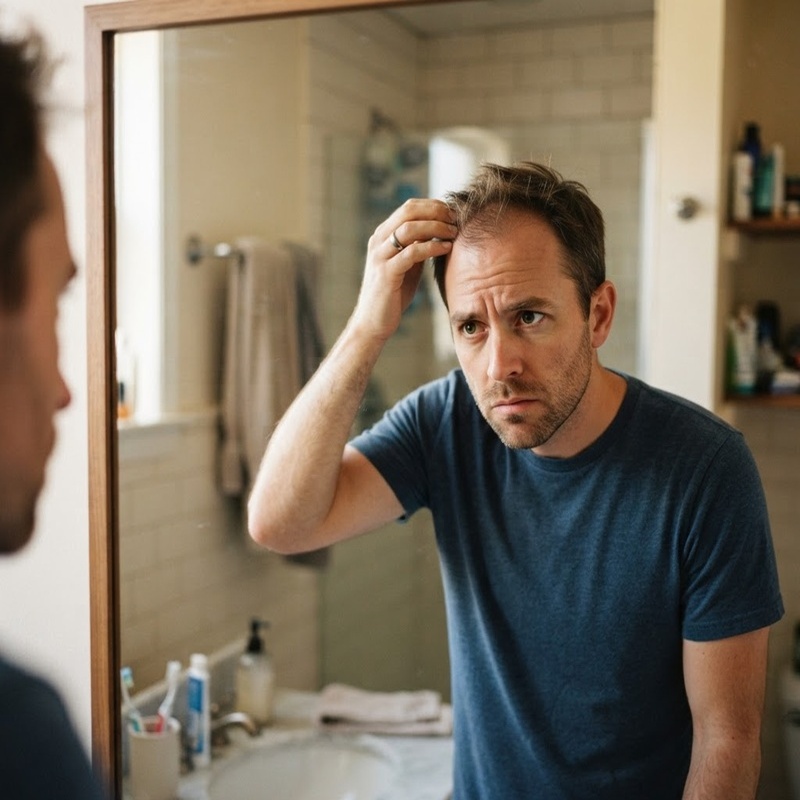
Hair thinning and receding hairlines are among the most common health concerns reported by men as they navigate adulthood.
Finasteride vs. Minoxidil: Which Hair Loss Treatment Is Right for You?
Hair thinning and receding hairlines are among the most common health concerns reported by men as they navigate adulthood. While experiencing changes in hair density is a natural part of aging for many, understanding the underlying biology and available management options can empower you to make informed decisions about your personal care. Among the various evidence-based options available today, two names frequently top the conversation: finasteride and minoxidil.
Although both finasteride and minoxidil are widely utilized to address hair loss, they work through entirely distinct physiological mechanisms, come in different formulations, and target different aspects of the hair growth cycle. Choosing between them—or determining whether a combined approach makes sense—depends on your individual health profile, hair pattern, lifestyle, and personal goals.
In this comprehensive guide, we will explore how hair thinning occurs, break down the scientific differences between finasteride and minoxidil, evaluate their clinical applications, and discuss how consulting with a licensed healthcare professional through telehealth can help you establish an individualized hair health plan.
Understanding Male Hair Thinning
To appreciate how finasteride and minoxidil work, it is helpful to first understand the biology of human hair growth. Hair does not grow continuously; instead, each hair follicle operates on a recurring three-phase cycle:
- Anagen Phase (Growth): The active growth phase, during which follicle cells divide rapidly, adding to the hair shaft. This phase typically lasts between two to six years.
- Catagen Phase (Transition): A brief transitional phase lasting about two to three weeks, where hair growth ceases and the outer root sheath shrinks.
- Telogen Phase (Resting): A resting phase lasting approximately three months, after which the old hair sheds and a new hair begins growing in the follicle, restarting the cycle.
In men predisposed to male pattern hair loss—medically known as androgenetic alopecia—the hair growth cycle undergoes a process called follicular miniaturization. Over successive cycles, the growth (anagen) phase becomes progressively shorter, while the resting (telogen) phase remains the same or lengthens. As a consequence, the individual hair shafts produced by affected follicles become thinner, shorter, and less pigmented over time, eventually leading to visible thinning across the scalp.
What Is Finasteride? Mechanism of Action and Clinical Background
Finasteride is an oral prescription medication initially developed to address benign prostatic hyperplasia (BPH) that was later discovered to play a significant role in managing androgenetic alopecia.
How Finasteride Works
At the hormonal level, the primary driver of male pattern hair loss is an androgenic hormone called dihydrotestosterone (DHT). DHT is converted from systemic testosterone by an enzyme known as 5-alpha reductase, specifically the Type II isoform found in high concentrations within hair follicles located on the scalp.
When DHT binds to androgen receptors in genetically susceptible hair follicles, it signals those follicles to undergo miniaturization. Finasteride functions as a selective inhibitor of the Type II 5-alpha reductase enzyme. By blocking this enzyme, finasteride reduces the conversion of testosterone into DHT, thereby lowering circulating and scalp DHT levels significantly.
By diminishing DHT presence near the hair roots, finasteride helps protect susceptible follicles from androgen-induced miniaturization. Clinical studies indicate that daily finasteride use can slow down the rate of hair thinning and support hair retention across vertex and crown areas of the scalp.
Key Considerations for Finasteride
- Administration: Finasteride is typically taken orally once per day as a prescription tablet.
- Target Areas: Highly effective at addressing hair thinning on the crown (vertex) and middle scalp, though it can also assist in maintaining overall scalp hair density.
- Prescription Status: Requires evaluation and a valid prescription from a licensed healthcare provider, who will review your health background and monitor your clinical progress.
What Is Minoxidil? Mechanism of Action and Topical Options
While finasteride targets the hormonal pathway responsible for hair thinning, minoxidil operates through a systemic and local vascular pathway. Originally developed as an oral medication for high blood pressure, clinicians observed that patients taking minoxidil experienced unexpected hair growth as a secondary effect, leading to the development of topical formulations designed specifically for scalp application.
How Minoxidil Works
Minoxidil is classified as a potassium channel opener and topical vasodilator. When applied directly to the scalp, minoxidil relaxes smooth muscle walls in local blood vessels, encouraging increased blood circulation and nutrient delivery to dormant or miniaturized hair follicles.
In addition to enhancing localized blood flow, minoxidil helps shift hair follicles from the resting (telogen) phase back into the active growth (anagen) phase. By extending the duration of the anagen phase, minoxidil encourages individual hair follicles to produce thicker, longer strands over time.
Because minoxidil does not alter androgen levels or interfere with DHT conversion, it provides a non-hormonal approach to supporting hair density.
Key Considerations for Minoxidil
- Administration: Commonly available over the counter as a topical solution or foam applied directly to affected areas of the scalp once or twice daily. Oral minoxidil formulations also exist and may be prescribed off-label by clinicians in specific clinical circumstances.
- Target Areas: Traditionally studied and indicated for thinning at the crown and vertex, though many individuals apply it to broader areas of thinning scalp.
- Consistency: Regular and consistent application is essential. Discontinuing minoxidil application typically leads to a return of baseline hair shedding within a few months.
Key Differences: Finasteride vs. Minoxidil
Understanding how these two options compare side-by-side can clarify which path aligns best with your needs and preferences.
| Feature | Finasteride | Minoxidil |
|---|---|---|
| Primary Mechanism | Inhibits 5-alpha reductase; lowers scalp DHT levels | Vasodilation; increases blood flow & lengthens growth phase |
| Hormonal Impact | Yes (reduces DHT conversion) | No (does not affect androgen levels) |
| Typical Route | Oral tablet (prescription) | Topical foam/solution (OTC) or oral (prescription) |
| Primary Target | Crown, vertex, and middle scalp thinning | Vertex and general area of application |
| Medical Requirement | Requires healthcare provider prescription | Topical is available OTC; oral requires prescription |
| Application Frequency | Once daily (oral) | Once or twice daily (topical) |
Comparative Summary
- Finasteride addresses the biological driver of genetic hair thinning by lowering the hormone (DHT) that affects sensitive hair follicles.
- Minoxidil acts as a hair growth stimulant by increasing oxygen, blood flow, and nutrient delivery directly to the hair follicles.
Because their mechanisms do not overlap, clinicians often view finasteride as a defense mechanism (protecting follicles from DHT) and minoxidil as a proactive strategy (stimulating active follicular activity).
Combining Finasteride and Minoxidil: What Clinical Studies Show
Given that finasteride and minoxidil attack hair thinning from two distinct biological angles, a common question among men is whether using both together is safe and appropriate.
Clinical research and dermatological studies indicate that combining an androgen inhibitor like finasteride with a vascular stimulant like minoxidil often yields enhanced hair retention and growth dynamics compared to using either monotherapy alone.
Benefits of a Dual Approach
- Synergistic Action: Finasteride works internally to shield sensitive hair follicles from hormonal miniaturization, while minoxidil works locally on the scalp to nourish follicles and extend their active growth phase.
- Comprehensive Coverage: Dual therapy addresses both vertex thinning and hairline recession by combining systemic hormone modulation with localized vascular support.
- Flexible Formulations: Modern compounded formulations sometimes combine topical finasteride and topical minoxidil into a single daily spray or solution, providing an option for men who prefer to avoid oral tablets.
During a consultation, your healthcare provider can help determine whether monotherapy or a combined regimen is appropriate for your specific stage of hair loss and health history.
Potential Side Effects and Safety Considerations
Like all active medical therapies, both finasteride and minoxidil carry potential side effects and safety considerations that should be discussed with a qualified medical professional prior to starting care.
Finasteride Considerations
- Hormonal Effects: Because finasteride reduces DHT levels, a small percentage of men (typically 1% to 2% in clinical trials) may experience mild intimacy-related changes, such as mild changes in desire or function. In most cases, these resolve upon discontinuation of the medication.
- Monitoring: Men with pre-existing hepatic conditions or those undergoing specific prostate screenings (such as PSA tests) should inform their clinician, as finasteride can lower baseline PSA measurements.
- Handling Precautions: Women who are pregnant or may become pregnant should not handle crushed or broken finasteride tablets due to potential risks to a developing male fetus.
Minoxidil Considerations
- Scalp Irritation: Topical formulations, particularly liquid solutions containing propylene glycol, can occasionally cause scalp dryness, redness, or itching. Foam formulations are often recommended for individuals with sensitive skin.
- Initial Shedding Phase: During the first 2 to 6 weeks of starting minoxidil, some individuals experience a temporary increase in hair shedding. This phenomenon occurs as resting telogen hairs are pushed out to make room for new anagen growth cycles.
- Systemic Absorption: In rare instances, excessive topical application or oral use of minoxidil may cause mild lightheadedness, fluid retention, or localized heart palpitations due to its vasodilatory properties.
How Telehealth Simplifies Your Hair Care Journey
Navigating hair loss can feel overwhelming, especially with the abundance of conflicting information online. Telehealth platforms like EOS Health bridge the gap between clinical expertise and convenience, making expert medical guidance accessible from the comfort of your home.
Benefits of Telehealth for Hair Loss Management
- Personalized Medical Evaluations: Licensed clinicians review your personal health background, family history of hair loss, current scalp condition, and individual preferences to recommend suitable care plans.
- Convenient Consultation: Skip time-consuming waiting room visits. Complete an online health assessment and consult with a provider on your schedule.
- Discreet Home Delivery: If a prescription treatment is deemed appropriate for you, medications can be delivered directly to your doorstep in discreet packaging.
- Ongoing Clinical Support: Hair care is a long-term commitment. Telehealth allows for convenient check-ins to monitor your progress, adjust dosages, or discuss any side effects with your care provider.
Finding Your Personal Hair Health Strategy
When deciding between finasteride, minoxidil, or a combination of both, consider the following practical factors:
- Stage of Thinning: Early intervention generally yields the best hair preservation outcome. If you are noticing early signs of a receding hairline or crown thinning, establishing a routine early is advantageous.
- Preference for Application: Do you prefer taking a quick daily pill, applying a topical liquid or foam after brushing your teeth, or using a combined topical solution? Choose a format that fits naturally into your daily routine.
- Medical Background: Your medical history, current medications, and baseline health conditions will help your clinician determine which treatment option offers the most appropriate balance of safety and utility.
Conclusion & Next Steps
Both finasteride and minoxidil are well-established, clinically supported options for managing male pattern hair loss. While finasteride targets the hormonal DHT pathway to prevent ongoing miniaturization, minoxidil boosts microcirculation to stimulate growth. For many men, combining both therapies offers a complementary and thoughtful long-term strategy for hair preservation.
Taking control of your hair health begins with an honest evaluation and professional medical advice. A licensed healthcare provider can evaluate your unique situation, discuss realistic expectations, and tailor a personalized care plan aligned with your needs.
Ready to discuss your hair health goals with a healthcare professional? Visit [EOS Health Hair Loss Treatments](https://eoshealth.care/treatments/hair-loss-mens) to connect with a clinician today.
Sources
faq
Common questions, answered.
What is the primary difference between finasteride and minoxidil?
Finasteride works internally to reduce the production of dihydrotestosterone (DHT), the hormone responsible for male pattern hair loss. Minoxidil works locally on the scalp as a vasodilator to increase blood flow and nutrient delivery to hair follicles, encouraging active hair growth.
Can finasteride and minoxidil be used at the same time?
Yes, clinical studies indicate that using finasteride and minoxidil together can offer synergistic benefits. Finasteride protects follicles from hormonal damage while minoxidil stimulates active growth, creating a dual-action approach.
How quickly can changes in hair density be observed?
Hair grows gradually in three- to six-month cycles. Most individuals need consistent daily use of finasteride or minoxidil for at least three to six months before visible changes in hair retention or density become noticeable.
Is finasteride a prescription-only medication?
Yes. Oral finasteride is an FDA-approved prescription medication that requires an evaluation by a licensed healthcare provider to determine safety and suitability for your health background.
Does minoxidil require a prescription?
Topical minoxidil (5% or 2% strength) is available over the counter in liquid or foam forms. However, oral minoxidil and custom compounded topical formulations require a healthcare provider's prescription.
What happens if I stop taking finasteride or minoxidil?
Both options require ongoing application or ingestion to maintain benefits. If you discontinue therapy, the underlying biological mechanisms of hair loss will resume, and newly supported hair growth will gradually shed over three to six months.
Why do some people experience increased hair shedding when starting minoxidil?
This temporary phase, often called "minoxidil shedding," occurs during the first few weeks of therapy as resting (telogen) hair follicles are prompted to enter the active growth (anagen) phase, shedding old hair strands to make room for new growth.
How can telehealth assist with hair loss care?
Telehealth enables you to connect virtually with licensed healthcare providers, complete medical health intake assessments, receive professional recommendations, and have prescription treatments delivered directly to your home.
Take your health off the back burner.™
Start free consultationwhat are you waiting for?
You're one click away from a new you.
Fill out our brief form and a licensed physician will evaluate which treatment plan is best for you.