Freezer Meals on GLP-1: Batch Cooking for Busy Weeks
Discover practical freezer meals on GLP-1 therapy. Learn batch cooking, portion storage, and reheating strategies for balanced nutrition on busy weekdays.
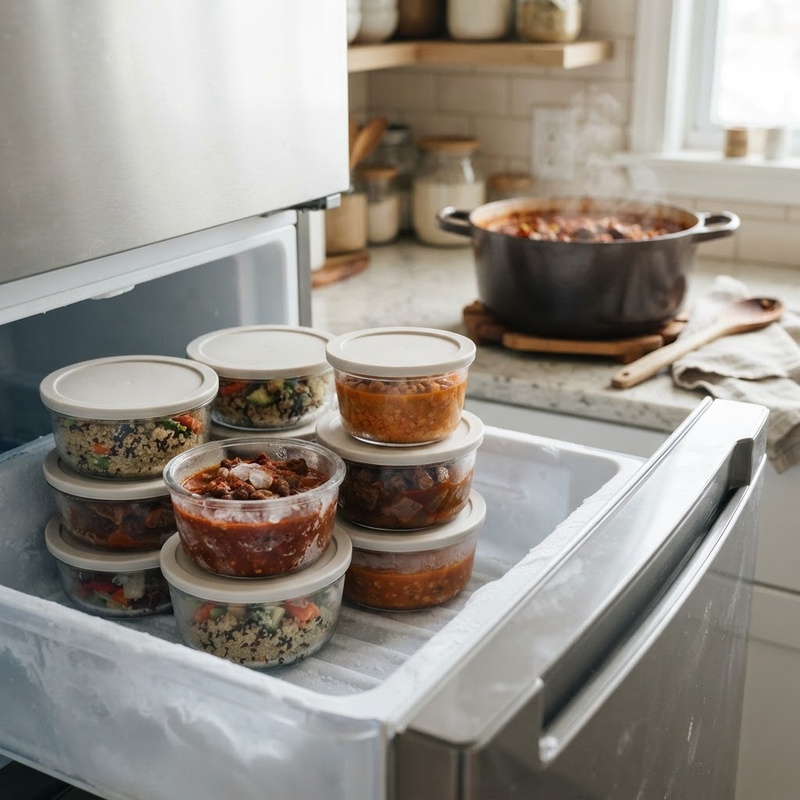
Managing daily meal preparation alongside a busy professional schedule, family commitments, and personal obligations presents a common challenge. When undergoing GLP-1 medication therapy for weight management, maintaining consistent, nutrient-dense eating habits becomes a central pillar of overall wellness. However, long workdays, unexpected schedule shifts, or evening fatigue can make preparing balanced meals from scratch feel overwhelming. Batch cooking and preparing freezer meals offer a practical, sustainable solution by establishing an accessible library of pre-portioned, home-cooked dishes ready to heat whenever needed.
Managing daily meal preparation alongside a busy professional schedule, family commitments, and personal obligations presents a common challenge. When undergoing GLP-1 medication therapy for weight management, maintaining consistent, nutrient-dense eating habits becomes a central pillar of overall wellness. However, long workdays, unexpected schedule shifts, or evening fatigue can make preparing balanced meals from scratch feel overwhelming. Batch cooking and preparing freezer meals offer a practical, sustainable solution by establishing an accessible library of pre-portioned, home-cooked dishes ready to heat whenever needed.
GLP-1 receptor agonists naturally alter digestive pacing, appetite cues, and daily hunger patterns. During therapy, individuals frequently experience smaller appetite capacity, earlier satiety during meals, and occasional shifts in food preferences. Having pre-portioned, protein-focused meals readily available in the freezer helps ensure that body needs are met without requiring hours of daily kitchen effort or complex meal preparation. In this comprehensive guide, we explore how to design freezer meals tailored for GLP-1 support, focusing on single-portion container management, reheat-friendly culinary techniques, batch labeling systems, and safe thawing strategies.
Understanding How Batch Cooking Supports GLP-1 Therapy
GLP-1 medications work by mimicking natural incretin hormones in the body, which slow gastric emptying and enhance signals of fullness. As a result, total food capacity per sitting is frequently reduced. When meal planning is left to the last minute or dictated by fatigue, it becomes easy to default to low-nutrient convenience snacks or over-purchased restaurant portions that may lead to digestive discomfort or nutritional gaps.
Batch cooking bridges this gap by aligning meal availability directly with smaller, regular nutritional requirements. Preparing wholesome foods in advance allows you to focus on high-quality lean proteins, complex carbohydrates, dietary fiber, and healthy fats without experiencing kitchen burnout. Having balanced options on hand encourages consistent nourishment even on days when appetite cues are subtle, decision fatigue sets in, or energy levels are limited.
Key Nutritional Priorities for Freezer Prep
When planning and assembling freezer meals during GLP-1 treatment, clinical observations highlight several helpful nutritional principles:
- Protein Centricity: Adequate daily protein intake helps support lean muscle mass preservation during weight management. Including shredded chicken breast, lean ground turkey, braised beef, lentils, edamame, tofu, or stewed fish in freezer dishes ensures consistent, high-quality protein access.
- Digestive Comfort: Slow-cooked braises, tender root vegetables, and simmered soups are often gentler on the digestive tract than raw, fibrous salads or heavy, high-fat fried options. Cooking breaks down tough plant fibers, making nutrients more accessible and easier to digest.
- Hydration and Micronutrients: Broth-based soups, hearty vegetable stews, and braised dishes provide essential dietary fluids alongside vital vitamins and minerals, helping maintain optimal daily hydration status.
- Portion Customization: Packaging meals in smaller, individual single-serving containers aligns naturally with reduced stomach capacity, minimizing food waste and eliminating any pressure to finish oversized plates.
Selecting Equipment and Containers for Single-Portion Success
The right kitchen tools can transform batch cooking from a daunting weekend chore into an efficient, rewarding culinary routine. Investing in suitable storage containers preserves food quality, prevents freezer burn, maintains appealing textures, and simplifies microwave or stovetop reheating.
Glass vs. BPA-Free Silicone and Plastic Containers
For optimal freezer meal organization, container selection plays a key role in convenience, safety, and longevity:
- Tempered Glass Containers: Glass containers featuring locking, airtight lids are non-porous, stain-resistant, and transition safely from freezer directly to microwave or oven. They are ideal for individual casseroles, grain bowls, savory bakes, and thick stews.
- Silicone Freezer Trays: Compartmentalized food-grade silicone trays allow you to freeze liquids, stocks, purees, and sauces into measured one-cup or half-cup cubes. Once frozen solid, these cubes can be popped out and transferred into heavy-duty zip-top freezer bags to maximize freezer shelf space.
- BPA-Free Vacuum Bags: Vacuum sealing eliminates oxygen exposure, extending freezer shelf life significantly while preserving texture and moisture for marinated lean meats, cooked poultry, and pre-steamed grains.
Determining Ideal Portion Sizes
Because GLP-1 therapy often lowers overall meal volume tolerance, standard restaurant or commercial frozen meal portions may prove overly generous. Storing meals in smaller increments—such as 6 to 10 ounce individual servings—prevents feeling overwhelmed at mealtime. Secondary side portions, such as steamed greens or grain side dishes, can always be packaged separately to combine as individual appetite dictates.
Best Meal Types for Freezing and Reheating
Not all recipes hold up equally well to the freezing and thawing process. Dishes featuring high liquid content, mild spices, braised textures, and sturdy whole grains generally preserve their structure, flavor, and moisture best through the freeze-thaw cycle.
1. Nourishing Soups and Stews
Soups and stews represent the gold standard of freezer meals. Liquids protect tender vegetables and lean proteins from drying out or developing freezer burn during storage. Excellent choices include:
- Chicken and Wild Rice Soup: Rich bone broth simmered with tender shredded chicken breast, diced carrots, celery, fresh thyme, and wild rice offers soothing comfort and robust protein density.
- Lentil and Root Vegetable Stew: French green lentils simmered with diced tomatoes, butternut squash, zucchini, and Mediterranean herbs provide abundant dietary fiber and plant-based protein.
- Turkey and Black Bean Chili: Lean ground turkey, black beans, sweet peppers, and mild cumin create a satisfying dish rich in complex carbohydrates and essential nutrients.
2. Braised Meats and Slow-Cooked Proteins
Lean cuts of meat cooked slowly in savory broths or herb marinades retain moisture remarkably well when frozen within their natural juices. Examples include slow-cooked beef chuck simmered with root vegetables, pulled turkey breast with gentle herbs, or pork tenderloin braised in apple cider broth. Reheating these dishes in covered containers helps retain tenderness without drying out the protein fibers.
3. Balanced Grain and Legume Bowls
Building grain bowls for the freezer involves layering sturdy ingredients that maintain pleasing textures upon thawing. Consider pairing cooked quinoa, farro, or brown rice with roasted sweet potatoes, cooked edamame, and marinated grilled tofu or roasted chicken breast. Packaging light sauces or dressings separately in small freezer pots ensures that grains remain fluffy rather than soggy.
4. Portion-Controlled Breakfast Prep
Morning appetite on GLP-1 therapy can be subtle, making quick, protein-focused breakfast options exceptionally useful. Batch-baking crustless mini vegetable quiches or egg bites in silicone muffin tins allows you to freeze individual servings. Once cooled and frozen, these bites reheat in seconds, delivering easy protein and micronutrients alongside morning tea or water.
Recipes to Avoid Freezing
To maintain culinary quality and avoid texture deterioration, certain foods are best prepared fresh rather than frozen:
- High-moisture raw vegetables like crisp cucumbers, fresh lettuce, radishes, and raw celery, which become watery and soft upon thawing.
- Emulsified dairy sauces like heavy cream soups, sour cream dips, or mayonnaise-based salads, which tend to separate, split, and curdle when thawed.
- Cooked whole egg whites, which can develop a rubbery, unappealing texture after freezing.
- Cooked pasta dishes without adequate sauce, as plain pasta can become mushy or absorb excessive moisture.
Systematizing Your Kitchen: Labeling, Storage, and Thawing Strategies
An organized freezer system minimizes guesswork, saves prep time, and helps prevent food waste. Implementing clear labeling standards and proper thawing methods ensures food safety while preserving culinary quality.
The Essential Labeling Method
Every freezer container should feature a clear, waterproof label containing three vital pieces of information:
- Dish Name: Clearly state the exact recipe (e.g., Herb-Roasted Turkey and Quinoa Stew).
- Preparation Date: Record the month and year cooked. Most home-cooked freezer meals retain peak flavor and texture for 2 to 3 months.
- Reheating Instructions: Note recommended reheating steps (e.g., 'Thaw overnight in fridge, microwave on medium power for 3 minutes or until hot').
Managing Freezer Inventory
Keeping a simple magnetic dry-erase log on your refrigerator door helps track what items are currently stored in your freezer. Listing meal names, date frozen, and remaining portion counts prevents forgotten containers from lingering past their peak quality window, ensuring a steady rotation of fresh meals.
Safe Thawing Practices
Proper thawing techniques preserve structural integrity while preventing improper temperature fluctuations. Recommended methods include:
- Refrigerator Thawing (Preferred): Transfer the container from the freezer to the refrigerator 24 hours prior to planned consumption. This gradual thawing maintains optimal food texture and moisture distribution.
- Cold-Water Thawing: Place leak-proof sealed containers in a bowl of cold water, replacing the water every 30 minutes until fully thawed.
- Direct Stovetop Defrosting: Soups and stews can often be transferred directly from their frozen state into a saucepan over low heat, adding a splash of fresh broth or water to prevent scorching while heating through.
Managing Appetite Changes and Digestibility on Busy Days
Individual appetite responsiveness to GLP-1 medications can fluctuate throughout the week or following medication adjustments. On days when full meals feel challenging to consume, having gentle, easily digestible options available supports consistent nutrition without causing discomfort.
Adapting Meal Density to Satiety Signals
If satiety occurs quickly, consider consuming smaller, nutrient-dense portions spaced throughout the day rather than forcing a standard dinner volume. Sipping protein-infused broths or enjoying small portions of puréed vegetable soups can deliver essential nutrients gently without overburdening digestion.
Supporting Hydration and Fiber Balance
Maintaining adequate fluid intake alongside dietary fiber is essential for supporting comfortable digestion during GLP-1 care. Freezer meals featuring soluble fiber—such as chia seeds, rolled oats, baked squash, and tender lentils—can be paired with consistent water consumption throughout the day to support overall gastrointestinal wellness.
Long-Term Success with Telehealth and Nutrition Guidance
While batch cooking and freezer meal strategies provide valuable structure and convenience, individual nutritional requirements vary based on personal health status, medical history, and specific GLP-1 medication protocols. Research suggests that personalized clinical guidance enhances comfort, safety, and long-term habit formation throughout medical weight management journeys.
Working alongside a licensed clinician allows for continuous monitoring, medication evaluation, and tailored dietary advice suited to individual health needs. Healthcare providers can help address potential side effects, assess nutritional adequacy, and adjust care plans as personal health goals evolve. Any medication prescribed requires prior evaluation by a licensed healthcare provider, and compounded medications are not FDA-approved.
If exploring medical weight management or seeking guidance tailored to your health journey, consulting dedicated healthcare professionals can provide clarity and ongoing support. Explore how personalized care models can support long-term wellness by visiting EOS Health Weight Loss Services.
Batch Cooking
The culinary practice of preparing multiple portions of meals or foundational ingredients at one time to store for future consumption.
Gastric Emptying
The physiological process by which food leaves the stomach and enters the small intestine, which is naturally slowed by GLP-1 receptor agonist therapy.
Freezer Burn
Dehydration and quality loss on the surface of frozen food caused by exposure to air, often resulting in altered texture and flavor.
Satiety
The feeling of fullness and satisfaction following a meal that suppresses the urge to eat further.
Single-Portion Storage
Packaging meals into individual servings tailored to personal appetite capacity, facilitating convenient reheating and portion management.
Sources
faq
Common questions, answered.
How long do home-cooked GLP-1 freezer meals remain safe to eat?
When stored in airtight, food-grade containers at 0°F (-18°C) or lower, most home-cooked freezer meals maintain optimal quality, flavor, and nutritional value for 2 to 3 months. While foods stored past this timeframe remain safe if kept continuously frozen, their texture and flavor may gradually decline.
Can meals containing dairy products like yogurt or cream be frozen?
Full-fat or heavy dairy sauces often separate and develop a grainy texture upon thawing. For best results, prepare soups or dishes without heavy dairy, freeze them, and stir in fresh Greek yogurt, milk, or cream after reheating.
What portion size should be prepared for freezer meals while taking GLP-1 medications?
Because GLP-1 therapy naturally slows gastric emptying and reduces appetite capacity, single-serving portions of 6 to 10 ounces are often appropriate. Preparing smaller individual portions prevents food waste and allows eating according to natural satiety cues.
Is it safe to reheat freezer meals directly from frozen?
Yes, many liquid-based dishes like soups and stews can be safely reheated directly from frozen on the stovetop over medium-low heat or in a microwave using medium power settings. Ensure the food reaches an internal temperature of 165°F (74°C) before consumption.
How can freezer burn be prevented on single-portion meals?
To prevent freezer burn, minimize air exposure inside containers. Allow hot foods to cool completely in the refrigerator before freezing, use vacuum-sealed bags or tight-fitting lids, and leave minimal headspace in rigid containers.
Are slow-cooked meals better for freezing than baked dishes?
Slow-cooked braises, stews, and soups generally freeze and reheat better than crisp baked dishes because their moisture content helps preserve tenderness and texture during the freezing and thawing processes.
How can batch cooking help manage GLP-1 side effects like nausea?
Having mild, pre-portioned, nutrient-dense meals ready in the freezer eliminates the stress of cooking when feeling fatigued or slightly nauseous. Gentle foods like chicken vegetable soup or soft grain bowls provide accessible nourishment when appetite is low.
Ready to feel like yourself again.™
Start free consultationwhat are you waiting for?
You're one click away from a new you.
Fill out our brief form and a licensed physician will evaluate which treatment plan is best for you.