Glutathione and Skin Health: What the Research Says
Explore what research indicates about glutathione, oxidative stress, and skin health. Learn what scientific studies show about this cellular antioxidant.
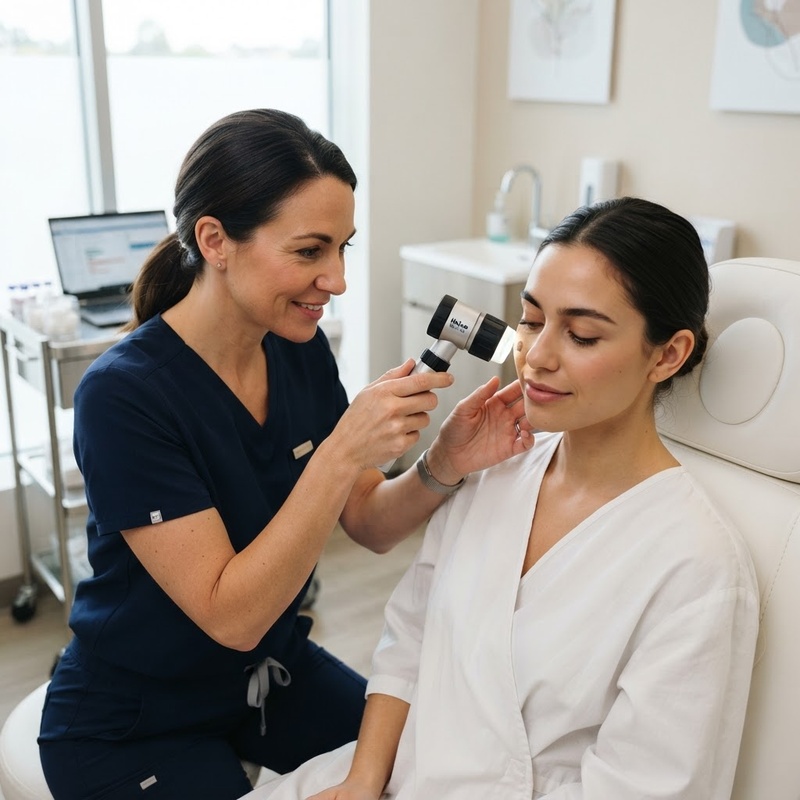
Welcome to EOS Health's clinical explainer on cellular wellness. When exploring the biology of healthy aging, few molecules attract as much scientific attention as glutathione. Often referred to by cell biologists as the body's primary endogenous antioxidant, glutathione plays a fundamental role in maintaining cellular redox balance, neutralizing metabolic reactive oxygen species, and supporting tissue integrity throughout the human body.
Welcome to EOS Health's clinical explainer on cellular wellness. When exploring the biology of healthy aging, few molecules attract as much scientific attention as glutathione. Often referred to by cell biologists as the body's primary endogenous antioxidant, glutathione plays a fundamental role in maintaining cellular redox balance, neutralizing metabolic reactive oxygen species, and supporting tissue integrity throughout the human body. In recent years, researchers have turned their attention to how this essential tripeptide interacts with the cutaneous system—the skin—which serves as our primary physical barrier against external environmental stress.
As interest in longevity and cellular maintenance continues to grow, understanding what the scientific literature actually demonstrates regarding glutathione and dermal health is essential. Rather than relying on superficial marketing narratives or sensationalized claims, taking an evidence-based perspective allows us to distinguish well-established physiological pathways from preliminary clinical observations. In this comprehensive review, we examine the molecular biology of glutathione, how oxidative stress impacts dermal structures, what clinical studies have evaluated across various administration routes, and how individual lifestyle factors support overall cellular health.
Understanding Glutathione's Role in Cellular Antioxidant Defense
To appreciate how glutathione relates to skin health, it is helpful to begin at the cellular level. Glutathione is a low-molecular-weight tripeptide composed of three essential amino acid residues: L-glutamate, L-cysteine, and glycine. Unlike many dietary antioxidants that must be acquired exclusively through food, glutathione is synthesized intracellularly by virtually every cell in the human body, with particularly high concentrations found in the liver, kidney, and cutaneous epithelial tissues.
The Two Molecular States: GSH vs. GSSG
Within cells, glutathione exists in two distinct forms: reduced glutathione (GSH) and oxidized glutathione (GSSG). The reduced form (GSH) acts as an active electron donor, neutralizing unstable reactive oxygen species (ROS) such as hydrogen peroxide, hydroxyl radicals, and lipid peroxides. During this enzymatic reaction—catalyzed by the enzyme glutathione peroxidase—GSH donates electrons and pairs up to form oxidized glutathione (GSSG). To restore cellular antioxidant capacity, the enzyme glutathione reductase converts GSSG back into its active GSH form, utilizing NADPH as an essential energy substrate.
In healthy, youthful cells, the ratio of GSH to GSSG is typically maintained above 100:1. However, chronic exposure to environmental stressors, metabolic imbalances, inflammatory cascades, and the natural passage of time can shift this ratio downward. A decreased GSH:GSSG ratio serves as a classic biochemical hallmark of cellular oxidative stress, reflecting an increased burden on cellular repair mechanisms and diminished capacity to mitigate ongoing molecular damage.
Enzymatic Cofactors and Cellular Recycling Systems
The continuous recycling of glutathione relies on an intricate metabolic network of helper enzymes and cofactors. For example, selenium is a required mineral component of glutathione peroxidase, while vitamin B2 (riboflavin) and vitamin B3 (niacin) serve as precursor cofactors for the creation of NADPH and glutathione reductase activity. This metabolic interconnectedness highlights why cellular health cannot be reduced to a single isolated molecule; rather, it reflects a broader biological harmony dependent on comprehensive nutritional adequacy and metabolic balance.
Oxidative Stress, Dermal Architecture, and Skin Aging
The skin is uniquely positioned at the interface between the internal biological environment and external influences. Consequently, skin cells—including epidermal keratinocytes and dermal fibroblasts—are continuously exposed to both endogenous metabolic byproduct ROS and exogenous oxidants generated by solar ultraviolet (UV) radiation, atmospheric ozone, airborne particulate matter, and lifestyle stressors.
How Oxidative Load Affects Collagen and Elastin Matrices
When reactive oxygen species accumulate faster than local antioxidant defenses can neutralize them, a state of cutaneous oxidative stress ensues. Research indicates that excessive ROS triggers intracellular signaling pathways, notably activating matrix metalloproteinases (MMPs). MMPs are enzymes responsible for degrading extracellular matrix components, including collagen fibers and elastin microfibrils, which provide structural resilience, elasticity, and firmness to dermal tissue.
Furthermore, oxidative stress can activate inflammatory transcription factors such as NF-kB, encouraging localized release of pro-inflammatory cytokines. Over extended periods, this cumulative oxidative load contributes to characteristic structural shifts in dermal architecture, including reduced firmness, altered barrier hydration parameters, and diminished microvascular support within the skin matrix.
Melanogenesis Pathways and Pigment Regulation Mechanisms
Beyond structural protein maintenance, researchers have explored how cellular antioxidant status intersects with melanogenesis—the biological process by which melanocytes produce melanin pigment. The rate-limiting enzyme in melanin synthesis is tyrosinase, which converts L-tyrosine into dopaquinone. Studies indicate that intracellular GSH concentrations can influence tyrosinase activity through several mechanisms: directly binding to the enzyme's copper-containing catalytic site, scavenging free radicals that stimulate melanocyte activity, and shifting the biochemical cascade toward the synthesis of lighter pheomelanin rather than darker eumelanin.
What Clinical Literature Evaluates: Oral, Topical, and Injectable Studies
Given these biological mechanisms, clinical researchers have designed human trials to evaluate whether exogenous administration or dietary precursor support can influence skin parameters. It is valuable to examine what studies have observed across different modalities while remaining mindful of study sizes, duration, and formulation variables.
Oral Glutathione and Precursor Research
Historical skepticism regarding oral glutathione focused on digestive degradation, as intestinal peptidases can cleave tripeptides into constituent amino acids prior to systemic absorption. However, recent randomized controlled trials using sublingual, liposomal, or delayed-release oral glutathione formulations have documented measurable increases in systemic GSH pools and markers of reduced systemic oxidative stress.
Clinical trials evaluating oral glutathione supplementation (typically 250 mg to 500 mg daily over 4 to 12 weeks) have evaluated parameters such as skin melanin index, stratum corneum hydration, and skin elasticity. Several double-blind, placebo-controlled studies reported statistically significant, modest reductions in melanin index and improvements in localized hydration markers compared to placebo groups. Researchers noted that individual responses varied based on baseline antioxidant status, dietary habits, and ultraviolet exposure levels.
Additionally, studies examining N-acetylcysteine (NAC)—a direct rate-limiting precursor providing L-cysteine for intracellular glutathione synthesis—show that supporting cellular raw materials provides a reliable alternative pathway for bolstering endogenous GSH synthesis without relying exclusively on intact peptide absorption.
Topical Formulations and Stratum Corneum Penetration
Topical application of glutathione presents distinct biochemical considerations. Because glutathione is a hydrophilic molecule, penetrating the hydrophobic stratum corneum barrier requires specialized delivery vehicles, such as nano-emulsions, liposomes, or synthetic derivative molecules. Clinical studies investigating topical 2% glutathione creams over 8 to 10 weeks observed localized improvements in skin moisture content and micro-relief parameters, suggesting that topical delivery may offer localized antioxidant protection against surface environmental stressors.
Injectable Modalities and Safety Regulatory Standards
In certain non-US jurisdictions, intravenous or intramuscular glutathione injections have been utilized. However, major medical regulatory agencies, including the US FDA, have issued clear safety guidance emphasizing that high-dose intravenous glutathione for cosmetic skin whitening lacks standardized safety data and carries potential risks of renal, hepatic, or severe hypersensitivity reactions. Responsible medical providers prioritize patient safety by relying on evidence-based, low-risk oral, topical, or lifestyle approaches rather than unvalidated systemic injections.
Distinguishing Established Physiology from Preliminary Research
When analyzing clinical literature on glutathione, maintaining scientific rigor requires distinguishing between established cellular biology and preliminary clinical hypotheses.
What is firmly established in medical science includes:
- Glutathione is a fundamental intracellular antioxidant required for enzymatic ROS neutralization and detoxification pathways throughout human tissue.
- Systemic and cutaneous oxidative stress increases with age, UV exposure, atmospheric pollutants, and metabolic strain.
- Maintaining robust intracellular antioxidant capacity supports cellular structural integrity, mitochondrial efficiency, and general tissue health.
What remains under ongoing clinical investigation includes:
- The precise optimal dosage, duration, and delivery vehicle for long-term oral glutathione regimens across diverse patient populations.
- The degree to which systemic glutathione changes translate into clinically observable dermatological parameters over multi-year timeframes.
- Individual genetic variations in glutathione S-transferase (GST) enzymes and how these variations modify therapeutic responses.
Systemic Lifestyle Factors for Supporting Dermal Health
Exogenous supplementation represents only one component of cellular health. Endogenous glutathione synthesis and overall antioxidant balance depend heavily on foundational lifestyle habits:
Nutritional Substrates and Dietary Patterns
Cells require specific micronutrient cofactors to synthesize and recycle glutathione efficiently. Sulfur-rich foods—such as cruciferous vegetables (broccoli, Brussels sprouts, kale), garlic, onions, and high-quality dietary protein—provide essential sulfur-containing amino acids like cysteine. Furthermore, trace minerals such as selenium act as necessary cofactors for the enzyme glutathione peroxidase, while riboflavin (Vitamin B2) and niacin (Vitamin B3) support the regeneration of GSH from GSSG.
Mitigating Excessive Environmental Oxidative Stressors
Reducing external oxidative inputs allows existing antioxidant reserves to function more effectively. Broad-spectrum daily sun protection against solar UV rays, avoiding tobacco smoke exposure, minimizing alcohol consumption, and adopting stress management practices help limit unnecessary ROS generation in cutaneous tissues and reduce the metabolic drain on cellular glutathione pools.
Restorative Sleep and Circadian Biological Repair
Intracellular enzymatic repair mechanisms follow circadian biological rhythms. Deep slow-wave sleep is associated with upregulation of antioxidant enzyme synthesis and nighttime cellular repair activities, reinforcing the deep biological connection between restorative rest, metabolic homeostasis, and tissue resilience.
Taking a Science-Based Approach to Cellular Wellness
Research suggests that glutathione is a key player in the complex biological network that protects skin cells from oxidative stress and environmental wear. While preliminary studies on oral and topical formulations offer interesting insights into cellular support, optimal outcomes are achieved through a holistic, personalized strategy that combines balanced nutrition, thoughtful skincare, and guidance from qualified healthcare professionals.
At EOS Health, our clinical team believes in empowering individuals with honest science, transparent education, and personalized clinical guidance tailored to your unique metabolic profile and health goals.
Glutathione
A crucial endogenous tripeptide antioxidant composed of glutamate, cysteine, and glycine that neutralizes reactive oxygen species and supports cellular detoxification.
Oxidative Stress
A physiological condition where reactive oxygen species exceed the cell's antioxidant neutralization capacity, leading to potential structural cellular damage.
Tyrosinase
The key copper-containing enzyme that catalyzes the rate-limiting steps of melanin pigment synthesis in melanocytes.
Matrix Metalloproteinases (MMPs)
A family of calcium-dependent zinc-containing enzymes capable of degrading extracellular matrix proteins like collagen and elastin.
N-Acetylcysteine (NAC)
A precursor molecule that supplies L-cysteine, the rate-limiting amino acid required for intracellular glutathione bio-synthesis.
Sources
faq
Common questions, answered.
What is glutathione and why is it important for skin cells?
Glutathione is an essential tripeptide antioxidant produced naturally within human cells. In skin cells, it helps neutralize reactive oxygen species generated by UV light and environmental exposure, supporting cellular integrity and normal tissue function.
Can oral glutathione supplements increase skin antioxidant levels?
Studies indicate that liposomal and sublingual oral glutathione formulations, as well as precursor supplements like N-acetylcysteine (NAC), can measurably support systemic glutathione levels and antioxidant capacity in human clinical trials.
Are high-dose glutathione injections recommended for skin whitening?
No. Major regulatory agencies including the US FDA warn against high-dose intravenous glutathione injections for cosmetic purposes due to potential safety risks and a lack of rigorous safety data. Licensed clinicians recommend safe oral or topical strategies.
How does oxidative stress contribute to visible skin aging?
Oxidative stress occurs when free radicals outnumber cellular antioxidants. This imbalance can activate enzymes called matrix metalloproteinases that break down dermal collagen and elastin, contributing to reduced firmness and fine lines over time.
How long does research suggest oral glutathione studies typically last?
Most clinical trials investigating oral glutathione support run between 4 and 12 weeks to observe measurable markers in skin hydration, melanin index, and antioxidant enzyme activity.
What dietary habits support natural glutathione synthesis in the body?
Consuming sulfur-rich foods such as garlic, onions, and cruciferous vegetables like broccoli provides necessary amino acid precursors. In addition, foods rich in selenium, vitamin C, and vitamin E support cellular antioxidant pathways.
Is glutathione safe for daily long-term supplementation?
Oral glutathione supplements in standard dietary doses (250 mg to 500 mg daily) have generally been well tolerated in clinical research. However, individuals should always consult a licensed clinician before starting any new protocol.
Can topical glutathione creams penetrate the skin barrier effectively?
Topical formulations using specialized liposomal or nano-emulsion delivery systems can help overcome the stratum corneum barrier, providing localized antioxidant support to superficial epidermal layers.
Invest in the years ahead.™
Start free consultationwhat are you waiting for?
You're one click away from a new you.
Fill out our brief form and a licensed physician will evaluate which treatment plan is best for you.