Hair Texture Changes After Menopause: What to Know
Explore why hair texture changes after menopause occur, how hormonal shifts affect strand structure, and expert tips to support healthy hair with EOS Health.
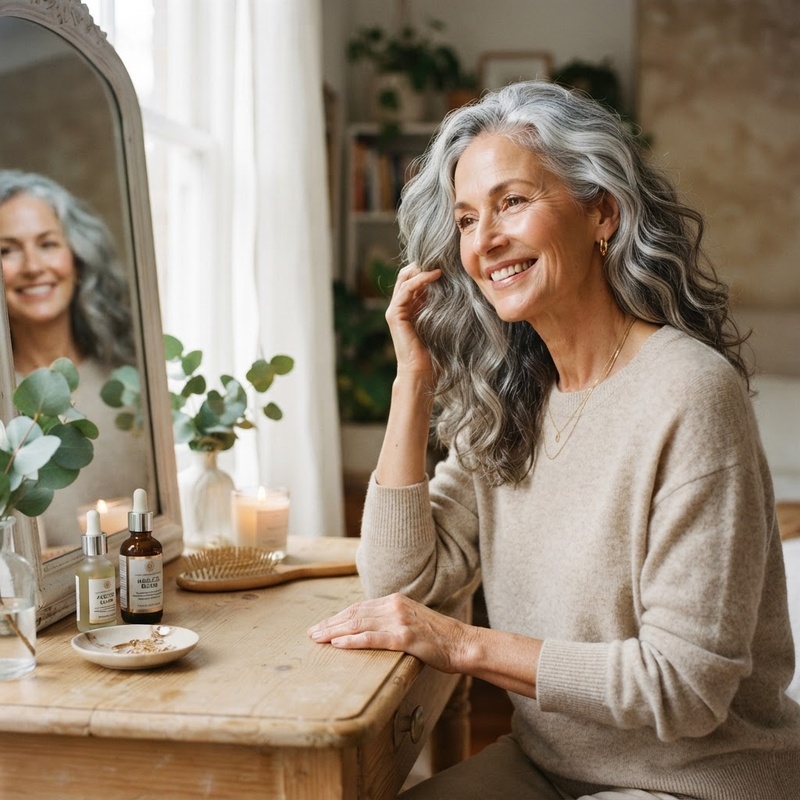
Menopause represents a significant biological transition in a woman's life, marked by wide-ranging physiological changes. While hot flashes, mood fluctuations, and sleep disruptions frequently dominate discussions about this life stage, alterations in hair texture and density are equally common. Many women notice that hair that was once smooth, pliable, and easy to manage becomes dry, brittle, coarse, or unexpectedly fine. Others observe changes in their natural wave pattern or find that individual strands feel rougher and less resilient than before.
Menopause represents a significant biological transition in a woman's life, marked by wide-ranging physiological changes. While hot flashes, mood fluctuations, and sleep disruptions frequently dominate discussions about this life stage, alterations in hair texture and density are equally common. Many women notice that hair that was once smooth, pliable, and easy to manage becomes dry, brittle, coarse, or unexpectedly fine. Others observe changes in their natural wave pattern or find that individual strands feel rougher and less resilient than before.
Navigating these adjustments can feel overwhelming, but understanding the underlying biology offers clarity. Hair texture changes after menopause are primarily driven by shifts in hormone production—specifically declining levels of estrogen and progesterone alongside relative shifts in circulating androgens. By exploring how these biological mechanisms affect hair follicles, sebaceous glands, and hair shaft construction, women can make informed decisions regarding daily care, lifestyle adjustments, and clinical evaluations. This guide outlines why these texture changes occur, practical strategies to protect fragile strands, and how working with healthcare professionals supports healthy aging and hair health.
The Biological Mechanics Behind Menopausal Hair Texture Shifts
To understand why hair texture shifts during and after menopause, it is helpful to look closely at the life cycle of the hair follicle and the hormones that regulate it. Hair growth occurs in three primary phases: anagen (the active growth phase), catagen (the regression phase), and telogen (the resting phase). Hormones act as key signaling molecules that dictate how long a follicle stays in each phase, as well as the thickness and moisture content of the emerging hair shaft.
Hormonal Signals and Hair Follicle Biology
Estrogen plays a vital role in maintaining healthy hair growth in women. It stimulates hair follicles, promotes prolonged anagen phases, and supports scalp circulation. During reproductive years, circulating estrogen helps maintain strand thickness, growth speed, and overall suppleness. Progesterone also supports follicle health while inhibiting excess androgen conversion.
As ovarian function declines during perimenopause and menopause, levels of both estrogen and progesterone decrease significantly. Without the protective influence of estrogen, the growth phase of the hair cycle shortens. Consequently, hair strands do not reach the same maximum length or thickness as they previously did. Additionally, hair spends less time actively growing and more time in resting phases, leading to a reduction in perceived density.
The Impact of Androgen Dominance on Hair Diameter
While estrogen levels decline rapidly during menopause, adrenal and ovarian androgen production decreases at a slower rate. This creates a state of relative androgen dominance. Androgens, such as dihydrotestosterone (DHT), interact with androgen receptors located in vulnerable hair follicles across the scalp.
In genetically susceptible follicles, androgen stimulation leads to follicle miniaturization. During miniaturization, hair follicles progressively shrink with each successive growth cycle. As a result, the individual hair shafts produced become thinner in diameter, shorter, and less pigmented. This transition from thick terminal hair to finer hair directly alters the tactile feel and visual texture of the hair. Hair may feel less dense, softer in some areas, or wiry and uneven in others.
Sebaceous Gland Activity and Moisture Retention
Hormonal changes also affect the scalp environment and natural lubrication. Sebaceous glands attached to hair follicles rely on estrogen to maintain healthy oil production. As estrogen levels drop, sebum synthesis declines. Sebum serves as a natural barrier that coats the hair cuticle, sealing in moisture and smoothing the scale-like keratin layers forming each strand.
When sebum production decreases, the cuticle layer becomes raised and porous. Without smooth lipid protection, moisture escapes rapidly from the inner cortex. This loss of internal hydration explains why postmenopausal hair often feels dry, rough, and prone to static or frizz. The combination of thinner strand diameter and reduced natural oils forms the physical basis for menopausal hair texture shifts.
Recognizing Common Texture Transformations
Because every woman's hormonal profile and genetic background are unique, texture changes can manifest in several distinct ways. Recognizing these specific transformations helps in choosing appropriate topical treatments and styling methods tailored to current strand needs.
From Silkiness to Dryness and Brittleness
One of the most frequently reported texture shifts is a transition from supple hair to a drier, more brittle texture. Raised cuticles allow moisture to evaporate easily, leaving the cortex vulnerable to damage from environmental factors such as sunlight and dry heat. Brittle hair lacks elasticity, meaning it breaks easily when brushed or styled. Women may notice increased short, broken hairs along the hairline or crown, which can be mistaken for new growth or uniform shedding.
Changes in Curl Pattern and Coarseness
Hormonal fluctuations can alter the actual shape of the hair follicle opening. A round follicle produces straight hair, while an oval follicle produces wavy or curly hair. As hormonal signals change and skin elasticity shifts, follicle shape can alter slightly. Some women experience unexpected wave in previously straight hair, while others observe that natural curls lose definition.
In addition, gray hair often emerges during the menopausal transition. Gray hair strands lack melanin pigments and frequently feature an irregular cuticle structure. This structural variance makes gray hairs feel coarser, stiffer, and less responsive to traditional styling techniques than naturally pigmented strands.
Loss of Volume and Elasticity
Elasticity refers to the hair strand's ability to stretch and return to its original length without breaking. Decreased internal moisture and compromised keratin cross-linking reduce elasticity in postmenopausal hair. Consequently, hair may feel limp, struggle to hold a curl, and appear flat at the roots. When combined with minor diffuse thinning, overall hair volume feels noticeably reduced.
Nutritional and Scalp Health Foundations to Support Healthy Aging
Addressing hair texture shifts effectively requires a holistic approach that begins at the scalp level and incorporates internal wellness practices. Supporting healthy aging involves nurturing the environment where follicles reside and providing essential biochemical building blocks for keratin synthesis.
Optimizing Scalp Health for Fragile Follicles
Healthy hair growth depends on a balanced scalp environment. Micro-inflammation, oxidative stress, and product accumulation can compromise follicle function and exacerbate texture irregularities. Maintaining scalp health involves gentle cleansing that balances the scalp microbiome without stripping essential moisture.
Using mild, sulfate-free cleansers helps remove sebum buildup, dead skin cells, and atmospheric pollutants. Massaging the scalp gently during cleansing encourages local blood circulation, delivering oxygen and nutrients to the hair papilla. Avoiding harsh physical scrubs or aggressive brushing on a wet scalp protects delicate follicle attachments.
Essential Micronutrients and Hydration
The hair shaft is composed primarily of keratin protein. Adequate protein intake provides essential amino acids for continuous keratin synthesis. Key micronutrients also support metabolic activities within the hair matrix:
- Biotin and B Vitamins: Support cellular metabolism and enzyme functions involved in protein synthesis.
- Iron and Ferritin: Iron helps red blood cells transport oxygen to growing follicle tissue; low ferritin correlates with altered hair quality.
- Vitamin D: Receptors in hair follicles play a role in initiating new growth cycles, supporting overall follicle health.
- Zinc and Selenium: Trace minerals that act as antioxidants and support cellular repair mechanisms in scalp tissue.
- Omega-3 Fatty Acids: Support cell membrane integrity and promote scalp hydration from within.
Hydration is equally crucial. Consuming adequate water throughout the day ensures that dermal layers of the scalp maintain optimal moisture to support follicular function.
Daily Care and Protective Styling Strategies
Adjusting daily care routines is an immediate way to protect menopausal hair from damage and improve its appearance and feel. Because postmenopausal hair is generally drier, hair care habits should emphasize moisture retention and friction reduction.
Adapting Cleansing and Conditioning Routines
Washing hair too frequently can strip the scalp of limited natural oils, worsening dryness. Many women find that reducing wash frequency to two or three times per week preserves moisture. Selecting products formulated for dry or fragile hair makes a noticeable difference in strand softness.
Look for conditioning formulas rich in emollients and humectants, such as argan oil, jojoba oil, shea butter, or glycerin. Humectants draw ambient moisture into the hair shaft, while emollients smooth down raised cuticle layers. Weekly deep conditioning treatments offer prolonged hydration and improve detangling ease.
Minimizing Thermal and Mechanical Stress
Fragile, low-elasticity hair is vulnerable to heat damage. High temperatures from flat irons and curling wands break structural bonds within the hair cortex, exacerbating dry, coarse textures. When heat styling is necessary, using lower heat settings and applying a high-quality thermal protectant spray reduces direct heat trauma.
Mechanical stress during brushing should also be minimized. Wet hair is especially fragile; using a wide-tooth comb or flexible detangling brush starting from the ends prevents breakage. Replacing rough cotton towels with microfiber towels reduces friction, and sleeping on a silk or satin pillowcase helps preserve nighttime moisture.
When to Consult a Healthcare Professional About Hair Changes
While texture shifts and mild changes in volume are expected components of aging, significant hair loss or rapid shedding requires clinical evaluation. Distinguishing normal age-related shifts from underlying medical conditions ensures proper care is initiated promptly.
Distinguishing Texture Shifts from Medical Conditions
It is helpful to recognize differences between routine texture adjustments and clinical hair loss conditions:
- Texture Shifts: Involve changes in strand feel, coarseness, wave pattern, and dryness without sudden dramatic loss of volume.
- Female Pattern Thinning: Characterized by progressive thinning centered around the part line and crown with preservation of the hairline.
- Telogen Effluvium: Temporary diffuse shedding where many follicles enter the resting phase simultaneously, often triggered by severe physical stress, illness, or rapid hormonal shifts.
Clinical Evaluation Options and Personalized Guidance
Consulting a licensed healthcare provider offers an opportunity to explore systemic factors contributing to hair changes. A thorough evaluation may include blood testing to assess thyroid hormone function, serum ferritin levels, and vitamin status. Thyroid dysfunction and iron deficiency are common, treatable causes of hair texture changes in women over 40.
Healthcare providers can offer evidence-based recommendations tailored to individual medical histories. Clinical management options may include targeted nutritional support, prescription topical or oral therapies, or specialized scalp care. Professional evaluation ensures any intervention is safe and aligned with overall health goals.
Taking the Next Step in Your Hair Health Journey
Experiencing hair texture changes after menopause is a common, natural part of aging, but understanding the hormonal mechanisms behind dryness, coarseness, and thinning allows women to adapt their routines with confidence. Blending gentle daily care habits with clinical insights supports healthy hair throughout life's transitions.
When changes in hair texture are accompanied by noticeable shedding, part widening, or scalp discomfort, professional evaluation provides clarity and personalized guidance. To learn more about comprehensive evaluation options and personalized care plans, explore EOS Health's women's hair loss options.
Androgens
A class of hormones, including testosterone and dihydrotestosterone (DHT), that play key roles in cellular signaling and follicle miniaturization when estrogen levels decline during menopause.
Sebum
The natural oily substance secreted by sebaceous glands attached to hair follicles that coats the hair cuticle, sealing in moisture and protecting strands from environmental damage.
Follicle Miniaturization
A biological process in which hair follicles progressively shrink under the influence of androgens, leading to the production of finer, shorter, and less dense hair strands.
Hair Cuticle
The outermost protective layer of a hair strand composed of overlapping scale-like keratin cells that control moisture retention and outer strand smoothness.
Anagen Phase
The active growth phase of the hair follicle cycle, during which hair cells divide rapidly to produce the hair shaft. Estrogen helps prolong this phase in female hair follicles.
Sources
faq
Common questions, answered.
Why does hair texture change during and after menopause?
Hair texture changes during and after menopause are primarily caused by declining levels of estrogen and progesterone, alongside relative shifts in circulating androgens. Reduced estrogen shortens the active growth phase of hair follicles and reduces natural sebum oil production, leaving hair drier, coarser, and thinner in diameter.
Is hair texture change after menopause permanent?
While age-related hormonal shifts represent a permanent physiological change, adapting hair care routines, focusing on scalp health, and using clinical options can significantly support hair texture and strand strength over time. Individual responses vary based on genetics and overall health.
How can dry and brittle postmenopausal hair be hydrated effectively?
Hydration can be enhanced by switching to gentle, sulfate-free shampoos, using rich conditioners containing emollients like argan or jojoba oil, applying weekly deep-conditioning treatments, and reducing the frequency of heat styling and harsh chemical treatments.
Can hormonal changes during menopause cause straight hair to become wavy?
Yes, shifts in hormone levels and declining scalp skin elasticity can subtly alter the shape of hair follicle openings. These structural changes can alter the natural growth angle of hair strands, causing previously straight hair to develop waves or curls, or altering existing curl patterns.
Does gray hair contribute to changes in hair texture?
Yes. Gray hair lacks melanin pigment and often has a distinct cuticle structure compared to pigmented hair. This variance can make gray hair feel stiffer, rougher, or coarser, contributing to overall changes in hair texture after menopause.
What role does scalp care play in managing hair texture changes?
The scalp provides the biological foundation for healthy hair growth. Proper cleansing, gentle scalp massage, and avoiding irritating ingredients help maintain a balanced scalp environment, supporting healthy follicle function and strand nutrition.
When should a woman consult a healthcare provider about postmenopausal hair changes?
It is advisable to consult a healthcare professional if hair changes involve sudden or heavy shedding, widening of the part line, visible scalp patches, or scalp redness and discomfort. A provider can evaluate underlying factors such as thyroid function or nutrient levels.
Are dietary adjustments helpful for supporting hair health after menopause?
Consuming a nutrient-rich diet with adequate protein, biotin, B vitamins, iron, vitamin D, and omega-3 fatty acids supports the biochemical building blocks needed for keratin production and healthy aging. Consulting a clinician helps identify specific dietary needs.
You deserve to feel this way.™
Start free consultationwhat are you waiting for?
You're one click away from a new you.
Fill out our brief form and a licensed physician will evaluate which treatment plan is best for you.