Herbal Teas and Infused Water: Hydration Options for GLP-1
Discover gentle GLP-1 hydration options like herbal teas and infused water to soothe mild nausea, support digestion, and meet daily fluid goals comfortably.
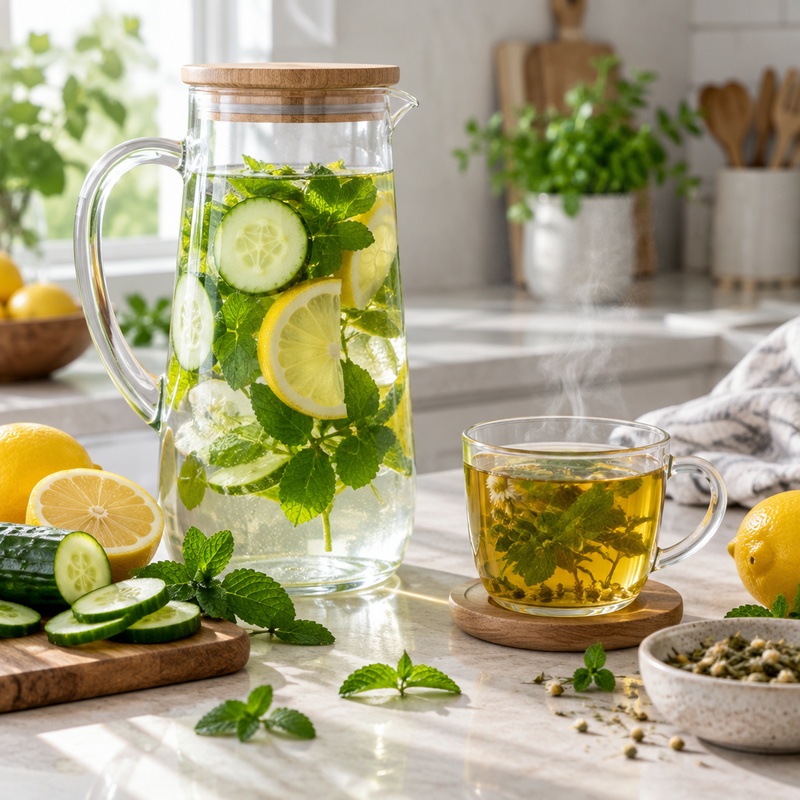
Beginning a glucagon-like peptide-1 (GLP-1) receptor agonist therapy—such as semaglutide or tirzepatide—often marks a transformative shift in how your body handles hunger, fullness, and overall metabolism. As appetite decreases and early satiety becomes your new normal, many individuals focus heavily on meal sizing and protein intake. However, an equally critical element of metabolic support often drops under the radar: consistent daily fluid intake. Maintaining optimal hydration is vital when adapting to GLP-1 therapy, yet many people notice that plain water suddenly feels heavy, unappealing, or even slightly unpleasant to drink.
Beginning a glucagon-like peptide-1 (GLP-1) receptor agonist therapy—such as semaglutide or tirzepatide—often marks a transformative shift in how your body handles hunger, fullness, and overall metabolism. As appetite decreases and early satiety becomes your new normal, many individuals focus heavily on meal sizing and protein intake. However, an equally critical element of metabolic support often drops under the radar: consistent daily fluid intake. Maintaining optimal hydration is vital when adapting to GLP-1 therapy, yet many people notice that plain water suddenly feels heavy, unappealing, or even slightly unpleasant to drink.
If you have found yourself struggling to sip enough plain water throughout the day, you are not alone. Shifts in gastric motility and altered taste perception are frequently reported experiences during GLP-1 care. Fortunately, staying hydrated does not mean forcing yourself to chug large glasses of plain water when your stomach feels sensitive. Unsweetened herbal teas and fruit- or herb-infused waters offer gentle, refreshing alternatives that can make daily hydration pleasant while soothing occasional digestive discomfort. In this guide, we explore the science of fluid needs on GLP-1 medications, highlight beneficial botanical infusions, and share practical daily tracking strategies to help you stay comfortably hydrated.
Understanding Hydration Challenges During GLP-1 Therapy
To understand why hydration requires intentional attention while taking GLP-1 receptor agonists, it helps to review how these medications interact with your digestive system. GLP-1 therapies slow down the rate at which food leaves your stomach—a process known as delayed gastric emptying. While this mechanism is instrumental in helping you feel satisfied with smaller portions, it also means that stomach capacity at any given moment is reduced. Consuming large volumes of liquid at once can lead to uncomfortable pressure, bloating, or early fullness.
Additionally, GLP-1 receptor signals in the brain modulate appetite and thirst pathways. When overall food intake decreases, fluid intake from dietary sources (such as fruits, vegetables, and soups) often drops as well. Combined with a diminished drive to drink, individuals may unintentionally consume far less fluid than their body requires to support routine kidney function and metabolic balance.
The Vital Role of Water in GLP-1 Success
Hydration plays several central roles in supporting your body through weight management and metabolic adjustments:
- Gastrointestinal Motility: Adequate fluid balance keeps digestive stool soft and moving smoothly through the intestinal tract. Because GLP-1 medications slow transit time, insufficient fluid intake can contribute to mild digestive sluggishness or constipation.
- Kidney Support: As your body metabolizes storage tissue and filters circulating byproducts, your kidneys rely on continuous fluid flow to eliminate waste products efficiently.
- Energy and Temperature Regulation: Mild dehydration can manifest as unexplained fatigue, lightheadedness, or headache—symptoms that are easily mistaken for medication side effects or low blood sugar.
Why Carbonated and Sweetened Drinks May Not Be Ideal
When searching for alternatives to plain water, it is tempting to reach for sparkling water, diet sodas, or pre-packaged flavored drinks. However, clinical observations suggest caution with these choices. Carbonated beverages release carbon dioxide gas directly into a stomach that is already emptying more slowly, frequently causing uncomfortable pressure, gas, and early satiety before genuine fluid needs are met. Similarly, drinks with added sugars or artificial sweeteners may trigger digestive upset or run counter to your overall metabolic health goals. Unsweetened, naturally infused fluids provide a gentle middle ground.
Soothing Herbal Teas: Warm and Chilled Options for Stomach Comfort
Herbal teas—prepared hot or iced—provide a rich spectrum of natural subtle flavors without calorie density or carbonation. Many traditional herbal preparations contain natural botanical compounds that have been appreciated for centuries for their digestive-soothing qualities.
Ginger Tea: A Time-Tested Nausea Ally
Ginger (Zingiber officinale) contains active phenolic compounds known as gingerols and shogaols. Clinical literature highlights ginger's ability to encourage mild gastric relaxation and ease occasional nausea. For individuals experiencing transient digestive adjustment when initiating or adjusting GLP-1 doses, sipping warm or iced ginger tea throughout the day can offer welcome relief. You can steep fresh sliced ginger root in hot water for 10 minutes or use convenient organic ginger tea bags.
Peppermint and Spearmint: Calming Digestive Spasms
Peppermint leaf contains menthol, a natural compound recognized for its smooth muscle-relaxing properties in the gastrointestinal tract. Drinking peppermint tea after meals may help ease feelings of upper abdominal tightness or mild bloating. Spearmint offers a slightly milder, sweeter profile for those who find peppermint too intense. Note: Individuals with active gastroesophageal reflux (GERD) should monitor their response, as mint can occasionally relax the lower esophageal sphincter.
Chamomile and Hibiscus: Calmness and Crisp Flavor
Chamomile is widely appreciated for its gentle soothing profile, making it an excellent evening hydration choice that supports relaxation before bedtime. Hibiscus tea, brewed from dried calyces, imparts a brilliant ruby color and a tart, berry-like flavor profile. Rich in natural antioxidants, chilled hibiscus tea serves as a tart, alcohol-free alternative to sugary fruit juices during warm weather.
Brewing Tips for Maximum Flavor and Comfort
To prepare herbal teas for hydration rather than concentrated medicinal use, consider lighter brewing times. Steeping for 3 to 5 minutes yields a pleasant, non-bitter infusion. Hot tea can be poured over ice for a crisp afternoon drink. Keep a glass pitcher of iced chamomile or hibiscus tea in your refrigerator for easy access throughout the day.
Flavor-Infused Water: Elevating Plain Water Without Added Sugar
If hot or iced teas are not your preference, infused water provides a subtle, natural hint of flavor that renders plain water far more enticing. By soaking fresh fruits, herbs, and vegetables in cold water, you extract aromatics and minor micronutrients without adding significant calories or sugars.
Citrus Infusions for Crisp Hydration
Thinly sliced lemons, limes, oranges, or grapefruits add a crisp acidity that breaks up the flat taste of tap or filtered water. The natural citric acid can stimulate mild salivation, making drinking feel more refreshing. For a balanced blend, combine citrus slices with fresh mint leaves or cucumber ribbons.
Cucumber, Berry, and Botanical Combinations
Cucumber offers a remarkably clean, cooling essence that pairs exceptionally well with botanical herbs. Consider assembling these refreshing combinations in a glass container:
- Cucumber, Lime, and Mint: Refreshing and light, perfect for warm afternoons.
- Strawberry and Basil: Sweet berry aromatics balanced by earthy herbal notes.
- Blackberry and Sage: Rich fruitiness with a sophisticated savory undertone.
- Orange and Rosemary: Bright citrus paired with piney aromatic herbs.
Best Practices for Safe and Flavorful Water Infusions
To maintain safety and optimal flavor when preparing infused waters, keep the following practical guidance in mind:
- Wash Ingredients Thoroughly: Always rinse fruits, vegetables, and herbs under running water before slicing to remove surface residue.
- Use Cold Water: Steep your ingredients in cold or room-temperature filtered water. Hot water can render fruit rinds bitter.
- Steep Time Guidelines: Allow ingredients to infuse in the refrigerator for 2 to 4 hours for subtle flavor, or overnight for deeper intensity. Remove citrus peels after 4 hours to avoid bitter notes.
- Refrigeration and Shelf Life: Keep infused waters refrigerated and consume within 24 to 48 hours for maximum freshness.
Sipping Strategies: Timing and Temperature for GLP-1 Patients
How and when you drink can be just as important as what you drink when managing GLP-1 therapy. Adjusting your sipping habits helps avoid uncomfortable stomach distension and ensures steady fluid absorption throughout your waking hours.
The Practice of Micro-Sipping
Rather than attempting to drink an 8-ounce or 16-ounce glass of fluid in a single sitting, adopt a "micro-sipping" routine. Keep a dedicated water bottle or tumbler nearby and take small, frequent sips every 10 to 15 minutes. This slow delivery allows your stomach to comfortably process fluids without triggering feelings of excessive fullness or nausea.
Separating Liquids from Meals
Consuming large amounts of liquid directly before, during, or immediately after a meal can overfill your stomach when gastric emptying is delayed. Many clinicians recommend stopping fluid intake approximately 20 to 30 minutes before meals and waiting 30 minutes after completing a meal before resuming sipping. This simple boundary preserves valuable stomach space for nutrient-dense food while reducing the likelihood of post-meal reflux or heaviness.
Finding Your Ideal Temperature
Individual stomach sensitivity varies considerably. Some people find icy-cold liquids refreshing, while others notice that cold drinks trigger mild stomach cramping. If cold fluids feel uncomfortable, experiment with room-temperature water or warm herbal infusions. Warm liquids often promote gastrointestinal relaxation and may feel gentler on sensitive digestive tracts.
Addressing Electrolyte Balance
When fluid intake increases or food intake drops significantly, maintaining mineral balance becomes relevant. Electrolytes—such as sodium, potassium, and magnesium—help regulate fluid distribution across cells. Adding a slice of lemon with a tiny pinch of unrefined sea salt to your water, or incorporating unsweetened electrolyte drops under clinical guidance, can help support balanced hydration levels during metabolic transitions.
Practical Daily Fluid Tracking and Hydration Habits
Establishing consistent hydration requires structured routines until sipping becomes second nature. Here are concrete strategies to ensure you reach your personalized fluid targets daily:
Setting Realistic Daily Fluid Targets
While general guidelines often suggest 64 to 80 ounces (roughly 2 to 2.5 liters) of total fluid daily, individual requirements vary based on body size, physical activity level, climate, and medical history. Your clinical team can help establish a precise daily baseline suited to your specific needs.
Visual Tracking and Reminder Systems
Tracking fluid intake does not need to feel burdensome. Simple visual tools can keep you on course:
- Marked Water Pitchers: Fill a 64-ounce glass pitcher with your chosen herbal tea or infused water every morning. Aim to finish the pitcher by evening.
- Smartphone Reminders or Apps: Set gentle hourly chime reminders on your phone or smartwatch to prompt a few micro-sips.
- Habit Stacking: Pair hydration with existing routines—sip a cup of warm ginger tea right after your morning shower, enjoy an iced peppermint tea mid-afternoon, and keep a chamomile infusion by your bedside.
Monitoring Hydration Status
The most straightforward method to monitor your hydration status is observing urine color. Pale, straw-colored urine generally indicates adequate hydration. Dark amber urine signals that your body needs more fluid, while completely clear urine may suggest over-consumption in a short timeframe. If you notice signs of persistent dryness, dizziness, or reduced urine output, consult your healthcare provider promptly.
Navigating Your Personalized GLP-1 Wellness Journey
Optimal hydration is a foundational pillar of successful, long-term GLP-1 therapy. By replacing plain water with delicious herbal teas and naturally infused waters, you can meet your body's fluid needs comfortably while soothing occasional digestive adjustments. Remember that every individual's metabolic journey is unique, and small, sustainable daily habits yield the most meaningful long-term health benefits.
At EOS Health, our clinical team is dedicated to providing comprehensive, personalized care tailored to your unique metabolic profile. Whether you need guidance on managing GLP-1 medication adjustments, customized nutrition strategies, or ongoing clinical support, our healthcare professionals are here to guide you every step of the way. Explore our comprehensive telehealth weight management programs and connect with a licensed clinician today by visiting EOS Health Weight Loss Services.
Delayed Gastric Emptying
A physiological effect of GLP-1 receptor agonists where food and liquids move more slowly from the stomach into the small intestine, enhancing satiety and feelings of fullness.
Infused Water
Drinking water steeped with fresh fruits, vegetables, or herbs to absorb natural subtle flavors and botanical aromatics without added sugar or calories.
Gingerol
The primary bioactive compound in fresh ginger root, widely studied for its antioxidant properties and ability to soothe digestive upset and mild nausea.
Electrolyte Balance
The concentration of essential minerals like sodium, potassium, and magnesium in bodily fluids necessary for nerve function, hydration balance, and cellular health.
GI Motility
The contraction and movement of muscles throughout the digestive tract that propel food, fluids, and waste through the stomach and intestines.
Sources
faq
Common questions, answered.
Can I drink sparkling water or carbonated drinks while taking a GLP-1 medication?
While occasional sparkling water is generally safe, carbonated beverages release gas in the stomach. Because GLP-1 medications slow gastric emptying, carbonation can lead to uncomfortable bloating, pressure, or early fullness. Still or gently infused non-carbonated waters are typically easier to tolerate.
How much fluid should I aim to consume each day while on GLP-1 therapy?
General recommendations often suggest 64 to 80 ounces (roughly 2 to 2.5 liters) of daily fluid, but individual needs vary based on body weight, activity level, climate, and overall health. Consulting your healthcare team helps determine your personalized hydration target.
Are caffeinated herbal teas appropriate for daily hydration?
Most pure herbal teas (such as ginger, peppermint, chamomile, and hibiscus) are naturally caffeine-free and contribute directly to total daily hydration. Moderate intake of caffeinated black or green teas is fine, but caffeine can act as a mild diuretic in high quantities, so caffeine-free options remain ideal for core hydration.
Why does plain water sometimes feel difficult to drink during GLP-1 treatment?
GLP-1 receptor agonists alter stomach motility and central appetite signals, which can temporarily change taste preferences and cause plain water to feel heavy or unappealing. Adding natural botanical flavors or altering fluid temperature often restores palatability.
Can infused water or herbal tea replace plain water entirely?
Yes. Unsweetened herbal teas and fruit-infused waters consist almost entirely of pure water with minimal plant extractions. They provide effective daily hydration without adding unwanted sugars or calories.
What should I do if drinking fluids triggers feelings of fullness or nausea?
Try switching to micro-sipping—taking small sips every 10 to 15 minutes rather than gulping full glasses. Additionally, avoid drinking liquids 30 minutes before and after meals, and experiment with warm or room-temperature herbal teas such as ginger or peppermint.
Is it safe to add natural sweeteners like honey or agave to herbal teas?
While small amounts of natural sweeteners are safe for most individuals, adding sugars can increase calorie intake and impact blood sugar control. Enjoying herbal teas naturally unsweetened or with a squeeze of fresh lemon is recommended for metabolic health goals.
How does proper hydration support digestion and reduce constipation on GLP-1s?
Slower GI transit time on GLP-1 medications allows the colon to absorb more water from digested food. Consuming adequate fluids ensures stool remains soft and easy to pass, significantly reducing the likelihood of constipation.
Ready to feel like yourself again.™
Start free consultationwhat are you waiting for?
You're one click away from a new you.
Fill out our brief form and a licensed physician will evaluate which treatment plan is best for you.