High-Fructose Corn Syrup vs Sucrose: Metabolic Breakdown Basics
Explore high-fructose corn syrup vs sucrose metabolic differences. Learn how molecular structure, gut absorption, and hepatic processing impact health.
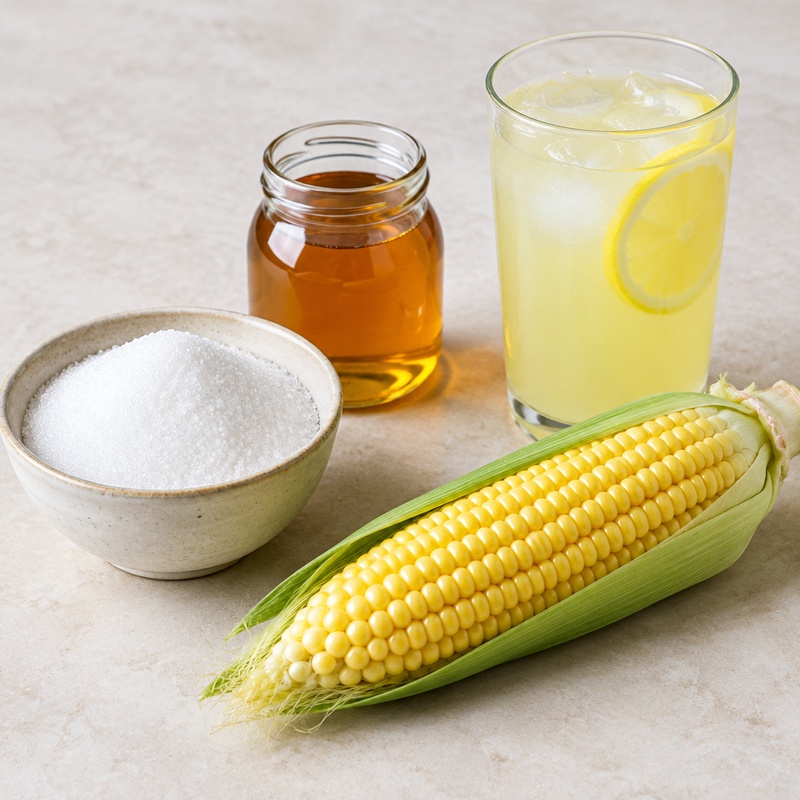
Caloric sweeteners are ubiquitous in modern food supplies, appearing in beverages, baked goods, condiments, and pre-packaged meals. Among these, high-fructose corn syrup (HFCS) and sucrose (commonly known as table sugar) are the two most prevalent added sugars in Western diets. Public interest surrounding the health effects of these sweeteners has intensified, leading many individuals to question whether the human body processes high-fructose corn syrup and sucrose differently or if their metabolic fates are essentially identical.
Caloric sweeteners are ubiquitous in modern food supplies, appearing in beverages, baked goods, condiments, and pre-packaged meals. Among these, high-fructose corn syrup (HFCS) and sucrose (commonly known as table sugar) are the two most prevalent added sugars in Western diets. Public interest surrounding the health effects of these sweeteners has intensified, leading many individuals to question whether the human body processes high-fructose corn syrup and sucrose differently or if their metabolic fates are essentially identical.
To evaluate these questions objectively, we must examine the fundamental biochemical structures, gastrointestinal absorption mechanics, hepatic metabolic pathways, and endocrine signaling mechanisms that govern simple carbohydrate processing. While both sweeteners supply simple monosaccharides to systemic circulation, subtle differences in their molecular delivery matrices offer valuable insights into human physiology. Understanding these metabolic breakdown basics can empower individuals to make informed dietary choices while appreciating how broader nutritional patterns shape overall metabolic health.
Molecular Architecture: Disaccharide Bonds vs. Free Monosaccharides
The primary distinction between sucrose and high-fructose corn syrup lies not in the chemical composition of their constituent simple sugars, but rather in how those sugars are chemically linked and packaged.
Sucrose: The Bound Glucose-Fructose Dimer
Sucrose is a disaccharide molecule naturally synthesized by plants, including sugar cane and sugar beets. Chemically, sucrose consists of one glucose molecule and one fructose molecule joined together by a covalent alpha-1,2-glycosidic bond. Because of this covalent linkage, sucrose exists as a unified chemical dimer. In its native form, sucrose exhibits a fixed 50:50 ratio of glucose to fructose. Whether derived from sugar cane, sugar beets, or honey, the molecular structure of sucrose remains uniform. Until the intestinal brush border breaks this specific chemical bond, sucrose cannot be directly absorbed into the bloodstream as individual sugars.
High-Fructose Corn Syrup: Unbound Monosaccharide Mixtures
High-fructose corn syrup is an industrial sweetener produced from corn starch. Starch consists of long chains of glucose molecules. Through enzymatic processing, starch is broken down into free glucose, and a portion of this glucose is subsequently converted into fructose using the enzyme glucose isomerase. Unlike sucrose, HFCS does not contain covalent bonds connecting its glucose and fructose units. Instead, it is an aqueous mixture containing free, unbound monosaccharides.
The two most common commercial formulations of HFCS used in food manufacturing are:
- HFCS-55: Composed of approximately 55% free fructose, 42% free glucose, and 3% higher glucose polymers. This formulation is predominantly used in carbonated soft drinks and sweet beverages due to its high relative sweetness and solubility.
- HFCS-42: Composed of roughly 42% free fructose, 53% free glucose, and 5% higher polymers. This variant is frequently utilized in processed foods, baked goods, canned fruits, and condiments.
Because HFCS-55 and sucrose possess roughly comparable ratios of fructose to glucose (55:42 versus 50:50), their caloric density and monosaccharide yield per gram are remarkably similar. However, the presence or absence of a disaccharide bond dictates how each sweetener interacts with the digestive tract.
Gastrointestinal Digestion and Absorption Mechanics
The journey of caloric sweeteners through the gastrointestinal tract illustrates how molecular structure influences the rate and mechanism of nutrient entry into portal circulation.
Enzymatic Cleavage via Intestinal Sucrase
When sucrose is ingested, it travels through the esophagus and stomach largely intact, as stomach acid does not hydrolyze disaccharide bonds to a significant degree. Upon entering the small intestine, sucrose comes into contact with the microvilli brush border of enterocytes (intestinal epithelial cells). Here, the membrane-bound enzyme sucrase-isomaltase specifically recognizes the alpha-1,2-glycosidic bond and rapidly cleaves sucrose into one molecule of free glucose and one molecule of free fructose.
This enzymatic hydrolysis step is efficient, representing a necessary physiological prerequisite before absorption can occur. The human digestive tract handles disaccharides by converting them into monosaccharides at the epithelial boundary, ensuring that only single sugar units pass into intestinal transport proteins.
Transporter Dynamics: SGLT1, GLUT2, and GLUT5
In contrast to sucrose, high-fructose corn syrup requires no enzymatic cleavage in the gut lumen. Because the glucose and fructose in HFCS are already unbound, they are immediately available for transport across the small intestine. Monosaccharide transport relies on specialized protein channels:
- Glucose Absorption (SGLT1): Free glucose is actively transported across the enterocyte membrane via the sodium-glucose cotransporter 1 (SGLT1). SGLT1 is an energy-dependent transporter that moves glucose against its concentration gradient coupled with sodium transport. Glucose then exits into the bloodstream via GLUT2 transporters.
- Fructose Absorption (GLUT5): Free fructose is absorbed through a separate pathway utilizing the GLUT5 transporter via facilitated diffusion. Unlike SGLT1, GLUT5 transport is passive and relies on a favorable concentration gradient.
Physiological research demonstrates that co-ingesting glucose alongside fructose can enhance overall fructose absorption. The presence of glucose triggers luminal recruitment of GLUT2 to the brush border membrane and accelerates mucosal clearance. Because both HFCS and sucrose supply glucose and fructose concurrently, both sweeteners benefit from this co-transport synergy.
Hepatic Processing and Metabolic Fate
Once absorbed into intestinal capillaries, glucose and fructose travel via the hepatic portal vein directly to the liver. At the hepatic level, the physiological handling of glucose and fructose diverges significantly.
Bypassing Phosphofructokinase: Fructose and Ketohexokinase
The liver processes glucose and fructose using fundamentally distinct enzymatic pathways, carrying different regulatory implications for cellular energy metabolism:
Glucose passing through the liver is subject to tight hormonal and enzymatic control. A significant portion passes into systemic circulation to supply peripheral tissues such as skeletal muscle and the central nervous system. Within hepatocytes, glucose phosphorylation is catalyzed by glucokinase. The subsequent rate-limiting step of glycolysis is governed by phosphofructokinase-1 (PFK-1). PFK-1 is regulated by cellular energy signals; high levels of ATP and citrate inhibit PFK-1, slowing glucose oxidation when cellular energy stores are replete.
Fructose, by contrast, undergoes substantial first-pass extraction by the liver via GLUT2 and GLUT5 transporters. Fructose is phosphorylated by ketohexokinase (KHK), also known as fructokinase, yielding fructose-1-phosphate. Unlike phosphofructokinase-1, ketohexokinase possesses no allosteric feedback inhibition mechanisms. It continues to phosphorylate fructose rapidly regardless of intracellular ATP levels, bypassing the main regulatory checkpoint of glycolysis.
Substrate Flux and De Novo Lipogenesis
Because fructose bypasses PFK-1 regulation, its carbon backbone is converted into triose phosphates (dihydroxyacetone phosphate and glyceraldehyde-3-phosphate) in an unregulated manner. When high amounts of fructose enter the liver rapidly, this substrate flux can saturate normal oxidative pathways. The resulting metabolic intermediates can be directed toward several downstream fates:
- Glycogen Synthesis: Fructose intermediates can be converted into glucose-6-phosphate and stored as hepatic glycogen, particularly if liver glycogen stores are depleted.
- Lactate Output: A portion of hepatic fructose intermediates is converted into lactate and released into systemic circulation for energy utilization by other tissues.
- De Novo Lipogenesis (DNL): When hepatic glycogen stores are saturated, excess triose phosphates derived from fructose can be funneled into acetyl-CoA and glycerol-3-phosphate synthesis. These molecules serve as building blocks for de novo lipogenesis—the synthesis of new fatty acids within hepatic tissue.
Studies indicate that sustained high-volume fructose intake can increase hepatic de novo lipogenesis rates compared to equivalent energy intake from glucose. However, because both sucrose and HFCS supply nearly identical proportions of glucose and fructose, comparative studies generally observe similar rates of hepatic lipid synthesis when HFCS and sucrose are consumed in equivalent doses within balanced diets.
Hormonal Signaling and Glycemic Responses
Beyond hepatic clearance, caloric sweeteners exert effects on endocrine signals that regulate appetite, energy balance, and systemic nutrient partitioning.
Insulin Secretion and Pancreatic Beta-Cell Activation
Insulin is the primary anabolic hormone regulating carbohydrate and lipid metabolism. Pancreatic beta cells express high levels of GLUT2 and glucokinase, enabling them to sense circulating blood glucose levels accurately. When blood glucose rises following carbohydrate digestion, pancreatic beta cells release insulin into the bloodstream.
Insulin promotes glucose uptake in skeletal muscle and adipose tissue, stimulates glycogen storage, and suppresses hepatic glucose production. Pure glucose triggers a robust insulin response. In contrast, pure fructose does not directly stimulate pancreatic insulin secretion because beta cells express minimal GLUT5 transporters and lack ketohexokinase. Consequently, pure fructose ingestion produces a low acute glycemic response.
However, when comparing sucrose and HFCS-55, both sweeteners contain approximately 50% glucose. As a result, both HFCS and sucrose elicit substantial and virtually identical postprandial blood glucose and insulin spikes when ingested in equal amounts. Claims that HFCS causes vastly higher blood sugar spikes than table sugar are not supported by clinical glycemic index testing.
Leptin and Satiety Pathway Differences
Insulin serves an important secondary role as a central mediator of long-term satiety. Circulating insulin acts on the brain and stimulates adipose tissue to secrete leptin—a hormone that signals energy sufficiency to the hypothalamus and helps reduce appetite. Furthermore, insulin helps suppress ghrelin, the peptide hormone produced by the stomach that stimulates hunger.
In experimental studies comparing isolated pure fructose beverages to isolated pure glucose beverages, pure fructose consumption resulted in smaller postprandial insulin and leptin surges, as well as reduced ghrelin suppression. However, in practical dietary scenarios where HFCS and sucrose both deliver glucose alongside fructose, clinical trials show minimal differences in postprandial satiety hormones, self-reported fullness, or subsequent energy intake.
Broader Health Implications and Dietary Recommendations
When assessing the physiological impact of added sugars, metabolic context and overall dietary composition play crucial roles.
Individual Variability in Fructose Tolerance
Human metabolic responses to simple carbohydrates are highly individualized. Several physiological factors influence how efficiently an individual processes added sugars:
- Baseline Insulin Sensitivity: Individuals with robust insulin sensitivity and active lifestyles tend to clear circulating monosaccharides efficiently, directing them toward muscle glycogen synthesis.
- Intestinal Fructose Transport Capacity: Fructose absorption capacity varies among individuals. In some people, GLUT5 transport can become saturated when consuming high doses of unbound fructose, leading to unabsorbed fructose reaching the large intestine.
- Physical Activity and Glycogen Depletion: Exercise increases GLUT4 translocation in skeletal muscle and accelerates hepatic glycogen turnover, expanding the body's capacity to store incoming monosaccharides without metabolic congestion.
Practical Strategies for Managing Added Sugars
From a population health and nutritional science perspective, public health organizations emphasize reducing total added sugar consumption regardless of whether that sugar comes from high-fructose corn syrup, sucrose, agaves, or fruit juice concentrates. Both HFCS and sucrose provide energy-dense calories without accompanying dietary fiber, essential vitamins, or minerals.
Practical, evidence-based approaches to optimizing added sugar intake include:
- Reading Ingredient Labels: Checking ingredient lists helps identify hidden sugar sources under names like high-fructose corn syrup, cane sugar, sucrose, invert sugar, corn syrup solids, and concentrated fruit juice.
- Emphasizing Whole Food Matrices: Naturally occurring sugars in whole fruits and vegetables come packaged within a cellular matrix rich in dietary fiber, water, and essential micronutrients. Fiber slows gastric emptying and delays intestinal absorption, resulting in a gradual delivery of monosaccharides to the liver.
- Prioritizing Hydration Alternatives: Replacing sugar-sweetened beverages with water, sparkling water, or unsweetened herbal teas significantly reduces rapid monosaccharide loads.
- Pairing Carbohydrates with Macronutrients: Consuming carbohydrate-containing foods alongside lean proteins, healthy fats, and dietary fiber slows digestion and helps maintain steady postprandial glucose responses.
Navigating Metabolic Health with Professional Guidance
Understanding the physiological distinctions between high-fructose corn syrup and sucrose highlights a fundamental principle of metabolic science: while chemical nuances matter, overall nutritional quality, dietary patterns, and individual metabolic flexibility exert far greater influence on long-term wellness. Rather than focusing solely on eliminating a single sweetener, a holistic approach addresses overall caloric balance, macronutrient distribution, physical activity, and metabolic biomarker tracking.
Navigating personal metabolic health, interpreting lab values, and designing sustainable nutritional strategies can be complex. Because individual responses to dietary components vary based on genetic, lifestyle, and clinical factors, personalized guidance from qualified healthcare providers is invaluable. If you are seeking comprehensive support for your wellness journey, personalized care options, or evidence-based guidance on metabolic health, consider exploring EOS Health's weight management and clinical guidance programs to learn how a dedicated clinical team can assist you in achieving your health goals.
Sucrose
A disaccharide carbohydrate composed of one glucose molecule and one fructose molecule linked by a covalent alpha-1,2-glycosidic bond, commonly derived from sugar cane or sugar beets.
High-Fructose Corn Syrup (HFCS)
A caloric sweetener manufactured from corn starch containing an aqueous mixture of unbound, free glucose and free fructose monosaccharides, typically in ratios of 42% or 55% fructose.
Ketohexokinase (Fructokinase)
The primary hepatic enzyme responsible for phosphorylating fructose into fructose-1-phosphate, operating without allosteric feedback inhibition from cellular energy (ATP) levels.
De Novo Lipogenesis (DNL)
The complex biochemical pathway by which hepatocytes synthesize new fatty acids and triglycerides from non-lipid precursor substrates, such as acetyl-CoA derived from excess carbohydrate flux.
GLUT5 Transporter
A specialized membrane transport protein (solute carrier family 2 member 5) responsible for facilitating the passive diffusion of fructose across intestinal enterocyte membranes.
Sources
faq
Common questions, answered.
What is the fundamental chemical difference between high-fructose corn syrup and sucrose?
The primary chemical difference lies in their molecular bonds. Sucrose is a disaccharide containing glucose and fructose chemically bound together by a covalent alpha-1,2-glycosidic bond. High-fructose corn syrup (HFCS) is a liquid mixture containing unbound, free glucose and free fructose monosaccharides floating independently in solution.
Does high-fructose corn syrup contain significantly more fructose than table sugar?
No, the fructose contents are very similar. Table sugar (sucrose) yields exactly 50% fructose and 50% glucose upon digestive breakdown. The most common form of HFCS used in beverages (HFCS-55) contains 55% fructose and 42% glucose, while the form used in processed foods (HFCS-42) contains 42% fructose and 53% glucose. These differences in fructose concentration are relatively minor.
How does the intestinal absorption of HFCS differ from table sugar?
Sucrose requires an extra enzymatic step in the small intestine, where the enzyme sucrase-isomaltase cleaves the covalent bond to release free glucose and fructose. In contrast, HFCS contains free monosaccharides that do not require enzymatic cleavage and are immediately available for transport across enterocytes via SGLT1 (glucose) and GLUT5 (fructose) channels.
Why is hepatic fructose metabolism described as distinct from glucose metabolism?
Glucose metabolism in the liver is regulated by the rate-limiting enzyme phosphofructokinase-1 (PFK-1), which slows down when cellular energy stores (ATP) are high. Fructose metabolism is catalyzed by ketohexokinase (KHK), which lacks allosteric feedback inhibition by ATP. Consequently, fructose is rapidly phosphorylated and enters metabolic pathways uninhibited by hepatic energy status.
Does high-fructose corn syrup cause a bigger blood sugar spike than sucrose?
Clinical testing demonstrates that HFCS and sucrose produce nearly identical blood glucose and insulin responses when consumed in equivalent carbohydrate amounts. Because both sweeteners consist of roughly equal proportions of glucose and fructose, their overall glycemic index values are comparable.
How do HFCS and sucrose affect satiety hormones like leptin and ghrelin?
In clinical studies evaluating real-world sweetener consumption, HFCS and sucrose produce similar effects on postprandial insulin, leptin elevation, and ghrelin suppression. Because both supply glucose alongside fructose, both stimulate normal neuroendocrine satiety responses when consumed in realistic food matrices.
Is one sweetener inherently more harmful than the other when consumed in equal amounts?
Current scientific consensus from major health organizations indicates that HFCS and sucrose exert similar physiological effects when consumed in equivalent quantities. The health risks associated with excessive sweetener intake—such as metabolic strain and excess energy intake—relate to total added sugar consumption rather than the specific choice between HFCS and sucrose.
How can consulting a healthcare professional help with managing sugar intake and metabolic health?
Healthcare professionals can help evaluate individual metabolic biomarkers—such as fasting glucose, HbA1c, lipid profiles, and liver enzymes—to provide tailored nutritional guidance. Individual responses to added sugars vary based on metabolic health, activity level, and gut function, making personalized clinical support highly beneficial.
Ready to feel like yourself again.™
Start free consultationwhat are you waiting for?
You're one click away from a new you.
Fill out our brief form and a licensed physician will evaluate which treatment plan is best for you.