What Are Some Holistic Remedies for Hot Flashes?
Explore holistic remedies for hot flashes, from mind-body practices and herbal remedies to nutritional approaches and lifestyle adjustments.
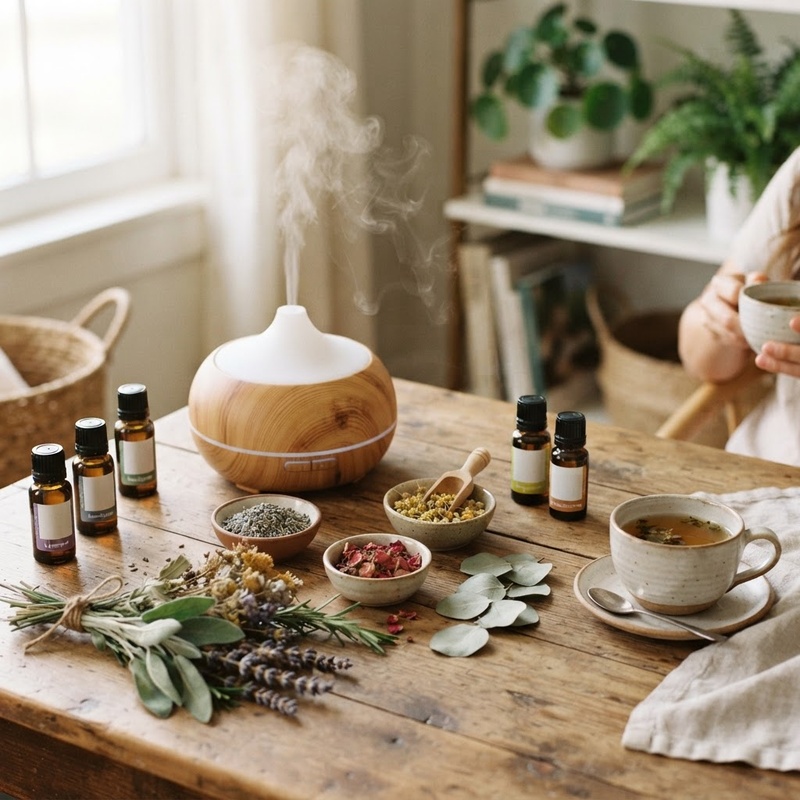
Many women seek holistic approaches to managing hot flashes — methods that address the whole person rather than just the symptom. These approaches combine lifestyle, nutrition, mind-body practices, and natural remedies to support the body through the transition.
Many women seek holistic approaches to managing hot flashes — methods that address the whole person rather than just the symptom. These approaches combine lifestyle, nutrition, mind-body practices, and natural remedies to support the body through the transition.
Mind-Body Practices
Yoga combines physical movement, breathing exercises, and meditation, all of which can help reduce the frequency and intensity of hot flashes. Studies have shown that regular yoga practice can decrease hot flash frequency and improve overall quality of life during menopause.
Meditation and mindfulness practices help calm the nervous system and reduce stress, a known hot flash trigger. Even ten minutes of daily meditation can lower cortisol levels and improve your body's ability to regulate temperature.
Acupuncture has been studied for hot flash relief with promising results. Some women find that regular acupuncture sessions reduce both the frequency and intensity of hot flashes. While the evidence is mixed, many women report meaningful benefits.
Herbal Remedies
Black cohosh is one of the most widely studied herbs for menopause symptoms. Some studies suggest it may help reduce hot flashes, though results are mixed. It should be used under healthcare provider guidance, as it can interact with certain medications.
Evening primrose oil contains gamma-linolenic acid, an omega-6 fatty acid that may help with hormonal balance. Some women find it reduces hot flash severity, though scientific evidence is limited.
Red clover contains isoflavones — phytoestrogens that may help reduce hot flashes. Maca root, an adaptogenic herb, has also been used traditionally for menopause symptoms. Always discuss herbal remedies with a healthcare provider before use.
Nutritional Approaches
A whole-foods diet rich in vegetables, fruits, whole grains, and lean proteins provides the nutrients your body needs to support hormonal balance. Emphasize anti-inflammatory foods like leafy greens, berries, fatty fish, and nuts.
Phytoestrogen-rich foods — soy products, flaxseeds, and legumes — contain plant compounds that may help fill the gap left by declining estrogen. Incorporating these regularly may reduce hot flash frequency for some women.
Limiting trigger foods — caffeine, alcohol, spicy foods, and refined sugar — can reduce the frequency of hot flashes. Hydration is essential; aim for at least eight glasses of water per day.
Lifestyle and Environmental Adjustments
Regular exercise — including both cardiovascular activity and strength training — supports overall health and may reduce hot flash frequency. Exercise also improves mood, sleep, and stress management.
Creating a cool living environment is essential. Use fans, set the thermostat lower, and choose breathable fabrics for clothing and bedding. These environmental adjustments can reduce the number and intensity of hot flashes.
Prioritizing sleep is a holistic approach in itself. Poor sleep worsens every other symptom, while good sleep supports your body's ability to regulate temperature and manage stress. Establish consistent sleep hygiene practices.
When to Talk to a Healthcare Provider
Holistic approaches can be powerful tools for managing hot flashes. Visit EOS Health to connect with a clinician who can help you develop a comprehensive, personalized plan.
Glossary
Holistic Remedies: Approaches that address the whole person — body, mind, and lifestyle — rather than just treating individual symptoms.
Black Cohosh: An herb widely studied for menopause symptom relief. Some evidence suggests it may reduce hot flashes, though results are mixed.
Phytoestrogens: Plant compounds with mild estrogen-like effects found in soy, flaxseeds, and red clover that may help reduce hot flashes.
Mindfulness-Based Stress Reduction: A structured program combining meditation and yoga that has been shown to reduce hot flash severity.
Sources
faq
Common questions, answered.
Do holistic remedies work for hot flashes?
Many women find holistic approaches helpful for reducing hot flash frequency and intensity. Results vary from person to person, and a combination of approaches often works best. Always discuss herbal remedies with a healthcare provider.
What is the best herb for hot flashes?
Black cohosh is the most widely studied herb for hot flashes, with some evidence of benefit. Red clover, evening primrose oil, and maca root are also commonly used. Effectiveness varies, and herbs can interact with medications.
Does acupuncture help with hot flashes?
Some studies suggest acupuncture can reduce hot flash frequency and intensity. While the evidence is mixed, many women report meaningful benefits. It is worth trying if you are interested in a non-pharmacological approach.
Can yoga reduce hot flashes?
Yes, studies have shown that regular yoga practice can decrease hot flash frequency and improve quality of life during menopause. Yoga combines movement, breathing, and meditation, all of which support symptom management.
What foods help with hot flashes holistically?
A whole-foods diet rich in vegetables, fruits, whole grains, and phytoestrogen-containing foods like soy and flaxseeds may help. Anti-inflammatory foods and adequate hydration also support the body through the transition.
Are natural remedies safer than HRT for hot flashes?
Natural remedies generally have fewer side effects than HRT, but they are also typically less effective. The choice depends on your individual symptoms, health history, and preferences. Discuss all options with a healthcare provider.
Can meditation really reduce hot flashes?
Studies show that mindfulness-based stress reduction can reduce the severity of hot flashes. Meditation lowers stress hormones that trigger hot flashes and helps you cope with them more effectively when they do occur.
Should I try multiple holistic approaches at once?
A combination of approaches — diet, exercise, stress management, and herbal remedies — often provides the most benefit. However, introduce changes gradually so you can identify what works best for you.
You deserve to feel this way.™
Start free consultationwhat are you waiting for?
You're one click away from a new you.
Fill out our brief form and a licensed physician will evaluate which treatment plan is best for you.