How Contrast Therapy Affects Muscle Recovery and Blood Flow
Discover how contrast therapy influences blood flow and muscle recovery. Explore the physiological science of alternating thermal hydrotherapy for post-workout.
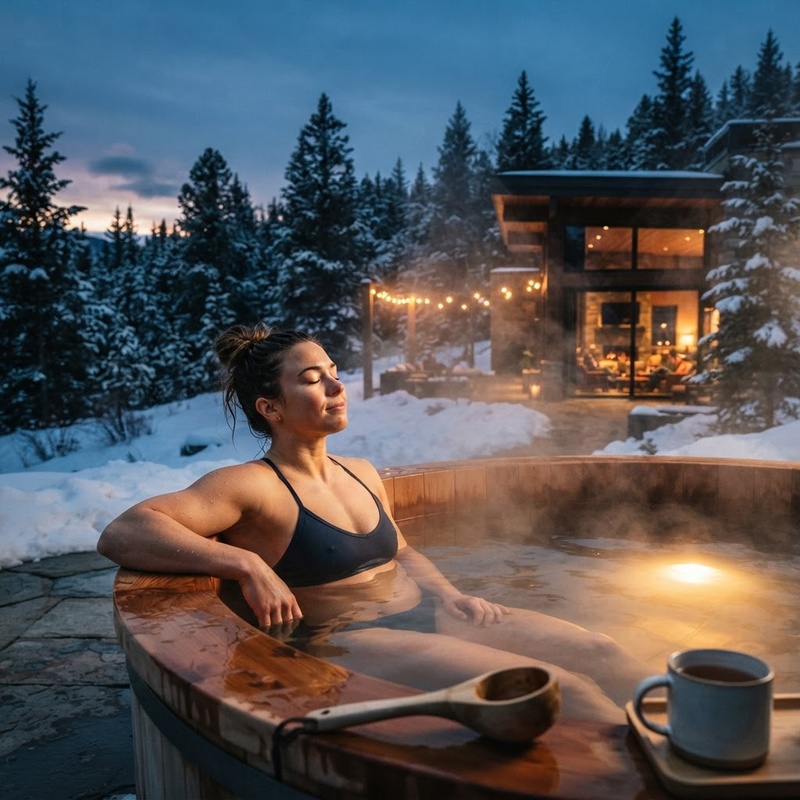
For centuries, traditional recovery practices around the world have drawn upon thermal modalities to revitalize the physical body, encourage muscle relaxation, and support overall vitality. In modern athletic performance and wellness circles, contrast therapy—also referred to as contrast water therapy or alternating hot and cold hydrotherapy—has emerged as a widely studied protocol for post-exercise restoration. By systematically cycling between warm immersion and cool immersion, contrast therapy interacts with the cardiovascular and musculoskeletal systems in ways that differ significantly from static ice baths or sauna sessions alone.
For centuries, traditional recovery practices around the world have drawn upon thermal modalities to revitalize the physical body, encourage muscle relaxation, and support overall vitality. In modern athletic performance and wellness circles, contrast therapy—also referred to as contrast water therapy or alternating hot and cold hydrotherapy—has emerged as a widely studied protocol for post-exercise restoration. By systematically cycling between warm immersion and cool immersion, contrast therapy interacts with the cardiovascular and musculoskeletal systems in ways that differ significantly from static ice baths or sauna sessions alone.
Understanding the physiological mechanics of alternating thermal immersion helps explain why sports medicine specialists, physical therapists, and wellness practitioners frequently incorporate contrast hydrotherapy into comprehensive recovery routines. While transitioning between warmth and chill offers an immediate sensory boost, the deeper physiological effects involve dynamic changes in peripheral circulation, lymphatic movement, and sensory nerve transmission. At EOS Health, we aim to translate complex physiological research into practical guidance. In this clinical post, we break down how contrast therapy acts upon vascular tone and localized blood flow, discuss current scientific research regarding muscle soreness, and share key considerations for incorporating hydrotherapy safely into your physical health strategy.
The Vascular Pump: Vasoconstriction and Vasodilation Explained
The core mechanism underpinning contrast therapy is the active, rhythmic modulation of blood vessel diameter throughout superficial and muscular tissues. Human blood vessels possess a remarkable ability to adjust their caliber in response to ambient temperatures, autonomic nervous system signals, and local tissue signals. When the body encounters hot and cold water sequentially, two fundamental vascular phenomena are triggered: vasoconstriction and vasodilation.
Cold Water Exposure and Peripheral Vasoconstriction
When skin and subcutaneous tissues are submerged in cold water, cutaneous thermoreceptors transmit rapid impulses to the central nervous system. This immediately activates a sympathetic nervous response that causes smooth muscle fibers in peripheral blood vessel walls to contract—a process known as vasoconstriction. This narrowing of peripheral capillaries and arterioles serves several physiological functions:
- Decreased Localized Blood Volume: By temporarily reducing microvascular blood volume in active muscle groups, cold immersion helps limit excess fluid accumulation within tissues following strenuous exertion.
- Central Hemodynamic Shift: Blood is directed inward toward core organs, preserving central blood volume and core thermal regulation.
- Reduced Local Metabolic Demand: Cooling peripheral tissue slows cellular metabolic rates, helping limit secondary metabolic stress in exercise-fatigued tissue.
Warm Water Exposure and Vasodilation
Following cold immersion, transitioning into warm water prompts an opposite circulatory response. As local tissue temperature rises, sympathetic vasoconstrictive signals diminish, and local vascular smooth muscle relaxes. This widening of blood vessels—known as vasodilation—produces a significant surge in localized blood flow (hyperemia):
- Enhanced Oxygen and Nutrient Transport: Increased circulatory velocity brings fresh oxygen, glucose, amino acids, and micronutrients directly to regenerating muscular structures.
- Clearance of Metabolic Byproducts: Accelerated microcirculatory flow facilitates the systematic removal of metabolic waste products generated during intensive physical activity.
- Musculoskeletal Softening: Elevated tissue temperature enhances collagen elasticity, easing joint stiffness and encouraging structural muscle relaxation.
The Microcirculatory "Pumping" Effect
By alternating systematically between cold and hot water baths, the vascular system experiences repeating waves of vasoconstriction and vasodilation. Unlike static cold water immersion—which causes prolonged vascular constriction—or static heat immersion—which leads to sustained vasodilation—contrast hydrotherapy keeps the vascular smooth muscle actively flexing and relaxing. Researchers often compare this action to a mechanical "vascular pump" that encourages microcirculatory flushing and supports tissue fluid dynamics without over-cooling or over-heating the body.
Impact on Delayed Onset Muscle Soreness (DOMS) and Perceived Recovery
Delayed onset muscle soreness (DOMS) remains one of the most common physical challenges following intense, eccentric, or unaccustomed athletic training. Characterized by muscular stiffness, tenderness, and localized discomfort, DOMS typically emerges 12 to 24 hours post-workout and reaches peak intensity between 24 and 72 hours. DOMS originates from micro-level structural disruptions within muscle fibers, accompanied by localized inflammatory cascades and cellular fluid shifts.
Subjective Soreness vs. Objective Biomarkers
Numerous clinical trials and meta-analyses have evaluated the efficacy of contrast water therapy for post-exercise recovery, evaluating both subjective reports and objective clinical indicators:
- Perceived Muscle Soreness: Systematic reviews consistently show that athletes utilizing contrast water therapy report significantly lower levels of subjective muscle soreness and lower ratings of perceived exertion compared to passive rest alone.
- Systemic Biomarkers: When measuring objective markers of muscle fiber strain—such as circulating creatine kinase (CK) or blood lactate levels—studies demonstrate variable results. While contrast therapy assists in metabolic clearing immediately following exertion, systemic blood markers of muscle strain return to baseline at rates comparable to other active recovery protocols.
These findings indicate that while contrast hydrotherapy offers substantial perceptual relief and restores subjective feelings of readiness, its primary benefit stems from sensory modulation, improved microvascular circulation, and reduced muscle tension rather than instant cellular structural repair.
Neuromuscular Sensory Modulation
The intense thermal shifts during contrast immersion stimulate cutaneous sensory nerves, sending high-frequency temperature signals to the spinal cord. According to the gate control theory of pain sensory transmission, these rapid non-painful thermal inputs can inhibit or dampen discomfort signals originating from fatigued muscle tissue. Consequently, contrast hydrotherapy can help ease localized tension and foster an overall sense of physical revitalization.
Inflammatory Signaling and Thermal Stress Adaptation
Post-exercise inflammation is a natural and necessary biological process that drives tissue adaptation and strength development. Effective recovery strategies aim to support healthy tissue clearance and fluid balance while honoring the body's natural adaptive signaling mechanisms.
Lymphatic Circulation and Interstitial Fluid Dynamics
Unlike the cardiovascular system, which relies on the heart as a central pressure pump, the lymphatic system relies on skeletal muscle contractions, passive motion, and hydrostatic pressure changes to propel lymphatic fluid through vessel networks. Following intense exercise, minor micro-trauma and metabolic accumulation can lead to mild swelling within skeletal muscle compartments.
The cyclic hydrostatic compression and temperature shifts provided by contrast water immersion encourage lymphatic vessel drainage. Assisting the movement of interstitial fluid back into central lymphatic channels helps alleviate feelings of heavy, tight, or swollen limbs post-training.
Hormetic Cellular Responses and Protein Signaling
Thermal contrast introduces mild, controlled biological stress—a concept known in longevity science as hormesis. Exposure to warm temperatures triggers the activation of heat shock proteins (HSPs), which act as molecular chaperones to protect cellular proteins and support structural maintenance. Simultaneously, brief cold exposure activates cold-stress signaling pathways and transient neuroendocrine responses that support focus and thermal tolerance. Controlled thermal alternation engages these adaptive pathways in a safe, time-bound setting.
Practical Protocols and Safety Guidelines for Contrast Hydrotherapy
To maximize potential benefits and maintain safety, contrast water therapy should follow structured time and temperature parameters. While individual requirements vary based on training intensity and baseline health, standard clinical guidelines offer clear foundational protocols.
Standard Temperature and Timing Ratios
A typical contrast water therapy session involves alternating between adjacent hydrotherapy tubs or specialized contrast units according to these evidence-based parameters:
- Warm Water Phase: Water temperature maintained between 98°F and 104°F (37°C to 40°C) for 3 to 4 minutes.
- Cold Water Phase: Water temperature maintained between 50°F and 59°F (10°C to 15°C) for 1 to 2 minutes.
- Cycle Duration: Repeat the transition for 3 to 5 total cycles.
- Ending Protocol: Most recovery protocols recommend concluding with a cold immersion phase to encourage peripheral vascular tone and minimize lingering localized heat.
- Total Session Time: Sessions generally last between 15 and 20 minutes in total.
Important Safety Considerations and Medical Consultation
Although contrast hydrotherapy is well-tolerated by most active adults, alternating rapid temperature shifts places temporary demand on the cardiovascular system. Rapid vasoconstriction and vasodilation alter peripheral vascular resistance and central cardiac load. Therefore, precautions should be noted:
- Cardiovascular Health Conditions: Individuals with hypertension, cardiac arrhythmias, peripheral vascular disease, or Raynaud's phenomenon should consult a physician prior to thermal hydrotherapy.
- Sensory Deficits: Those with peripheral neuropathy or altered skin sensation must exercise caution to avoid thermal skin stress.
- Acute Traumatic Injuries: Fresh open injuries or acute tissue tears require direct clinical evaluation rather than general hydrotherapy immersion.
Integrating Contrast Hydrotherapy into a Holistically Balanced Routine
Contrast therapy works most effectively when integrated into a comprehensive health and recovery strategy. Physical recovery is a multi-dimensional process that cannot be achieved through thermal modalities alone. Foundational elements—such as consistent restful sleep, tailored nutrition, proper post-workout hydration, and progressive training design—remain the cornerstone of physical longevity.
When used alongside these core habits, contrast water therapy provides a valuable, refreshing tool to manage post-exercise stiffness, stimulate microvascular blood flow, and support your ongoing fitness journey. Paying close attention to how your body responds allows you to tailor hydrotherapy frequency and timing to your personal wellness goals.
Exploring Tailored Repair and Longevity Options with EOS Health
Achieving sustainable physical health and athletic vitality requires a nuanced, individualized approach tailored to your specific physiological profile. At EOS Health, our clinical team blends advanced diagnostic insights with evidence-based medical strategies to help you optimize recovery, movement, and overall long-term wellness.
Whether you are seeking guidance on structured post-exercise recovery, physical optimization, or comprehensive health evaluations, consulting with a medical professional ensures your protocol is safe, targeted, and aligned with your goals. We invite you to learn more about our specialized approach by visiting our Repair & Recovery program today.
Vasoconstriction
The narrowing of blood vessels caused by the contraction of vascular smooth muscle, which reduces localized peripheral blood flow.
Vasodilation
The widening of blood vessels resulting from the relaxation of vascular smooth muscle, leading to increased localized microcirculatory blood flow.
Hydrotherapy
The therapeutic application of water in various forms and temperatures to support physical relaxation, circulatory motion, and tissue recovery.
Delayed Onset Muscle Soreness (DOMS)
Muscular stiffness, tenderness, and discomfort that typically develops 12 to 24 hours post-exercise and peaks between 24 and 72 hours.
Microcirculation
The flow of blood through the smallest blood vessels in the body, including arterioles, capillaries, and venules, facilitating nutrient and oxygen exchange.
Sources
faq
Common questions, answered.
What is contrast therapy?
Contrast therapy is a specialized recovery modality that involves systematically alternating between warm water (or heat exposure) and cold water immersion. This thermal shift triggers repeating cycles of vasodilation and vasoconstriction, encouraging localized blood flow and muscle relaxation.
How does contrast therapy differ from traditional cold plunging?
Unlike cold plunging, which involves sustained cold exposure to lower tissue temperature and reduce sensory transmission, contrast therapy continuously alternates between heat and cold. This alternating pattern creates a vascular pumping effect rather than sustained vasoconstriction.
What are the recommended water temperatures for contrast therapy?
Standard protocols typically utilize warm water between 98°F and 104°F (37°C to 40°C) and cold water between 50°F and 59°F (10°C to 15°C). Keeping water within these ranges provides a clear thermal stimulus while maintaining safety and comfort.
How often can contrast water therapy be performed?
Many active adults utilize contrast water therapy 2 to 4 times per week following strenuous exercise sessions. The optimal frequency depends on your overall training load, personal health status, and individual recovery responses.
Does research indicate contrast therapy helps with muscle soreness?
Yes, clinical studies indicate that contrast water therapy significantly improves subjective ratings of muscle soreness and perceived muscle fatigue after heavy physical exertion, helping athletes feel more comfortable during training cycles.
Can contrast therapy improve localized blood flow?
Alternating between warm and cold immersion induces repeated expansion and narrowing of blood vessels. This cyclic movement stimulates localized microcirculation and blood circulation during and immediately after the hydrotherapy session.
Is contrast therapy suitable for individuals with high blood pressure?
Because alternating thermal immersion causes shifts in peripheral resistance and blood pressure, individuals with hypertension or other cardiovascular conditions should consult a licensed clinician before attempting contrast hydrotherapy.
When should contrast therapy be scheduled after a workout?
Contrast water therapy is typically performed within 30 to 60 minutes following the completion of an intense workout session to assist with cooling down, easing muscle tightness, and promoting physical relaxation.
Invest in the years ahead.™
Start free consultationwhat are you waiting for?
You're one click away from a new you.
Fill out our brief form and a licensed physician will evaluate which treatment plan is best for you.