How Hydration and Moisture Barrier Health Support Soft, Supple Skin
Explore the science of skin hydration, transepidermal water loss, and moisture barrier health. Learn how humectants and emollients keep dry skin hydrated.
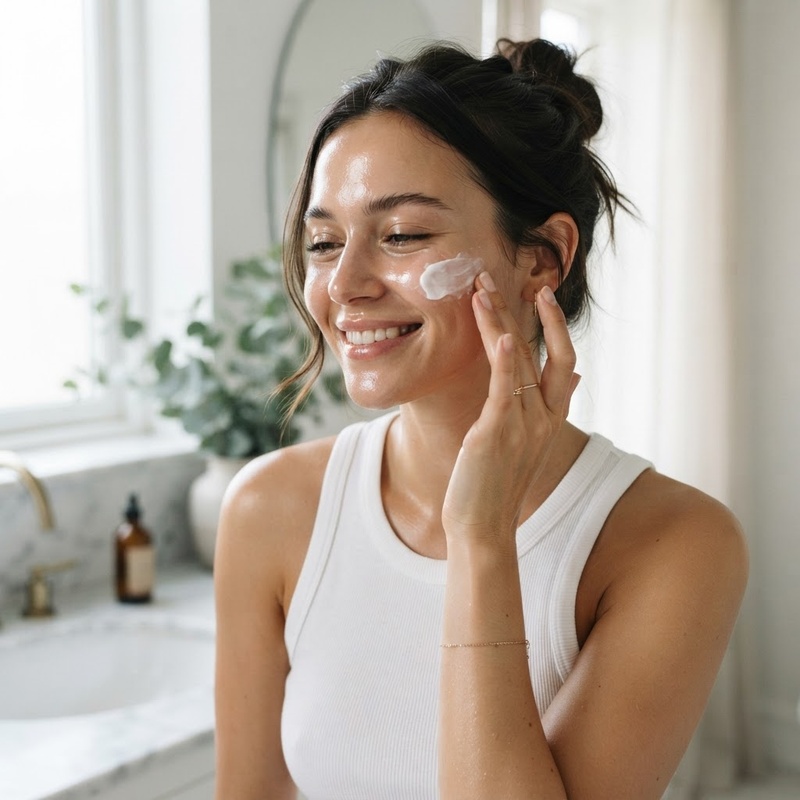
Maintaining soft, supple, and resilient skin requires an understanding of the complex biological ecosystem that resides within the outermost layer of the epidermis. Skin hydration is far more than a cosmetic concern; it is a fundamental aspect of cutaneous health. When skin lacks sufficient water content, it can appear dull, feel tight, flake, or exhibit heightened sensitivity. To effectively address persistent dryness, it is essential to look beneath the surface and examine the critical interaction between cellular hydration and the skin's natural moisture barrier.
Maintaining soft, supple, and resilient skin requires an understanding of the complex biological ecosystem that resides within the outermost layer of the epidermis. Skin hydration is far more than a cosmetic concern; it is a fundamental aspect of cutaneous health. When skin lacks sufficient water content, it can appear dull, feel tight, flake, or exhibit heightened sensitivity. To effectively address persistent dryness, it is essential to look beneath the surface and examine the critical interaction between cellular hydration and the skin's natural moisture barrier.
At the center of skin hydration lies a physiological phenomenon known as transepidermal water loss (TEWL)—the passive evaporation of water from the internal layers of the body through the epidermis into the atmosphere. Under healthy conditions, the skin maintains a sophisticated protective barrier designed to minimize excessive water loss while keeping environmental irritants out. However, when this barrier becomes compromised by external stressors, age-related changes, or inappropriate topical habits, moisture escapes rapidly, leading to dry, uncomfortable skin. In this comprehensive guide, research and clinical perspectives illustrate how understanding stratum corneum biology, humectants, emollients, and occlusives can support long-term moisture barrier health.
Understanding the Stratum Corneum: Your Skin's Protective Shield
To appreciate how the skin retains moisture, one must first examine the anatomical structure of the stratum corneum—the outermost layer of the epidermis. Often described by dermatological researchers using the "brick-and-mortar" structural model, the stratum corneum serves as the body's frontline defense against dehydration and environmental insult.
In this classic biological model, the "bricks" represent corneocytes, which are flattened, non-viable keratinocytes densely packed with keratin proteins and water-binding compounds. The "mortar" consists of a specialized intercellular lipid matrix that surrounds these corneocytes. This extracellular matrix is composed primarily of three key lipid classes: ceramides (approximately 50% by weight), cholesterol (about 25%), and free fatty acids (about 15%). When organized in precise lamellar sheets, these lipids form a continuous hydrophobic seal that restricts the movement of water out of the tissue and helps protect against external pathogens entering.
Corneocytes and the Intercellular Matrix
Corneocytes originate from living keratinocytes in the deeper basal layer of the epidermis. As keratinocytes differentiate and migrate toward the skin surface during the epidermal renewal cycle, they gradually lose their nuclei and organelles, undergoing a specialized form of cellular maturation. During this process, they develop a highly resistant protein envelope known as the cornified envelope, which provides structural rigidity. Surrounding these cells, specialized organelle structures called lamellar bodies secrete lipids into the extracellular space, forging the protective lipid bilayer that seals the spaces between corneocytes.
Natural Moisturizing Factors (NMF)
Inside each corneocyte lies a critical collection of water-soluble, highly hygroscopic molecules known collectively as Natural Moisturizing Factor (NMF). NMF comprises approximately 20% to 30% of the dry weight of the stratum corneum. These molecules are derived primarily from the enzymatic breakdown of filaggrin, a structural protein involved in epidermal differentiation. Key components of NMF include:
- Free Amino Acids: Constituting over 40% of NMF, these amino acids absorb water from the surrounding atmosphere and deep epidermal layers.
- Pyrrolidone Carboxylic Acid (PCA): A potent natural humectant that maintains skin flexibility and elasticity.
- Lactate and Urea: Highly effective natural moisturizing agents that regulate intracellular osmotic pressure and support enzymatic exfoliation.
- Inorganic Ions: Ions such as sodium, potassium, calcium, and chloride that stabilize NMF components and support enzymatic processes.
When NMF levels are abundant and the lipid matrix remains intact, the stratum corneum stays naturally hydrated, pliable, and smooth. Conversely, a reduction in NMF leads to stiff, brittle corneocytes that flake easily, resulting in the visible and physical characteristics of dry skin.
Transepidermal Water Loss (TEWL): Causes and Mechanisms
Transepidermal water loss is a continuous, natural physiological process. Under normal conditions, healthy human skin loses a small, controlled volume of water every day through passive diffusion. However, when the structural integrity of either the corneocytes or the intercellular lipid matrix is disrupted, TEWL accelerates significantly, drawing moisture out of deep dermal reservoirs faster than it can be replenished.
Elevated TEWL creates a cascading state of cutaneous dehydration. As moisture levels within the stratum corneum drop below 10%, essential enzymatic pathways involved in normal desquamation (the natural shedding of dead skin cells) become impaired. Instead of shedding invisibly as individual cells, corneocytes stick together in clumps, manifesting visibly as dry patches, scaling, rough texture, and fine surface lines.
External Triggers of Accelerated Evaporation
Numerous environmental and lifestyle factors contribute to elevated TEWL and barrier breakdown:
- Low Atmospheric Humidity: Cold winter air and dry indoor heating systems create a steep humidity gradient between the body and the environment, pulling water directly from the skin surface.
- Harsh Surfactants and Cleansers: Soaps and strong synthetic surfactants can strip away essential surface lipids and alter the skin's natural acidic pH (the acid mantle), destabilizing the lipid bilayers.
- Excessive Exfoliation: Overuse of physical scrubs or high-concentration chemical acids can erode outer corneocytes faster than the basal layer can regenerate them.
- Ultraviolet (UV) Radiation: Chronic sun exposure induces oxidative stress, disrupts lipid synthesis, and damages cellular membranes within the epidermis.
Internal and Physiological Factors
Internal biological mechanisms also influence moisture retention and barrier repair capabilities. As part of natural physiological maturation, endogenous synthesis of ceramides and natural lipid molecules gradually decreases, leading to diminished barrier efficacy in older adults. Additionally, hormonal fluctuations, psychological stress, dietary deficiencies in essential fatty acids, and individual genetic variations in filaggrin synthesis can alter barrier stability. Studies indicate that individuals with altered filaggrin production experience elevated baseline TEWL and heightened susceptibility to cutaneous dryness.
The Holy Trinity of Topical Hydration: Humectants, Emollients, and Occlusives
Formulating or selecting an effective skincare routine to support dry skin requires understanding the three primary categories of moisturizing ingredients: humectants, emollients, and occlusives. Each category performs a distinct biological function, and clinical consensus highlights that optimal hydration is best achieved when all three work synergistically.
Humectants: Binding Water to the Epidermis
Humectants are hydrophilic (water-attracting) compounds designed to draw water molecules into the stratum corneum. They pull moisture from the water-rich dermal layers below, as well as from ambient air when humidity levels are sufficient (typically above 70%). Key humectants include:
- Hyaluronic Acid (HA): A glycosaminoglycan naturally present in human connective tissue capable of binding up to 1,000 times its weight in water. Multi-molecular-weight formulations combine low-molecular-weight HA (which penetrates deeper epidermal layers) with high-molecular-weight HA (which creates a hydrating film on the surface).
- Glycerin (Glycerol): A naturally occurring trihydroxy alcohol that penetrates easily into corneocytes, restoring NMF levels, boosting hydration, and facilitating lipid membrane fluidity.
- Sodium PCA and Panthenol (Pro-Vitamin B5): Exceptional hydrating agents that soothe skin while increasing moisture binding capacity and supporting natural tissue repair.
- Polyglutamic Acid: A peptide polymer that holds up to four times more water than hyaluronic acid, forming a smooth hydrating film over the epidermal surface.
Emollients: Smoothing Intercellular Gaps
While humectants supply water, emollients fill the microscopic gaps and spaces between desquamating corneocytes. Dry skin frequently presents with microscopic cracks and uneven lipid distribution. Emollients slip into these micro-fissures, instantly smoothing rough edges and restoring a soft, supple feel to the skin surface. Furthermore, many emollients provide bio-identical lipids that support the skin's natural matrix repair process:
- Bio-Identical Ceramides: Topical formulations containing ceramides NP, AP, and EOP help replenish missing lipids within the intercellular matrix, supporting structural alignment.
- Squalane: A stable, non-comedogenic hydrogenated derivative of squalene (a natural component of human sebum) that mimics natural skin lipids without clogging pores.
- Plant Oils and Fatty Acids: Oils derived from jojoba, rosehip, argan, and sunflower seeds contain essential linoleic and oleic fatty acids that nourish lipid-depleted skin.
Occlusives: Sealing in Moisture
Occlusives form a hydrophobic barrier over the stratum corneum to physically block water from evaporating into the air. By creating a physical shield, occlusives drastically reduce TEWL, giving the underlying skin layers time to rehydrate and repair damaged lipid structures:
| Occlusive Ingredient | Primary Mechanism | TEWL Reduction Capacity | Best Suited For |
|---|---|---|---|
| Petrolatum (Petroleum Jelly) | Creates an impenetrable hydrophobic layer on the skin surface | Up to 98% reduction in TEWL | Extremely dry patches, nocturnal recovery, compromised skin |
| Dimethicone (Silicone Polymer) | Forms a breathable, silky protective film without heavy greasiness | 20% - 30% reduction in TEWL | Daytime moisturizers, sensitive skin, combination dry skin |
| Shea Butter & Plant Waxes | Combines emollient fatty acids with physical occlusive properties | 30% - 50% reduction in TEWL | Rich cream formulations, body lotions, daily winter protection |
| Lanolin | Emulates natural sebum lipid compositions for intense moisture locking | 50% - 70% reduction in TEWL | Chapped lips, cracked heels, severely dehydrated areas |
Designing a Barrier-Supportive Skincare Routine
Translating the science of stratum corneum hydration into everyday practice involves establishing a consistent, non-stripping skincare routine. A thoughtful approach balances gentle cleansing with strategic layering of hydrating ingredients.
Cleansing Without Stripping
The foundation of barrier preservation is gentle cleansing. Traditional alkaline soaps can raise the skin's pH from its normal acidic range (around 4.5 to 5.5) up to 8.0 or higher. This pH elevation disrupts optimal acid mantle function, destabilizes intercellular lipids, and impairs natural enzymatic processes. To support barrier integrity, consider the following cleansing guidelines:
- Select pH-balanced, non-foaming, cream- or milk-based cleansers formulated with gentle synthetic detergents (syndets).
- Avoid excessively hot water, which dissolves natural surface lipids; opt instead for lukewarm water.
- Cleanse gently using fingertips rather than harsh washcloths or abrasive facial brushes.
- Limit cleansing to twice daily—or once daily in the evening for extremely dry or delicate skin types.
Layering Strategy for Maximum Hydration
To maximize the efficacy of topical ingredients, sequence products based on molecular weight and function:
- Damp Application: Immediately after cleansing or bathing, gently pat the skin with a towel, leaving it slightly damp. Applying products to damp skin traps surface water within the stratum corneum.
- Apply Humectant Serums: Apply water-based serums featuring hyaluronic acid, glycerin, or panthenol to damp skin to rapidly increase hydration levels.
- Layer Emollient Creams: Apply a rich moisturizer containing ceramides, squalane, or free fatty acids to fill micro-fissures and nourish the intercellular matrix.
- Seal with Occlusives (As Needed): For severely dry areas or during harsh winter months, seal the routine with an occlusive balm or petrolatum-based product, particularly before sleep.
Sun Protection and Environmental Defense
Daily broad-spectrum ultraviolet (UV) protection remains essential year-round. Solar radiation degrades structural proteins and generates reactive oxygen species that disrupt lipid synthesis within the epidermis. Utilizing broad-spectrum mineral or organic sunscreen formulations enriched with antioxidant compounds (such as Vitamin E or Niacinamide) provides dual protection against UV damage and environmental oxidative stress.
Lifestyle, Internal Hydration, and Holistic Barrier Health
Topical application is only one piece of the barrier health equation. Internal physiological factors and environmental control also play important roles in maintaining skin hydration levels over time.
Dietary Support and Essential Fatty Acids
Nutritional intake supports endogenous lipid production. Essential fatty acids—specifically Omega-3 (found in fatty fish, flaxseeds, and walnuts) and Omega-6 (found in evening primrose oil and seeds)—are vital structural building blocks for cell membranes and epidermal lipids. Research suggests that adequate dietary intake of essential fatty acids helps maintain normal skin barrier function and supports cutaneous comfort.
Environmental Adjustments and Showering Habits
Simple modifications to ambient surroundings and daily routines can reduce environmental water loss:
- Utilize Humidifiers: Placing a cool-mist humidifier in living spaces or bedrooms raises ambient relative humidity to 40%–60%, lowering the steep atmospheric humidity gradient that accelerates TEWL.
- Moderate Water Temperature: Keep bath and shower times under 10 minutes, using lukewarm water rather than hot water.
- Wear Protective Apparel: Protect exposed skin from biting winds and freezing temperatures during winter months using soft, breathable fabrics like cotton or silk layers underneath wool accessories.
When to Consult a Clinical Specialist
While routine dry skin often responds well to barrier-focused topical care, persistent scaling, intense itching, redness, or burning sensations may indicate a significantly compromised barrier state or an underlying dermatological condition such as eczema, psoriasis, or contact dermatitis. In such cases, professional clinical guidance is invaluable.
A qualified healthcare professional or clinical team can conduct a comprehensive assessment of skin barrier status, review medical history, evaluate potential environmental triggers, and recommend tailored guidance or clinical-grade formulations tailored to individual physiological needs.
If you are experiencing persistent skin dryness, discomfort, or wish to explore personalized approaches to cutaneous health, consider consulting with a healthcare professional. Discover how tailored clinical care and science-backed protocols can support your skin journey by visiting EOS Health Skincare Resources.
Stratum Corneum
The outermost layer of the epidermis, consisting of dead corneocyte cells embedded in a specialized lipid matrix, serving as the body's primary protective barrier against water loss and external hazards.
Transepidermal Water Loss (TEWL)
The continuous, passive evaporation of water through the epidermal layers into the surrounding atmosphere, used as a key clinical metric for evaluating skin barrier function.
Humectant
A hydrophilic ingredient that attracts and binds moisture from dermal layers and the ambient environment into the stratum corneum, such as hyaluronic acid or glycerin.
Emollients
Lipophilic ingredients that fill microscopic gaps between corneocytes, smoothing skin surface texture and supplying lipids to support natural matrix integrity.
Occlusives
Ingredients that form a physical, water-impermeable film over the skin surface to seal in hydration and significantly reduce transepidermal water loss.
Ceramides
A family of waxy lipid molecules that constitute approximately 50% of the intercellular lipid matrix in healthy stratum corneum, essential for maintaining barrier structure and moisture retention.
Sources
faq
Common questions, answered.
What is the skin moisture barrier, and why is it important?
The skin moisture barrier refers to the outermost layer of the epidermis, specifically the stratum corneum. Composed of corneocyte cells and a lipid-dense extracellular matrix containing ceramides, cholesterol, and fatty acids, it acts as a protective shield that keeps hydration locked inside the body while keeping environmental irritants, pollutants, and microbes out.
What is transepidermal water loss (TEWL)?
Transepidermal water loss (TEWL) is the passive movement and evaporation of water from the internal layers of the skin through the epidermis into the atmosphere. A healthy barrier keeps TEWL at low, stable levels, whereas a damaged barrier allows water to evaporate rapidly, leading to dehydration and dryness.
What is the difference between dry skin and dehydrated skin?
Dry skin is typically a skin type characterized by insufficient natural lipid and oil production by the sebaceous glands. Dehydrated skin is a temporary condition characterized by a lack of water content within the stratum corneum, which can affect any skin type—including oily or combination skin.
How do humectants, emollients, and occlusives differ?
Humectants (such as hyaluronic acid and glycerin) attract water molecules into the skin. Emollients (such as ceramides and squalane) fill in microscopic spaces between skin cells to smooth texture and repair the lipid matrix. Occlusives (such as petrolatum and dimethicone) create a physical protective seal over the skin to block water evaporation.
Can drinking more water fix dry skin on its own?
While adequate systemic hydration is essential for overall bodily health, drinking extra water alone cannot correct dry skin if the topical moisture barrier is damaged. If the stratum corneum lipid matrix is compromised, moisture supplied from internal tissues will continue to evaporate rapidly into the air through elevated TEWL.
How can I tell if my skin barrier is damaged?
Common indicators of a compromised skin barrier include persistent dryness, flaking, tightness after cleansing, increased sensitivity, redness, stinging when applying mild products, and a rough or uneven skin surface texture.
How long does it typically take to support barrier recovery?
Depending on the extent of barrier disruption and individual cellular turnover rates, supporting barrier integrity with consistent gentle cleansing, humectants, ceramides, and occlusives often shows noticeable improvements within 2 to 4 weeks, aligning with the natural epidermal renewal cycle.
Should I apply moisturizer to damp skin or dry skin?
Applying hydrating serums and moisturizers to slightly damp skin immediately after cleansing or showering helps trap surface water within the stratum corneum, significantly boosting hydration efficacy compared to applying products on completely dry skin.
Great skin starts with the right protocol.™
Start free consultationwhat are you waiting for?
You're one click away from a new you.
Fill out our brief form and a licensed physician will evaluate which treatment plan is best for you.