How Is Sermorelin Taken? Injections, Timing, and What to Expect
Learn how Sermorelin is taken, including subcutaneous injection technique, bedtime administration timing, storage guidelines, and telehealth protocol details.
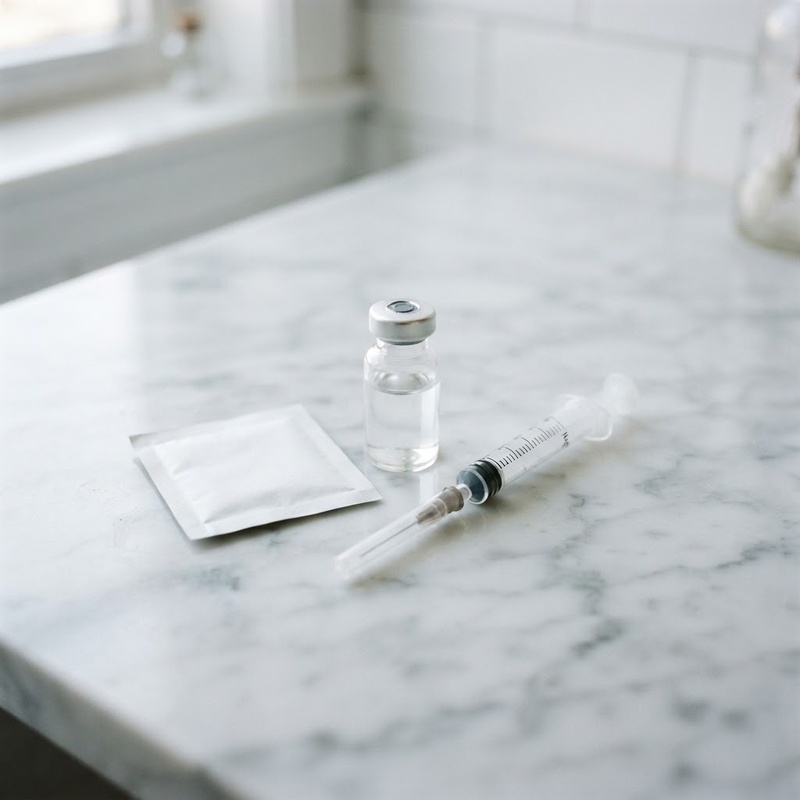
Navigating prescription peptide protocols can feel unfamiliar if you are new to subcutaneous injections or clinician-supervised care. Sermorelin, a synthetic peptide that acts as a growth hormone-releasing hormone (GHRH) analog, is evaluated by licensed healthcare providers within personalized repair and recovery protocols.
Navigating prescription peptide protocols can feel unfamiliar if you are new to subcutaneous injections or clinician-supervised care. Sermorelin, a synthetic peptide that acts as a growth hormone-releasing hormone (GHRH) analog, is evaluated by licensed healthcare providers within personalized repair and recovery protocols. Because Sermorelin requires precise handling, proper administration, and careful timing, understanding the step-by-step process helps patients follow their clinician's guidance safely and effectively.
In this guide, the EOS Health Clinical Team outlines how Sermorelin is typically administered, why specific administration times are commonly recommended in medical practice, how to store and handle the medication properly, and what the complete telehealth journey looks like from initial evaluation to home delivery. As a prescription-only therapy, Sermorelin must always be used under the direct oversight of a qualified medical professional.
Understanding Sermorelin and Its Role in Clinical Care
Sermorelin is a synthetic peptide composed of 29 amino acids that corresponds to the active amino acid sequence of naturally occurring growth hormone-releasing hormone (GHRH). In human physiology, GHRH is produced by the hypothalamus and signals the pituitary gland to release endogenous growth hormone. As a GHRH analog, Sermorelin binds to specific GHRH receptors on pituitary somatotropes, prompting the gland's physiological secretion mechanisms. Unlike direct hormone replacement therapies, Sermorelin functions as a secretagogue, encouraging the body's natural signaling pathways under clinician supervision.
Clinical literature notes that peptide therapies like Sermorelin are evaluated for individuals seeking to support general vitality, wellness, and healthy aging pathways. However, individual physiological responses vary significantly based on baseline health, metabolic factors, lifestyle, and adherence to medical guidance. Sermorelin is not a cure for any medical condition, nor does it guarantee specific outcomes such as energy enhancement or physical body composition changes. Furthermore, compounded medications prescribed through telehealth platforms are not FDA-approved drugs; they are prepared by licensed compounding pharmacies pursuant to an individualized prescription from a licensed healthcare provider.
The Secretagogue Signaling Cascade
To appreciate why administration details matter, it is helpful to examine how secretagogues interact with pituitary receptors. When Sermorelin is introduced subcutaneously, it enters local capillary beds and circulates to pituitary tissue. Receptors on pituitary cells recognize the GHRH analog structure, triggering an intracellular signaling cascade that prompts the release of stored growth hormone. Because pituitary feedback loops remain intact, the body continues to regulate hormone output through natural somatostatin inhibition. This bio-identical signaling mechanism is a primary reason clinicians emphasize following exact dosing schedules to align with your body's innate circadian rhythms.
Subcutaneous Injections: Technique and Best Practices
Sermorelin is administered via subcutaneous injection—meaning the medication is delivered into the fatty tissue layer situated just beneath the skin rather than deep into muscle tissue. Subcutaneous injections are commonly prescribed for peptide protocols because fatty tissue provides a slow, consistent rate of vascular absorption, minimizing rapid concentration spikes in the bloodstream.
Step-by-Step Administration Protocol
When your clinical team prescribes Sermorelin, you will receive detailed instructions on how to perform self-injections safely at home. Following sterile technique and standardized steps reduces the risk of contamination or localized skin irritation:
- Preparation and Hygiene: Wash your hands thoroughly with warm water and antimicrobial soap for at least 20 seconds. Clean a flat work surface with a sanitizing wipe to establish a clean preparation field.
- Inspecting the Solution: Remove the reconstituted Sermorelin vial from refrigeration. Visually inspect the liquid under bright lighting. The solution should appear completely clear and colorless, free of cloudiness, discoloration, or floating particulate matter. If the solution appears cloudy or contains particles, do not use it and contact your prescribing clinic immediately.
- Swabbing the Vial: Wipe the rubber stopper on top of the vial with a fresh 70% isopropyl alcohol pad and allow it to air-dry completely for 10 to 15 seconds. Do not blow on the stopper or touch it after sanitizing.
- Preparing the Syringe: Using the sterile insulin-grade syringe provided by your pharmacy, pull back the plunger to draw air equal to your prescribed liquid dose. Insert the needle vertically through the center of the rubber stopper, invert the vial, and inject the air into the vial to equalize pressure. Slowly pull back the plunger to withdraw your exact prescribed volume. Tap the syringe barrel gently to release any trapped air bubbles back into the vial.
- Cleaning the Injection Site: Select an approved subcutaneous injection site (such as the lower abdomen) and cleanse the skin with a new alcohol swab using a gentle circular motion. Allow the skin to air-dry thoroughly.
- Performing the Injection: Gently pinch a fold of skin between your thumb and forefinger to isolate the subcutaneous tissue layer. Hold the syringe at a 45-degree to 90-degree angle relative to the skin surface. Insert the needle smoothly and depress the plunger at a steady, controlled pace until the full dose is delivered.
- Post-Injection Care: Hold the needle in place for 3 to 5 seconds to ensure complete liquid absorption before withdrawing it at the same angle. Immediately discard the single-use syringe into an FDA-cleared hard plastic sharps disposal container. Never reuse or recap needles.
Administration Timing: Why Evening Dosing Is Frequently Discussed
One of the most frequent topics patients inquire about is why clinicians predominantly recommend administering Sermorelin in the evening, typically 30 to 60 minutes before going to sleep. This timing strategy is rooted in human endocrinology and nocturnal circadian biology.
Aligning with Natural Nocturnal Pulses
Under normal physiological conditions, endogenous growth hormone secretion occurs in rhythmic, pulsatile surges throughout a 24-hour cycle. The largest natural pulse occurs shortly after falling asleep, specifically during deep slow-wave sleep. Clinical research indicates that administering a GHRH analog like Sermorelin shortly before bedtime aligns exogenous receptor stimulation with the body's intrinsic physiological timing, supporting the body's natural nocturnal endocrine signaling pattern.
The Impact of Dietary Factors and Blood Glucose
Another crucial clinical consideration regarding administration timing is the influence of food intake, particularly carbohydrates and high-fat meals. Elevated blood glucose levels and circulating insulin stimulate the secretion of somatostatin—a hypothalamic hormone that inhibits growth hormone release from the pituitary gland.
For this reason, medical guidelines often advise taking Sermorelin on an empty stomach, at least two hours after your last meal or snack. Abstaining from food late in the evening helps maintain baseline blood sugar and insulin levels prior to sleep, creating an optimal metabolic environment for the peptide signaling process under clinician supervision.
Proper Storage, Handling, and Injection-Site Rotation
Like most therapeutic peptides, Sermorelin consists of delicate amino acid chains that are susceptible to environmental degradation if exposed to heat, light, or mechanical agitation. Understanding proper storage and handling protocols ensures medication stability throughout your prescribed treatment course.
Reconstitution and Temperature Controls
Sermorelin is typically shipped from compounding pharmacies as a lyophilized (freeze-dried) powder in a sealed glass vial, accompanied by a separate vial of bacteriostatic water for reconstitution.
- Gentle Mixing Technique: When reconstituting, draw the prescribed volume of bacteriostatic water into a syringe and slowly direct the liquid down the inner glass wall of the powder vial. Gently swirl the vial in smooth circular motions until the powder dissolves completely. Never shake the vial vigorously, as violent mechanical agitation can break delicate peptide bonds.
- Refrigeration Standards: Once reconstituted with bacteriostatic water, Sermorelin MUST be refrigerated continuously at temperatures between 36°F and 46°F (2°C to 8°C). Do not freeze reconstituted medication, and do not leave vials at room temperature for extended periods.
- Shelf Life Awareness: Reconstituted multi-dose vials containing bacteriostatic water generally maintain stability for 28 to 30 days under continuous refrigeration. Always note the date of reconstitution on the vial label and discard any remaining solution after the designated expiration timeframe.
Systematic Injection-Site Rotation
Rotating your injection site with every dose is an essential practice in long-term subcutaneous peptide therapy. Repeatedly injecting medication into the exact same spot can lead to localized tissue trauma, skin irritation, bruising, or lipodystrophy.
Recommended subcutaneous injection sites include:
- Lower Abdomen: The region surrounding the navel is the most common site due to ample subcutaneous fat thickness. Maintain a distance of at least two inches away from the belly button itself, avoiding scars or inflamed skin.
- Anterior Thighs: The upper outer region of the thighs provides an accessible alternative site with consistent fatty tissue coverage.
- Upper Outer Arm: The fatty tissue on the back or outer portion of the upper arm can also be utilized under clinician guidance.
A simple rotation strategy involves dividing your lower abdomen into four virtual quadrants and moving to a new quadrant each evening. Keeping a daily note of your injection locations ensures each site receives several days of rest before being used again.
Following the Prescribed Protocol Exactly
Peptide protocols are highly individualized medical plans formulated by a licensed healthcare provider based on comprehensive health evaluations, laboratory biomarkers, medical history, and personal wellness goals. Adhering strictly to your clinician's written instructions is critical for safety and protocol efficacy.
Patients should never modify their prescribed dose, increase injection frequency, or adjust timing without explicit authorization from their supervising medical professional. Taking more medication than prescribed does not accelerate results and may increase the likelihood of unwanted side effects, such as localized injection site redness, mild water retention, headache, or temporary dizziness. If you miss a scheduled dose, simply resume your regular protocol the following evening; do not double up on doses. Regular follow-up appointments with your prescribing telehealth clinician allow for periodic monitoring of your overall progress, clinical tolerance, and relevant blood work.
The Telehealth Care Journey: From Intake to Prescription Delivery
Modern medical platforms like EOS Health have streamlined access to expert clinical care, allowing patients to consult with licensed medical providers from the comfort and privacy of their homes. If you are considering whether peptide therapy aligns with your health objectives, understanding the step-by-step telehealth consultation workflow provides transparency and peace of mind.
- 1. Online Health Intake Questionnaire: Complete a confidential online health assessment covering your medical history, active prescriptions, supplements, lifestyle habits, and health goals.
- 2. Clinical Review and Diagnostic Testing: A licensed healthcare practitioner evaluates your intake details to determine if Sermorelin therapy is clinically appropriate, ordering routine baseline blood tests if indicated.
- 3. One-on-One Telehealth Consultation: Participate in a detailed virtual consultation with your provider to review diagnostic findings, discuss protocol timelines, and clarify administration guidelines.
- 4. Pharmacy Fulfillment and Home Delivery: If prescribed, your order is custom-prepared by a licensed U.S. compounding pharmacy and shipped directly to your home address.
- 5. Ongoing Clinical Support: Receive continuous access to medical support for any questions regarding reconstitution, administration technique, or symptom tracking throughout your protocol.
Exploring Personalized Repair and Recovery Options
Whether you are seeking to support active recovery routines, maintain healthy metabolic signaling, or optimize your long-term wellness strategy, clinical guidance is the foundation of safe peptide therapy. By working closely with experienced medical providers, you can ensure that every aspect of your protocol—from injection mechanics to bedtime timing—is tailored to your unique biological needs.
Growth Hormone-Releasing Hormone (GHRH) Analog
A synthetic compound designed to mimic the biological structure and receptor-binding action of endogenous GHRH, signaling the pituitary gland to release growth hormone.
Subcutaneous Injection
A medical method of delivering medication into the fatty tissue layer situated directly beneath the epidermis and dermis skin layers.
Reconstitution
The process of restoring a lyophilized (freeze-dried) powder medication into a liquid solution by adding a sterile diluent, such as bacteriostatic water.
Somatostatin
A naturally occurring peptide hormone produced in the hypothalamus that inhibits the secretion of growth hormone and thyroid-stimulating hormone from the pituitary gland.
Injection-Site Rotation
The clinical practice of changing the location of subcutaneous injections with each dose to prevent tissue irritation, localized scarring, or lipodystrophy.
Sources
faq
Common questions, answered.
How long does a typical Sermorelin injection take to perform?
Once your workspace and materials are prepared, performing the subcutaneous injection takes less than two minutes. Taking time to follow proper hygiene and sterile site preparation ensures a smooth, comfortable experience.
Is a Sermorelin injection painful?
Most patients report minimal discomfort during subcutaneous injections. The needles used are very thin insulin-grade needles designed to slide easily into fatty tissue under the skin rather than deep muscle.
What should I do if I forget to take my Sermorelin at bedtime?
If you forget your evening dose, simply skip that dose and resume your regular administration schedule the following night at bedtime. Never administer a double dose to compensate for a missed application.
Can Sermorelin be taken with food or drinks?
Clinicians generally recommend taking Sermorelin at least two hours after eating or consuming high-calorie beverages. Carbohydrates and sugars raise blood glucose and insulin levels, which can stimulate somatostatin and interfere with secretagogue signaling.
How long can reconstituted Sermorelin remain in the refrigerator?
Once reconstituted with bacteriostatic water, Sermorelin should be kept continuously refrigerated and is typically usable for 28 to 30 days, as specified on your pharmacy container label. Always discard unused solution after the pharmacy expiration date.
Why is subcutaneous injection preferred over oral administration for Sermorelin?
Sermorelin is a peptide protein molecule that would be rapidly broken down and inactivated by digestive enzymes and stomach acids if swallowed. Subcutaneous administration bypasses the digestive tract, allowing direct absorption into capillary beds.
Where is the best place on the body to inject Sermorelin?
The lower abdomen (at least two inches away from the navel) is the most common and convenient subcutaneous injection site. The anterior thighs and upper outer arms can also be used as part of your injection-site rotation schedule.
Is a prescription required to obtain Sermorelin in the United States?
Yes. Sermorelin is a prescription-only medication that must be evaluated and prescribed by a licensed healthcare provider following a thorough clinical evaluation and health assessment.
Invest in the years ahead.™
Start free consultationwhat are you waiting for?
You're one click away from a new you.
Fill out our brief form and a licensed physician will evaluate which treatment plan is best for you.