How Mitophagy and Mitochondrial Health Support Healthy Aging
Discover how mitophagy and mitochondrial health support cellular vitality during aging. Explore research on cellular renewal pathways and lifestyle habits.
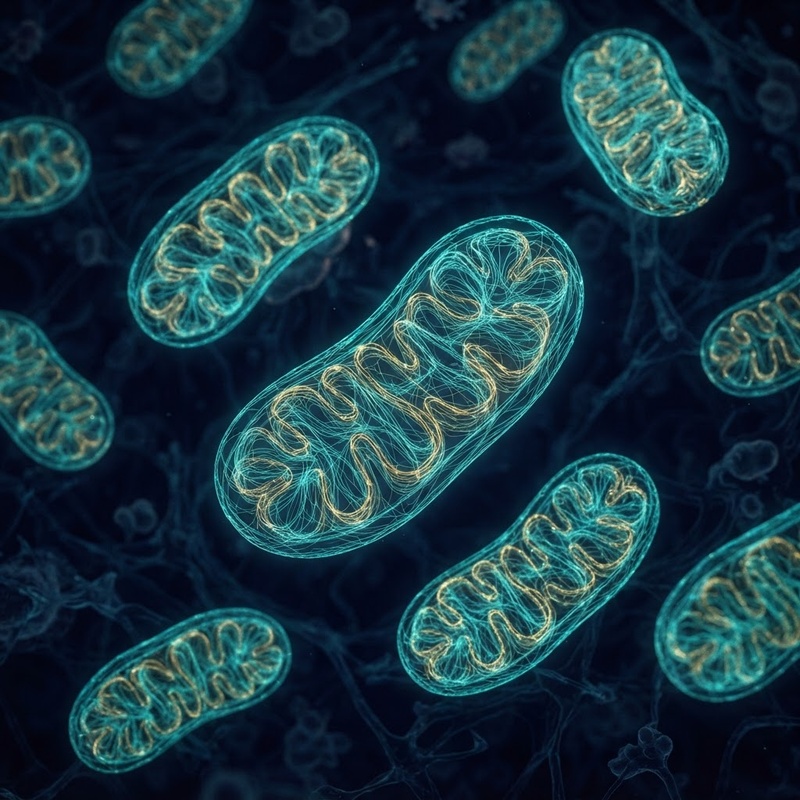
Every moment of every day, trillions of cells in the human body generate the fundamental energy required for human life. At the center of this continuous biological enterprise are mitochondria—specialized organelle structures frequently described as cellular powerhouses. Beyond their classical role in converting dietary nutrients into adenosine triphosphate (ATP), mitochondria act as sensitive regulatory hubs for cellular signaling, metabolic adaptation, and structural cell turnover. However, as the body ages, mitochondria experience cumulative metabolic stress, structural degradation, and diminished operational efficiency. Understanding how cells manage this burden through internal quality control mechanisms like mitophagy provides valuable insight into how targeted lifestyle habits and clinical strategies support healthy aging at the foundational cellular level.
Every moment of every day, trillions of cells in the human body generate the fundamental energy required for human life. At the center of this continuous biological enterprise are mitochondria—specialized organelle structures frequently described as cellular powerhouses. Beyond their classical role in converting dietary nutrients into adenosine triphosphate (ATP), mitochondria act as sensitive regulatory hubs for cellular signaling, metabolic adaptation, and structural cell turnover. However, as the body ages, mitochondria experience cumulative metabolic stress, structural degradation, and diminished operational efficiency. Understanding how cells manage this burden through internal quality control mechanisms like mitophagy provides valuable insight into how targeted lifestyle habits and clinical strategies support healthy aging at the foundational cellular level.
Cellular vitality relies not only on building new functional components, but also on systematically clearing away damaged infrastructure. Mitophagy represents the body's primary mechanism for selectively identifying, isolating, and recycling dysfunctional or aged mitochondria. When this internal cellular maintenance system operates efficiently, cells maintain bioenergetic balance and minimize stress signals. Research in longevity science continues to explore how supporting mitochondrial quality control can promote long-term cellular health, physical stamina, and resilience as adults navigate the natural aging process.
Understanding Mitochondria: Cellular Engines of Vitality
To appreciate the significance of mitochondrial quality control, it is helpful to examine how mitochondria function within healthy cells. Mitochondria generate ATP through oxidative phosphorylation, a process that couples nutrient oxidation with an electron transport chain embedded across the inner mitochondrial membrane. This metabolic engine powers essential cellular tasks ranging from muscle contraction to neurotransmitter synthesis and cellular repair.
However, energy production is inherently energetic and chemically reactive. As a natural byproduct of oxidative phosphorylation, mitochondria produce reactive oxygen species (ROS). Under normal physiological conditions, endogenous antioxidant enzymes manage ROS, allowing them to function as helpful cellular signaling molecules. Over time, factors such as environmental stressors, metabolic demands, and biological aging can shift this delicate balance. Elevated ROS exposure can affect mitochondrial lipids, proteins, and mitochondrial DNA (mtDNA), leading to structural inefficiency and reduced ATP output.
The Cellular Impact of Accumulated Mitochondrial Stress
When damaged mitochondria accumulate within tissues, the cellular environment undergoes measurable stress. Dysfunctional mitochondria can release higher amounts of ROS, further straining cellular structures and compromising surrounding organelles. Moreover, severely impaired mitochondria may release pro-inflammatory signaling molecules into the cytoplasm, triggering low-grade chronic inflammatory cascades often referred to in longevity research as "inflammaging."
Tissues with high metabolic energy requirements—such as cardiac muscle, skeletal muscle, liver, and central nervous system tissues—are particularly sensitive to mitochondrial efficiency. Maintaining mitochondrial integrity is therefore central to preserving tissue function, physical endurance, and metabolic flexibility throughout adulthood.
What Is Mitophagy? The Cell's Internal Recycling System
Cells limit the accumulation of dysfunctional powerhouses through a specialized form of selective autophagy known as mitophagy. Derived from Greek roots meaning "self-eating," autophagy is the broader process by which cells break down cytoplasmic components. Mitophagy specifically targets damaged, impaired, or surplus mitochondria for lysosomal degradation and turnover.
The process of mitophagy proceeds through several closely regulated molecular stages:
- Damage Recognition & Depolarization: When a mitochondrion suffers structural strain or loses electrical membrane potential, its normal protein transport systems stall. This loss of electrical potential across the inner membrane serves as an internal molecular distress signal.
- Molecular Tagging: Enzymes such as PINK1 (PTEN-induced kinase 1) accumulate on the outer mitochondrial membrane. PINK1 recruits Parkin, an E3 ubiquitin ligase, which tags mitochondrial surface proteins with molecular markers indicating degradation is required. Alternative receptor-mediated pathways (such as BNIP3 and NIX) also recognize damaged organelles under specific metabolic conditions.
- Autophagosome Engulfment: Specialized double-membraned structures called autophagosomes form around the tagged mitochondrion, completely enclosing the damaged organelle.
- Lysosomal Fusion & Recycling: The autophagosome fuses with a lysosome, where acidic enzymes break down the mitochondrial components into basic amino acids, fatty acids, and nucleosides. The cell reuses these recycled building blocks for repair and bioenergetic support.
Mitophagy vs. Mitochondrial Biogenesis
Mitophagy does not operate in isolation; it works in continuous coordination with mitochondrial biogenesis—the creation of new, fully functional mitochondria. Regulated largely by the transcriptional coactivator PGC-1alpha (peroxisome proliferator-activated receptor gamma coactivator 1-alpha), biogenesis ensures that as old organelles are recycled, fresh energy-producing units take their place. Healthy aging depends on a balanced dynamic between clearing out damaged machinery via mitophagy and constructing robust new powerhouses via biogenesis.
Lifestyle Modalities Studied for Mitophagy and Mitochondrial Resilience
Scientific interest in cellular longevity has highlighted several lifestyle modalities that research suggests support mitochondrial quality control pathways. While individual responses vary based on baseline health, genetics, and metabolic status, incorporating foundational habits can help optimize the cellular environment and bioenergetic function.
1. Caloric Modulation and Intermittent Fasting Pathways
Nutrient sensing pathways play a direct role in regulating cellular cleanup. When nutrients are abundant, pathways like mTORC1 (mammalian target of rapamycin complex 1) promote cell growth and protein synthesis while inhibiting autophagic processes. Conversely, periods of caloric modulation or structured nutrient timing lower nutrient availability, activating cellular energy sensors such as AMPK (AMP-activated protein kinase) and sirtuins (specifically SIRT1 and SIRT3).
Studies indicate that AMPK activation suppresses mTORC1 and directly phosphorylates key proteins involved in initiating mitophagy. Structured nutrient timing allows cells dedicated windows of lower metabolic demand, encouraging internal recycling mechanisms to clear accumulated structural stress.
2. Targeted Aerobic and Resistance Exercise Routines
Physical activity is among the most potent natural stimuli for mitochondrial adaptation. Both endurance exercise and high-intensity movement impose transient metabolic stress that stimulates cellular adaptation.
- Zone 2 Training: Sustained, low-to-moderate intensity aerobic exercise (often referred to as Zone 2) relies primarily on mitochondrial fat oxidation. Consistent Zone 2 training increases mitochondrial density, improves enzymatic efficiency, and enhances cellular clearance capacity in muscle tissue.
- High-Intensity Interval Training (HIIT): Brief bursts of vigorous effort trigger rapid ATP utilization, creating a strong AMPK signal that stimulates both turnover of severely stressed organelles and subsequent PGC-1alpha-driven biogenesis.
3. Thermal Stress and Hormetic Adaptation
Hormesis is a biological principle wherein mild, temporary environmental stressors trigger adaptive cellular repair mechanisms. Thermal stress, through both heat exposure (saunas) and cold exposure (cool environments or cold plunges), serves as a hormetic trigger.
Heat stress elevates heat shock proteins (HSPs) that assist in protein folding and cellular maintenance. Cold exposure stimulates mitochondrial uncoupling protein 1 (UCP1) activity, particularly in brown adipose tissue, boosting metabolic heat production and encouraging mitochondrial turnover.
4. Restorative Sleep and Circadian Hygiene
Mitochondrial fission, fusion, and mitophagy follow distinct circadian rhythms aligned with the body's natural light-dark cycle. Deep stage sleep is a primary period for neurological and systemic cellular restoration. Disruptions in sleep architecture or irregular circadian rhythms can alter autophagic signaling, emphasizing the importance of consistent sleep schedules, dark sleep environments, and morning sunlight exposure for optimal cellular hygiene.
Nutritional & Bioactive Factors Under Clinical Exploration
In addition to foundational lifestyle habits, researchers continue to study specific nutritional compounds and bioactive molecules that interact with mitochondrial pathways. Educational exploration of these nutrients reveals how dietary components support cellular resilience.
Urolithin A
Urolithin A is a natural gut-derived metabolite produced when microflora digest ellagitannins—polyphenolic compounds found in pomegranates, walnuts, and certain berries. Clinical studies suggest that Urolithin A directly stimulates mitophagy pathways by encouraging autophagosome recruitment to damaged mitochondria. Because gut microbiome diversity varies significantly among individuals, direct dietary intake of precursors does not always yield predictable systemic levels, leading clinical researchers to study standardized formulations for muscle endurance and cellular health.
NAD+ Precursors (NMN and NR)
Nicotinamide adenine dinucleotide (NAD+) is a crucial coenzyme required for mitochondrial electron transport and sirtuin enzyme activity. Sirtuins, particularly mitochondrial SIRT3, regulate cellular defenses and mitophagy initiation. Because intracellular NAD+ levels naturally decline with age, precursors such as Nicotinamide Mononucleotide (NMN) and Nicotinamide Riboside (NR) are actively researched for their potential to support sirtuin activity and mitochondrial energy maintenance.
Coenzyme Q10 and PQQ
Coenzyme Q10 (CoQ10) resides within the inner mitochondrial membrane, transferring electrons between complexes in the electron transport chain while acting as a lipid antioxidant. Pyrroloquinoline quinone (PQQ) is a micronutrient compound studied for its ability to activate PGC-1alpha signaling pathways, supporting mitochondrial biogenesis alongside ongoing quality control.
Polyphenolic Compounds
Resveratrol, quercetin, and fisetin are naturally occurring plant polyphenols studied for their role as caloric restriction mimetics. Research indicates these compounds can interact with AMPK and sirtuin pathways, contributing to cellular stress resistance and supporting healthy tissue aging.
Integrating Cellular Health into Personalized Care
While understanding cellular mechanisms provides valuable insights, translating scientific principles into daily wellness requires a personalized and structured approach. No single exercise routine, dietary protocol, or nutrient strategy applies universally to every individual.
Modern clinical assessments can help evaluate foundational markers associated with metabolic and cellular health. Laboratory evaluations may measure parameters such as lipid panels, fasting insulin, HbA1c, high-sensitivity C-reactive protein (hs-CRP), and specific markers of metabolic function. Functional assessments, including VO2 max testing and metabolic gas exchange analysis, offer practical observations of an individual's aerobic capacity and mitochondrial efficiency under physical demand.
Because underlying health status, current medications, and genetic factors influence how your body responds to lifestyle changes, consulting a licensed clinician is essential. A qualified practitioner can help interpret diagnostic tests, establish safe baselines, and design tailored protocols that prioritize long-term vitality while minimizing injury or metabolic strain.
Conclusion & Next Steps in Supporting Cellular Vitality
Healthy aging is an active, ongoing process that begins at the cellular level. By understanding how mitochondria generate energy and how mitophagy systematically clears away aged or damaged organelles, individuals can make informed decisions to support their biological longevity. Prioritizing consistent physical movement, structured nutrient timing, restorative sleep, and evidence-based nutrition creates an optimal physiological environment for cellular renewal.
If you are interested in exploring how personalized longevity science and comprehensive clinical assessments can support your long-term wellness goals, learn more about EOS Health Cellular Anti-Aging Solutions and schedule a consultation with a licensed clinician to create a plan tailored to your body's unique bioenergetic profile.
Mitophagy
A specialized cellular quality control process involving the selective degradation and recycling of damaged or dysfunctional mitochondria via lysosomal pathways.
Mitochondrial Biogenesis
The physiological process by which cells synthesize new, functional mitochondria, primarily coordinated by the transcriptional coactivator PGC-1alpha.
Adenosine Triphosphate (ATP)
The primary chemical energy currency of living cells, produced within mitochondria during oxidative phosphorylation to power cellular processes.
Reactive Oxygen Species (ROS)
Chemically reactive oxygen-containing molecules generated as natural byproducts of cellular respiration; excessive ROS accumulation can lead to cellular stress and structural damage.
Sirtuins (SIRT1/SIRT3)
A family of NAD+-dependent signaling proteins that regulate cellular stress responses, mitochondrial quality control, gene expression, and metabolic adaptation.
Sources
faq
Common questions, answered.
What is the main difference between general autophagy and mitophagy?
Autophagy is the broad cellular process by which cells break down and recycle various cytoplasmic components, including proteins and organelles. Mitophagy is a specialized form of selective autophagy dedicated specifically to identifying, isolating, and degrading dysfunctional mitochondria to preserve bioenergetic efficiency.
How does natural aging impact mitochondrial health?
As the body ages, mitochondria tend to accumulate structural stress from reactive oxygen species, and cellular quality control mechanisms like mitophagy can become less active. This shift can lead to decreased cellular energy production, increased cellular stress, and altered cellular signaling.
Can dietary changes alone trigger cellular mitophagy?
While dietary approaches such as intermittent fasting or caloric modulation help lower nutrient-sensing signals like mTORC1 and activate AMPK, optimal cellular health relies on a combination of factors. Physical exercise, thermal stress, adequate sleep, and targeted nutrition work synergistically to support mitochondrial maintenance.
What role does Zone 2 exercise play in mitochondrial function?
Zone 2 aerobic exercise involves sustained exertion at an intensity where mitochondria rely predominantly on fat oxidation for fuel. Regular Zone 2 training stimulates mitochondrial density, enhances oxidative capacity, and supports continuous organelle quality control in muscle tissue.
What are Urolithin A and NAD+, and how do they relate to cellular renewal?
Urolithin A is a gut-microbiome metabolite that research suggests directly triggers mitophagy pathways. NAD+ is a critical cellular coenzyme that powers sirtuin enzymes, which regulate mitochondrial biogenesis and stress responses. Both molecules are key subjects in longevity research focused on cellular maintenance.
Are there specific lab tests to evaluate mitochondrial health?
While direct mitochondrial testing is primarily conducted in specialized research settings, clinicians assess proxy markers of cellular and metabolic health. These include markers of systemic inflammation (such as hs-CRP), glucose regulation, lipid profiles, metabolic indicators, and physical performance metrics like VO2 max.
How does sleep hygiene influence mitochondrial turnover?
Mitochondrial clearance and repair mechanisms follow circadian rhythms. Deep stage sleep provides a vital period for cellular repair and autophagic activity. Disruptions in sleep duration or circadian timing can alter these regulatory processes, underscoring the importance of consistent restorative rest.
Is mitophagy active in all cells throughout the body?
Mitophagy occurs in almost all nucleated cells, but it is particularly active in tissues with high metabolic energy demands, such as cardiac muscle, skeletal muscle, neurons, and liver tissue, where energetic efficiency is essential for organ function.
Invest in the years ahead.™
Start free consultationwhat are you waiting for?
You're one click away from a new you.
Fill out our brief form and a licensed physician will evaluate which treatment plan is best for you.