Iron-Rich Eating on GLP-1: Everyday Sources
Discover how to maintain optimal iron levels during GLP-1 therapy. Explore heme and non-heme food sources, smart pairings, and everyday nutrition tips.
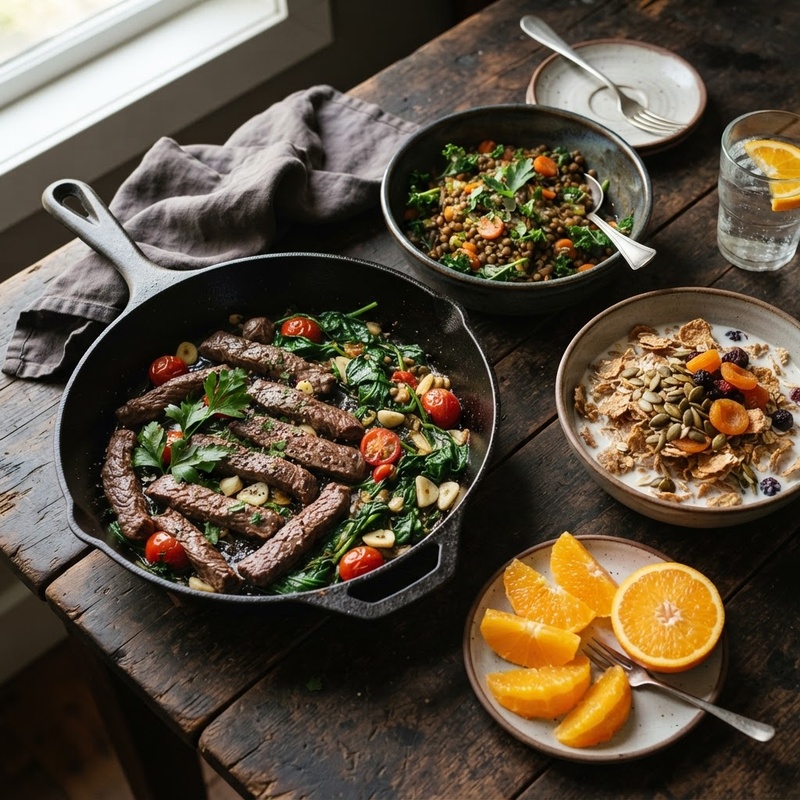
Embarking on a GLP-1 therapy journey often brings transformative shifts in appetite, satiety, and eating habits. As GLP-1 receptor agonists help regulate hunger signals and promote earlier fullness, daily meal volumes naturally decrease. While this reduced food intake supports weight management goals, it also introduces a critical dietary consideration: maintaining optimal micronutrient density within smaller meals. Among the essential vitamins and minerals requiring mindful attention, iron plays a pivotal role in overall vitality, cellular energy production, and systemic health.
Embarking on a GLP-1 therapy journey often brings transformative shifts in appetite, satiety, and eating habits. As GLP-1 receptor agonists help regulate hunger signals and promote earlier fullness, daily meal volumes naturally decrease. While this reduced food intake supports weight management goals, it also introduces a critical dietary consideration: maintaining optimal micronutrient density within smaller meals. Among the essential vitamins and minerals requiring mindful attention, iron plays a pivotal role in overall vitality, cellular energy production, and systemic health.
Iron is an indispensable mineral involved in forming hemoglobin, the protein in red blood cells responsible for transporting oxygen from the lungs to tissues throughout the body. When food intake decreases, ensuring that every serving delivers concentrated nutritional value becomes essential. Understanding how to incorporate everyday iron-rich foods, optimize mineral absorption, and collaborate with healthcare providers can help individuals support their metabolic health throughout GLP-1 treatment.
Understanding Iron Dynamics During GLP-1 Therapy
GLP-1 medications alter gastrointestinal motility and reduce overall caloric consumption. When eating smaller portions, the sheer quantity of food reaching the digestive tract declines, which can inadvertently lead to lower daily intakes of essential micronutrients if meals are not carefully planned. Iron deficiency is one of the most common nutritional gaps worldwide, and individuals experiencing reduced appetite may inadvertently consume insufficient dietary iron over time.
Furthermore, GLP-1 receptor agonists slow gastric emptying, changing the pace at which food passes through the stomach into the small intestine where primary mineral absorption occurs. While this mechanism enhances satiety, it underlines the importance of prioritizing high-quality, bioavailable nutrient sources. Inadequate iron intake over extended periods can contribute to feelings of unexplained fatigue, reduced physical stamina, cold sensitivity, and weakened immune function.
Because these symptoms can overlap with general adjustments to lower caloric intake, tracking dietary nutrient density and discussing routine laboratory work with a licensed clinician offers a proactive way to maintain balanced health during weight management programs.
Heme vs. Non-Heme Iron: Knowing the Difference
Dietary iron exists in two distinct chemical forms: heme iron and non-heme iron. Recognizing how these two types differ in bioavailability and food sources enables more strategic meal planning, especially when managing smaller appetite capacity.
Heme Iron Sources
Heme iron is bound to hemoglobin and myoglobin proteins and is found exclusively in animal-derived foods. The human digestive tract absorbs heme iron relatively efficiently, with absorption rates typically ranging from 15% to 35%. Because its structure allows for direct uptake by intestinal cells without significant interference from other dietary components, heme iron serves as a potent source for maintaining iron storage levels.
- Lean Beef and Bison: Excellent sources of highly bioavailable iron, providing dense protein alongside essential zinc and B vitamins.
- Poultry (Dark Meat): Chicken and turkey thighs contain significantly higher iron levels than white meat cuts, making them ideal for nutrient-dense portions.
- Fish and Shellfish: Mussels, clams, sardines, and canned tuna offer iron paired with heart-healthy omega-3 fatty acids.
- Organ Meats: Liver represents one of the most concentrated dietary sources of heme iron, though it is typically consumed in modest amounts.
Non-Heme Iron Sources
Non-Heme iron is present in plant-based foods as well as fortified products. Unlike heme iron, non-heme iron requires enzymatic reduction in the stomach before intestinal absorption can occur. Consequently, its absorption rate is lower, generally ranging between 2% and 20%, and is strongly influenced by other dietary factors consumed during the same meal.
- Legumes and Pulses: Lentils, chickpeas, black beans, and edamame deliver robust non-heme iron alongside dietary fiber and plant protein.
- Leafy Green Vegetables: Spinach, Swiss chard, kale, and beet greens provide non-heme iron along with folate and antioxidants.
- Nuts and Seeds: Pumpkin seeds, sesame seeds, hemp seeds, and cashews add crunch, healthy fats, and valuable iron to small meals.
- Soy Products: Tofu and tempeh offer versatile, iron-dense protein options for plant-focused dining.
- Fortified Grains: Whole grain cereals, quinoa, and enriched oats can contribute meaningful iron to daily breakfast routines.
Smart Nutrient Synergy: Pairing Iron Foods with Vitamin C
Maximizing non-heme iron absorption relies heavily on strategic food pairings. Biochemically, ascorbic acid (Vitamin C) chemically transforms non-heme ferric iron into the more soluble ferrous state, substantially increasing its uptake in the duodenum.
Studies indicate that combining a modest source of Vitamin C with non-heme iron foods can increase iron absorption by up to three times. For individuals on GLP-1 medications who eat smaller meal quantities, leveraging this synergy ensures maximum nutritional yield from every bite.
Effective Culinary Pairings
- Citrus and Greens: Squeezing fresh lemon juice over sautéed spinach or a kale salad enhances plant iron uptake.
- Bell Peppers and Beans: Adding sliced red or yellow bell peppers to a lentil salad or bean chili introduces rich Vitamin C.
- Berries and Fortified Oats: Top oatmeal or iron-rich chia pudding with fresh strawberries or raspberries for a morning boost.
- Tomatoes and Tofu: Cooking tofu or edamame in a tomato-based sauce pairs acidic Vitamin C directly with non-heme iron.
Navigating Iron Absorption Inhibitors
Just as certain nutrients enhance iron uptake, others can temporarily impede it. Polymeric compounds known as tannins, found in black tea, green tea, and coffee, can bind to non-heme iron in the digestive tract and reduce its absorption. Similarly, high doses of dietary calcium or calcium supplements can compete for intestinal absorption pathways when consumed simultaneously with iron-rich foods.
To optimize mineral absorption without discarding favorite beverages, consider enjoying tea or coffee at least one hour before or two hours after iron-focused meals. Additionally, separating calcium supplements from iron-dense meals helps preserve nutrient efficiency.
Everyday Culinary Strategies: Cooking in Cast Iron & Meal Prep
Beyond ingredient selection, everyday kitchen practices can support dietary iron intake in simple, sustainable ways tailored for GLP-1 meal patterns.
The Cast Iron Advantage
Cooking meals in traditional, un-enameled cast iron cookware represents a time-tested dietary technique. When acidic or moisture-rich foods—such as tomato sauces, stews, or sautéed vegetables—are simmered in cast iron skillets, small amounts of elemental iron leach naturally into the dish. Research suggests that preparing meals in cast iron can incrementally boost the iron content of food, providing a gentle dietary enhancement without altering flavor.
Small-Portion Meal Prep for GLP-1 Dining
When appetite is reduced, large meals can feel overwhelming. Preparing compact, nutrient-dense dishes ensures that daily nutritional targets remain manageable:
- Nutrient-Dense Soups: Pureed lentil, vegetable, and spinach soups offer easy digestion and concentrated iron in smaller bowl sizes.
- Seed and Nut Toppers: Keeping a jar of toasted pumpkin and hemp seeds on hand allows for quick sprinkling over yogurt, salads, or roasted vegetables.
- Iron-Boosted Smoothies: Blending dark leafy greens, protein powder, frozen berries, and a splash of citrus creates a liquid meal option that is light on the stomach yet rich in micronutrients.
Collaborating with Your Healthcare Team for Comprehensive Care
While thoughtful nutrition forms the foundation of wellness, individual iron requirements vary based on age, gender, medical history, and baseline blood markers. GLP-1 therapy should always be managed under professional clinical guidance to monitor both macro and micronutrient status over time.
Licensed healthcare providers frequently order comprehensive blood panels, including Complete Blood Count (CBC), serum ferritin, and Total Iron Binding Capacity (TIBC), to assess iron stores accurately. Ferritin levels reflect internal iron reserves before overt anemia develops, making routine testing an invaluable tool for preventative health.
If dietary modifications alone are insufficient, a clinician can evaluate whether oral iron supplementation is appropriate. High-dose iron supplements can sometimes cause mild gastrointestinal side effects, such as nausea or constipation, which may compound GLP-1 side effects if not carefully managed under medical advice. Healthcare professionals can recommend specific formulations, dosages, or administration schedules to maximize tolerance and safety.
At EOS Health, clinical care plans emphasize whole-person support. Prescription weight management treatments are provided only after thorough medical evaluation by a licensed clinician, ensuring that medication, dietary guidance, and lab monitoring work in harmony to support long-term metabolic health.
Prioritizing Balanced Nutrition on Your Wellness Journey
Managing dietary iron while taking GLP-1 medications is a practical and empowering aspect of long-term health management. By focusing on nutrient-dense heme and non-heme food sources, pairing meals with Vitamin C, utilizing cast iron cooking techniques, and staying attentive to how your body feels, you can support your vitality throughout your health journey.
Remember that nutritional needs are highly individual. Regular check-ins with your healthcare team ensure that your dietary choices align with your unique physiological markers and personal wellness goals.
To learn more about personalized telehealth care, clinical weight management, and comprehensive nutritional support, explore EOS Health weight loss programs today.
Heme Iron
A highly bioavailable form of dietary iron found in animal tissue, bound to hemoglobin and myoglobin proteins, which is readily absorbed by the human intestinal tract.
Non-Heme Iron
A form of dietary iron present in plant foods, fortified grains, and dairy, which requires reduction in the stomach and digestive synergy for optimal intestinal uptake.
Serum Ferritin
A blood plasma protein that stores iron and serves as a key clinical biomarker for evaluating total body iron reserves.
Bioavailability
The proportion of a nutrient or mineral that is digested, absorbed, and made available for physiological functions within the body.
Ascorbic Acid
Vitamin C, a water-soluble antioxidant that enhances non-heme iron absorption by reducing ferric iron to its soluble ferrous form.
Sources
faq
Common questions, answered.
Why is iron intake particularly important during GLP-1 therapy?
GLP-1 therapy reduces appetite and overall food intake, which means smaller portions must deliver higher concentrations of essential micronutrients. Maintaining adequate dietary iron supports cellular energy, oxygen transport, and overall vitality while managing caloric intake.
What are the primary differences between heme and non-heme iron?
Heme iron is found in animal products such as poultry, meat, and fish and has a higher absorption rate (15% to 35%). Non-heme iron is present in plant foods like beans, spinach, and seeds, with an absorption rate ranging from 2% to 20% that can be enhanced by Vitamin C.
Can plant-based eaters meet their iron needs while taking GLP-1 medications?
Yes, plant-based individuals can support their iron levels by consuming non-heme iron sources like lentils, tofu, pumpkin seeds, and leafy greens while consistently pairing them with Vitamin C-rich foods to maximize absorption.
How does Vitamin C improve dietary iron absorption?
Ascorbic acid (Vitamin C) converts non-heme ferric iron into a soluble ferrous state in the digestive tract, making it significantly easier for the small intestine to absorb mineral iron during meals.
Does cooking with a cast iron skillet really add iron to meals?
Yes, preparing acidic or moist foods in un-enameled cast iron cookware allows trace amounts of elemental iron to leach naturally into the meal, providing a modest increase in total dietary iron content.
Should coffee or tea be avoided near iron-rich meals?
Tannins in coffee and tea can bind to non-heme iron and reduce its uptake. Enjoying these beverages at least one hour before or two hours after iron-rich meals helps optimize mineral absorption.
How does a clinician determine if iron supplementation is necessary?
Licensed healthcare providers perform blood tests measuring serum ferritin, total iron binding capacity, and hemoglobin to evaluate body iron stores and guide safe supplementation recommendations.
Are high-dose iron supplements safe for everyone on GLP-1 medications?
Iron supplements should only be taken under medical supervision. Excessive iron intake can lead to toxicity or gastrointestinal discomfort, so personalized clinician guidance is essential before starting any supplement routine.
Ready to feel like yourself again.™
Start free consultationwhat are you waiting for?
You're one click away from a new you.
Fill out our brief form and a licensed physician will evaluate which treatment plan is best for you.