Iron Through a Woman's Lifetime: Needs That Change With Age
Explore how iron needs shift through menstruation, pregnancy, and menopause. Learn about ferritin, absorption tips, and safe clinical guidance from EOS Health.
Iron is an indispensable mineral that plays a central role in human biology, serving as the core component of hemoglobin—the protein responsible for carrying oxygen from the lungs to every tissue and organ in the body. Beyond oxygen transportation, iron is essential for cellular energy production, DNA synthesis, healthy cognitive function, and immune system resilience. While every individual requires adequate iron to maintain vitality, a woman's physiological relationship with this vital micronutrient is dynamic, complex, and constantly evolving throughout her lifespan.
Iron is an indispensable mineral that plays a central role in human biology, serving as the core component of hemoglobin—the protein responsible for carrying oxygen from the lungs to every tissue and organ in the body. Beyond oxygen transportation, iron is essential for cellular energy production, DNA synthesis, healthy cognitive function, and immune system resilience. While every individual requires adequate iron to maintain vitality, a woman's physiological relationship with this vital micronutrient is dynamic, complex, and constantly evolving throughout her lifespan.
From the onset of adolescence through the reproductive years, pregnancy, perimenopause, and post-menopause, shifting hormonal landscapes and biological events significantly alter the body's iron requirements. Despite its critical importance, iron imbalance remains one of the most common nutritional challenges affecting women worldwide. Understanding how iron needs transform across different decades empowers women to make informed nutritional choices, recognize subtle signs of depletion, and partner with healthcare professionals to support long-term wellness.
Why Iron Requirements Shift Across Life Stages
The human body tightly regulates iron levels because it lacks an active excretion mechanism for excess iron. Instead, iron balance is maintained primarily through controlled intestinal absorption and normal physiological losses, such as shedding skin and intestinal cells. For women, however, physiological events introduce major fluctuations in daily iron turnover that set their nutritional requirements apart from those of men.
During the reproductive years, regular menstrual blood loss represents a continuous drain on the body's total iron store. As a result, the Recommended Dietary Allowance (RDA) for iron in adult premenopausal women is approximately 18 milligrams per day—more than double the 8 milligrams per day recommended for adult men. When a woman becomes pregnant, her iron demand surges even higher to roughly 27 milligrams daily to support the expansion of maternal blood volume and fetal growth. Conversely, after menopause, when menstrual blood loss ceases, daily iron requirements drop back to 8 milligrams per day.
These pronounced shifts illustrate why a one-size-fits-all approach to iron nutrition is inadequate. A diet or supplement routine that served a woman well in her twenties may not align with her physiological state in her late thirties or after menopause. Recognizing the biological drivers behind these shifting needs is the first step toward maintaining optimal cellular vitality at every stage of life.
Reproductive Years and Menstruation: Heavy Periods and Depleted Stores
For most women between adolescence and menopause, regular menstruation is the primary driver of iron loss. Each month, an average menstrual cycle results in the loss of approximately 30 to 40 milliliters of blood, which equates to about 15 to 20 milligrams of elemental iron. While the body can often compensate for average monthly losses through balanced nutrition, many women experience heavier periods that draw down iron stores faster than diet alone can replenish them.
Clinically known as menorrhagia, heavy menstrual bleeding involves blood loss exceeding 80 milliliters per cycle or periods lasting longer than seven days. Heavy flows can stem from various underlying factors, including uterine fibroids, endometriosis, hormonal fluctuations, or polycystic ovary syndrome (PCOS). When monthly iron loss repeatedly outpaces dietary absorption, the body is forced to draw upon its internal reserves. Over time, these savings become depleted, leading to subclinical iron deficiency and, eventually, iron deficiency anemia.
Subtle signs of low iron stores often develop gradually, making them easy to dismiss as general stress or busy lifestyle fatigue. Common indications include:
- Persistent low energy and physical exhaustion despite adequate rest
- Brain fog, difficulty concentrating, or reduced mental clarity
- Cold sensitivity, particularly in the hands and feet
- Brittle nails, unusually pale skin, or increased hair shedding
- Shortness of breath or rapid heartbeat during routine physical exertion
Because these symptoms can overlap with other health considerations, routine assessment by a healthcare clinician is invaluable. Evaluating menstrual health alongside comprehensive lab work ensures that heavy monthly losses are identified and addressed before severe depletion occurs.
Pregnancy and Lactation: Supporting Two Cellular Workforces
Pregnancy represents one of the most metabolically demanding periods in a woman's life, characterized by rapid tissue growth and dramatic hemodynamic adaptations. To support the developing fetus and placenta, a pregnant woman's total blood volume expands by 40 to 50 percent. This dramatic expansion requires a parallel increase in red blood cell production, driving an immense demand for elemental iron.
Throughout pregnancy, the fetus actively absorbs iron across the placenta to build its own blood supply and establish liver iron stores for the first several months of life. Consequently, maternal iron stores are heavily drawn upon, particularly during the second and third trimesters. Research indicates that dietary sources alone rarely satisfy the heightened demand of 27 milligrams per day during pregnancy, making routine clinical monitoring essential.
Uncorrected iron deficiency during pregnancy can increase the likelihood of maternal fatigue, elevated susceptibility to infections, and clinical complications such as preterm birth or low birth weight. Following delivery, the body enters a recovery phase. While iron requirements decrease during lactation to approximately 9 to 10 milligrams daily—partially due to the temporary pause in menstruation—replenishing maternal stores depleted during gestation remains a priority. Clinicians frequently evaluate postpartum blood counts to guide individualized recovery strategies and ensure mothers maintain healthy energy levels.
Perimenopause and Post-Menopause: Hormonal Shifts and Reduced Demands
The transition into menopause, known as perimenopause, is marked by fluctuating estrogen and progesterone levels that can cause unpredictable changes in menstrual patterns. During this phase, cycles may become erratic—varying in frequency, length, and flow intensity. Some women experience unusually heavy or prolonged bleeding episodes that place them at elevated risk for rapid iron loss, even if their periods were historically light.
As perimenopause progresses into post-menopause—defined as 12 consecutive months without a menstrual period—the biological baseline shifts significantly. Without monthly blood loss, the body's baseline iron requirement stabilizes at 8 milligrams per day. For most post-menopausal women, obtaining this amount through a balanced dietary pattern is straightforward, and iron deficiency becomes relatively uncommon unless caused by gastrointestinal blood loss or poor intestinal absorption.
However, the post-menopausal phase introduces a different nutritional consideration: the risk of unmonitored iron accumulation. Because the human body lacks a natural mechanism to shed surplus iron once menstruation stops, taking high-dose iron supplements without clinical oversight can lead to progressive iron overload. Over time, excessive tissue iron can promote oxidative stress and organ strain. Therefore, post-menopausal health guidance emphasizes supporting healthy aging through nutrient-dense foods rather than routine iron supplementation, unless specifically prescribed by a physician following diagnostic testing.
Demystifying Iron Labs: Ferritin vs. Serum Iron Basics
When evaluating iron status, single standard blood tests can sometimes present an incomplete picture. Understanding the key laboratory markers helps women advocate for thorough health assessments and better interpret their results in partnership with their provider.
Two primary markers frequently discussed in clinical evaluations are serum iron and serum ferritin:
- Serum Iron: This test measures the amount of circulating iron bound to transferrin in the bloodstream at the specific moment blood is drawn. Serum iron levels fluctuate significantly throughout the day based on recent dietary intake, diurnal rhythms, and acute inflammation, making it a temporary snapshot rather than a measure of overall iron reserves.
- Serum Ferritin: Ferritin is a cellular protein that stores iron inside cells and releases it in a controlled manner. Serum ferritin levels directly reflect the body's total stored iron reserves—acting as the biological "savings account."
Recognizing the difference between these markers is critical because serum ferritin drops long before serum iron or hemoglobin levels fall below standard thresholds. A woman may present with normal hemoglobin and normal serum iron levels while her ferritin is severely depleted—a state known as non-anemic iron deficiency. Individuals in this stage may still experience persistent fatigue, hair thinning, and diminished exercise tolerance. Comprehensive lab testing that includes ferritin, total iron-binding capacity (TIBC), and transferrin saturation provides a far more complete view of cellular iron availability.
Nutritional Strategies: Food Sources, Absorption Synergy, and Inhibitors
Dietary iron exists in two distinct chemical forms: heme iron and non-heme iron. Understanding how these forms differ in bioavailability and how dietary combinations influence absorption can help optimize daily intake through food.
Heme Iron: Found exclusively in animal-derived foods such as red meat, poultry, fish, and shellfish, heme iron is highly bioavailable. The body absorbs approximately 15 to 35 percent of dietary heme iron, and its absorption is relatively unaffected by other dietary compounds consumed during the meal.
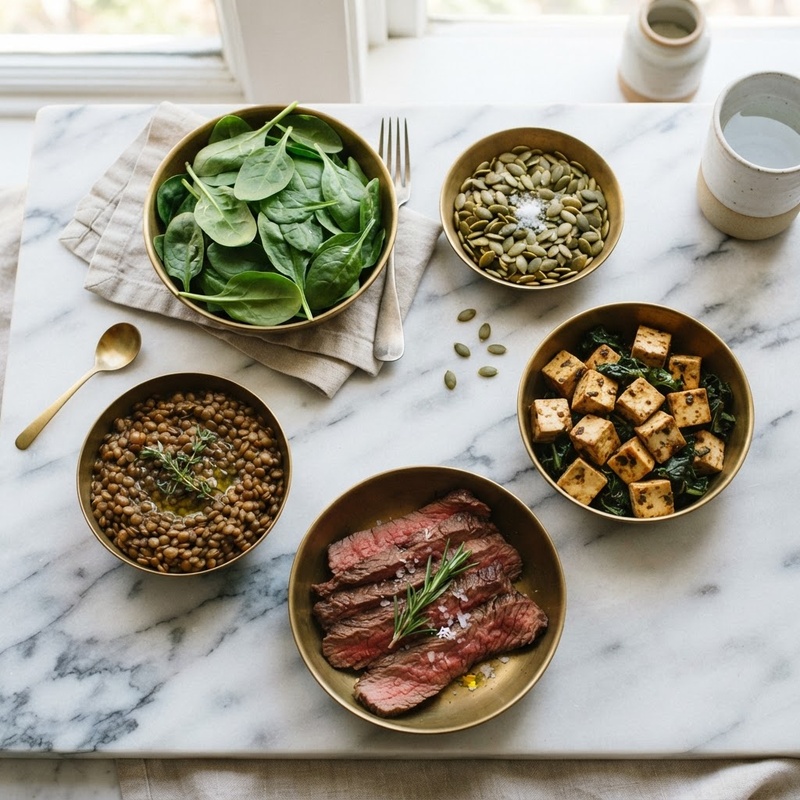
Non-Heme Iron: Found in plant foods—such as lentils, chickpeas, beans, spinach, pumpkin seeds, fortified grains, and tofu—as well as eggs and dairy, non-heme iron has a lower baseline absorption rate, typically ranging between 2 and 20 percent. Its uptake depends heavily on the presence of digestive enhancers and inhibitors within the same meal.
To maximize the absorption of non-heme iron from plant sources, practical dietary strategies include:
- Pairing with Vitamin C (Ascorbic Acid): Vitamin C converts non-heme iron into a more soluble chemical form that is easily absorbed by intestinal cells. Squeezing lemon juice over spinach, adding bell peppers to a bean salad, or enjoying citrus fruits alongside plant proteins can significantly enhance iron uptake.
- Managing Inhibitors: Certain compounds bind to iron in the digestive tract and hinder absorption. Polyphenols and tannins in coffee and tea, high doses of calcium (from dairy or supplements), and phytates in unrefined grains can reduce non-heme iron uptake. Enjoying coffee or tea an hour before or after iron-rich meals helps minimize this interference.
- Utilizing Cast Iron Cookware: Cooking acidic foods, such as tomato sauce, in cast iron cookware can naturally increase the elemental iron content of meals.
Testing Before Supplementing: Safety, Overload Risks, and Next Steps
Given the prevalent discussion surrounding iron deficiency, it can be tempting to start an over-the-counter iron supplement at the first sign of fatigue. However, clinical guidance strongly advises against self-diagnosing or supplementing without preliminary laboratory verification.
Iron is a potent oxidizer in the human body. When taken in excess or by individuals who do not need it, supplemental iron can cause unpleasant gastrointestinal side effects, including nausea, constipation, abdominal cramping, and dark stools. More seriously, excessive iron uptake over extended periods can contribute to systemic iron overload, potentially affecting liver function, joint health, and cardiovascular wellness. Conditions such as hereditary hemochromatosis—a genetic predisposition to absorb too much iron—can remain undetected until unmonitored supplementation exacerbates the situation.
Furthermore, fatigue and low energy are non-specific symptoms that can stem from various underlying factors, including thyroid imbalance, vitamin B12 deficiency, inadequate sleep, or chronic stress. Taking iron when fatigue is caused by another factor will not resolve the issue and may introduce unnecessary risk.
The safest and most effective approach is to follow a "test, don't guess" protocol. If you experience persistent fatigue, heavy periods, or suspect your iron stores may be low, consult a qualified medical clinician. A comprehensive blood panel will clarify your exact status and guide an individualized plan—whether that involves targeted dietary adjustments, treating heavy menstrual bleeding, or taking a specifically dosed iron formulation under clinical supervision.
At EOS Health, our clinical team provides personalized, accessible telehealth guidance to help you navigate your unique health journey at every decade. Learn more about comprehensive evaluations and supportive care tailored to your needs by visiting our Women's Health Services today.
Ferritin
A cellular protein that stores iron in body tissues and releases it in a controlled manner, serving as the primary biological indicator of total body iron reserves.
Heme Iron
The form of dietary iron found in animal tissues such as meat, poultry, and fish, characterized by higher biological availability and absorption rates compared to plant iron.
Non-Heme Iron
The form of dietary iron found in plant foods, fortified grains, eggs, and dairy, which requires digestive synergy—such as pairing with Vitamin C—for optimal absorption.
Menorrhagia
The medical term for abnormally heavy or prolonged menstrual bleeding, which significantly increases the risk of iron store depletion and anemia in premenopausal women.
Total Iron-Binding Capacity (TIBC)
A laboratory blood test that measures the blood's capacity to bind iron with transferrin, helping clinicians evaluate iron deficiency or overload states.
Sources
faq
Common questions, answered.
How do I know if my iron levels are low?
Common indications of low iron include persistent fatigue, pale skin, cold hands and feet, brittle nails, brain fog, and reduced physical stamina. However, because these symptoms can overlap with other conditions, the only reliable way to confirm low iron status is through a blood test ordered by a healthcare professional that evaluates ferritin, serum iron, and hemoglobin levels.
What is the difference between ferritin and serum iron?
Serum iron measures the amount of iron circulating in your bloodstream at the exact moment of the test, which can fluctuate throughout the day based on dietary intake. Serum ferritin measures the protein that stores iron inside your cells, serving as an accurate reflection of your total long-term iron reserves.
Can heavy periods cause iron deficiency?
Yes. Heavy menstrual bleeding, clinically known as menorrhagia, is one of the leading causes of iron depletion in premenopausal women. Losing large volumes of blood each month can exhaust stored iron faster than standard dietary absorption can replace it, making routine clinical monitoring essential.
Why do iron requirements drop after menopause?
Once menstruation ceases, the body no longer experiences monthly blood loss. As a result, daily iron requirements decrease from 18 milligrams per day for reproductive-aged women to 8 milligrams per day for post-menopausal women, matching the baseline recommendation for men.
What foods help increase iron levels naturally?
Bioavailable heme iron is found in animal products such as red meat, poultry, and fish. Plant-based non-heme iron is present in lentils, beans, spinach, pumpkin seeds, and fortified cereals. Combining plant-based iron sources with vitamin C-rich foods, such as citrus or bell peppers, enhances intestinal absorption.
Can drinking coffee or tea affect iron absorption?
Yes. Coffee and tea contain tannins and polyphenols that can bind to non-heme iron in the digestive tract, inhibiting its absorption. To minimize this effect, consider consuming coffee or tea at least one hour before or after iron-rich meals.
Is it safe to take an iron supplement without a blood test?
It is not recommended to take supplemental iron without prior blood testing and clinical guidance. Excessive iron can cause gastrointestinal discomfort and, over time, lead to harmful iron accumulation in body tissues. A clinician can confirm whether supplementation is necessary and recommend an appropriate dosage.
How long does it take to rebuild depleted iron stores?
Rebuilding iron stores takes time. While improvements in energy levels may occur within a few weeks of starting clinical treatment, fully replenishing serum ferritin reserves often requires three to six months of consistent dietary modification or targeted supplementation under medical supervision.
You deserve to feel this way.™
Start free consultationwhat are you waiting for?
You're one click away from a new you.
Fill out our brief form and a licensed physician will evaluate which treatment plan is best for you.