Layering Actives: A Simple Order of Operations
Master layering actives with a simple order of operations. Discover clinician-guided AM and PM skincare routines, ingredient pairings, and healthy skin tips.
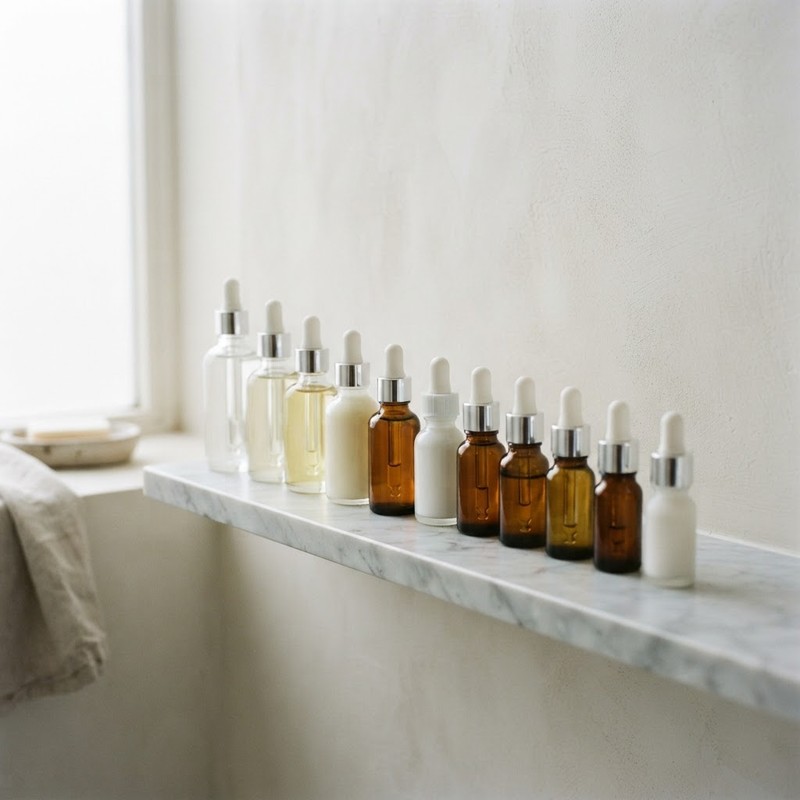
Navigating the world of modern skincare often presents an overwhelming array of choices. From potent antioxidants and exfoliating acids to retinoids and custom prescription topicals, active ingredients offer targeted support for various skin concerns. However, knowing how and when to apply these ingredients is just as crucial as selecting them.
Navigating the world of modern skincare often presents an overwhelming array of choices. From potent antioxidants and exfoliating acids to retinoids and custom prescription topicals, active ingredients offer targeted support for various skin concerns. However, knowing how and when to apply these ingredients is just as crucial as selecting them. Applying products out of sequence or combining incompatible actives can lead to localized irritation, reduced efficacy, or compromised barrier function. Establishing a clear, logical order of operations allows you to maximize the benefits of your skincare routine while maintaining skin comfort and resilience.
At EOS Health, our clinical team emphasizes thoughtful, individualized approaches to skin wellness. Whether you are managing adult acne, addressing hyperpigmentation, or supporting healthy skin aging, understanding the fundamental principles of layering active ingredients provides a reliable foundation. This comprehensive guide outlines the core rules of application sequence, detailed morning and evening routine frameworks, ingredient compatibility guidelines, and the role of clinician-guided care in optimizing your daily routine.
The Fundamental Rules of Skincare Layering: Thinnest to Thickest and pH Dynamics
The sequence in which you apply skincare products dictates how effectively active compounds penetrate the epidermal layers. Rather than applying products arbitrarily, following established physical and chemical principles ensures that each formulation can perform as intended without interference.
Texture-Based Layering: From Water-Based to Occlusive
The primary baseline rule for layering skincare products is ordering from the thinnest consistency to the thickest. Formulations with liquid or aqueous bases, such as toners and light water-based serums, travel through the top layer of skin quickly. Thicker formulations, including creams, ointments, and cosmetic oils, contain higher proportions of lipids that create a protective barrier on the skin surface. If a dense, occlusive cream is applied prior to a water-based serum, the oil barrier prevents the lighter serum from absorbing properly. Applying aqueous solutions first, followed by lightweight lotions, and finishing with lipid-rich creams ensures optimal absorption for each layer.
Understanding pH and Chemical Solubility
In addition to texture, chemical properties such as pH and solubility play a significant role in active ingredient performance. Certain ingredients require an acidic environment to remain active and penetrate effectively. For instance, direct L-ascorbic acid (pure vitamin C) and chemical exfoliants like alpha hydroxy acids (AHAs) function best at a lower pH range. Applying low-pH formulations directly onto clean skin minimizes potential interference from higher-pH cleansing agents or moisturizers. Allowing lower-pH formulas a brief moment to settle before layering neutral pH serums helps maintain ingredient stability.
Preserving Epidermal Barrier Integrity
While active ingredients encourage cell renewal and address specific skin concerns, over-application or improper stacking can strain the epidermal barrier. The skin's outer layer, known as the stratum corneum, consists of lipids and skin cells that prevent water loss and defend against environmental irritants. Stacking multiple intense actives simultaneously can disrupt this delicate matrix, resulting in dryness, tightness, or redness. A successful layering strategy prioritizes barrier health, ensuring that active treatments are paired with sufficient hydration and restorative ingredients.
Morning Routine: Protection, Antioxidants, and Sun Defense
Your morning skincare order of operations should focus primarily on shielding the skin from environmental stressors encountered throughout the day, including ultraviolet (UV) radiation, atmospheric pollution, and oxidative stress.
Step 1: Gentle Cleansing and Hydrating Prep
Morning skincare begins with preparing a clean canvas. A gentle, non-stripping cleanser removes overnight sweat and residual evening products without disrupting natural skin lipids. For individuals with dry or sensitive skin, a simple rinse with tepid water may suffice. Following cleansing, applying a lightweight hydrating serum or mist containing humectants, such as hyaluronic acid or glycerin, draws moisture into the upper epidermal layers and readies the skin for active application.
Step 2: Antioxidant Active Application
Antioxidants serve as a vital defensive layer in morning routines. Topically applied vitamin C (such as L-ascorbic acid or stable vitamin C derivatives) helps neutralize free radicals caused by daily exposure to solar radiation and environmental pollutants. Clinical research suggests that daily morning antioxidant application supports skin radiance and encourages collagen stability over time. Because vitamin C serums are typically formulated as lightweight aqueous liquids, they should be applied immediately after cleansing and hydrating prep, allowing full absorption before applying subsequent cream layers.
Step 3: Moisture Base and Broad-Spectrum Sun Protection
Once antioxidant serums have absorbed, a lightweight moisturizer helps lock in hydration and reinforce barrier lipids. The final and non-negotiable step of every morning routine is broad-spectrum sunscreen with an SPF of 30 or higher. Sunscreen forms a protective film on top of the skin that reflects or absorbs harmful UV rays. Because sunscreens rely on an undisturbed film layer to function effectively, SPF should always be applied as the absolute last step of your skincare routine, prior to cosmetic makeup application.
Evening Routine: Repair, Cellular Renewal, and Targeted Therapeutics
While morning routines are designed for environmental defense, evening routines focus on recovery, cellular turnover, and deep structural support. Nighttime provides an ideal window for potent active ingredients, as the skin is not exposed to sunlight or environmental hazards.
Step 1: Thorough Double Cleansing
Effective evening care starts with thorough cleansing to clear away accumulated sunscreen, ambient pollutants, excess sebum, and makeup. Utilizing an oil-based cleanser or micellar water followed by a gentle water-based cleanser removes surface impurities without compromising natural barrier lipids, creating a receptive surface for evening treatments.
Step 2: Targeted Prescription and High-Potency Actives
Nighttime is the standard period for applying high-potency active ingredients, such as topical retinoids and targeted clarifying treatments. Tretinoin is an FDA-approved prescription medication for acne and is commonly prescribed off-label for visible skin-aging signs. When using prescription topicals, applying a thin layer to clean, completely dry skin helps optimize absorption while minimizing localized stinging or irritation.
Step 3: The Buffering Method and Lipid Replenishment
For individuals initiating topical retinoids or those with sensitive skin, clinicians often recommend "buffering" or the "sandwich technique." This approach involves applying a layer of gentle moisturizer prior to, or mixed with, the active prescription cream, followed by another layer of moisturizer. Buffering creates a subtle barrier that slows the absorption rate of the active ingredient, helping reduce potential flaking, dryness, or peeling while maintaining treatment benefits over time. Conclude your evening routine with a richer cream containing ceramides, fatty acids, or cholesterol to support nighttime barrier repair.
Navigating Active Ingredient Interactions: Combinations to Pair or Separate
Achieving optimal skin health involves knowing which active ingredients complement each other and which should be separated to avoid irritation.
Combining or Splitting Vitamin C and Retinoids
Vitamin C and retinoids are two of the most researched ingredients in dermatologic care, but using them in the same application phase can cause unnecessary irritation due to differing optimal pH levels and potency. Research indicates that the most effective protocol is separating them by time of day: applying antioxidant vitamin C in the morning to protect against daytime oxidation, and reserving prescription or over-the-counter retinoids for evening renewal.
Exfoliating Acids (AHAs/BHAs) and Prescription Topicals
Alpha hydroxy acids (such as glycolic or lactic acid) and beta hydroxy acids (such as salicylic acid) encourage surface exfoliation. However, combining potent exfoliating acids with prescription topicals like tretinoin in the same evening can over-exfoliate the stratum corneum, leading to barrier compromise and contact irritation. Clinicians often advise alternating nights between chemical exfoliants and prescription retinoids, or reserving exfoliants for weekly spot treatments rather than daily application.
Synergistic Support: Niacinamide, Peptides, and Hyaluronic Acid
Fortunately, many supportive ingredients pair exceptionally well with strong actives. Niacinamide (vitamin B3) supports barrier function, helps balance surface oiliness, and reduces visible redness. Peptides provide foundational support for skin resilience, while hyaluronic acid supplies essential hydration. These soothing ingredients can be safely combined with both morning antioxidants and evening retinoid protocols to enhance overall tolerance and skin comfort.
Individualized Care and Clinician-Guided Skincare Protocols
Every individual's skin possesses a unique biology influenced by genetics, environmental exposure, and internal hormonal fluctuations. Adult women frequently navigate complex skin changes throughout various life stages, including altered sebum production, hormonal acne, or localized hyperpigmentation.
Addressing Hormonal Factors, Melasma, and Hyperpigmentation
Hormonal fluctuations during reproductive shifts, pregnancy, or perimenopause can significantly impact skin behavior. Melasma, a common hyperpigmentation condition characterized by symmetrical brownish patches on sun-exposed areas of the face, is closely linked to hormonal shifts and UV exposure. Because melasma and post-inflammatory hyperpigmentation require precise care, self-diagnosing or aggressively applying over-the-counter brightening agents can sometimes aggravate pigmentation. Seeking professional clinical evaluation ensures an accurate assessment and a structured management plan.
Custom Formulations and Compounded Options
When off-the-shelf products do not adequately address complex concerns, custom compounded medications offer tailored treatment options. Compounded formulations—such as GHK-Cu copper peptide creams, custom hydroquinone/tranexamic acid/azelaic acid blends, or tretinoin+clindamycin custom blends—are specialized prescription options prepared by licensed pharmacies to meet specific clinical directions. These compounded products are not FDA-approved, though individual prescription ingredients like tretinoin (FDA-approved for acne) or spironolactone (FDA-approved as a diuretic, commonly prescribed off-label for hormonal acne in women) have established regulatory profiles. Hydroquinone is prescription-only in the United States and should be used under ongoing clinician supervision.
Adapting Protocols for Optimal Tolerability
A clinician-guided approach allows for routine customization based on your skin's ongoing response. Rather than relying on rigid rules, licensed clinicians can adjust active concentrations, recommend buffering schedules, or prescribe complementary therapies. Presenting custom compounded formulas as options a healthcare provider may consider ensures your routine evolves safely alongside your skin's needs.
Building Your Streamlined Skincare Order of Operations
Creating an effective skincare routine does not require an overly complex twelve-step regimen. In fact, a streamlined order of operations focusing on core, high-quality ingredients applied in proper sequence yields far more consistent results than frequently swapping multiple products.
Consistency, Patience, and Barrier Respect
Skin renewal is a gradual biological process. Realizing the full supportive benefits of active ingredients typically requires consistent application over several weeks or months. Maintaining a gentle baseline routine, introducing new actives one at a time, and respecting your skin's natural moisture barrier will prevent unnecessary irritation and foster long-term skin health.
Partnering with EOS Health for Tailored Care
Your skin journey is personal, and expert support can make all the difference in achieving your wellness goals. If you are seeking targeted guidance for persistent skin concerns or wish to explore personalized topical treatment plans, connecting with a licensed healthcare provider offers clinical clarity. Discover clinician-guided care, explore tailored protocol options, and learn more about individualized solutions by visiting EOS Health Skin Care today.
Active Ingredient
A biologically active compound in a skincare formulation designed to target specific skin functions, such as cellular turnover, antioxidant defense, or melanin regulation.
Epidermal Barrier
The outermost layer of the skin (stratum corneum) comprised of lipids and corneal cells that guards against environmental pathogens, pollutants, and transepidermal water loss.
Retinoid
A class of vitamin A derivatives, including prescription tretinoin and over-the-counter retinol, known for supporting cellular renewal and skin texture refinement.
Hyperpigmentation
A common skin condition characterized by excess melanin production, resulting in darkened spots or patches on the skin surface due to UV exposure, hormonal shifts, or inflammation.
Compounded Formulation
A customized medication prepared by a licensed compounding pharmacy according to a healthcare provider's specific prescription, combining precise ingredients tailored to an individual patient's needs.
Transepidermal Water Loss (TEWL)
The passive evaporation of water from the skin's deeper layers through the epidermis into the atmosphere, which increases when the skin barrier is damaged or compromised.
Sources
faq
Common questions, answered.
What is the most basic rule when layering skincare active ingredients?
The fundamental order of operations for skincare application is applying products from the thinnest consistency to the thickest consistency. Water-based liquids and serums are applied first to allow direct skin absorption, followed by lotions, creams, and occlusive oils that lock in hydration.
Can I use vitamin C and tretinoin together in the same routine?
It is generally recommended to split vitamin C and tretinoin by time of day rather than layering them simultaneously. Use vitamin C in the morning for antioxidant defense against environmental stressors, and reserve tretinoin for evening application to support nighttime cellular renewal without causing potential irritation.
What is buffering in skincare, and when should it be used?
Buffering, also known as the sandwich technique, involves applying a layer of moisturizer before or along with a potent active treatment like a prescription retinoid. This method slows ingredient absorption, helping minimize dryness, peeling, or redness while allowing skin to adjust comfortably.
How long should I wait between applying different skincare steps?
While most hydrating serums can be layered immediately, allowing 1 to 2 minutes between active treatments—especially lower-pH products like vitamin C or exfoliants—gives each formulation time to settle and absorb before introducing subsequent creams.
Are custom compounded skincare products FDA-approved?
No, compounded products—such as custom GHK-Cu copper peptide creams or hydroquinone blends—are prepared by licensed compounding pharmacies for individual patient needs and are not FDA-approved. However, individual active ingredients like tretinoin (FDA-approved for acne) or spironolactone (FDA-approved as a diuretic) possess established FDA approval statuses for their primary indications.
Is hydroquinone available over the counter in the United States?
No, hydroquinone is available prescription-only in the United States. Due to its potency in addressing skin hyperpigmentation, hydroquinone should always be used under the direct supervision and guidance of a licensed healthcare provider.
Can spironolactone be used for adult acne in women?
Yes, spironolactone is FDA-approved as a diuretic and is commonly prescribed off-label by clinicians for managing hormonal acne in adult women. It works internally to address androgenic influences on sebum production under clinical supervision.
What should I do if my skin shows signs of barrier irritation or flaking?
If you experience persistent redness, tightness, or flaking, temporarily pause high-potency actives and focus on gentle cleansing, lipid-replenishing moisturizers, and sun protection. Once barrier balance is restored, reintroduce active ingredients gradually or consult a clinician for protocol adjustments.
Great skin starts with the right protocol.™
Start free consultationwhat are you waiting for?
You're one click away from a new you.
Fill out our brief form and a licensed physician will evaluate which treatment plan is best for you.