Lighter Cooking Methods for GLP-1 Meals
Discover lighter cooking methods for GLP-1 meals, from steaming to air-frying. Learn how simple culinary techniques improve texture, flavor, and comfort.
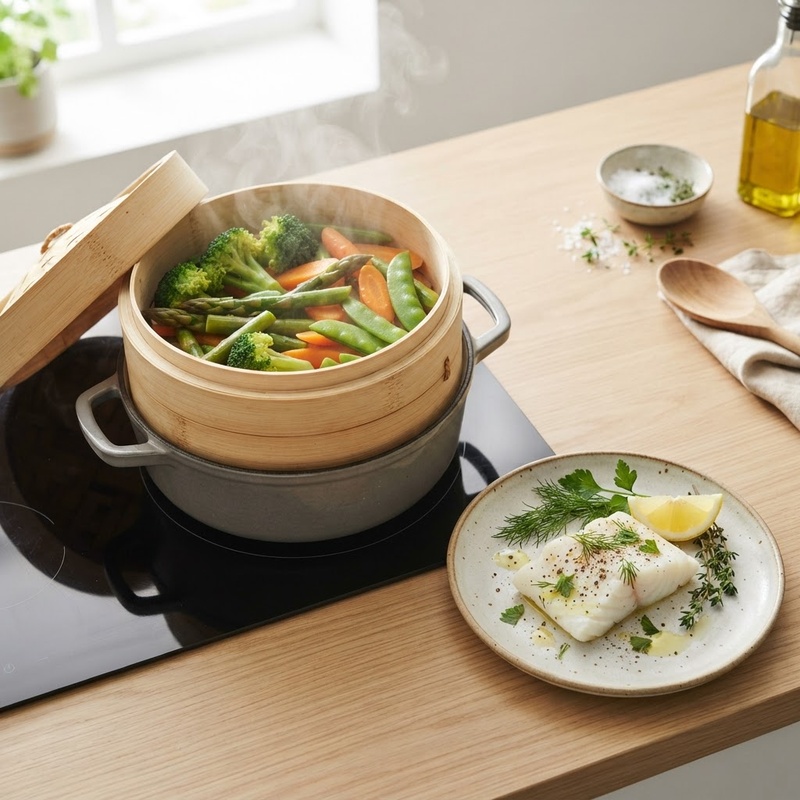
Navigating daily nutrition while taking GLP-1 receptor agonist medications often involves adjusting not just what foods are selected, but how those foods are prepared. GLP-1 therapies influence gastrointestinal physiology by slowing gastric emptying and enhancing post-meal satiety signals. Consequently, meals high in heavy added fats, deep-fried coatings, or overly dry, tough textures can sometimes feel uncomfortably heavy in the stomach. Adopting lighter cooking methods allows individuals to enjoy flavorful, nutrient-dense meals that align with altered digestive pacing, maintaining culinary satisfaction without unnecessary digestive strain.
Navigating daily nutrition while taking GLP-1 receptor agonist medications often involves adjusting not just what foods are selected, but how those foods are prepared. GLP-1 therapies influence gastrointestinal physiology by slowing gastric emptying and enhancing post-meal satiety signals. Consequently, meals high in heavy added fats, deep-fried coatings, or overly dry, tough textures can sometimes feel uncomfortably heavy in the stomach. Adopting lighter cooking methods allows individuals to enjoy flavorful, nutrient-dense meals that align with altered digestive pacing, maintaining culinary satisfaction without unnecessary digestive strain.
Culinary technique plays a pivotal role in meal palatability and digestive comfort. By focusing on cooking methods that preserve moisture, tenderize lean proteins, and highlight natural aromas, meal preparation becomes an empowering part of a healthy lifestyle. Whether managing mild nausea, navigating decreased appetite, or simply seeking gentle meal options, understanding how heat interacts with food components offers practical benefits for daily living.
Why Cooking Technique Matters on GLP-1 Therapy
The physiological changes accompanying GLP-1 medication use mean that food remains in the stomach for longer periods than usual. When foods are prepared using large quantities of saturated fats, butter, or deep frying, the digestion process slows down even further. This prolonged digestive duration can occasionally contribute to feelings of fullness that border on discomfort, bloating, or mild reflux. Utilizing lighter cooking techniques helps mitigate these potential discomforts while supporting overall wellness.
Gastric Emptying and Dietary Fats
Dietary fats require more complex enzymatic breakdown than carbohydrates or lean proteins. When combined with GLP-1-induced delayed gastric emptying, high-fat meals remain in the stomach for extended durations. Clinical research indicates that moderate intake of dietary fats is essential for hormone production and fat-soluble vitamin absorption (such as vitamins A, D, E, and K); however, the method of lipid application matters significantly. Brushing foods lightly with heart-healthy oils like extra virgin olive oil or avocado oil—rather than submerging them in cooking oil—delivers essential fatty acids without overloading the digestive tract.
Preserving Nutrient Density and Hydration
Cooking methods directly influence the retention of essential vitamins, minerals, and natural food moisture. High-temperature frying can degrade heat-sensitive nutrients and create dry, dense textures that are difficult to chew or swallow when appetite is reduced. In contrast, gentle heat applications retain dietary water content, ensuring that poultry, fish, tofu, and vegetables remain tender and hydrating. Maintaining food moisture is particularly helpful for individuals experiencing reduced thirst drive or mild gastrointestinal sensitivity during early treatment phases.
Steaming and Poaching: Gentle Heat for Maximum Moisture
Steaming and poaching represent two of the gentlest culinary methods available in modern kitchens. Because these techniques rely on hot water vapor or simmering liquids, they require zero added oil to cook ingredients thoroughly. They are exceptionally suited for delicate protein sources and fiber-rich vegetables, creating soft, digestible textures that honor subtle food preferences.
Infusing Flavor with Aromatics
A common misconception is that steamed or poached dishes lack depth of flavor. In reality, liquid-based cooking provides an ideal canvas for aromatic herbs and natural flavor enhancers. When poaching lean poultry or seafood, incorporating reduced-sodium broth, citrus juice, fresh ginger root, lemongrass, garlic cloves, or fresh herbs into the poaching liquid infuses subtle, comforting flavors directly into the protein. Similarly, adding lemon peels, star anise, or fresh sprigs of thyme to steaming water subtly perfumes vegetables without adding heavy sauces or excessive sodium.
Steaming Vegetables for Gentle Digestion
Cruciferous vegetables like broccoli, cauliflower, and Brussels sprouts are nutrient-dense but can sometimes cause gas or abdominal distension when consumed raw or undercooked. Gentle steaming breaks down tough plant cellulose and complex starches, rendering them much easier on the digestive system. Steaming until tender-crisp preserves vibrant colors and water-soluble nutrients, such as vitamin C and folate, while facilitating smooth, comfortable digestion.
Sample Moist-Heat Meal Ideas
Incorporating gentle moist-heat preparations into weekly meal plans can be simple and delicious:
- Citrus-Herb Poached Cod: Delicate cod fillets poached gently in a low-sodium vegetable stock infused with sliced lemon, fresh dill, and crushed black peppercorns.
- Ginger-Steamed Chicken Cutlets: Thinly sliced chicken breast steamed over a bed of baby spinach and julienned ginger, finished with a light drizzle of low-sodium tamari.
- Steamed Vegetable Medley with Lemon Zest: Zucchini, yellow squash, and sugar snap peas steamed until tender-crisp and tossed lightly with fresh lemon juice and fresh basil.
Baking and Roasting with Minimal Added Fats
Baking and roasting utilize dry heat to develop rich, complex flavor profiles through mild caramelization. While traditional roasting recipes often call for generous amounts of butter or oil, strategic adjustments allow for delicious roasted dishes with significantly reduced fat content.
Parchment En Papillote Technique
Cooking en papillote—or wrapped in parchment paper packets—is a classic French culinary technique that combines the benefits of baking and steaming. Proteins such as white fish, salmon, or chicken cutlets are sealed inside folded parchment paper along with thinly sliced vegetables, citrus slices, and fresh herbs. As the oven heats the sealed packet, moisture released from the ingredients builds gentle steam inside the pouch. This cooks the meal in its own aromatic juices, yielding an extraordinarily tender and moist dish without needing added oils, butter, or heavy creamy gravies.
Roasting at Moderate Temperatures
Roasting root vegetables, squashes, and lean meats at moderate temperatures (around 375°F to 400°F) allows natural sugars to caramelize gently without burning. Using a food-grade oil sprayer or mister ensures an even, micro-thin coating of oil across ingredients. Alternatively, tossing vegetables in a small splash of vegetable broth or apple cider vinegar prior to seasoning helps dried herbs adhere while preventing scorching during baking.
Balancing Texture with Sauce Substitutes
Heavy gravies and cream-based sauces can complicate digestion on GLP-1 therapy due to their high fat density. Roasted dishes can instead be enhanced with vibrant, low-fat alternatives. Pureeing roasted red peppers with garlic and a touch of Greek yogurt creates a creamy yet light sauce. Similarly, fresh herb chimney-style salsas or cucumber-dill tzatziki made with plain nonfat yogurt offer brightness and moisture without heavy fats.
Air-Frying and Grilling: Achieving Crispiness and Flavor Safely
Texture plays a significant role in appetite appeal. When appetite is naturally subdued, soft or soggy foods can sometimes feel unappealing. Air-frying and gentle grilling provide satisfying crispiness and smoky notes without relying on heavy grease or deep-fat frying.
Smart Air-Frying for Small Batches
Air fryers function by circulating superheated air rapidly around food, creating a crispy outer layer similar to traditional frying. However, air-frying requires up to 80% less oil. For individuals on GLP-1 therapy, air-frying provides a quick, convenient way to cook small portions of chicken tenders, tofu cubes, or vegetable fries. A light spritz of avocado oil spray before air-frying achieves a golden, crunchy texture while keeping fat content manageable for sensitive stomachs.
Gentle Grilling without Heavy Char
Outdoor or indoor stovetop grilling adds desirable smoky flavor to meals. To keep grilled foods digestive-friendly, avoid high-heat charring, which can produce dry textures and harsh compounds. Pre-marinating lean meats in acidic bases—such as lemon juice, apple cider vinegar, or low-fat yogurt—tenderizes meat fibers prior to cooking. Grilling over medium, indirect heat ensures thorough cooking while retaining internal juices.
Crispy Air-Fryer Recipes for Daily Enjoyment
Here are several practical air-fryer options that deliver appealing texture with minimal oil:
- Crispy Herbed Tofu Cubes: Pressed extra-firm tofu tossed in garlic powder, onion powder, and nutritional yeast, lightly misted with olive oil and air-fried until golden.
- Air-Fried Zucchini Fries: Zucchini spears lightly coated in whole-wheat breadcrumbs and Italian herbs, air-fried for a light, crunchy side dish.
- Lemon-Panko Chicken Strips: Lean chicken strips lightly coated in seasoned panko crumbs, providing satisfying crunch with minimal added fat.
Equipping Your Kitchen for Small-Batch Cooking
A frequent observation among those taking GLP-1 medications is that meal sizes naturally diminish. Preparing traditional family-sized recipes can lead to food waste or overwhelming refrigerator leftovers. Investing in simple, compact kitchen tools tailored for small-batch cooking can streamline daily meal preparation and encourage consistent nutrition.
Essential Small-Batch Tools
A few versatile culinary items can significantly enhance the cooking experience:
- Compact Air Fryers: 2- to 3-quart air fryers heat rapidly, require minimal cleanup, and cook single or double portions efficiently.
- Bamboo or Stainless Steel Steamers: Multi-tiered steamers allow simultaneous cooking of protein and vegetables over a single pot of boiling water.
- Silicone Baking Mats & Oil Sprayers: High-quality misters apply ultra-thin oil layers, while non-stick silicone mats eliminate the need for pan greasing.
- Digital Meat Thermometers: Overcooking is a primary cause of dry meat; instant-read thermometers ensure proteins reach food-safe internal temperatures without over-drying.
- Mini Food Processors: Ideal for blending single servings of gentle sauces, herb marinades, or smooth vegetable purées.
- Portion-Sized Ovenware: Small ceramic or glass baking dishes enable single-portion casseroles or baked eggs without unnecessary leftovers.
Preventing Food Waste and Meal Storage Tips
Small-batch meal preparation encourages fresh consumption and reduces kitchen stress. Portioning proteins into individual servings before freezing makes it straightforward to defrost exactly what is needed for a single meal. Preparing small batches of grains like quinoa or brown rice every few days maintains food quality and prevents ingredient spoilage. Storing cooked meals in airtight glass containers preserves flavor and moisture for convenient reheating.
Integrating Lighter Cooking into Long-Term Lifestyle Habits
Adopting lighter cooking techniques is not about strict dietary restriction; rather, it represents a thoughtful adaptation to your body's evolving physiological signals. Focusing on culinary methods that maximize moisture, ease digestion, and highlight natural ingredients helps build sustainable, enjoyable eating habits that support long-term wellness goals.
Because nutritional requirements and gastrointestinal tolerances vary from person to person, individual experiences with GLP-1 therapy naturally differ. Working closely with healthcare providers, registered dietitians, or clinical specialists ensures that your meal preparation strategies align with your personal health profile. To learn more about comprehensive medical guidance, personalized nutritional approaches, and clinical care, explore EOS Health weight loss support.
Gastric Emptying
The physiological process by which food leaves the stomach and enters the small intestine for further digestion and nutrient absorption.
En Papillote
A moist-heat cooking method where food is enclosed in a folded pouch of parchment paper or foil and baked, allowing steam to cook the ingredients gently.
Poaching
A gentle cooking technique involving submerging food in a simmering liquid, such as water, stock, or herbal broth, at low temperatures.
GLP-1 Receptor Agonist
A class of medications that mimic the naturally occurring GLP-1 hormone, aiding in blood sugar regulation, appetite control, and gastric pacing under clinical supervision.
Tender-Crisp
A culinary standard for cooked vegetables where they are tender enough to pierce easily with a fork while retaining a pleasant firmness and vibrant color.
Sources
faq
Common questions, answered.
Why do high-fat foods cause discomfort on GLP-1 medications?
GLP-1 medications slow down gastric emptying, meaning food remains in the stomach longer. High-fat foods naturally take longer to digest, so combining them with GLP-1 therapy can lead to feelings of heaviness, nausea, or indigestion.
Can air-frying replace traditional frying for GLP-1 meal prep?
Yes, air-frying offers a lighter alternative to deep frying by using rapidly circulating hot air and a light spritz of oil. It achieves a crisp texture while significantly reducing added fat content.
What are the best seasonings for poached or steamed proteins?
Aromatic herbs, garlic, ginger, citrus zest, and low-sodium broths add rich flavor to steamed or poached dishes without adding heavy fats or causing digestive irritation.
How does cooking en papillote keep food tender?
Cooking en papillote seals proteins and vegetables inside parchment paper. As the oven heats the pouch, natural moisture turns into steam, cooking the food gently in its own juices for maximum tenderness.
Is it necessary to buy special small-batch kitchen appliances?
Specialized appliances are not strictly necessary, but compact tools like small air fryers or multi-tier steamers can simplify prep for smaller portion sizes and reduce clean-up time.
How can vegetables be cooked to minimize gas and bloating?
Gentle steaming or roasting until tender breaks down complex plant fibers and starches, making vegetables significantly easier to digest compared to raw preparations.
Can oil misters help control fat intake during baking?
Yes, refillable oil misters distribute a thin, uniform layer of oil over ingredients, preventing food from sticking while using a fraction of the oil required by traditional pouring.
Should I discuss meal preparation adjustments with my clinical team?
Yes, consulting with a licensed clinician or dietitian helps ensure that your cooking strategies meet your specific dietary needs and support your overall health goals.
Ready to feel like yourself again.™
Start free consultationwhat are you waiting for?
You're one click away from a new you.
Fill out our brief form and a licensed physician will evaluate which treatment plan is best for you.