Lunch on GLP-1 Medications: Building Satisfying Midday Meals
Discover practical GLP-1 lunch ideas that support steady energy and satiety. Learn to build nutrient-dense midday meals tailored for reduced appetite.
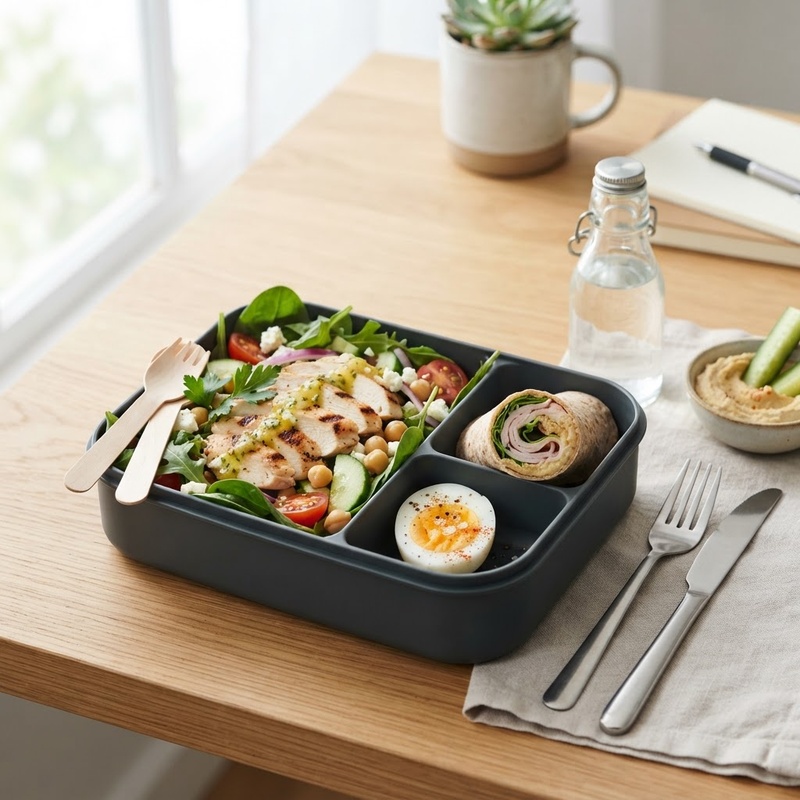
Navigating mealtime while undergoing glucagon-like peptide-1 (GLP-1) receptor agonist therapy often introduces a completely new relationship with food. For individuals starting semaglutide, tirzepatide, or related metabolic treatments, midday can bring a noticeable shift in appetite signals. Where lunch once represented a high-volume meal, it frequently evolves into a moment of decision: how to nourish your body when physical hunger feels subtle or significantly diminished. Building satisfying, nutrient-dense midday meals is not merely about eating less—it is about making every bite count so you can support lean muscle preservation, maintain metabolic health, and enjoy vibrant afternoon energy.
Navigating mealtime while undergoing glucagon-like peptide-1 (GLP-1) receptor agonist therapy often introduces a completely new relationship with food. For individuals starting semaglutide, tirzepatide, or related metabolic treatments, midday can bring a noticeable shift in appetite signals. Where lunch once represented a high-volume meal, it frequently evolves into a moment of decision: how to nourish your body when physical hunger feels subtle or significantly diminished. Building satisfying, nutrient-dense midday meals is not merely about eating less—it is about making every bite count so you can support lean muscle preservation, maintain metabolic health, and enjoy vibrant afternoon energy.
When GLP-1 medications slow gastric emptying and enhance central satiety signaling, traditional lunch habits may no longer align with how your digestive system feels. Large, heavy restaurant meals or fast-food combos can lead to uncomfortable fullness or mild digestive discomfort. Conversely, skipping lunch altogether risks inadequate nutrient intake and an energy slump late in the afternoon. Finding balance requires practical strategies tailored to smaller appetites. In this guide, we explore evidence-informed lunch approaches—from visual bento-style plates and protein-forward salads to smart leftover repurposing and desk-friendly preparation—that keep midday eating pleasant, efficient, and deeply nourishing.
Understanding the Midday Meal Shift on GLP-1 Therapy
To construct a rewarding midday meal, it helps to understand how GLP-1 receptor agonists alter physiological hunger and digestion. In human physiology, GLP-1 is secreted by intestinal cells in response to food ingestion. It acts on appetite centers in the brain to signal satiety while modulating insulin secretion. Pharmacological GLP-1 therapies amplify these natural pathways, slowing stomach motility so that food remains in the stomach longer.
This physiological delay means that satiety arrives earlier in a meal and lasts longer into the afternoon. Clinical observations show that patients frequently report "food noise"—the persistent background preoccupation with eating—is noticeably muted. While this supports weight management goals, it introduces specific dietary considerations during midday hours:
- Volume Sensitivity: Standard plate sizes may feel overwhelming. Eating large physical volumes can trigger premature fullness or upper abdominal discomfort.
- Protein Prioritization: Because total volume capacity decreases, getting adequate daily dietary protein becomes paramount. Protein supplies essential amino acids needed to preserve lean muscle mass during weight management.
- Micronutrient Density: Smaller portion sizes mean every meal should be rich in essential vitamins, minerals, and dietary fiber.
- Sustained Glycemic Stability: Balanced meal architecture helps prevent postprandial blood sugar spikes and subsequent crashes, supporting steady mental focus throughout the afternoon.
Recognizing these metabolic dynamics allows you to approach lunch with intentionality. Rather than viewing a smaller appetite as a hurdle, you can utilize it as an opportunity to build structured, high-quality midday plates that support overall wellness.
Bento-Style Plates: Variety and Portion Control for Smaller Appetites
When large, unified meals feel daunting to a reduced appetite, bento-style compartmentalized plates offer an attractive, highly effective alternative. Originating in Japanese culinary tradition, bento boxes partition different food groups into distinct, bite-sized sections. For individuals taking GLP-1 medications, this visual arrangement provides several distinct advantages.
First, compartmentalization eliminates the overwhelming visual impact of a single large entree. Seeing small, colorful portions arranged neatly reduces mealtime stress and encourages intuitive, paced eating. Second, bento plates naturally facilitate balanced macronutrient distribution without requiring complex tracking.
Here is how to structure a balanced GLP-1 bento-style lunch plate:
- Lean Protein Section: Dedicate the primary compartment to high-quality protein. Options include sliced roasted turkey breast, cubed grilled chicken, hard-boiled eggs, steamed edamame, or baked firm tofu. Aim for roughly 20 to 30 grams of protein in this section.
- Fibrous Crunchy Vegetables: Fill a compartment with digestive-friendly vegetables, such as sliced cucumber rounds, bell pepper strips, or baby carrots. These provide hydration, micronutrients, and gentle dietary fiber.
- Healthy Fats and Dips: A small compartment containing two tablespoons of hummus, guacamole, seed butter, or a handful of raw almonds or walnuts adds creamy texture and essential fatty acids that promote satiety.
- Complex Carbohydrates: Incorporate a modest portion (approximately one-quarter to one-half cup) of slow-digesting complex carbs, such as cooked quinoa, brown rice, roasted sweet potato cubes, or whole-grain seeded crackers.
- Fresh Fruit: Finish with a handful of fresh berries (blueberries or raspberries), providing natural antioxidant support and subtle sweetness without driving blood glucose spikes.
By grazing through small, distinct bites, you can easily stop when reaching comfortable fullness. Bento containers are also portable, making them ideal for workplace refrigerators or remote work setups.
Protein-Forward Salads That Satisfy Without Heaviness
Salads are a classic lunch choice, but traditional restaurant salads often miss the mark for those on GLP-1 therapy. Many commercial salads rely on massive beds of raw greens drizzled with heavy dressings, resulting in a meal that is either too voluminous to finish or deceptively low in protein.
To craft a salad that genuinely supports your body on GLP-1 medication, reframe the construction: build from the protein upward rather than treating protein as an garnish.
Step 1: Select a High-Yield Protein Anchor
Begin with a generous protein base. Excellent options include four to six ounces of grilled chicken breast, wild-caught salmon, flake light tuna packed in olive oil, poached shrimp, or cooked lentils paired with hemp seeds. Cold-water fish like salmon offer the added benefit of omega-3 fatty acids, which research indicates support cardiovascular health.
Step 2: Choose Tender, Nutrient-Dense Greens
Large quantities of dense raw cruciferous greens can sometimes feel heavy to digest when stomach emptying is slowed. Instead, opt for tender greens like baby spinach, arugula, butter lettuce, or mixed spring greens. Alternatively, consider using warm or chilled roasted vegetables—such as roasted zucchini and bell peppers—as your salad base for easier digestion.
Step 3: Integrate Functional Color and Fiber
Add small portions of colorful, nutrient-dense toppings. Cherry tomatoes, sliced radishes, grated carrots, and pumpkin seeds add micronutrients, crunch, and phytonutrients without adding excessive physical volume.
Step 4: Employ Clean Emulsified Dressings
Heavy, creamy dressings can feel overly rich when digestion is delayed. Create a simple home dressing using extra-virgin olive oil, fresh lemon juice or apple cider vinegar, a dab of Dijon mustard, and a pinch of salt and pepper. Alternatively, whisk non-fat Greek yogurt with fresh herbs and lemon juice for a creamy, protein-boosted dressing that stays light on the stomach.
Repurposing Last Night's Dinner for Effortless Midday Nutrition
Preparing a dedicated lunch from scratch every morning can lead to decision fatigue, especially when your appetite is modest. One of the most efficient strategies for consistent GLP-1 nutrition is intentional dinner batch cooking—often referred to as "cook once, eat twice."
When cooking evening meals, prepare extra portions of lean proteins and roasted vegetables. Transforming evening leftovers into fresh midday options saves time and ensures you have high-quality nourishment ready when lunch hour arrives.
Consider these simple leftover transformations:
- Roasted Chicken to Grain Bowl: Shred leftover herb-roasted chicken breast over a half-cup of warm quinoa. Top with leftover roasted broccoli, a drizzle of tahini, and a squeeze of fresh lemon for a nourishing warm lunch bowl.
- Grilled Salmon to Protein Wrap: Flake cold grilled salmon into a high-protein whole-grain tortilla. Add a smear of mashed avocado and baby spinach for an easy, hand-held wrap.
- Lean Ground Turkey to Stuffed Pepper: Reheat leftover seasoned lean ground turkey and black beans, then spoon into a pre-roasted bell pepper half. Top with a sprinkle of low-fat cheese or salsa for a comforting meal.
- Slow-Cooked Beef to Shredded Salad: Toss cold, tender shredded beef over arugula with cherry tomatoes and an olive oil vinaigrette for a rich, protein-packed salad requiring zero active cooking.
When reheating leftovers, gentle warming is ideal. High-power microwave heating can dry out lean meats. Utilizing a convection toaster oven or low-power microwave setting preserves moisture and tenderness, keeping your meal pleasant to eat.
Desk-Friendly and On-the-Go Options for Busy Schedules
Workplace demands, travel, or family schedules often mean lunch must be eaten at a desk or between appointments. Establishing a suite of desk-friendly, quick-assembly options ensures you remain consistent with your nutritional goals even on busy days.
Mason Jar Layered Salads
Mason jar salads are ideal for advance meal preparation because vertical layering prevents sogginess. Pour your dressing at the bottom of a glass jar. Layer firm vegetables next, followed by your cooked protein (chickpeas, diced turkey, or chicken). Place grains or seeds above the protein, and fill the top space with fresh greens. When ready to eat, simply shake into a bowl.
High-Protein Cottage Cheese or Greek Yogurt Bowls
For days when warm food is unappealing, plain Greek yogurt and cottage cheese serve as outstanding, low-prep lunch bases. A one-cup serving delivers between 20 and 25 grams of complete protein. Top with a tablespoon of chia seeds or crushed walnuts and a handful of blueberries for a refreshing lunch that requires no heating.
Emergency Pantry Backup Stash
Keep a curated backup stash in your office desk drawer or bag for unexpected schedule shifts:
- Single-serve pouches of wild albacore tuna or salmon
- Individual snack packs of dry-roasted edamame or lupini beans
- Single-origin unsalted almonds or pumpkin seeds
- Low-sodium bone broth packets (mixed with hot water for a soothing, protein-rich sip)
- High-fiber, low-sugar protein bars with clean ingredient lists
Avoiding the 3 PM Energy Crash Through Balanced Glycemic Control
A common experience among professionals is the afternoon slump—that sudden onset of physical fatigue and reduced concentration between 2:00 PM and 4:00 PM. While many assume afternoon fatigue is inevitable, it is frequently driven by blood sugar fluctuations and digestive energy expenditure.
GLP-1 receptor agonists play a role in regulating glucose-dependent insulin secretion. However, dietary choices at lunch still exert a strong influence over afternoon energy levels. Eating high-glycemic carbohydrates in isolation can cause a rapid rise in blood glucose followed by a drop, leaving you drained.
To support steady energy and mental focus throughout the afternoon, structure your lunch around glycemic balance principles:
1. The Protein-First Sequence: Research in clinical nutrition suggests that consuming protein and vegetables prior to carbohydrates during a meal slows gastric emptying further and dampens post-meal glucose spikes.
2. Pairing Carbs with Fiber and Fat: Avoid eating complex carbohydrates alone. Always anchor grains, fruit, or starchy vegetables with healthy fats and lean protein to slow nutrient absorption.
3. Hydration Between Meals: Dehydration is an understated contributor to fatigue. Focus on sipping water, herbal teas, or electrolyte fluids between meals to maintain optimal hydration without overfilling the stomach during lunch.
4. Light Post-Lunch Movement: Incorporating a gentle 10-minute walk after lunch enhances muscle glucose uptake, further stabilizing blood sugar levels and boosting mental clarity for afternoon tasks.
Building Long-Term Meal Consistency with EOS Health
Adapting your daily nutrition while taking GLP-1 therapy is a dynamic process that evolves over time. As your body adjusts to medication dosages, your food preferences and appetite levels may naturally shift. Developing a flexible, enjoyable approach to midday meals empowers you to build habits that support long-term metabolic health.
Every individual's metabolic profile and lifestyle demands are unique. While educational guidelines offer a strong foundation, personalized clinical support ensures that your weight management journey is tailored to your specific health goals.
At EOS Health, our clinical team provides comprehensive telehealth care designed to support you at every step. From evidence-informed medical guidance to personalized lifestyle strategies, we partner with you to support sustainable wellness. Medical therapies, including GLP-1 receptor agonists and compounded formulations (which are tailored variations and not FDA-approved brand products), are prescribed only after a thorough clinical evaluation by a licensed healthcare provider to confirm medical appropriateness.
Ready to take the next step in your health journey with dedicated professional guidance? Explore our tailored clinical programs and discover how personalized medical care can support your long-term wellness goals by visiting EOS Health Weight Loss Support today.
Gastric Emptying
The physiological process by which food exits the stomach and enters the small intestine for nutrient absorption. GLP-1 receptor agonist medications naturally slow this rate, resulting in prolonged feelings of fullness.
GLP-1 Receptor Agonist
A class of metabolic medications that mimic the naturally occurring glucagon-like peptide-1 hormone, enhancing insulin secretion, suppressing glucagon, and slowing gastric motility to support blood sugar regulation and weight management.
Satiety
The feeling of fullness and satisfaction that persists after eating, suppressing the physiological urge to consume additional food until gastric contents are digested.
Macronutrient Density
The relative concentration of essential proteins, healthy fats, and complex carbohydrates within a specific volume or caloric quantity of food.
Glycemic Response
The degree and speed with which a specific food or meal elevates blood glucose levels following ingestion and digestion.
Sources
faq
Common questions, answered.
How much protein should I aim for at lunch while taking a GLP-1 medication?
While individual nutritional requirements vary based on body weight, activity level, and clinical goals, many healthcare professionals recommend aiming for roughly 20 to 30 grams of protein during midday meals. Prioritizing protein at lunch helps maintain lean muscle mass during weight management and promotes sustained satiety throughout the afternoon.
What should I do if I feel too full to finish my lunch?
If you experience strong fullness signals while eating, it is best to honor your body's cues and stop eating immediately rather than forcing yourself to finish the plate. Pushing past comfortable fullness on GLP-1 medications can cause stomach discomfort or mild nausea. You can save remaining portions for a small snack later if hunger returns.
Are cold lunches better than hot lunches on GLP-1 medications?
Temperature preference varies from person to person, but many individuals report that cold or room-temperature foods—such as bento boxes, chilled chicken salads, or Greek yogurt bowls—are easier to tolerate when experiencing mild nausea. Experiment with both temperatures to determine what feels most comfortable for your digestive system.
How can I prevent nausea after eating lunch on GLP-1 therapy?
To reduce the likelihood of post-lunch nausea, eat slowly and chew your food thoroughly. Avoid high-fat, fried, or heavily spiced foods, which digest more slowly and can strain delayed gastric emptying. Additionally, avoid drinking large volumes of liquid while eating, and refrain from lying down immediately after your meal.
Is it okay to skip lunch if I do not feel hungry at midday?
While GLP-1 therapy significantly reduces hunger signals, consistently skipping meals can make it difficult to meet your daily protein and essential micronutrient requirements. If you do not feel traditional hunger, consider eating a small, nutrient-dense mini-meal—such as a small cottage cheese cup or a few slices of turkey with cucumber—to keep your body adequately nourished.
What are the best beverages to drink with midday meals on GLP-1s?
Sipping small amounts of plain water, room-temperature herbal tea, or diluted electrolyte drinks is generally well-tolerated. It is best to avoid carbonated beverages during meals, as trapped gas can cause abdominal bloating when stomach emptying is delayed. Minimize sugary drinks that can trigger blood glucose fluctuations.
Can I prepare my GLP-1 friendly lunches in advance for the work week?
Yes, meal preparation is one of the most effective strategies for maintaining consistent nutrition. Bento-style boxes, mason jar salads, and portioned leftovers can easily be prepared two to three days in advance. Keep ingredients stored in airtight containers in the refrigerator to preserve freshness and nutrient quality.
Should I consult a healthcare provider before changing my diet on GLP-1s?
Yes, discussing your meal plan with your prescribing clinician or a registered dietitian is strongly recommended. A licensed healthcare provider can help tailor your macronutrient targets to your specific clinical history, medication dosage, and individual health goals.
Ready to feel like yourself again.™
Start free consultationwhat are you waiting for?
You're one click away from a new you.
Fill out our brief form and a licensed physician will evaluate which treatment plan is best for you.