Managing Early Satiety with High-Density Snacks on GLP-1
Learn how high-density snacks like nut butter and chia pudding help manage early satiety on GLP-1 therapy while maintaining essential daily nutrition.
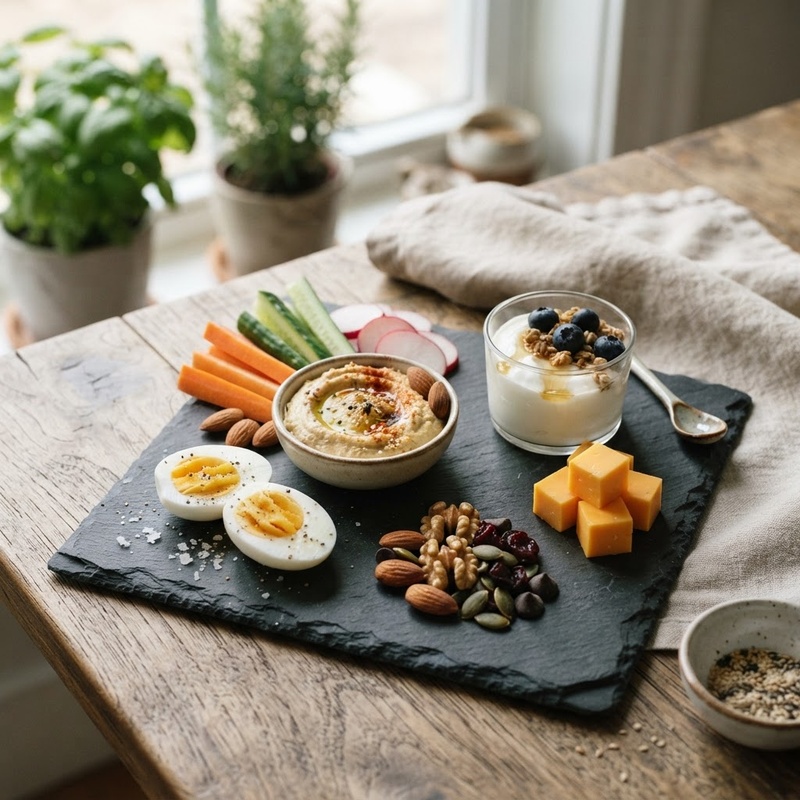
Starting GLP-1 receptor agonist therapy represents a meaningful step for many individuals seeking sustainable weight management and improved metabolic health. These prescription medications work by mimicking naturally occurring incretin hormones that help regulate appetite, enhance insulin sensitivity, and slow the rate at which food leaves the stomach. While these physiological shifts effectively assist with appetite control, they frequently introduce a unique dietary adjustment known as early satiety—the feeling of fullness after consuming only a small fraction of a typical meal.
Starting GLP-1 receptor agonist therapy represents a meaningful step for many individuals seeking sustainable weight management and improved metabolic health. These prescription medications work by mimicking naturally occurring incretin hormones that help regulate appetite, enhance insulin sensitivity, and slow the rate at which food leaves the stomach. While these physiological shifts effectively assist with appetite control, they frequently introduce a unique dietary adjustment known as early satiety—the feeling of fullness after consuming only a small fraction of a typical meal.
Experiencing early satiety can leave many people wondering how to meet their fundamental nutritional needs when their stomach feels satisfied after just a few bites. When overall food volume drops significantly, ensuring an adequate intake of essential protein, healthy fats, vitamins, and minerals becomes vital to preserving lean muscle mass and supporting daily energy. Rather than forcing larger meals that may lead to abdominal discomfort or nausea, integrating compact, high-density snacks into your daily routine offers a practical, comfortable solution. In this guide, we explore the science behind GLP-1-induced early satiety and highlight how nutrient-dense snacks—such as nut butter pairings, chia seed puddings, and protein-fortified blends—can help nourish your body gently.
Understanding Early Satiety and Delayed Gastric Emptying on GLP-1s
To navigate early satiety effectively, it helps to understand how GLP-1 medications interact with your digestive system and brain. GLP-1 (glucagon-like peptide-1) receptor agonists bind to specific receptors throughout the digestive tract and brain, triggering physiological responses that promote satiety and steady blood glucose regulation.
The Physiological Mechanism Behind Feeling Full Quickly
A primary mechanism through which GLP-1 medications exert their effects is delayed gastric emptying. Under typical conditions, the stomach contracts rhythmically to process food and move it into the small intestine. GLP-1 receptor agonists slow down these gastric contractions, keeping food inside the stomach for a longer duration. Concurrently, the medication acts on appetite centers within the hypothalamus, signaling that the body has received sufficient nourishment. Together, these mechanisms mean that modest portions of food often produce a pronounced, long-lasting sensation of fullness.
While delayed gastric emptying supports appetite regulation, it temporarily limits physical stomach capacity. Attempting to consume traditional meal volumes when gastric motility is slowed can lead to upper abdominal pressure, bloating, or mild nausea. Recognizing that early satiety is a natural response to GLP-1 therapy allows you to shift your approach from eating larger volumes to maximizing the nutritional quality of smaller portions.
Why Adequate Nutrition Matters Even When Appetite Is Low
When appetite drops, it is easy to under-consume essential nutrients. Maintaining adequate intake—even during weight management—supports metabolic function and lean tissue preservation. Clinical observations indicate that preserving lean muscle mass is an important element of long-term health during weight management journeys.
Protein is particularly essential because it provides amino acids needed for muscle synthesis and enzyme production. Healthy fats supply concentrated energy and facilitate the absorption of fat-soluble vitamins (A, D, E, and K). Micronutrients such as magnesium, potassium, calcium, and B vitamins support cellular energy production and nerve function. Ensuring your body receives adequate amounts of these nutrients requires intentional food selection when total eating capacity is reduced.
The Role of High-Density, Low-Volume Foods
When stomach capacity is limited by delayed gastric emptying, high-density foods offer a practical dietary strategy. High-density snacks pack significant caloric, protein, and micronutrient value into a small physical volume, helping you satisfy physiological requirements without overfilling your stomach.
What Defines a High-Density Snack?
A high-density snack delivers substantial nutritional value per bite. Unlike low-density, high-volume foods—such as large raw salads or airy snacks—high-density options rely on compact sources of protein, healthy fats, and complex carbohydrates. For example, a two-tablespoon serving of almond butter provides healthy fats, dietary fiber, and protein in a small volume that digests easily.
Key components of balanced, high-density snacks include:
- Concentrated Protein: Greek yogurt, cottage cheese, protein powders, hemp seeds, and eggs provide essential amino acids in compact portions.
- Healthy Fats: Nut butters, seeds, avocado, olive oil, and coconut milk offer caloric efficiency and sustained energy release.
- Soluble Fiber: Chia seeds, ground flaxseeds, and oats absorb moisture, supporting gentle digestion without excess bulk.
Avoiding Common Digestive Discomforts
Selecting high-density, low-volume options helps minimize common gastrointestinal complaints associated with GLP-1 therapy. Large, high-volume meals require significant stomach space and digestive effort, which can cause discomfort when stomach emptying is delayed. In contrast, smaller, nutrient-dense portions digest more smoothly and are less likely to provoke acid reflux or heaviness.
Focusing on whole, minimally processed nutrient-dense foods ensures your body receives high-quality nourishment while respecting your stomach's natural limits. Avoiding heavily fried or ultra-processed options helps reduce the chance of digestive discomfort while supporting steady nourishment.
Top Nutrient-Dense Snack Options for GLP-1 Support
Building a collection of convenient, nutrient-dense snacks makes managing early satiety straightforward and satisfying. Below are several effective snack ideas tailored for individuals taking GLP-1 medications.
Nut Butters and Seed Pastes
Nut and seed butters—such as almond butter, peanut butter, cashew butter, sunflower seed butter, and tahini—are among the most versatile high-density foods available. Offering concentrated energy and protein alongside healthy monounsaturated and polyunsaturated fats, nut butters deliver rich nourishment in small quantities.
Simple ways to enjoy nut and seed butters include:
- Pairing two tablespoons of almond butter with thin apple slices.
- Spreading sunflower seed butter on a small oat cracker.
- Blending tahini into a creamy dip paired with steamed vegetable sticks.
- Stirring warm peanut butter into a small portion of Greek yogurt.
Chia Seed Puddings and Flax Blends
Chia seeds are nutrient-rich seeds packed with omega-3 fatty acids, plant-based protein, calcium, and soluble fiber. When soaked in liquid, chia seeds form a smooth gel that glides easily through the digestive tract. Because soluble fiber absorbs water, chia pudding supports regular digestion—a helpful benefit since GLP-1 medications can sometimes contribute to sluggish bowel motility.
To prepare a simple high-density chia pudding, combine two tablespoons of chia seeds with a half-cup of unsweetened almond or soy milk, a dash of vanilla extract, and a scoop of unflavored protein powder. Allow the mixture to rest in the refrigerator for at least two hours. The resulting pudding is gentle on the stomach and packed with nutrition in every spoonful.
Greek Yogurt and Cottage Cheese Parfaits
Strained dairy products like Greek yogurt and cottage cheese are excellent sources of high-quality protein. A half-cup serving of plain Greek yogurt or cottage cheese provides substantial protein in a smooth, easy-to-digest format. Additionally, fermented dairy foods contain probiotics that support gut microbiome health.
To boost nutrient density without adding volume, stir a teaspoon of chia seeds or ground flaxseed into a small portion of Greek yogurt, topped with a sprinkle of hemp seeds for extra protein and healthy fats.
Dense Smoothie Shots and Protein Purees
When solid foods feel unappealing due to early satiety, small liquid portions can offer an alternative. Instead of drinking large smoothies that fill the stomach with liquid, focus on concentrated "smoothie shots" served in small 4- to 6-ounce portions.
A concentrated smoothie shot might blend high-protein milk, half a small avocado for healthy fats, a small scoop of protein powder, and a handful of berries. Drinking this thick, nutrient-dense shot delivers protein and antioxidants in a few comfortable sips.
Practical Meal Strategies and Snacking Routines
Integrating high-density snacks into your day involves moving away from three large traditional meals toward a flexible, smaller-portion routine tailored to your body's signals.
Pacing and Timing Snacks Throughout the Day
Many individuals on GLP-1 therapy find success with two smaller meals supplemented by two to three high-density snacks spaced across the day. Eating smaller amounts every three to four hours helps supply steady energy without overloading the stomach at any single sitting.
Practicing mindful eating is equally valuable. Because gastric emptying is delayed, fullness cues may arrive quickly. Pausing mid-snack, eating slowly, and chewing thoroughly allow time for stomach-brain communication, helping you finish comfortably.
Hydration Considerations Alongside Dense Foods
Hydration is vital during GLP-1 therapy to support normal organ function and digestion. However, drinking large fluid volumes during a meal or snack can fill stomach space, triggering early satiety before adequate food is consumed.
Separating fluids from high-density snacks is often helpful. Try sipping water between snacks rather than chugging liquids alongside them. Stopping fluid intake 15 to 30 minutes before eating allows your stomach to accommodate nutrient-dense foods easily.
Working with Healthcare Professionals for Tailored Nutrition
Every individual experiences GLP-1 therapy differently. While high-density snacks provide practical nutritional support, personalized care from qualified healthcare providers ensures your diet aligns with your overall health profile and clinical needs.
Personalizing Nutrient Targets and Monitoring Progress
Consulting a licensed clinician or registered dietitian helps establish personalized daily protein and intake goals, monitor body composition changes, and assess routine lab markers. If you experience persistent nausea, severe loss of appetite, or difficulty maintaining hydration, your healthcare provider can evaluate your medication routine and suggest appropriate adjustments.
Prescription GLP-1 receptor agonist medications are available exclusively after clinical evaluation by a licensed healthcare provider. Patients should also note that compounded GLP-1 medications are not FDA-approved, highlighting the importance of ongoing clinical oversight. Partnering with a supportive healthcare team helps ensure your wellness path remains safe, comfortable, and sustainable.
If you are exploring GLP-1 options or seeking clinical guidance for weight management, the EOS Health Weight Loss Program offers clinical care, clinician guidance, and nutritional strategies designed to support your individual journey.
Early Satiety
The sensation of feeling full quickly after starting to eat, leading to smaller overall meal sizes.
Delayed Gastric Emptying
A physiological effect where the stomach empties its contents into the small intestine at a slower rate, common during GLP-1 receptor agonist therapy.
Nutrient Density
The concentration of essential nutrients—such as protein, healthy fats, vitamins, and minerals—relative to the physical volume of a food.
Soluble Fiber
A type of dietary fiber that dissolves in water to form a gel-like substance, supporting digestion, blood sugar stability, and bowel regularity.
GLP-1 Receptor Agonist
A class of prescription medications that mimic the natural incretin hormone GLP-1 to support blood glucose regulation and appetite control.
Sources
faq
Common questions, answered.
What causes early satiety when taking GLP-1 medications?
Early satiety on GLP-1 medications occurs because the medication slows gastric emptying and acts on brain centers that regulate appetite, promoting feelings of fullness after smaller amounts of food.
Why are high-density snacks helpful during GLP-1 therapy?
High-density snacks deliver essential protein, healthy fats, and nutrients in small physical volumes. This helps meet nutritional needs without overfilling the stomach or causing digestive discomfort.
How much protein should I aim for in my snacks while on GLP-1 therapy?
Protein goals vary individually, but aiming for roughly 8 to 15 grams of protein per snack is often helpful. Options like Greek yogurt, cottage cheese, nut butters, and protein powders make reaching this range achievable in small portions.
Are chia seed puddings gentle on digestion for GLP-1 users?
Yes, chia seed puddings are gentle and nutritious. They provide soluble fiber, omega-3 fats, and gentle hydration, supporting digestive regularity when appetite is reduced.
How can I manage mild nausea when eating dense snacks?
To manage mild nausea, select plain or mildly flavored dense foods, eat slowly, chew thoroughly, and avoid drinking large volumes of liquid alongside snacks. Cold options like Greek yogurt or almond butter on crackers are often well-tolerated.
Should I drink water while eating high-density snacks?
Sipping small amounts of water is fine, but avoiding large quantities during snacks preserves stomach capacity for nutrient-dense foods. Separating fluids from solids by 15 to 30 minutes is a common strategy.
Can I rely on small snacks if I cannot finish full meals?
During initial dose adjustments or times of low appetite, eating 4 to 6 small, nutrient-dense snacks throughout the day can help supply essential nutrition without forcing full-sized meals.
When should I consult a healthcare provider about low food intake?
Consult your prescribing clinician if you experience persistent nausea, severe difficulty eating, unintentional muscle loss, or signs of dehydration so they can evaluate your plan and dosage.
Ready to feel like yourself again.™
Start free consultationwhat are you waiting for?
You're one click away from a new you.
Fill out our brief form and a licensed physician will evaluate which treatment plan is best for you.