Managing Sulfur Burps and Reflux Through Smart GLP-1 Meals
Discover how smart GLP-1 meal planning helps manage sulfur burps and acid reflux. Learn gentle diet shifts, trigger foods, and digestive support tips.
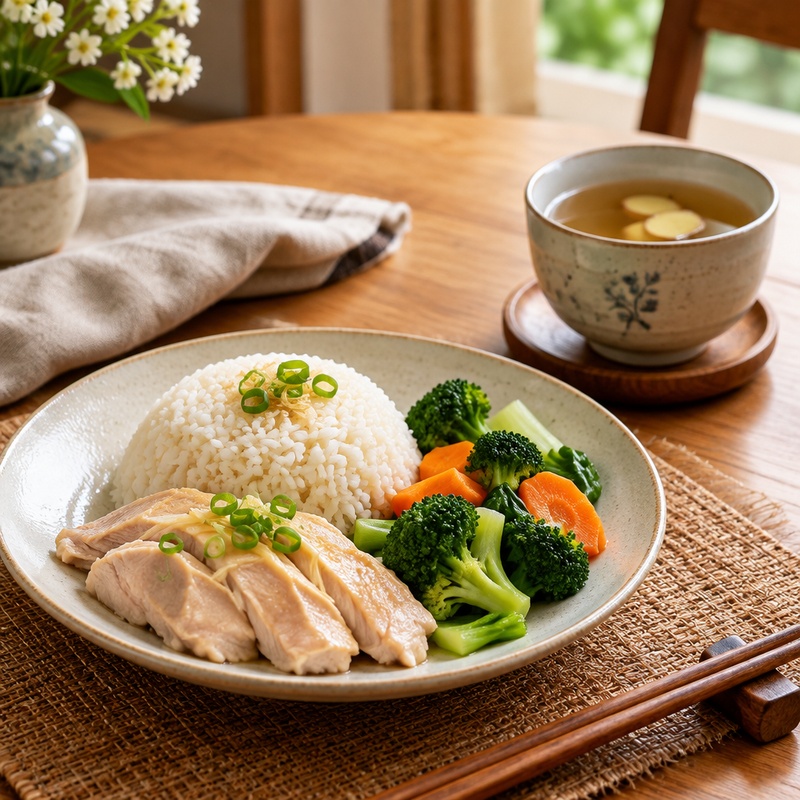
Glucagon-like peptide-1 (GLP-1) receptor agonists, such as semaglutide and tirzepatide, have transformed modern metabolic health care and sustainable weight management. By mimicking naturally occurring incretin hormones, these innovative therapies assist with blood glucose regulation, appetite signaling, and satiety perception. However, as millions of individuals adopt GLP-1 therapies under clinical care, many experience unexpected upper gastrointestinal (GI) side effects. Among the most frequently reported—and often uncomfortable—symptoms are sulfur burps (eructations with a distinct rotten-egg aroma) and acid reflux.
Glucagon-like peptide-1 (GLP-1) receptor agonists, such as semaglutide and tirzepatide, have transformed modern metabolic health care and sustainable weight management. By mimicking naturally occurring incretin hormones, these innovative therapies assist with blood glucose regulation, appetite signaling, and satiety perception. However, as millions of individuals adopt GLP-1 therapies under clinical care, many experience unexpected upper gastrointestinal (GI) side effects. Among the most frequently reported—and often uncomfortable—symptoms are sulfur burps (eructations with a distinct rotten-egg aroma) and acid reflux.
While these upper GI sensations can feel disconcerting when they first appear, clinical experience indicates that they are primarily functional responses to altered digestive kinetics. Understanding why these symptoms happen empowers individuals to adopt proactive, evidence-based dietary strategies. By making targeted shifts in meal composition, cooking techniques, portion pacing, and daily habits, many people notice a significant reduction in upper GI discomfort while maintaining their metabolic health progress.
Understanding the Science: Why GLP-1 Therapies Impact Upper Digestion
To navigate sulfur burps and acid reflux effectively, it is helpful to explore the physiological mechanisms underlying GLP-1 medications. One of the primary physiological effects of GLP-1 receptor agonists is slowing gastric motility—a process referred to as delayed gastric emptying. Under typical digestive conditions, the stomach contracts rhythmically to mix ingested food with gastric juices, breaking it down into a semi-liquid substance known as chyme before releasing it into the small intestine.
When GLP-1 receptor activity increases, the rate at which the stomach empties slows down noticeably. This extended retention time serves an important therapeutic purpose: it prolongs physical fullness and smooths out post-meal glucose spikes. However, retaining food inside the gastric reservoir for longer periods creates an environment where natural microbial fermentation can intensify.
The Chemistry Behind Sulfur Burps
Sulfur burps occur when hydrogen sulfide gas ($H_2S$) builds up in the upper gastrointestinal tract. Stomach acid and resident microflora interact with sulfur-containing amino acids and organic compounds found in food. When chyme remains in the warm, acidic environment of the stomach longer than usual, sulfur-reducing microbes have additional time to break down these compounds, producing hydrogen sulfide gas as a byproduct. When the stomach releases trapped gas upward through the esophagus, it carries that characteristic sulfurous or rotten-egg aroma.
How Delayed Emptying Influences Acid Reflux
Acid reflux, or gastroesophageal reflux, happens when acidic gastric contents flow backward into the esophagus. Delayed gastric emptying contributes to upper GI reflux in two distinct ways:
- Increased Intragastric Pressure: As food and gas linger in the stomach, volume accumulates, creating physical pressure upward against the lower esophageal sphincter (LES)—the muscular ring separating the stomach from the esophagus.
- Transient Lower Esophageal Sphincter Relaxations: High stomach volume and gas distension trigger involuntary reflexes that cause the LES to open temporarily, allowing both gas bubbles and acidic fluid to escape upward.
Because these symptoms stem directly from altered gastric motility, refining how and what you eat plays a crucial role in supporting day-to-day upper GI comfort.
Identifying Common Dietary Triggers: High-Sulfur Foods and Heavy Fats
Dietary choices exert a strong influence on the volume of gas and stomach acid produced during digestion. While high-sulfur foods are exceptionally nutritious under standard digestive conditions, they can provide excess substrate for hydrogen sulfide production when gastric emptying is delayed.
1. High-Sulfur Vegetables and Alliums
Certain plant families are naturally rich in organosulfur compounds. When digested slowly, these foods are more likely to foster hydrogen sulfide gas production:
- Cruciferous Vegetables: Broccoli, Brussels sprouts, cabbage, cauliflower, and kale contain glucosinolates, which yield sulfur compounds during extended breakdown in the stomach.
- Allium Vegetables: Garlic, onions, shallots, leeks, and chives contain allicin and related sulfur molecules that can intensify foul-smelling gas when retained in the gastric pouch.
2. High-Sulfur Proteins and Preserved Items
Protein-rich foods containing high levels of sulfur-bearing amino acids (methionine and cysteine) can also contribute to sulfur gas formation when gastric transit slows:
- Red Meat and Heavy Cuts: Beef, lamb, and dark-meat poultry require extensive enzymatic breakdown and longer stomach retention time, increasing fermentation potential.
- Eggs: Whole eggs, particularly egg yolks, are naturally concentrated sources of organic sulfur compounds.
- Sulfur-Preserved Foods: Dried fruits, certain commercial wines, cured meats, and packaged goods containing sodium metabisulfite or potassium bisulfite introduce inorganic sulfur to the digestive tract.
3. Saturated Fats and Fried Dishes
Dietary fats naturally delay gastric emptying even without medication. When combined with a GLP-1 receptor agonist, high-fat meals—such as deep-fried items, heavy cream sauces, and high-fat cheeses—can cause food to sit in the stomach for extended hours. Furthermore, dietary fats trigger the release of cholecystokinin (CCK), a hormone that relaxes the lower esophageal sphincter, creating conditions favorable for both sulfur gas production and acid reflux.
4. Carbonated Beverages and Acidic Foods
Carbonated water, sparkling beverages, and sodas introduce carbon dioxide directly into a stomach that is already emptying slowly. This extra volume increases stomach distension, prompting frequent belching. Similarly, highly acidic foods—such as citrus fruits, raw tomatoes, and intense spices—can irritate the esophageal lining when reflux occurs.
Smart Culinary and Preparation Adjustments to Enhance Digestive Comfort
Experiencing upper GI discomfort does not mean eliminating nutritious sulfur-containing foods permanently. Instead, strategic cooking techniques and ingredient substitutions can significantly reduce their tendency to produce excess gas and reflux.
Choose Gentle Cooking Methods
Raw vegetables require substantial chemical and mechanical effort to break down in the stomach. Thoroughly cooking plant foods softens tough cell walls and complex starches, making them much easier for digestive enzymes to process efficiently:
- Steaming and Boiling: Steaming cruciferous vegetables until tender softens complex fibers and allows a portion of volatile sulfur compounds to escape in the steam, rendering the final dish gentler on the stomach.
- Slow Roasting and Stewing: Simmering vegetables and proteins in broths breaks down tough fibers prior to consumption, shortening the time food lingers in the stomach.
- Avoiding High-Heat Frying with Heavy Oils: Frying coats food in dense fats that resist rapid stomach acid penetration, leading to prolonged retention.
Utilize Aromatic and Soothing Seasonings
Rather than relying heavily on raw garlic or onion powders, consider incorporating herbs and culinary spices with long histories of supporting digestive comfort:
- Ginger: Studies suggest that ginger (Zingiber officinale) contains active gingerols that encourage healthy gastric motility and help calm mild nausea.
- Fennel and Cumin: Fennel seeds and cumin contain volatile oils that help relax gastrointestinal smooth muscle, facilitating the gentle release of trapped gas.
- Fresh Herbs: Parsley, cilantro, dill, and basil provide vibrant flavor without introducing high sulfur loads or sphincter-relaxing compounds.
Portion Spacing and Daily Meal Pacing Strategies
When managing GLP-1 related upper GI symptoms, how you eat is often just as important as what you eat. Because stomach capacity is temporarily constrained by delayed emptying, adjusting traditional meal patterns can yield noticeable benefits.
1. Adopt a Micro-Meal Pattern
Transitioning from three large meals to four or five smaller, nutrient-rich mini-meals reduces the physical volume placed in the stomach at any single moment. This helps keep intragastric pressure from rising to levels that force open the lower esophageal sphincter or cause uncomfortable distension.
2. Mindful Pacing and Thorough Chewing
Mechanical digestion begins in the mouth. Chewing food thoroughly mixes it with salivary enzymes and breaks it into smaller particles. Smaller food particles present a larger surface area for stomach acid, helping accelerate digestion even within a slowed gastric environment. Aim to take smaller bites, chew completely, and pause between mouthfuls to minimize air swallowing.
3. Separate Fluid Intake from Solid Meals
Gulping large quantities of liquids alongside solid food fills the stomach rapidly, expanding its volume and diluting digestive juices. To optimize comfort on GLP-1 therapy, try drinking fluids 20–30 minutes before or after meals, taking only small sips during the meal itself.
4. Maintain an Upright Posture After Eating
Gravity serves as a natural defense against acid reflux. Lying down flat after eating allows acidic chyme and sulfur gas to press directly against the lower esophageal sphincter. Remaining upright—whether sitting, standing, or enjoying a light walk—for at least two to three hours after eating helps keep gastric contents positioned at the base of the stomach. For sleep comfort, elevating the head of your bed by 4–6 inches or using a supportive wedge pillow can provide nocturnal reflux relief.
Gentle, Nourishing Foods to Include in Your GLP-1 Rotation
Designing a meal plan that prioritizes digestive comfort does not require sacrificing quality nutrition. The following food choices deliver essential vitamins, lean protein, and complex carbohydrates while remaining gentle on upper digestion:
Lean and Easily Digestible Proteins
- Poached or Baked White Fish: Cod, tilapia, and flounder are very low in fat and easy for gastric enzymes to breakdown quickly.
- Skinless Poultry Breast: Chicken or turkey breast prepared with mild seasoning offers high-quality protein without excess fat.
- Tofu and Tempeh: Plant-based soy proteins offer smooth textures and mild digestibility for many individuals.
- Egg Whites: If whole eggs trigger sulfur burps, egg whites provide pure protein with significantly lower sulfur content than yolks.
Soothing Carbohydrates and Low-Sulfur Produce
- Oatmeal and Rice Porridge: Soluble fiber from oats forms a soothing gel in the stomach, while plain white or jasmine rice is easily absorbed without generating excess gas.
- Cooked Root Vegetables: Carrots, sweet potatoes, and peeled squashes are soft, nutrient-rich, and non-cruciferous.
- Peeled Cucumbers and Zucchini: De-seeded, peeled, and cooked squash options offer hydrating, low-sulfur plant nutrition.
- Bananas and Stewed Applesauce: Soft fruits rich in pectin help soothe the stomach lining and offer gentle, accessible energy.
Hydration and Herbal Teas
- Warm Chamomile Tea: Chamomile contains soothing compounds that help relax gastrointestinal smooth muscle and support digestive comfort.
- Warm Ginger Infusions: Fresh ginger steeped in warm water supports natural gastric motility.
- Electrolyte-Balanced Water: Sipping electrolyte solutions steadily throughout the day helps maintain optimal hydration without overloading stomach volume.
When to Consult Your Healthcare Provider About Upper GI Symptoms
Mild sulfur burps and occasional acid reflux are common adjustments as your body adapts to GLP-1 therapy or dosage increases. However, maintaining open communication with your prescribing clinician or clinical care team is essential for safe, long-term success.
Reach out to your healthcare provider if you experience any of the following persistent or severe symptoms:
- Severe or escalating abdominal pain that radiates toward the back
- Persistent nausea or vomiting that hinders keeping fluids down for more than 24 hours
- Difficulty swallowing (dysphagia) or feeling as though food is lodged in your chest
- Unexplained weakness, dizziness, or signs of severe dehydration
- Reflux symptoms that fail to improve after consistent lifestyle and dietary modifications
Your clinician can review your current medication schedule, evaluate your overall treatment response, and discuss whether temporary dose adjustments or supportive clinical care options are appropriate for your individual health profile. Clinical oversight ensures that your metabolic progress remains both safe and comfortable.
Navigating GLP-1 therapy is a personalized journey. If you are seeking structured clinical support, metabolic progress monitoring, and individualized guidance on your weight management plan, explore the care options available at EOS Health Weight Loss Support.
Delayed Gastric Emptying
A physiological slowing of the rate at which food moves from the stomach into the small intestine, a key mechanism of GLP-1 receptor agonists.
Hydrogen Sulfide Gas
A gas characterized by a rotten-egg odor, produced when stomach bacteria metabolize sulfur-containing proteins and organic compounds during digestion.
Lower Esophageal Sphincter (LES)
A muscular ring located at the junction of the esophagus and stomach that opens to allow food to pass into the stomach and closes to prevent acid and gas reflux.
GLP-1 Receptor Agonist
A class of medications that mimic the human glucagon-like peptide-1 hormone, supporting blood sugar management, appetite regulation, and satiety.
Gastric Motility
The coordinated muscular contractions of the stomach and intestinal tract that mix and propel food through the digestive system.
Sources
faq
Common questions, answered.
What causes sulfur burps when taking GLP-1 medications?
Sulfur burps are caused by the accumulation of hydrogen sulfide gas in the stomach. GLP-1 receptor agonists slow down gastric emptying, keeping food in the stomach longer. This extended transit time allows resident stomach bacteria to ferment sulfur-rich foods and proteins, generating hydrogen sulfide gas that escapes when you belch.
Are sulfur burps a sign of a serious medical complication?
In most cases, sulfur burps are a mild, temporary side effect related to slowed stomach emptying and dietary choices rather than a severe medical issue. However, if accompanied by severe abdominal pain, ongoing vomiting, or fever, it is important to contact your healthcare provider promptly for evaluation.
How long do sulfur burps and reflux typically last on GLP-1 therapy?
Upper gastrointestinal side effects are most common during the initial weeks of starting a GLP-1 medication or following a dose increase. As your body adapts to the medication and as you implement supportive meal timing and dietary choices, these symptoms frequently lessen over time.
Can changing my eating schedule help reduce sulfur burps?
Yes. Transitioning from large meals to four or five smaller, nutrient-dense mini-meals reduces the volume of food sitting in your stomach at any given time. This smaller volume decreases gas buildup and lowers pressure against the lower esophageal sphincter, supporting better comfort.
Which specific foods should I temporarily limit if I experience sulfur burps?
It can be helpful to temporarily limit high-sulfur foods such as raw cruciferous vegetables (broccoli, Brussels sprouts, cabbage), heavy alliums (garlic, onions), whole eggs, fatty meats, carbonated beverages, and sulfur-preserved dried fruits while your digestion adapts.
Is it safe to take over-the-counter gas relief or antacids with GLP-1s?
Over-the-counter remedies like simethicone or antacids may offer temporary symptomatic relief for gas and heartburn for some individuals. However, it is always recommended to consult your prescribing clinician or pharmacist before starting any new supplement or over-the-counter product.
How does hydration affect GLP-1 related GI side effects?
Adequate hydration supports overall digestive function and gut motility. Sipping fluids between meals rather than gulping large amounts during meals helps reduce stomach over-expansion while maintaining adequate hydration throughout the day.
Should my GLP-1 dosage be adjusted if reflux becomes persistent?
If acid reflux or sulfur burps persist despite dietary modifications, discuss your experience with your prescribing provider. They may recommend spending more time at your current dose before titrating upward or adjust your schedule to ensure your comfort and safety.
Ready to feel like yourself again.™
Start free consultationwhat are you waiting for?
You're one click away from a new you.
Fill out our brief form and a licensed physician will evaluate which treatment plan is best for you.