Meal Prep for GLP-1 Journeys: Simple Weekly Strategies
Discover component-based meal prep strategies tailored for GLP-1 weight loss journeys. Learn simple ways to prep nutrient-dense meals for smaller appetites.
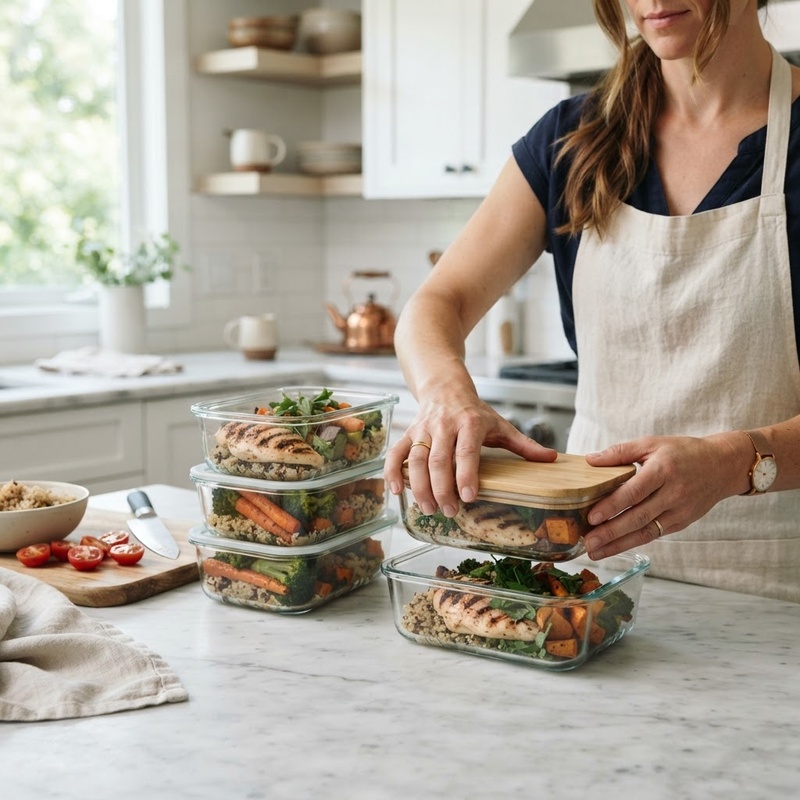
Starting a weight loss journey that includes GLP-1 receptor agonist medications—such as semaglutide or tirzepatide—often introduces a profound shift in how body signals hunger, fullness, and satiety. Many individuals notice that appetite decreases noticeably, gastric emptying slows down, and personal food preferences evolve. While these pharmacological effects support weight management efforts, they also bring unique nutritional considerations. When food volume decreases significantly, ensuring that every meal provides optimal protein, essential vitamins, minerals, and dietary fiber becomes paramount.
Starting a weight loss journey that includes GLP-1 receptor agonist medications—such as semaglutide or tirzepatide—often introduces a profound shift in how body signals hunger, fullness, and satiety. Many individuals notice that appetite decreases noticeably, gastric emptying slows down, and personal food preferences evolve. While these pharmacological effects support weight management efforts, they also bring unique nutritional considerations. When food volume decreases significantly, ensuring that every meal provides optimal protein, essential vitamins, minerals, and dietary fiber becomes paramount.
Traditional meal prep advice—which often promotes cooking massive batches of identical, heavy casserole dishes or eating giant, rigid portions—rarely aligns with the needs of someone taking GLP-1 medications. Large portions can feel overwhelming, and appetite shifts may make a dish that sounded appealing on Monday unpalatable by Wednesday. That is why a component-based meal prep method offers a far more flexible, gentle, and practical approach for smaller appetites.
In this guide, we explore how GLP-1 medications influence dietary requirements, examine the power of component-based preparation, outline safe storage practices, and provide step-by-step strategies to make weekly nutrition simple, sustainable, and enjoyable.
Understanding How GLP-1 Medications Change Your Meal Prep Needs
GLP-1 (glucagon-like peptide-1) receptor agonists mimic a naturally occurring hormone in the gut that regulates blood sugar levels and slows stomach emptying. As a result, individuals frequently experience sustained feelings of fullness after consuming relatively modest quantities of food. While this physiological shift aids in reduced caloric intake, it requires a thoughtful realignment of meal planning habits.
Because overall daily food volume is lower, dietary quality must take center stage. Skipping meals or relying on low-nutrient convenience snacks can lead to fatigue, muscle mass loss, or micronutrient deficiencies. Therefore, strategic meal prep focuses on delivering nutrient-dense building blocks that nourish the body without overburdening the digestive system.
Prioritizing Protein in Smaller Portions
Preserving lean muscle mass is a crucial aspect of healthy, sustainable weight management. When daily caloric intake naturally declines on GLP-1 therapy, protein intake needs careful attention. Research indicates that consuming adequate protein—spread evenly throughout the day—helps maintain lean muscle tissue, supports metabolic health, and aids physical stamina. Meal prep strategies should emphasize lean, digestible protein sources, such as skinless poultry, fish, eggs, tofu, edamame, low-fat Greek yogurt, and well-cooked legumes.
Managing Gastrointestinal Comfort with Gentle Foods
Slowed gastric emptying means food remains in the stomach longer. For some individuals, heavy, high-fat, fried, or excessively spicy foods may trigger mild nausea, heartburn, or abdominal fullness. Preparing meals with fresh, gentle ingredients cooked using light methods—such as baking, steaming, poaching, or air-frying—can significantly enhance digestive comfort throughout the week.
The Component Method: Simplifying Meal Prep for Smaller Appetites
Many classic meal prep strategies fail because they demand eating the exact same pre-assembled meal five days in a row. For individuals on GLP-1 therapy, taste preferences and appetite levels can vary from day to day. A fixed, heavy meal stored in a single container might lead to food waste if you can only finish half of it.
The component-based approach solves this challenge by shifting the focus from complete recipes to versatile individual building blocks. Instead of cooking a full pot of beef chili, you prepare separate, high-quality components that can be combined in different ways throughout the week depending on how hungry you feel.
Building Your Component Pantry
A successful component prep routine focuses on four primary categories:
- Lean Protein Anchors: Baked chicken breast slices, grilled turkey strips, seasoned baked tofu cubes, hard-boiled eggs, or flaked salmon.
- Complex Carbohydrates & Fibers: Cooked quinoa, brown rice, steamed sweet potato cubes, roasted squash, or boiled baby potatoes.
- Colorful Vegetables: Roasted zucchini, steamed broccoli florets, shredded cabbage, baby spinach, cucumber slices, or cherry tomatoes.
- Flavor Packs & Light Dressings: Lemon-herb vinaigrette, tahini dressing, tzatziki, fresh salsa, or green pesto made with minimal oil.
Flexible Daily Assembly
With pre-cooked components ready in the refrigerator, meal assembly takes less than five minutes. If your appetite is light on Tuesday, you might mix a small cup of baby spinach with three ounces of sliced chicken and a spoonful of tzatziki for a light salad. If you feel hungrier on Thursday, you can combine half a cup of quinoa, half a cup of roasted vegetables, and four ounces of tofu into a warm nourish bowl. This flexibility respects your body's daily satiety signals while preventing food boredom and waste.
Essential Weekly Prep Strategies & Batch Storage Basics
Food safety and texture preservation are essential for an enjoyable weekly routine. Prepping food for 3-4 days at a time—rather than a full 7 days—helps maintain optimal flavor, nutrient availability, and freshness, reducing the risk of food spoilage.
Investing in airtight glass storage containers, small portion-sized glass jars, and silicone divider trays can make storage far more organized. Glass containers do not absorb odors or stain, and they reheat evenly in the microwave without leaching chemicals into your food.
Proteins, Fibers, and Fats: Balancing Your Plate
When assembling small-portion meals, aim for a balanced distribution of macronutrients to support steady energy levels and gut health:
- Plate Division: Consider aiming for approximately 40-50% lean protein, 30-40% colorful fiber-rich vegetables, and 10-20% complex carbohydrates and healthy fats.
- Healthy Fats in Moderation: While healthy fats (like olive oil, avocado, seeds, and nuts) are crucial for nutrient absorption, high-fat meals take longer to digest. Keeping healthy fats present but moderate helps prevent feeling overly full or sluggish.
- Fiber Hydration Rule: Dietary fiber from vegetables and whole grains supports gut motility, which can sometimes slow down on GLP-1 medications. When increasing fiber, ensure adequate fluid intake throughout the day to support comfortable digestion.
Hydration and Electrolyte Support Alongside Meals
Staying adequately hydrated is a critical component of GLP-1 meal planning. Drinking large volumes of liquid directly during a meal, however, can quickly fill the stomach and leave insufficient room for solid, nutrient-rich food. Clinical guidelines often suggest sipping water, herbal tea, or electrolyte-rich fluids steadily between meals rather than gulping glassfuls while eating.
Sample 3-Day Component Prep Routine for GLP-1 Patients
To see how component prep works in practice, consider this simple 60-minute Sunday prep routine designed to yield 3 days of flexible meals for smaller appetites:
Step 1: The 60-Minute Kitchen Routine
- Preheat Oven (400°F): Line two baking sheets with parchment paper. On sheet one, place seasoned chicken breasts or extra-firm tofu blocks. On sheet two, place chopped zucchini, bell peppers, and carrots tossed with a light drizzle of olive oil, salt, and pepper. Roast for 20-25 minutes until cooked through.
- Stovetop Grains: Simmer 1 cup of dry quinoa in 2 cups of low-sodium vegetable broth for 15 minutes. Fluff with a fork and let cool.
- Fresh Prep: Wash a bag of pre-trimmed baby spinach and slice a cucumber. Boil 4 eggs for 9 minutes for hard-boiled protein snacks.
- Storage: Divide components into separate airtight glass containers once fully cooled.
Step 2: Sample Daily Assemblies
- Day 1 Lunch: Mediterranean Plate — 3 oz baked chicken, 1/2 cup roasted zucchini and peppers, 1/3 cup cooked quinoa, topped with 1 tablespoon tzatziki.
- Day 2 Lunch: Fresh Spinach & Egg Salad — 2 cups baby spinach, 1 diced hard-boiled egg, 2 oz sliced turkey, cucumber slices, dressed with lemon juice and 1 teaspoon olive oil.
- Day 3 Lunch: Warm Protein Bowl — 1/2 cup quinoa, 3 oz roasted tofu or chicken, 1/2 cup steamed broccoli, topped with 1 tablespoon hummus mixed with a splash of warm water.
Overcoming Common GLP-1 Nutrition Challenges
Even with well-organized meal prep, navigating dietary changes during weight management can present occasional hurdles. Understanding how to adapt your strategy empowers long-term consistency.
What to Do When You Experience Sudden Appetite Drops
There may be days when your appetite feels minimal, particularly in the days immediately following a medication dose increase. Forcing down large meals can lead to discomfort, but avoiding food entirely is not advisable. On low-appetite days, consider smaller, frequent mini-meals or nutrient-dense liquid options, such as a smooth protein shake made with Greek yogurt and berries, or a warm cup of bone broth paired with a hard-boiled egg.
Adjusting Textures for Easier Digestion
If solid foods feel too heavy, altering the texture of your prepped ingredients can help. Pureed vegetable soups blended with silken tofu or collagen peptides, moist slow-cooked chicken shredded into broth, or smooth smoothies offer gentle ways to consume vital nutrients without causing stomach strain.
Partnering with Healthcare Professionals on Your Journey
Every individual responds uniquely to weight management therapies and dietary modifications. While component meal prep provides a practical structural foundation, personal nutrition needs vary based on age, activity level, health status, and medical history. Consulting a registered dietitian or healthcare provider ensures that your meal plan aligns with your specific metabolic and clinical requirements.
Medications for weight management should always be used under the ongoing care and supervision of a licensed healthcare provider. If you are seeking comprehensive clinical guidance, personalized medical evaluations, and ongoing support tailored to your weight management goals, explore options available through EOS Health Weight Loss Services to connect with a qualified clinician.
GLP-1 Receptor Agonist
A class of medications that mimic the natural hormone glucagon-like peptide-1, helping regulate blood sugar, appetite, and stomach emptying speed.
Gastric Emptying
The rate at which food moves from the stomach into the small intestine, a process naturally slowed by GLP-1 medications to promote satiety.
Component Meal Prep
A meal planning method where individual ingredients (proteins, grains, vegetables) are cooked and stored separately to allow flexible daily meal assembly.
Satiety
The feeling of fullness and satisfaction after eating that suppresses the desire to consume additional food.
Macronutrients
The primary nutrients required by the body in large amounts: proteins, carbohydrates, and fats, each providing energy and serving essential structural roles.
Nutrient Density
The concentration of essential vitamins, minerals, protein, and dietary fiber relative to the caloric content of a food item.
Sources
faq
Common questions, answered.
Why is meal prep especially important for individuals taking GLP-1 medications?
GLP-1 medications reduce overall appetite and slow digestion, meaning total daily food volume is lower. Strategic meal prep helps ensure that the smaller meals you consume are balanced, nutrient-dense, and rich in essential protein and fiber to support overall health and maintain lean body mass.
How much protein should I include in my meal prep?
Protein needs vary depending on body weight, age, activity level, and clinical goals. Generally, distributing 20 to 30 grams of protein across your primary daily meals is a helpful target for many adults, but consulting a healthcare provider or registered dietitian can help determine your exact individual requirements.
What should I do if my prepared meal feels too large to finish?
Listen to your body's fullness cues and stop eating when satisfied. Forcing yourself to clean your plate can lead to gastrointestinal discomfort. With component meal prep, you can store leftover prepped ingredients separately and assemble smaller, more comfortable portions as needed.
Are high-fat foods recommended during GLP-1 therapy?
Because GLP-1 medications delay gastric emptying, high-fat or fried foods may remain in the stomach longer and potentially contribute to mild nausea, bloating, or acid reflux. Incorporating moderate amounts of healthy unsaturated fats like avocado, olive oil, and nuts is recommended over heavy, saturated fats.
How long can prepped component foods be safely stored in the refrigerator?
Most cooked lean proteins, grains, and roasted vegetables maintain freshness and food safety for 3 to 4 days when stored in airtight glass containers in a refrigerator kept at 40°F (4°C) or below. Freezing portioned meals can extend storage for longer periods.
Can I drink beverages while eating my prepped meals?
Sipping small amounts of water during meals is generally fine, but drinking large volumes of liquid while eating can fill stomach capacity quickly and contribute to premature fullness. Drinking fluids primarily between meals is often recommended.
How can component meal prep help prevent food waste?
Unlike fixed recipes that spoil if appetite fluctuates, component meal prep keeps ingredients separate. Unmixed cooked grains, vegetables, and proteins can be repurposed into different salads, bowls, or soups throughout the week or frozen for future use.
Should I consult a healthcare provider before making major dietary changes on GLP-1s?
Yes. Consulting a licensed clinician or clinical dietitian ensures that your dietary approach supports your specific medical history, nutritional requirements, and weight management journey safely and effectively.
Ready to feel like yourself again.™
Start free consultationwhat are you waiting for?
You're one click away from a new you.
Fill out our brief form and a licensed physician will evaluate which treatment plan is best for you.