Mitochondrial Biogenesis: How Cells Renew Their Energy Factories
Explore mitochondrial biogenesis, the cellular process of renewing energy factories. Learn how research-backed lifestyle habits support healthy aging.
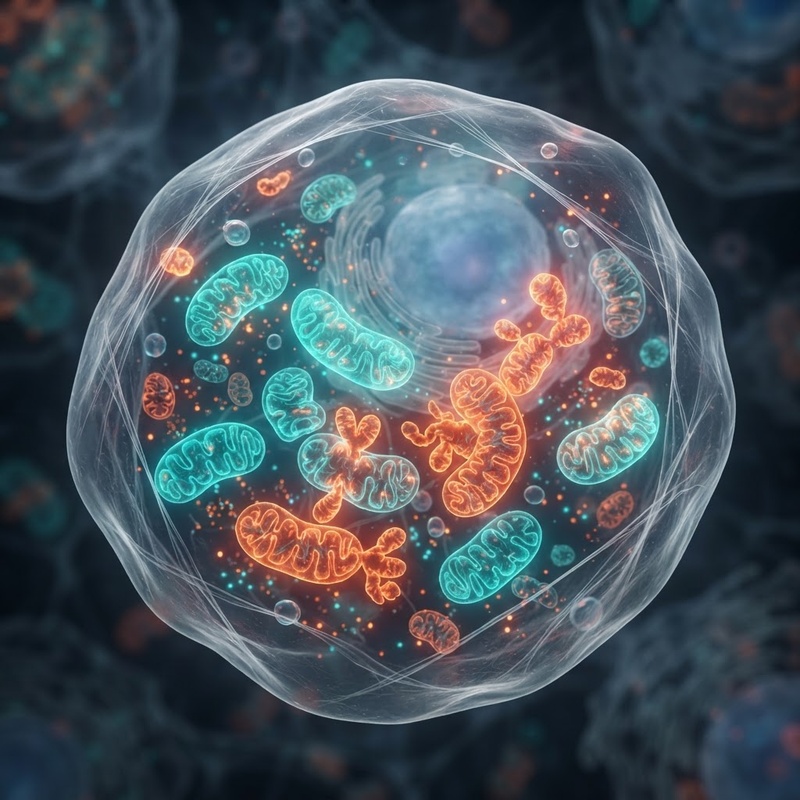
Every second of every day, trillions of microscopic chemical reactions take place inside human cells to sustain life, physical movement, and cognitive function. At the center of this intricate biological landscape are mitochondria—specialized organelle structures frequently described as the cellular powerhouses of the body. These microscopic power plants convert oxygen and nutrients from food into usable chemical energy, driving nearly every physiological process from cardiac contraction and neural transmission to tissue repair and metabolic balance. However, like any biological engine operating continuously, mitochondria experience gradual wear, structural degradation, and reduced functional efficiency over time. To maintain optimal energy production and cellular health, human biology relies on a remarkable self-renewal process known as mitochondrial biogenesis.
Every second of every day, trillions of microscopic chemical reactions take place inside human cells to sustain life, physical movement, and cognitive function. At the center of this intricate biological landscape are mitochondria—specialized organelle structures frequently described as the cellular powerhouses of the body. These microscopic power plants convert oxygen and nutrients from food into usable chemical energy, driving nearly every physiological process from cardiac contraction and neural transmission to tissue repair and metabolic balance. However, like any biological engine operating continuously, mitochondria experience gradual wear, structural degradation, and reduced functional efficiency over time. To maintain optimal energy production and cellular health, human biology relies on a remarkable self-renewal process known as mitochondrial biogenesis.
Mitochondrial biogenesis refers to the complex physiological pathway through which existing cells generate new, highly efficient mitochondria, thereby expanding total energy capacity and promoting cellular quality control. Rather than relying on static organelles that steadily decline across a lifetime, human cells possess dynamic signaling cascades that respond to physical demand, nutrient availability, and metabolic cues by assembling fresh mitochondrial components. Understanding how mitochondrial biogenesis functions, why its operational efficiency naturally shifts across the aging spectrum, and how evidence-informed lifestyle choices interact with these cellular pathways offers valuable insights into modern longevity science. In this educational overview, we examine the biological mechanisms underlying mitochondrial health, explore key molecular regulators involved in organelle renewal, and highlight lifestyle practices that researchers associate with long-term cellular vitality.
Understanding Mitochondria: The Power Plants of Human Cells
To appreciate the importance of mitochondrial biogenesis, it is helpful to examine the essential role mitochondria play within everyday human physiology. Situated within the cytoplasm of eukaryotic cells, mitochondria are unique organelles surrounded by a double-membrane structure. The smooth outer membrane acts as a protective boundary, while the inner membrane is folded into complex, shelf-like structures called cristae. These internal folds greatly expand the available surface area for biological reactions, housing specialized protein complexes that form the electron transport chain.
The principal function of mitochondria is the synthesis of adenosine triphosphate (ATP), often termed the molecular energy currency of the cell. Through a multi-step metabolic pathway known as oxidative phosphorylation, mitochondria break down substrate molecules derived from carbohydrates, fatty acids, and amino acids in the presence of oxygen to generate ATP. Whenever cellular energy demand increases—such as during strenuous physical exercise, intense mental concentration, or thermal regulation—mitochondria increase ATP output to meet operational needs. Beyond energy creation, mitochondria perform vital roles in intracellular signaling, calcium buffering, programed cell death (apoptosis), and the regulation of reactive oxygen species (ROS).
Mitochondrial distribution varies significantly across different tissues depending on metabolic workload. High-demand organs—such as the heart, skeletal muscle tissue, brain, liver, and kidneys—contain the densest concentrations of mitochondria per cell. A single cardiac muscle cell, for example, may contain thousands of mitochondria working continuously to support perpetual muscle contraction. Because these vital organs depend heavily on consistent metabolic capacity, preserving mitochondrial efficiency and encouraging organelle renewal represent foundational concepts in cellular health research.
What Is Mitochondrial Biogenesis?
Mitochondrial biogenesis is the coordinated biological process through which cells synthesize new mitochondrial components, increase total organelle mass, and optimize cellular energetic capacity. Unlike most intracellular organelles, mitochondria possess their own distinct circular genome, known as mitochondrial DNA (mtDNA). This localized DNA encodes key proteins essential for the electron transport chain. However, the vast majority of mitochondrial structural and functional proteins are encoded by nuclear DNA (nDNA) located in the cell nucleus. Consequently, mitochondrial biogenesis requires precise genetic coordination between nuclear and mitochondrial genomes.
The initiation of mitochondrial biogenesis is governed by sophisticated cellular signaling networks that monitor energetic state and physiological stress. When a cell experiences transient energy depletion—manifested by an increase in the ratio of adenosine monophosphate (AMP) relative to ATP—or elevated intracellular calcium levels during physical activity, specific molecular sensors become activated. Among these regulators, several master signaling proteins play central roles in driving cellular renewal:
- PGC-1α (Peroxisome Proliferator-Activated Receptor Gamma Coactivator 1-Alpha): Widely regarded in metabolic research as the master transcriptional coactivator of mitochondrial biogenesis. Activation of PGC-1α stimulates downstream transcription factors, including nuclear respiratory factors NRF-1 and NRF-2, as well as mitochondrial transcription factor A (TFAM), which together promote the replication and expression of both nuclear and mitochondrial genes.
- AMPK (AMP-Activated Protein Kinase): A primary cellular energy sensor that monitors ATP levels. When energetic reserves drop during metabolic strain or physical exertion, AMPK activates PGC-1α through direct phosphorylation, signaling the cell to expand its mitochondrial capacity for future energy needs.
- SIRT1 (Sirtuin 1): An NAD+-dependent enzyme sensitive to cellular redox state and nutrient status. SIRT1 interacts with AMPK to deacetylate and activate PGC-1α, linking cellular nutrient availability to mitochondrial adaptation and metabolic resilience.
Working in harmony, these molecular messengers allow cells to adapt to environmental and physical demands by building robust, highly functional energy factories capable of meeting ongoing physiological needs.
How Mitochondrial Function and Quantity Shift Over Time
As individuals age, natural changes occur within cellular architecture and metabolic signaling pathways that can influence mitochondrial renewal and performance. Research suggests that across successive decades, average mitochondrial density and operational efficiency tend to decline gradually. This age-related shift is often accompanied by reduced expression of PGC-1α, diminished enzyme activity within the electron transport chain, and lower overall rates of ATP production.
A key factor contributing to this shift is the delicate balance between mitochondrial biogenesis and mitophagy—the selective cellular process responsible for identifying and removing damaged or dysfunctional mitochondria. In young, resilient cells, biogenesis and mitophagy work in synchronized equilibrium: degraded organelles are degraded through lysosomal pathways, while fresh mitochondria are synthesized to take their place. Over time, however, oxidative stress, environmental stressors, and cumulative metabolic exposure can impair both clearance and synthesis mechanisms. When damaged mitochondria linger within cells, they produce higher levels of reactive oxygen species and generate ATP less efficiently, leading to reduced cellular stamina.
Rather than viewing these changes as inevitable declines without recourse, researchers focus on understanding how physiological signaling pathways can be supported. Emerging studies indicate that encouraging cellular quality control mechanisms—both biogenesis of new organelles and efficient clearance of aged ones—helps maintain tissue vitality and supports healthy aging across adulthood.
Lifestyle Factors Associated with Mitochondrial Renewal
Scientific investigation highlights several lifestyle habits that interact directly with cellular signaling pathways associated with mitochondrial biogenesis. While individual responses vary based on baseline health, genetic factors, and overall lifestyle, researchers frequently observe positive associations between specific daily habits and cellular energetic wellness.
Physical Exercise and Structured Endurance Training
Physical movement represents one of the most potent natural stimuli for mitochondrial biogenesis identified in biological research. When skeletal muscles contract during exercise, ATP consumption rises rapidly, elevating AMP levels and triggering AMPK activation. Simultaneously, intracellular calcium flux during muscle contractions activates calcium-dependent signaling enzymes that stimulate PGC-1α gene expression.
Studies indicate that both continuous aerobic endurance training (such as swimming, cycling, or brisk walking) and high-intensity interval training (HIIT) induce measurable increases in mitochondrial enzyme activity and total organelle density within muscle tissue. Endurance exercise encourages increased mitochondrial volume, enhancing oxidative capacity, while interval training provides robust episodic signals that stimulate rapid molecular adaptation. Combining varied movement patterns supports broad-spectrum cellular adaptation.
Nutritional Modulation and Nutrient Sensing Pathways
Dietary patterns and nutrient timing exert substantial influence over cellular energy pathways. Scientific literature highlights several dietary concepts that interact with mitochondrial signaling networks:
- Caloric Efficiency and Intermittent Fasting: Periods of reduced energy intake or structured fasting windows shift the cellular energy state, increasing AMP-to-ATP and NAD+-to-NADH ratios. These biochemical shifts activate AMPK and SIRT1, signaling pathways that encourage mitochondrial biogenesis and cellular repair processes.
- Micronutrients and Co-factors: Mitochondrial enzymes require specific vitamins and minerals to function efficiently. Coenzyme Q10 (CoQ10), alpha-lipoic acid, B-complex vitamins (particularly niacin, riboflavin, and thiamine), magnesium, and iron serve as essential co-factors within the electron transport chain and metabolic cycles.
- Dietary Polyphenols: Plant-derived compounds such as resveratrol, quercetin, epigallocatechin gallate (EGCG), and curcumin have demonstrated the ability to interact with sirtuin pathways and PGC-1α signaling in pre-clinical and clinical research, supporting cellular antioxidant defenses and metabolic adaptation.
Sleep Architecture and Circadian Alignment
Restorative sleep plays a crucial role in maintaining cellular health and organelle maintenance. Biological research shows that mitochondria operate according to intrinsic circadian rhythms, coordinating metabolic activity and repair cycles with the body's natural light-dark schedule. During deep, slow-wave sleep stages, systemic energetic demands decrease, allowing cells to prioritize structural repair, antioxidant synthesis, and mitochondrial quality control.
Conversely, chronic sleep restriction or circadian disruption can impair cellular repair processes, increase oxidative burden, and disrupt normal PGC-1α regulation. Establishing consistent sleep schedules, minimizing nighttime light exposure, and allowing adequate time for nightly rest support the natural regenerative cycles that preserve cellular energy capacity.
Translating Cellular Science into Daily Wellness Habits
Integrating insights from mitochondrial biology into practical daily routines does not require complex or extreme protocols. Instead, sustainable cellular health strategies center on consistent, evidence-based habits that align with fundamental human physiology:
- Maintain Consistent Movement: Engage in regular aerobic activity supplemented by periodic higher-intensity efforts or resistance training to regularly challenge cellular energy networks.
- Prioritize Whole, Nutrient-Dense Foods: Emphasize colorful vegetables, high-quality proteins, healthy fatty acids, and nutrient-dense foods rich in mitochondrial co-factors and antioxidant compounds.
- Support Sleep Hygiene: Aim for seven to eight hours of quality sleep per night in a cool, dark environment to allow cellular repair mechanisms to operate unimpeded.
- Manage Chronic Stress: Sustained stress elevates stress hormones that can influence systemic inflammation and metabolic balance; incorporating mindfulness, deep breathing, or nature exposure helps support balanced physiological states.
Navigating Cellular Health with Professional Guidance
While foundational lifestyle practices provide the bedrock of cellular health, individual health profiles, metabolic baseline values, and personal wellness goals differ significantly. Exploring advanced longevity strategies, specialized nutritional supplementation, or personalized care plans is best done in consultation with qualified healthcare professionals.
A licensed clinician can help evaluate your baseline metabolic markers, review overall health history, and provide personalized guidance tailored to your unique requirements. Therapeutic approaches and medical evaluations ensure that any strategies considered are safe, appropriate, and evidence-informed.
At EOS Health, our clinical team works with individuals to explore personalized strategies that support long-term vitality and healthy aging. If you are interested in learning more about evidence-informed approaches to cellular wellness, explore cellular anti-aging options with EOS Health today.
Mitochondrial Biogenesis
The biological process by which a cell increases its total mitochondrial mass and number through synchronized gene expression and protein assembly.
Adenosine Triphosphate (ATP)
The primary organic compound used by human cells as chemical energy to power cellular work and biological functions.
PGC-1α
A key master transcriptional coactivator that regulates gene networks involved in mitochondrial creation, energy metabolism, and cellular respiration.
Mitophagy
The selective cellular process of identifying, degrading, and recycling damaged or dysfunctional mitochondria to preserve cellular health.
Oxidative Phosphorylation
The metabolic pathway within the inner mitochondrial membrane where nutrients and oxygen are converted into ATP energy through electron transfer.
AMPK (AMP-Activated Protein Kinase)
An essential cellular energy-sensing enzyme that triggers metabolic adaptation and mitochondrial renewal when cellular energy reserves decrease.
Sources
faq
Common questions, answered.
What is mitochondrial biogenesis in simple terms?
Mitochondrial biogenesis is the physiological process by which living cells synthesize new mitochondria—the cellular organelles responsible for producing ATP energy. This self-renewal mechanism helps cells maintain metabolic efficiency and adapt to changing physiological demands.
Why are mitochondria often called the powerhouses of the cell?
Mitochondria earn this designation because they convert nutrients and oxygen into adenosine triphosphate (ATP), the chemical energy currency that powers cellular processes throughout the human body, including muscle contraction, brain activity, and organ function.
How does physical exercise stimulate mitochondrial biogenesis?
Exercise increases cellular energy expenditure, raising intracellular AMP and calcium levels. These energetic signals activate key master regulators like AMPK and PGC-1α, which instruct nuclear and mitochondrial genes to manufacture fresh mitochondrial components.
What is the role of PGC-1α in cellular renewal?
PGC-1α (Peroxisome Proliferator-Activated Receptor Gamma Coactivator 1-Alpha) functions as the principal transcriptional coactivator governing mitochondrial biogenesis. It coordinates the expression of both nuclear and mitochondrial genes required to build new organelle structures.
How do aging and lifestyle choices affect mitochondrial density?
As adults age, natural shifts in signaling pathways can reduce mitochondrial density and operational capacity. However, lifestyle choices such as regular physical movement, structured sleep, and nutrient-dense nutrition support pathways associated with cellular quality control.
What is the difference between mitochondrial biogenesis and mitophagy?
Mitochondrial biogenesis is the synthesis of new, functional mitochondria, whereas mitophagy is the selective lysosomal clearance of old or damaged mitochondria. Together, these two mechanisms maintain cellular quality control and energetic balance.
Are there specific dietary nutrients that support mitochondrial health?
Research suggests that co-factors like CoQ10, alpha-lipoic acid, B vitamins, magnesium, and plant polyphenols (such as resveratrol and quercetin) play essential roles in supporting enzyme activity within mitochondrial metabolic pathways.
How does quality sleep influence cellular energy production?
Deep sleep provides a crucial window for cellular repair and metabolic maintenance. Circadian alignment allows mitochondria to reduce active ATP production and prioritize structural restoration and antioxidant defense mechanisms.
Invest in the years ahead.™
Start free consultationwhat are you waiting for?
You're one click away from a new you.
Fill out our brief form and a licensed physician will evaluate which treatment plan is best for you.