Niacinamide Explained: A Skincare Ingredient Deep-Dive
Explore how niacinamide supports skin barrier health, hydration, and an even complexion. Learn science-backed tips for adding it to your skincare routine.
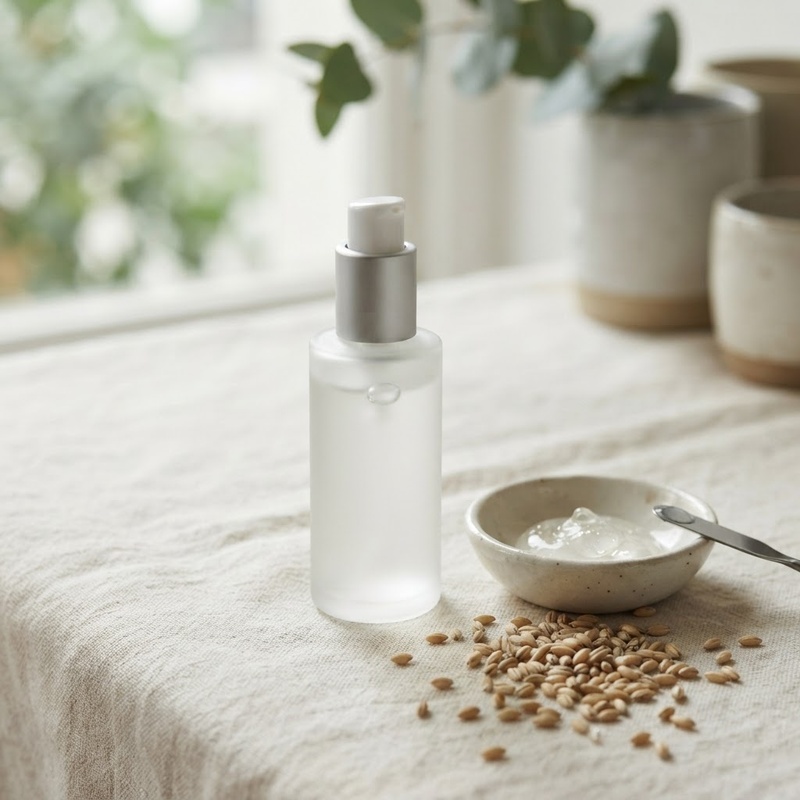
In the rapidly evolving landscape of modern skincare, few topical ingredients have earned as much sustained acclaim from dermatologists, clinical researchers, and skincare enthusiasts as niacinamide. Also known in scientific literature as nicotinamide, this water-soluble form of Vitamin B3 has become a fundamental pillar of contemporary topical formulations. Whether you are navigating seasonal dryness, seeking to soothe visible redness, or aiming to support a balanced, radiant complexion, niacinamide offers a versatile, multi-functional approach rooted firmly in dermatological science.
In the rapidly evolving landscape of modern skincare, few topical ingredients have earned as much sustained acclaim from dermatologists, clinical researchers, and skincare enthusiasts as niacinamide. Also known in scientific literature as nicotinamide, this water-soluble form of Vitamin B3 has become a fundamental pillar of contemporary topical formulations. Whether you are navigating seasonal dryness, seeking to soothe visible redness, or aiming to support a balanced, radiant complexion, niacinamide offers a versatile, multi-functional approach rooted firmly in dermatological science.
At EOS Health, our clinical team believes in empowering individuals through clear, evidence-based health education. Rather than relying on fleeting beauty trends, aggressive chemical treatments, or overpromised claims, understanding how key active ingredients interact with your skin's intrinsic biological mechanisms allows you to build a safe, effective, and sustainable skincare regimen. In this comprehensive deep-dive, we explore the physiological mechanisms of niacinamide, its key benefits for skin barrier resilience, how systemic hydration and daily fluid habits influence skin health, and practical guidance for incorporating Vitamin B3 into your daily self-care routine.
What Is Niacinamide? The Science Behind Vitamin B3
Niacinamide belongs to the essential Vitamin B complex family, specifically serving as a water-soluble form of Vitamin B3. Because the human body does not store water-soluble vitamins in significant reserve, maintaining adequate levels through nutrition and targeted topical application is essential for maintaining optimal tissue function and cellular health.
Topical Vitamin B3 vs. Dietary Niacin
While dietary niacin—found abundantly in nutrient-dense foods such as poultry, fish, legumes, seeds, and whole grains—is vital for systemic metabolic support, topical application delivers Vitamin B3 directly to the epidermal layers where localized skin care is needed. When applied topically, niacinamide bypasses gastrointestinal absorption and enters keratinocytes directly. Unlike pure nicotinic acid (another distinct form of Vitamin B3 that can cause temporary cutaneous flushing and warmth due to microvascular dilation), topical niacinamide is exceptionally gentle, well-tolerated, and unlikely to cause flushing when formulated within standard concentration ranges.
How Niacinamide Works at the Cellular Level
At the biochemical level, niacinamide acts as a critical metabolic precursor to two vital cellular coenzymes: nicotinamide adenine dinucleotide (NAD+) and nicotinamide adenine dinucleotide phosphate (NADP+). These coenzymes serve as fundamental energy currencies within skin cells, powering essential physiological processes such as cellular energy production, enzymatic DNA repair, lipid biosynthesis, and endogenous antioxidant defenses within keratinocytes.
As skin undergoes natural maturation or encounters external environmental stressors—such as ultraviolet (UV) radiation, atmospheric pollution, and climate shifts—cellular NAD+ reserves naturally deplete. By supplying localized Vitamin B3, topical niacinamide helps replenish these cellular energy pools, supporting normal cellular turnover, structural protein synthesis, and protective repair mechanisms that maintain healthy, resilient skin tissue over time.
Key Skincare Benefits: Supporting Barrier Health and Complexion
The skin's outermost layer—the stratum corneum—functions as your body's primary protective shield against moisture loss, environmental toxins, and microbial invaders. Niacinamide is unique among skincare ingredients because it supports multiple structural and functional pathways within this protective matrix simultaneously.
Ceramide Synthesis and Moisture Retention
One of the most clinically significant benefits of topical niacinamide is its ability to stimulate the endogenous production of essential barrier lipids, including ceramides, free fatty acids, and cholesterol. Ceramides constitute approximately 50% of the intercellular lipid matrix in the stratum corneum, acting as the structural "mortar" that holds skin cells together in a protective, tight seal. Clinical research demonstrates that daily application of a 2% to 5% niacinamide formulation encourages ceramide synthesis, effectively reinforcing the lipid envelope. This structural reinforcement significantly reduces transepidermal water loss (TEWL), allowing the skin to retain moisture more effectively and maintain a supple, comfortable texture.
Soothing Redness and Calming Sensitive Skin
Skin reactivity, blotchiness, and visible redness often stem from micro-inflammation or a compromised moisture barrier that permits irritants to penetrate deeper dermal layers. Niacinamide possesses inherent anti-inflammatory properties that help moderate cell-signaling cytokines involved in localized cutaneous irritation. By calming inflammatory pathways and strengthening physical barrier integrity, topical Vitamin B3 helps soothe reactive skin, reducing the appearance of temporary redness and comforting skin exposed to environmental stressors.
Supporting Even Skin Tone and Texture
Uneven skin tone and dark spots occur when melanocytes produce excess melanin pigment and transfer it to surrounding keratinocytes. Unlike harsh skin-lightening agents that inhibit melanin synthesis aggressively or damage pigment-producing cells, niacinamide works through a gentler, supportive mechanism. Research indicates that niacinamide inhibits the transfer of melanosomes (pigment packages) from melanocytes to epidermal cells by up to 68%. Through consistent daily application, this mechanism supports a more uniform, balanced skin tone and refines rough surface texture without inducing skin peeling or photosensitivity.
Regulating Sebum and Surface Oil
For individuals managing excess shine or oiliness, niacinamide provides valuable regulatory support. Clinical evaluations demonstrate that daily topical use helps regulate sebaceous gland activity and balance surface oil production. By preventing excess sebum from pooling within pores, niacinamide assists in refining the appearance of enlarged pores, reducing congestion, and promoting a clearer, balanced complexion.
How Dehydration and Environmental Stress Impact Skin Health
Topical skincare products perform at their peak when supported by healthy systemic physiological habits. Skin health is deeply interconnected with overall body hydration, alertness, metabolic balance, and daily lifestyle choices.
Transepidermal Water Loss (TEWL) and Skin Alertness
When the stratum corneum barrier becomes weakened due to dry weather, over-exfoliation, or inadequate internal hydration, transepidermal water loss increases markedly. Dehydrated skin often appears dull, feeling tight, fatigued, or lacking natural elasticity. Just as mild systemic dehydration can lead to sluggish physical energy and reduced mental alertness during daily tasks, cellular dehydration within skin tissue impairs normal enzymatic processes, resulting in slower cell renewal, compromised barrier recovery, and an exhausted appearance.
Daily Hydration, Fluids, and Barrier Function
Maintaining adequate fluid intake is a basic cornerstone of skin wellness and overall health. Clinical guidelines typically recommend consuming approximately 8 to 10 cups (about 2 to 2.5 liters) of water daily, adjusted for climate, physical activity level, and individual physiological needs. Proper fluid intake ensures that dermal tissues stay adequately hydrated from within, supporting efficient microcirculation and nutrient delivery to the epidermal layer. When paired with a protective topical ingredient like niacinamide, internal hydration helps lock in essential water content, keeping skin looking vibrant and healthy.
The Role of Electrolytes and Cell Hydration
Effective cellular hydration involves more than plain water intake; it depends heavily on mineral balance. Key electrolytes—including sodium, potassium, calcium, and magnesium—facilitate cellular osmotic balance across cell membranes. These essential minerals enable skin cells to absorb, transport, and retain fluid efficiently. Eating a balanced diet rich in leafy green vegetables, fresh fruits, nuts, seeds, and mineral-dense whole foods helps ensure that skin cells maintain the osmotic environment necessary for optimal enzymatic activity and vitality.
How to Use Niacinamide in Your Daily Skincare Routine
Integrating niacinamide into your skincare routine is straightforward due to its exceptional stability, low irritation profile, and compatibility with a wide range of complementary cosmetic ingredients.
Choosing the Right Concentration
When selecting a topical formulation, higher concentration does not automatically equate to better clinical outcomes. Extensive dermatological research indicates that niacinamide achieves optimal efficacy at concentrations between 2% and 5%. Formulations in this range offer substantial barrier support, tone balancing, and hydration enhancement while maintaining an excellent safety profile. While products containing 10% or 20% niacinamide are widely available over the counter, higher concentrations can occasionally induce mild temporary stinging or redness in individuals with sensitive skin, without necessarily delivering superior long-term benefits.
Pairing Niacinamide with Other Key Ingredients
Niacinamide is celebrated for its chemical stability and versatility, pairing effectively with numerous popular skincare actives:
- Hyaluronic Acid: Combining niacinamide with hyaluronic acid creates a powerful hydrator-and-barrier pairing, drawing water into epidermal layers while reinforcing the lipid seal to lock in moisture.
- Ceramides and Peptides: Using niacinamide alongside ceramide-rich moisturizers or peptide serums supports structural skin resilience and advances healthy-aging goals naturally.
- Retinoids: Applying a soothing niacinamide serum prior to or alongside topical retinoids can help buffer potential dryness and irritation commonly associated with Vitamin A derivatives.
- Vitamin C: Historical concerns regarding pairing Vitamin C (ascorbic acid) with niacinamide involved outdated high-temperature conditions. Modern, stabilized cosmetic formulations allow both ingredients to be safely combined or layered in morning and evening routines.
Morning vs. Evening Application Tips
Because niacinamide is photostable and does not increase skin sensitivity to sunlight, it can be safely used during both morning and evening routines. In the morning, apply a lightweight niacinamide serum to clean skin, followed by a hydrating moisturizer and broad-spectrum sunscreen. In the evening, apply after cleansing and toning to support overnight barrier repair and cellular restoration while you sleep.
Safety, Sensitivity, and What to Expect
Topical niacinamide is widely recognized as one of the safest, gentlest, and most versatile cosmetic ingredients available. However, introducing any new active formulation into your routine benefits from a thoughtful, systematic approach.
Understanding Mild Skin Reactions
While true allergic responses to niacinamide are uncommon, some individuals may experience transient warmth, mild flushing, or slight tingling upon application. This temporary reaction is most frequently linked to high product concentrations or combining niacinamide with acidic exfoliants (such as low-pH alpha hydroxy acids). If mild flushing occurs, opting for a gentle 2% to 5% formulation or applying products a few minutes apart typically resolves discomfort.
Patch Testing and Gradual Introduction
To confirm skin compatibility before widespread use, perform a simple patch test. Apply a small droplet of product to the inner forearm or along the jawline and monitor the area for 24 to 48 hours. If no redness or irritation develops, incorporate the formulation into your routine two to three times per week, gradually increasing to daily application as tolerated.
A Holistic Approach to Radiant, Resilient Skin
Achieving and sustaining skin health is a multi-dimensional process that combines gentle, evidence-based topical care with supportive lifestyle habits—including adequate daily fluid intake, electrolyte balance, restorative sleep, and consistent sun protection. Niacinamide stands out as an exemplary ingredient that supports your skin's intrinsic biological repair mechanisms safely and effectively.
If you have questions about optimizing your skincare regimen or addressing specific skin concerns, consulting a healthcare professional can provide valuable clarity. Visit EOS Health Skin Solutions to explore personalized telehealth resources, clinical evaluations, and professional guidance tailored to your skin health goals.
Niacinamide (Vitamin B3)
A water-soluble B vitamin essential for cellular energy coenzymes (NAD+/NADP+), lipid synthesis, and soothing skin barrier maintenance.
Transepidermal Water Loss (TEWL)
The continuous passive evaporation of water through the epidermal layers into the environment when barrier lipids are compromised.
Ceramides
Essential lipid molecules in the stratum corneum that hold skin cells together, preventing moisture loss and protecting against environmental irritants.
Stratum Corneum
The outermost protective layer of the epidermis, consisting of flattened keratin-rich cells embedded in a specialized lipid matrix.
Sebum
An oily substance secreted by sebaceous glands that lubricates the skin and hair, helping maintain surface hydration and soft texture.
Sources
faq
Common questions, answered.
What is niacinamide and how does it benefit the skin?
Niacinamide is a water-soluble form of Vitamin B3 that supports the skin barrier by stimulating ceramide production, reducing moisture loss, soothing visible redness, and helping balance surface oil production.
What percentage of niacinamide is most effective for daily use?
Clinical research indicates that concentrations between 2% and 5% are highly effective for daily use, offering optimal barrier support and tone refinement while keeping the risk of sensitivity very low.
Can niacinamide be used alongside Vitamin C?
Yes. Modern skincare formulations allow niacinamide and Vitamin C to be used together safely. You can layer them in the same routine or apply Vitamin C in the morning and niacinamide in the evening.
How long does it take to notice changes in skin texture or hydration?
Improved skin hydration and barrier comfort can often be observed within a few days to two weeks. Support for even skin tone and smoother surface texture typically becomes noticeable after 4 to 8 weeks of consistent daily use.
Is niacinamide suitable for sensitive skin?
Yes, niacinamide is generally well-tolerated by sensitive skin types due to its soothing, anti-inflammatory properties and its ability to strengthen the protective skin barrier.
Does internal hydration affect how topical niacinamide works?
Yes. Internal fluid balance and electrolyte status ensure dermal tissues receive adequate moisture from within, while topical niacinamide helps seal that moisture into the outer epidermal layers.
Can niacinamide be applied both morning and evening?
Absolutely. Because niacinamide is light-stable and does not increase sensitivity to sunlight, it can be applied once or twice daily after cleansing.
Are prescription skincare treatments necessary alongside over-the-counter niacinamide?
Not always. Over-the-counter niacinamide works well for general maintenance and barrier support. However, for specific clinical conditions, consulting a licensed clinician can help determine whether prescription options are appropriate following a medical evaluation.
Great skin starts with the right protocol.™
Start free consultationwhat are you waiting for?
You're one click away from a new you.
Fill out our brief form and a licensed physician will evaluate which treatment plan is best for you.