Non-Refrigerated High-Protein Snacks for GLP-1 Schedules
Discover smart non-refrigerated high-protein snacks for GLP-1 schedules. Learn how portable nutrition supports consistent protein intake and everyday wellness.
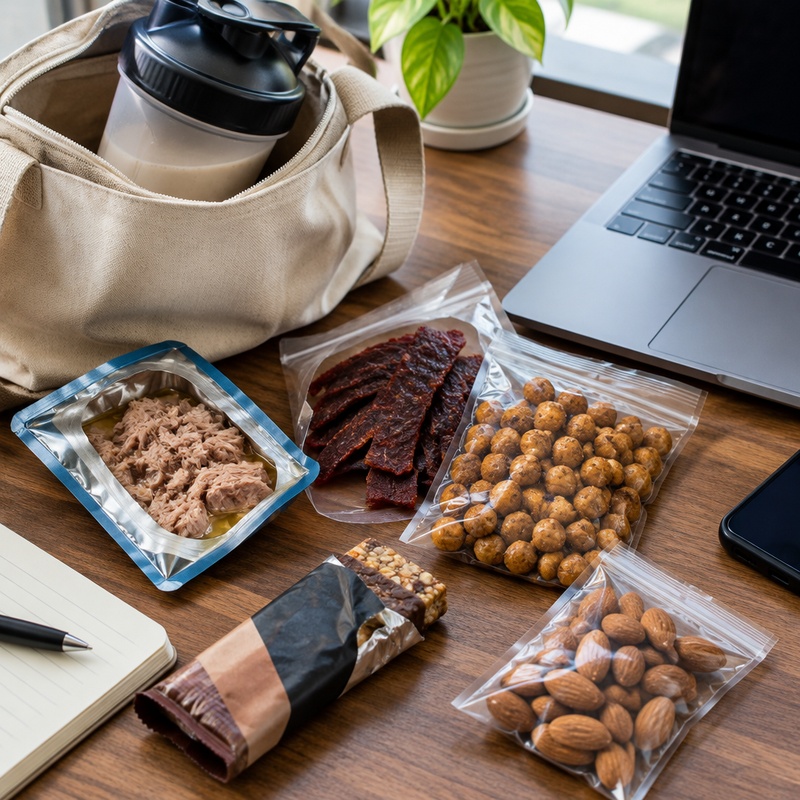
Navigating daily nutrition while on a GLP-1 medication schedule presents a unique set of physiological changes. Because glucagon-like peptide-1 receptor agonists slow gastric emptying and alter central appetite signaling, hunger cues often become subtle, delayed, or absent altogether for extended periods. While reduced appetite supports appetite regulation goals, it can also make meeting baseline protein requirements surprisingly challenging. When traditional hunger signals do not prompt meal times, skipping nourishment becomes easy, which may lead to inadequate intake of essential amino acids throughout the afternoon or busy travel days.
Navigating daily nutrition while on a GLP-1 medication schedule presents a unique set of physiological changes. Because glucagon-like peptide-1 receptor agonists slow gastric emptying and alter central appetite signaling, hunger cues often become subtle, delayed, or absent altogether for extended periods. While reduced appetite supports appetite regulation goals, it can also make meeting baseline protein requirements surprisingly challenging. When traditional hunger signals do not prompt meal times, skipping nourishment becomes easy, which may lead to inadequate intake of essential amino acids throughout the afternoon or busy travel days.
Dietary research suggests that distributing protein evenly across the day supports lean muscle mass preservation, metabolic stability, and sustained energy levels during weight management journeys. However, relying solely on meals that require cooking, refrigeration, or immediate prep can create friction during unpredictable work schedules, commutes, or errands. Having access to shelf-stable, portable, non-refrigerated high-protein snacks helps bridge nutritional gaps effortlessly without requiring a cooler or microwave.
This comprehensive guide explores the rationale behind portable protein timing, reviews nutrient-dense room-temperature food options, outlines practical packing strategies, and offers clear guidelines for individuals following GLP-1 metabolic care plans.
Understanding GLP-1 Appetite Dynamics and Protein Distribution
GLP-1 receptor agonists function by mimicking endogenous gut hormones that regulate post-meal glycemic response and gastric motility. One key physiological effect is delayed gastric emptying, meaning food remains in the stomach longer. As a consequence, many individuals experience a prolonged sense of fullness and a significant decrease in spontaneous food cravings. While this mechanism assists in natural caloric moderation, it also changes how the digestive system tolerates large, heavy meals.
When appetite signals diminish, individuals frequently report eating very small portions or skipping mid-day meals entirely. However, muscle tissue continuously undergoes natural protein turnover and requires a steady supply of dietary amino acids to maintain structural integrity and functional strength. Clinical nutrition literature highlights that adequate protein intake—typically distributed in 20 to 30 gram increments across multiple daily eating occasions—helps mitigate the loss of lean tissue often observed during weight loss. When large meals feel overwhelming due to rapid satiety, smaller, frequent protein-dense snacks provide a manageable solution.
Additionally, keeping non-perishable options on hand helps avoid emergency reliance on refined, ultra-processed snack foods when unexpected schedule delays occur. Having clean, simple, room-temperature protein available ensures that nourishing options are always within arm's reach during busy days.
Maintaining stable amino acid availability is particularly important for individuals undergoing active metabolic shifts. Research suggests that spreading protein intake evenly helps maintain nitrogen balance, supports recovery after physical activity, and helps minimize sharp fluctuations in daily stamina.
Top Plant-Based Shelf-Stable Protein Snacks
Plant-based shelf-stable protein options offer exceptional nutritional density, shelf stability, and dietary fiber, which supports overall gastrointestinal health and satiety. Below are several outstanding options to stock in a desk drawer, bag, or pantry.
1. Dry-Roasted Lupini Beans
Lupini beans represent one of the most protein-dense legumes available in modern nutrition. Roasted or pickled lupini bean snacks deliver approximately 11 to 13 grams of plant protein per small serving with minimal net carbohydrates. They possess a firm, satisfying texture and are rich in prebiotic fiber, which supports microflora balance in the digestive tract. Because lupini beans contain lower levels of starch compared to traditional beans, they are often exceptionally easy on the stomach for those mindful of carbohydrate intake.
2. Dry-Roasted Edamame
Dry-roasted young soybeans (edamame) are a complete plant protein, containing all nine essential amino acids required by the human body. A single quarter-cup portion yields roughly 13 to 14 grams of protein alongside rich amounts of iron, magnesium, and dietary fiber. Crunchy and savory, edamame makes an ideal substitute for traditional potato chips or crackers, providing a satisfying crunch without causing sharp spikes in blood glucose levels.
3. Roasted Pumpkin Seeds (Pepitas)
Pumpkin seeds are powerhouses of essential minerals, including zinc, magnesium, and plant-based omega-3 fatty acids (alpha-linolenic acid). Providing around 7 to 9 grams of protein per ounce, pepitas can be enjoyed raw or dry-roasted with light sea salt. Their healthy lipid profile helps slow nutrient absorption, encouraging smooth, sustained energy release throughout busy working hours.
4. Crunchy Chickpea and Fava Bean Snacks
Dry-roasted chickpeas and broad beans (fava beans) offer a crispy, nutrient-dense bite packed with complex carbohydrates, dietary fiber, and plant protein. With about 6 to 8 grams of protein per quarter-cup serving, these roasted snacks come in various herbs and spices. They store well at room temperature for months, making them a reliable staple for car journeys, flight travel, or office storage.
5. Roasted Sunflower Seeds
Roasted sunflower seed kernels offer roughly 6 grams of protein per quarter cup, along with high concentrations of vitamin E and selenium. Shelled sunflower seeds can be eaten by the handful or sprinkled over oatmeal and salads for added texture and nutrient density.
Top Animal-Based Portable Protein Options
For individuals who include animal products in their dietary pattern, several convenient, shelf-stable protein sources require no refrigeration until opened and offer complete amino acid profiles.
1. Low-Sodium Turkey Jerky and Beef Biltong
Jerky and air-dried biltong are traditional portable protein staples. Choosing low-sodium, low-sugar varieties made from lean turkey, chicken, or grass-fed beef yields roughly 10 to 12 grams of high-quality protein per ounce. Biltong, in particular, undergoes a cold air-drying process that retains natural tender textures without heavy sodium marinades or added sugars, making it gentle on digestion.
2. Wild Salmon and Tuna Pouches
Single-serve vacuum-sealed pouches of wild-caught salmon, yellowfin tuna, or chicken breast offer premium protein without the hassle of a can opener or drain liquids. A single 2.6-ounce pouch delivers between 15 and 20 grams of pure protein. These pouches can be eaten directly with a fork or paired with whole-grain crackers for a balanced mini-meal on the go.
3. High-Protein Seed-and-Nut Butter Packs
Single-serving squeezable packets of almond butter, peanut butter, or sunflower seed butter combined with added pea or hemp protein isolate provide 7 to 10 grams of protein in a convenient squeeze tube. These portable packets require no spoon or plate, making them ideal for quick consumption during packed work schedules or outdoors.
4. Single-Serve Collagen and Bone Broth Packets
Unflavored collagen peptides or powdered bone broth packets can be easily stirred into hot water, tea, or coffee while traveling. Providing 9 to 10 grams of protein per stick pack, these dissolvable powders offer a hydrating, warm protein boost that is extremely light on the digestive system.
Practical Packing Strategies for Work, Travel, and Daily Errands
Establishing consistent dietary routines on GLP-1 schedules involves reducing friction between appetite signals and meal preparation. Preparing portable protein kits in advance ensures you are never caught unprepared when energy dips or when subtle hunger emerges.
Creating an Office Desk Drawer Stash
Keep a designated box in your office drawer containing a balanced assortment of snacks. Rotate between savory items (such as edamame or jerky) and satisfying items (such as pumpkin seed pouches or nut butter packets). Having visual cues in your workspace reminds you to nourish your body even if full hunger sensations are absent.
Glove Compartment and Bag Essentials
Keep heat-stable items in your vehicle or everyday carry bag. Roasted lupini beans, dried edamame, and seed mixes withstand moderate temperature variations far better than dairy or fresh meats. Stashing individual portion pouches in your backpack, purse, or briefcase ensures access to healthy options during delayed travel or prolonged meetings.
Airport Travel and Commuting Kits
When traveling by air, navigating security lines with liquid protein shakes can be cumbersome. Solid, shelf-stable snacks like roasted legumes, seed clusters, and vacuum-sealed tuna pouches bypass liquid restrictions effortlessly. Packing a dedicated snack bag inside your carry-on luggage ensures continuous access to high-protein food during flight delays or layovers.
Portion Management for Early Fullness
Because GLP-1 therapies increase feelings of fullness, attempting to consume a large snack bag at once may lead to mild stomach discomfort. Purchasing pre-apportioned single-serve packages—or pre-portioning bulk snacks into small reusable silicone pouches—allows you to consume modest, comfortable amounts (such as 5 to 10 grams of protein) across small intervals without wasting food.
Balancing Fiber, Hydration, and Micronutrients
While prioritizing protein is critical on GLP-1 schedules, maintaining digestive comfort requires attention to overall dietary balance, particularly regarding fiber and fluid intake.
Many shelf-stable protein snacks—especially roasted legumes, seeds, and nuts—are naturally rich in dietary fiber. Fiber promotes healthy bowel regularity, which is particularly beneficial since reduced GI motility can sometimes contribute to mild constipation. However, increasing fiber intake rapidly without adequate hydration can cause bloating or abdominal tightness. Pairing dry high-protein snacks with a full glass of water or electrolyte-enhanced beverage supports smooth digestion and optimal nutrient absorption.
Furthermore, selecting snacks with simple, whole-food ingredient lists minimizes exposure to excessive sodium, artificial preservatives, or polyols (sugar alcohols) that might cause intestinal gas or distress. Reading ingredient labels carefully ensures your portable snack choices complement your overall metabolic wellness goals.
It is also helpful to monitor electrolyte balance, particularly sodium and magnesium levels. Nuts, seeds, and legumes provide organic magnesium, which plays an essential role in muscle contraction, cellular energy production, and nerve transmission during weight management schedules.
Personalizing Your GLP-1 Nutrition Plan
Every individual's response to GLP-1 medication varies, from appetite suppression intensity to specific food tolerances. Working alongside healthcare professionals helps tailor nutrition targets to your specific clinical history, physical activity level, and weight management objectives.
Integrating portable, non-refrigerated high-protein options into your weekly routine provides flexibility, safeguards muscle health, and removes stress from daily meal planning. By stocking nutrient-dense options like roasted lupini beans, dry edamame, pumpkin seeds, and clean jerky, maintaining steady nutrition becomes simple and consistent wherever your day takes you.
For personalized clinical guidance, prescription evaluation, and comprehensive medical weight management support, explore options with licensed providers at EOS Health Weight Loss Support.
GLP-1 Receptor Agonist
A class of medications that mimic the human incretin hormone GLP-1, helping regulate blood sugar response, slow gastric emptying, and promote satiety signals.
Delayed Gastric Emptying
A physiological process where food moves more slowly from the stomach into the small intestine, leading to prolonged feelings of fullness.
Shelf-Stable Protein
Food products containing high protein levels that can be safely stored at room temperature without refrigeration or thermal preservation.
Lupini Beans
A yellow legume pulse high in plant protein and dietary fiber, traditionally eaten Mediterranean-style and popular as a dry-roasted snack.
Muscle Protein Synthesis
The metabolic process by which the body builds and repairs muscle tissue using dietary amino acids derived from consumed protein sources.
Sources
faq
Common questions, answered.
Why is non-refrigerated protein useful for people on GLP-1 medications?
GLP-1 medications often reduce spontaneous hunger cues, making structured meal timing less predictable. Non-refrigerated high-protein snacks allow you to keep nutrient-dense options readily available in your vehicle, bag, or desk drawer, ensuring consistent protein intake throughout the day without requiring refrigeration or complex meal prep.
How much protein should a single snack contain on a GLP-1 schedule?
Targeting approximately 7 to 15 grams of protein per snack is often ideal. Because gastric emptying is delayed, smaller protein portions are easier to digest without causing uncomfortable fullness or abdominal heaviness.
Are roasted legumes like edamame and lupini beans complete protein sources?
Soy-based options such as dry-roasted edamame are complete proteins, containing all nine essential amino acids. Lupini beans and pumpkin seeds also provide rich amino acid profiles and high protein concentrations per gram, making them excellent plant-based protein choices.
Can high-protein dry snacks cause digestive discomfort?
High-protein dry snacks that are also high in fiber (such as roasted chickpeas or seeds) may cause mild gas or bloating if consumed rapidly without sufficient liquid. Drinking water alongside dry snacks supports comfortable digestion and smooth intestinal motility.
What should I look for when purchasing jerky or meat snacks?
Select low-sodium and low-sugar varieties made from lean poultry, beef biltong, or turkey. Minimal artificial preservatives and simple ingredients ensure the snack remains gentle on your digestive system.
How do shelf-stable snacks support lean muscle maintenance during weight loss?
Maintaining lean muscle tissue during weight management requires continuous amino acid availability. Regularly spaced, protein-rich snacks help support muscle protein synthesis even when main meal appetite is low.
Can I keep nut butter squeezes in warm environments like a car?
While nut butter packets are shelf-stable, extreme heat in a vehicle during summer months can cause natural oils to separate or degrade. Storing them in cool, dry places such as a desk drawer, purse, or insulated travel tote is recommended for best quality.
Should I consult a healthcare provider before changing my snack routine on GLP-1 therapy?
Yes, discussing your nutritional intake and digestive tolerance with a licensed clinician or dietitian ensures your diet aligns with your clinical care plan and personal health goals.
Ready to feel like yourself again.™
Start free consultationwhat are you waiting for?
You're one click away from a new you.
Fill out our brief form and a licensed physician will evaluate which treatment plan is best for you.