Plant-Based Eating on GLP-1 Medications: Getting Enough Protein
Discover practical strategies for plant-based eating on GLP-1 medications. Learn how to meet your daily protein targets using wholesome plant foods safely.
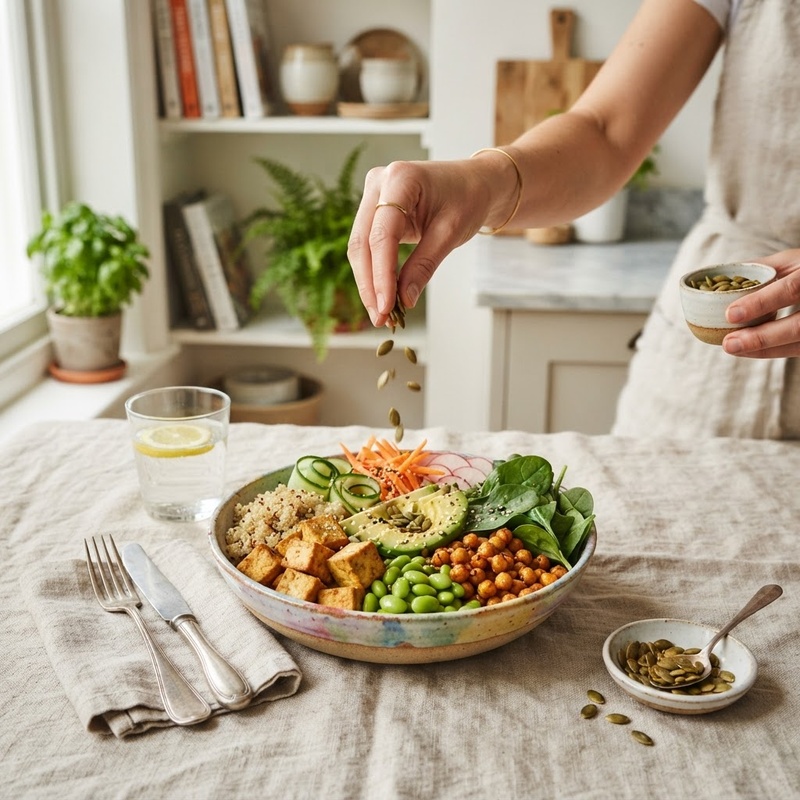
Glucagon-like peptide-1 (GLP-1) receptor agonist medications have transformed contemporary approaches to weight management and metabolic health care. By mimicking natural incretin hormones produced in the gastrointestinal tract, these prescription therapies slow gastric emptying, enhance satiety cues, and support blood sugar control. However, because GLP-1 medications significantly reduce overall appetite, meal size, and spontaneous food cravings, ensuring adequate daily intake of key nutrients—especially dietary protein—becomes a paramount clinical consideration. For individuals following vegetarian, vegan, or plant-forward dietary patterns, meeting protein targets requires thoughtful planning and intentional food choices.
Glucagon-like peptide-1 (GLP-1) receptor agonist medications have transformed contemporary approaches to weight management and metabolic health care. By mimicking natural incretin hormones produced in the gastrointestinal tract, these prescription therapies slow gastric emptying, enhance satiety cues, and support blood sugar control. However, because GLP-1 medications significantly reduce overall appetite, meal size, and spontaneous food cravings, ensuring adequate daily intake of key nutrients—especially dietary protein—becomes a paramount clinical consideration. For individuals following vegetarian, vegan, or plant-forward dietary patterns, meeting protein targets requires thoughtful planning and intentional food choices.
Protein plays a critical role in preserving lean muscle tissue during periods of weight loss, supporting immune function, synthesized cellular repair, and maintaining baseline metabolic rate. When caloric intake naturally drops while taking GLP-1 medications, prioritizing protein density in every meal helps prevent unnecessary muscle wasting. Fortunately, a well-structured plant-based diet can supply all necessary essential amino acids while accommodating reduced hunger. In this comprehensive guide, our clinical team shares evidence-informed approaches to plant-based nutrition during GLP-1 therapy, offering practical solutions to help patients reach daily protein goals comfortably and safely.
Understanding Protein Needs During GLP-1 Therapy
When starting a GLP-1 receptor agonist, reduced appetite frequently results in smaller meal portions, reduced snacking, and earlier satiety during dining. While this caloric reduction supports weight management goals, it can also lead to unintentional loss of lean muscle mass if dietary protein intake falls below recommended physiological thresholds. Preserving muscle mass is vital for maintaining metabolic function, physical strength, joint mobility, and overall vitality during any health transformation.
Clinical guidelines often suggest that individuals undergoing medical weight management target elevated protein intakes, commonly between 1.2 and 1.6 grams of protein per kilogram of target body weight, based on individual clinical evaluations and physical activity levels. For a plant-based eater targeting 70 kilograms of lean body weight, this equates to approximately 84 to 112 grams of dietary protein per day. Achieving these figures requires selecting nutrient-dense plant foods that offer substantial protein per serving without overcrowding a diminished appetite.
The Role of Essential Amino Acids and Bioavailability
Proteins are built from amino acids, nine of which are essential because the human body cannot produce them independently. While animal products naturally contain all nine essential amino acids in balanced ratios, individual plant foods vary in their amino acid profiles. Fortunately, historical ideas regarding mandatory "protein pairing" at every single meal have been updated by modern nutrition science. Consuming a diverse variety of plant proteins throughout the day easily supplies a complete essential amino acid profile to support lean tissue maintenance and overall health.
Key essential amino acids, such as leucine, play a pivotal role in triggering muscle protein synthesis. Plant sources rich in leucine include soybeans, lentils, pumpkin seeds, and navy beans. Additionally, understanding protein bioavailability—how efficiently the body digests and absorbs amino acids—helps in planning. Cooking, sprouting, and fermenting plant protein sources enhances their digestibility, allowing the gastrointestinal system to absorb amino acids more effectively even when gastric motility is slowed by medication.
Top Plant-Based Protein Powerhouses for GLP-1 Support
Selecting foods with high protein density is essential when overall food intake decreases. Because GLP-1 medications slow digestion and create a persistent feeling of fullness, eating large volumes of low-protein food can feel overwhelming. Prioritizing compact, protein-rich plant ingredients allows patients to meet nutritional benchmarks without feeling overly stuffed.
Soy Products: Tofu, Tempeh, and Edamame
Soy foods represent some of the most versatile and nutritionally complete plant protein sources available. Unprocessed or minimally processed soy products provide all nine essential amino acids in high concentrations, making them an excellent foundation for plant-based GLP-1 meal plans.
Firm and extra-firm tofu provide approximately 15 to 20 grams of protein per cup, easily absorbing flavors from herbs, spices, and low-sugar marinades. Tempeh, made from fermented whole soybeans, yields around 15 to 20 grams of protein per half-cup serving while offering beneficial probiotics that support digestive health. Edamame (young soybeans) makes a convenient, high-protein snack, delivering nearly 18 grams of protein per cooked cup along with beneficial dietary fiber and trace minerals.
Legumes, Lentils, and Pulses
Lentils, chickpeas, black beans, navy beans, and split peas are cornerstone staples of plant-based nutrition. Lentils offer roughly 18 grams of protein per cooked cup along with significant amounts of dietary fiber, iron, folate, and potassium. Black beans and chickpeas supply about 15 grams of protein per cup.
Because pulses are rich in dietary fiber, individuals on GLP-1 therapy should introduce them gradually if they experience mild gastrointestinal adaptation symptoms. Blending lentils into soups or mashing chickpeas into hummus spreads can improve digestibility while preserving high protein content, preventing uncomfortable fullness while maintaining solid nutritional value.
Whole Grains, Seeds, and Concentrates
Combining grains and seeds with legumes further expands the variety of nutrients in a plant-based diet. Quinoa, often classified as a pseudograin, is a complete protein source containing 8 grams of protein per cooked cup. Ancient grains such as farro, spelt, teff, and amaranth also contribute valuable protein, magnesium, and iron.
Seeds are concentrated protein powerhouses that can be easily added to meals without significantly increasing food volume. Hemp seeds provide about 10 grams of complete protein per three tablespoons, while pumpkin seeds, chia seeds, and flaxseeds contribute 5 to 9 grams per serving. Vital wheat gluten, used to make seitan, offers an extraordinarily high protein density—delivering up to 25 grams of protein per 3-ounce serving—making it an attractive option for non-celiac plant-based eaters.
Managing Reduced Appetite and Digestibility
The physiological mechanisms of GLP-1 medications—specifically delayed gastric emptying—can alter how comfortable certain foods feel after eating. High-volume, high-fiber plant meals that were easily tolerated prior to medication initiation may feel surprisingly heavy. Adapting food preparation techniques helps maintain comfortable digestion while keeping protein intake on target.
Strategies for Nutrient-Dense Mini-Meals
Rather than relying on three large traditional meals, many individuals find success by spreading food intake across four to five smaller mini-meals throughout the day. Spacing protein intake evenly every three to four hours helps maintain a continuous supply of amino acids for muscle preservation while preventing uncomfortable abdominal fullness.
Focusing on protein first during mini-meals ensures that key nutritional needs are met before satiety signals set in. For instance, consuming tofu bites or a small protein-rich smoothie at the beginning of a meal prioritizes essential protein over less dense side dishes. This intentional meal structuring empowers patients to hit their nutritional goals gracefully.
Optimizing Fiber Intake and Hydration
Dietary fiber supports cardiovascular health, gut microbiome balance, and glycemic control. However, combining very high fiber intake with GLP-1-induced delayed gastric emptying can sometimes cause bloating, gas, or early satiety. Choosing cooked, roasted, or blended vegetables over large raw salads can ease the digestive process while maintaining fiber benefits.
Mindful eating practices and setting fixed meal schedules can also support gastrointestinal tolerance. Taking smaller bites, chewing thoroughly, and allowing 20 to 30 minutes per mini-meal helps optimize salivary enzyme mixing and prevents rapid stomach expansion, making plant-based protein consumption far more comfortable.
Hydration is equally vital. Adequate fluid intake supports kidney function, digestive transit, and overall energy levels. Drinking fluids primarily between meals rather than during meals prevents premature stomach distension, leaving sufficient space for protein-dense foods.
Sample High-Protein Plant-Based Daily Outline
To help illustrate how these concepts come together in daily practice, consider a practical meal structure designed to deliver elevated protein within smaller portion sizes. Individual requirements vary, so consulting a registered dietitian or healthcare provider is always recommended to tailor meal plans to personal health goals.
Breakfast and Morning Refuel Ideas
Start the morning with a savory tofu scramble prepared with extra-firm tofu, nutritional yeast, baby spinach, and a sprinkle of hemp seeds, yielding approximately 22 to 25 grams of protein. Alternatively, a morning smoothie blended with unsweetened soy or pea milk, plant protein powder isolate, chia seeds, and half a frozen banana provides a smooth, easily digestible breakfast containing 25 to 30 grams of protein.
Lunch, Dinner, and Evening Nourishment
For mid-day nourishment, a quinoa and marinated tempeh bowl topped with steamed broccolini and a tahini-lemon dressing delivers robust protein and healthy fats without heavy volume. For mid-afternoon snack, a cup of warm edamame with sea salt or roasted chickpeas supplies a quick 12 to 18 grams of protein.
For dinner, lentil-based pasta tossed with homemade basil-walnut pesto, sautéed edamame, and nutritional yeast offers up to 28 to 32 grams of protein per serving. For a light evening refuel, a small cup of high-protein soy yogurt topped with pumpkin seeds provides easily digestible protein before sleep.
Supplementation and Clinical Guidance
While whole foods should form the foundation of any nutrition plan, plant-based protein powders and targeted dietary supplements can serve as practical tools when appetite is significantly suppressed. High-quality pea protein isolates, soy protein powders, or blended plant protein formulas provide concentrated protein without significant bulk.
Selecting Quality Plant Protein Powders
When selecting a plant protein powder, look for products that undergo third-party testing for purity, heavy metal screening, and quality standards. Blends combining pea and rice protein offer complete amino acid profiles comparable to whey protein. Choosing unflavored or naturally sweetened powders without excessive artificial sweeteners or sugar alcohols helps prevent potential gastrointestinal irritation.
Additionally, individuals following strict vegan diets should monitor key micronutrients alongside protein. Vitamin B12, vitamin D, iron, zinc, and omega-3 fatty acids (EPA/DHA from algal oil) should be routinely evaluated with a healthcare team to ensure comprehensive nutritional adequacy.
Important Clinical Considerations and Disclaimers
Nutrition adjustments during medical weight management should always occur in consultation with qualified healthcare professionals. GLP-1 receptor agonist medications are available exclusively via prescription following a thorough medical evaluation by a licensed clinician. It is also important to note that compounded GLP-1 medications are not FDA-approved, and individual health experiences, response rates, and weight management outcomes vary.
Partnering with EOS Health for Personalized Support
Navigating plant-based nutrition while taking GLP-1 medications requires an individualized, medically supervised approach. At EOS Health, our clinical team works alongside patients to design comprehensive care plans that align medical treatment with evidence-based nutrition strategies.
Whether you are exploring medical weight management options or looking to optimize your nutrient intake while on GLP-1 therapy, expert clinical guidance can help you navigate your health journey safely. Learn more about our comprehensive clinical offerings and explore personalized weight management solutions by visiting EOS Health Weight Loss Support today.
GLP-1 Receptor Agonists
A class of prescription medications that mimic the body's natural glucagon-like peptide-1 hormone, regulating appetite, slowing gastric emptying, and supporting blood sugar control.
Essential Amino Acids
Nine amino acids that the human body cannot synthesize on its own and must obtain through dietary intake to support muscle repair and bodily functions.
Protein Density
The proportion of protein relative to total calories or volume in a given food item, critical for maintaining intake when appetite is reduced.
Gastric Emptying Rate
The speed at which food leaves the stomach and enters the small intestine, which is slowed by GLP-1 medications to prolong feelings of fullness.
Bioavailability
The degree and rate at which nutrients, such as amino acids or minerals, are absorbed and utilized by the human body from dietary sources.
Sources
faq
Common questions, answered.
Can I follow a fully vegan diet while taking GLP-1 medications?
Yes, individuals can follow a fully vegan diet while taking GLP-1 medications. Success depends on selecting high-protein plant foods such as soy products, legumes, grains, seeds, and high-quality plant protein powders to meet daily nutritional requirements.
How much protein should I consume each day on a plant-based diet?
Protein recommendations vary based on individual health status, body composition, and physical activity. Clinical guidance often suggests aiming for 1.2 to 1.6 grams of protein per kilogram of target body weight during active weight loss to support lean muscle retention.
Are plant-based protein powders safe to use alongside GLP-1 treatments?
Plant-based protein powders, such as pea, soy, or rice protein blends, are generally safe and effective tools to help meet protein goals when appetite is suppressed. Patients should consult their healthcare provider to select third-party tested products suitable for their specific health needs.
What if high-fiber plant foods cause digestive bloating on GLP-1 therapy?
GLP-1 medications slow gastric emptying, which can interact with high fiber intake. Cooking, blending, or mashing high-fiber foods like legumes and vegetables can make them easier to digest. Gradual adjustment of fiber intake alongside adequate hydration is often helpful.
Do I need to combine specific plant proteins at every meal?
No, modern nutritional science indicates that combining specific plant proteins at every single meal is unnecessary. Consuming a diverse variety of plant protein sources throughout the day provides a complete profile of essential amino acids.
How can I increase protein density without eating larger portion sizes?
Increasing protein density can be achieved by incorporating concentrated protein sources such as tempeh, firm tofu, edamame, hemp seeds, nutritional yeast, and plant protein powder isolates into smaller, more frequent mini-meals.
Are compounded GLP-1 medications FDA-approved?
No, compounded GLP-1 medications are not FDA-approved. Patients should discuss prescription treatment options, safety considerations, and clinical oversight with a licensed healthcare provider before initiating any medication.
How does EOS Health assist plant-based patients on GLP-1 therapy?
EOS Health provides comprehensive telehealth care, pairing licensed clinical evaluations with personalized nutritional support to help patients safely achieve their health and metabolic goals while following their preferred dietary pattern.
Ready to feel like yourself again.™
Start free consultationwhat are you waiting for?
You're one click away from a new you.
Fill out our brief form and a licensed physician will evaluate which treatment plan is best for you.